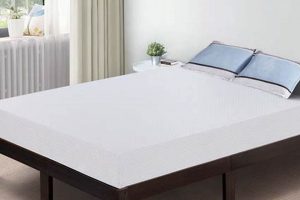
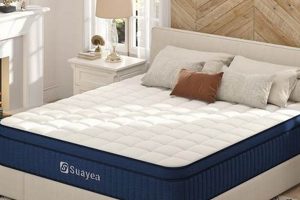
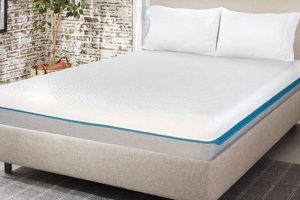
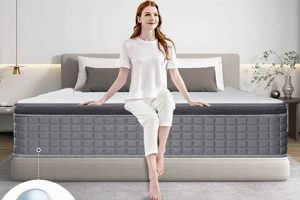
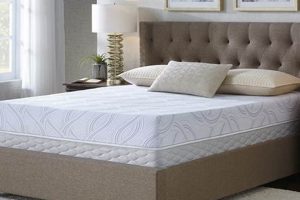
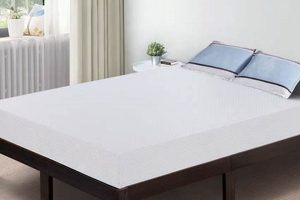
Mattress thickness, often measured in inches, significantly influences sleep comfort and support. Options frequently range around the ten-inch and twelve-inch marks, representing common tiers in mattress design. For example, a mattress with a ten-inch profile may offer a balanced level of cushioning, while one reaching twelve inches can provide enhanced support and pressure relief due to increased material layers.
The height of a mattress directly affects its ability to accommodate various body weights and sleeping positions. Greater thicknesses can provide improved motion isolation, beneficial for couples, and can also contribute to a more luxurious feel. Historically, mattress depth has evolved with advancements in material technology, allowing for a wider range of comfort options within specific height parameters, catering to diverse individual preferences.
Understanding the nuances of mattress depth allows consumers to make informed decisions regarding their sleep health. The following sections will delve into the specific characteristics of different mattress thicknesses, exploring the ideal sleeper types, advantages, and disadvantages associated with each option, ultimately guiding readers to select the right mattress for their individual needs.
Considerations for Selecting Mattress Thickness
The following guidelines offer practical considerations when evaluating mattresses of varying heights to optimize sleep quality and overall comfort.
Tip 1: Account for Body Weight: Individuals with higher body weights generally benefit from greater mattress thicknesses, typically a twelve-inch mattress or higher, to ensure adequate support and prevent bottoming out. Lighter individuals may find a ten-inch mattress sufficiently supportive.
Tip 2: Evaluate Sleeping Position: Side sleepers often require thicker mattresses with deeper compression to alleviate pressure points on the hips and shoulders. Back and stomach sleepers may find a ten-inch mattress provides sufficient support to maintain spinal alignment.
Tip 3: Assess Bed Frame Compatibility: Ensure the selected mattress height is compatible with the existing or intended bed frame. Consider the overall bed height, including the frame and mattress, for ease of getting in and out of bed.
Tip 4: Analyze Layer Composition: Pay attention to the composition of the mattress layers. A thicker mattress may not necessarily be superior if the quality of materials is inferior. Focus on the density and type of foam, the coil count, and the construction of the support core.
Tip 5: Factor in Partner Preferences: If sharing the bed, consider the needs of both sleepers. A thicker mattress may offer enhanced motion isolation, minimizing disturbances caused by movement during the night.
Tip 6: Trial Period Utilization: Take advantage of trial periods offered by retailers to test the mattress in a home environment. This allows for a more accurate assessment of comfort and support over an extended period.
Tip 7: Consider Budgetary Constraints: Thicker mattresses often come with a higher price tag. Balance the benefits of increased thickness with budgetary limitations, prioritizing quality and support within the available budget.
These tips highlight the importance of considering individual needs and preferences when choosing a mattress thickness. Selecting a mattress that aligns with body weight, sleeping position, and bed frame compatibility contributes to enhanced sleep quality and long-term comfort.
The following section will address specific considerations related to mattress materials and construction, further informing the decision-making process.
1. Supportive Core

The supportive core is a critical component of any mattress, including those marketed as “10 inch or 12 inch mattress” models. Its primary function is to provide the necessary structural integrity to maintain spinal alignment during sleep. Without an adequate supportive core, a mattress, regardless of its overall thickness, will likely sag or deform over time, leading to discomfort and potential back pain. A firmer, more robust core is generally preferred for individuals requiring more support, while a slightly softer core may be suitable for those seeking greater pressure relief. For example, a 10-inch mattress may feature a high-density foam core, whereas a 12-inch model could incorporate a pocketed coil system for enhanced support and motion isolation.
The selection of materials for the supportive core directly impacts the performance and longevity of “10 inch or 12 inch mattress” options. High-density polyfoam, innerspring coils, and latex are commonly utilized. High-density foam offers a uniform support surface, while innerspring systems provide targeted support and airflow. Latex, known for its durability and responsiveness, represents a premium option. The thickness and construction of the supportive core must be balanced with the comfort layers to achieve optimal sleep quality. A thicker comfort layer atop a weak core can result in a “hammocking” effect, negating any benefits derived from the increased height.
In summary, the supportive core dictates the overall performance and lifespan of “10 inch or 12 inch mattress” selections. Its composition and design are paramount to ensuring proper spinal alignment and preventing premature sagging. Consumers should prioritize the quality and construction of the supportive core when evaluating mattresses, as this foundational element directly impacts the bed’s ability to deliver lasting comfort and support. Furthermore, understanding the relationship between the core and the comfort layers is essential for making an informed decision that aligns with individual sleep needs and preferences.
2. Pressure Relief

Pressure relief is a critical attribute of any mattress, and its effectiveness is directly influenced by mattress thickness, particularly in options categorized as “10 inch or 12 inch mattress” models. The capacity of a mattress to alleviate pressure points significantly contributes to sleep quality and the prevention of discomfort or pain.
- Material Composition and Thickness
The composition and thickness of the comfort layers within “10 inch or 12 inch mattress” constructions are pivotal for pressure relief. Thicker comfort layers, often found in 12-inch models, generally offer superior cushioning and contouring capabilities, distributing body weight more evenly. Materials such as memory foam, latex, and gel-infused foams are specifically designed to conform to the body’s shape, reducing pressure on sensitive areas like the hips, shoulders, and back. Insufficient thickness, as may occur in some 10-inch models, can result in inadequate pressure distribution, leading to localized discomfort.
- Density and Firmness Levels
Density and firmness are essential characteristics to consider in pressure relief. A mattress of “10 inch or 12 inch mattress” with a lower density might not provide long-term support, leading to potential discomfort during sleep. Selecting a density that aligns with body weight and firmness preferences is essential. Higher-density foam, commonly found in the comfort layers of twelve-inch mattresses, tends to provide better pressure relief due to its ability to maintain its shape and resist compression over time. Firmer models may distribute pressure differently compared to plusher ones, and choosing what firmness will alleviate the most pressure is crucial to better sleep quality.
- Zoned Support Systems
Some “10 inch or 12 inch mattress” models incorporate zoned support systems, strategically varying the firmness across different areas of the mattress to optimize pressure relief. For instance, a zoned mattress may feature softer support in the shoulder and hip regions to accommodate side sleepers, while providing firmer support in the lumbar area to maintain spinal alignment. The effectiveness of a zoned support system is often enhanced in thicker mattresses, as they allow for more distinct variations in firmness and greater precision in targeting specific pressure points. These zones, when executed effectively, can significantly enhance comfort.
- Weight Distribution and Spinal Alignment
Proper weight distribution is intrinsically linked to spinal alignment, and both are critical components of effective pressure relief. When the body is properly supported, pressure is evenly distributed, minimizing stress on specific joints and muscles. “10 inch or 12 inch mattress” options designed to promote spinal alignment often incorporate features such as reinforced edges and targeted lumbar support. Achieving optimal weight distribution and spinal alignment is essential for preventing or alleviating back pain and ensuring a restful night’s sleep. The thickness of the mattress will impact its ability to fully distribute the weight correctly, and in turn, alleviate pressure on the body.
The interplay between material composition, density, firmness levels, zoned support systems, and weight distribution directly influences the capacity of “10 inch or 12 inch mattress” selections to deliver effective pressure relief. Choosing a mattress that adequately addresses these factors is paramount for ensuring optimal comfort and preventing sleep-related discomfort.
3. Motion Isolation
Motion isolation, a key characteristic in mattress selection, directly relates to the minimization of movement transfer across the mattress surface. This is particularly relevant when evaluating “10 inch or 12 inch mattress” options, as thickness and material composition influence the degree to which motion is contained.
- Material Density and Composition
Higher-density materials, such as memory foam or latex, prevalent in both “10 inch or 12 inch mattress” designs, contribute to superior motion isolation. These materials absorb energy and prevent its propagation across the mattress. For example, a couple where one partner frequently shifts positions during sleep will benefit from a mattress with high motion isolation, as the other partner is less likely to be disturbed by these movements. A thicker mattress, such as the 12-inch variant, may incorporate additional layers of these materials, further enhancing this effect.
- Coil System Design
The type of coil system used in innerspring or hybrid “10 inch or 12 inch mattress” models significantly affects motion isolation. Pocketed coils, where each coil is individually wrapped, minimize motion transfer compared to interconnected coil systems. With pocketed coil, each coil can adjust independently to pressure. For example, if you press down on one area of the mattress, only those coils will compress and move – not the entire mattress.
- Mattress Height and Layering
The overall height of a mattress, a defining factor in distinguishing “10 inch or 12 inch mattress” models, contributes to motion isolation. A thicker mattress, especially a 12-inch option, often incorporates more layers of motion-isolating materials, such as memory foam or transition layers, which further dampen movement transfer. Thicker materials are more capable of absorbing more energy and reducing vibration.
- Edge Support Systems
Edge support systems, designed to prevent mattress sagging around the perimeter, also indirectly influence motion isolation. A stable edge reduces the likelihood of motion transfer to or from the edge of the mattress. For example, if one partner sleeps near the edge of the bed, a robust edge support system can minimize the impact of their movements on the rest of the mattress. Edge support assists in reducing pressure from the sides of the mattress which improves motion isolation.
The interplay between material density, coil system design, mattress height, and edge support systems determines the effectiveness of motion isolation in “10 inch or 12 inch mattress” selections. Choosing a mattress that adequately addresses these factors is paramount for ensuring undisturbed sleep, particularly for individuals sharing a bed. In summary, a mattress with greater thickness and advanced construction typically offers enhanced motion isolation, a critical consideration for couples.
4. Bed Height

Bed height, a critical ergonomic factor, is directly influenced by mattress thickness, particularly when selecting between a “10 inch or 12 inch mattress.” The combined height of the bed frame and the mattress dictates the ease with which individuals can get into and out of bed. An improperly calibrated bed height can result in discomfort or strain, especially for individuals with mobility limitations. For instance, an elderly person or someone with arthritis may experience difficulty with a bed that is either too low or too high. The selection of a 10-inch versus a 12-inch mattress therefore necessitates careful consideration of the existing bed frame height and the user’s physical needs to achieve an optimal and comfortable sleeping arrangement.
The practical significance of understanding the interplay between bed height and mattress thickness extends beyond mere convenience. It encompasses considerations for accessibility and safety. For example, a platform bed frame, inherently low to the ground, may pair well with a 12-inch mattress to achieve a standard bed height. Conversely, a bed frame with a significant foundation may be better suited to a 10-inch mattress to avoid an excessively high sleeping surface. Furthermore, the overall bed height can impact the aesthetic of the bedroom. A taller bed may create a sense of luxury and prominence, while a lower bed may contribute to a more minimalist or modern design. Therefore, both functional and stylistic considerations inform the selection process.
In summary, the connection between bed height and mattress thickness, specifically when considering “10 inch or 12 inch mattress” options, is paramount for ensuring ergonomic comfort, accessibility, and aesthetic harmony. Accurate assessment of individual needs and preferences, coupled with a thorough understanding of bed frame dimensions, is essential for achieving an optimal bed height that promotes restful sleep and minimizes physical strain. Failing to account for this relationship can lead to discomfort, accessibility issues, and a less-than-ideal sleep environment.
5. Durability Expectations
Durability expectations represent a crucial consideration when selecting a mattress, and the specific thickness of the mattress, as exemplified by “10 inch or 12 inch mattress” options, significantly influences its projected lifespan and long-term performance. Understanding the factors contributing to mattress durability is essential for making an informed purchasing decision that aligns with individual needs and investment goals.
- Material Quality and Density
The quality and density of the materials used in the construction of “10 inch or 12 inch mattress” selections directly impact their durability. Higher-density foams, robust coil systems, and durable cover fabrics contribute to a longer lifespan. For example, a 12-inch mattress utilizing high-density memory foam in its comfort layers is likely to resist sagging and compression more effectively than a 10-inch mattress with lower-density foams. Conversely, lower-quality materials may degrade rapidly, leading to premature wear and reduced support.
- Construction Techniques and Design
The methods employed in constructing “10 inch or 12 inch mattress” models also affect their durability. Reinforced edges, secure stitching, and well-engineered support cores enhance structural integrity and prevent premature failure. Mattresses constructed with attention to detail and employing durable construction techniques are more likely to withstand prolonged use and maintain their shape and support over time. The design is also important to note. A quality mattress with a well thought-out design will more likely last longer than a mattress without one.
- Usage Patterns and Weight Distribution
The way a mattress is used and the distribution of weight across its surface influence its durability. For example, a mattress used by a single, lightweight individual is likely to experience less wear and tear than a mattress used by a heavier couple. Consistent rotation and flipping (if applicable) can promote even wear and extend the mattress’s lifespan. Uneven weight distribution or concentrated pressure points can accelerate degradation in specific areas of the mattress which will affect the mattresses durablity.
- Warranty Coverage and Brand Reputation
Warranty coverage provides an indication of the manufacturer’s confidence in the durability of their “10 inch or 12 inch mattress” products. A longer warranty typically suggests a greater expectation of longevity. However, it’s crucial to carefully review the terms and conditions of the warranty, as they may exclude certain types of damage or wear. Furthermore, the brand’s reputation for producing durable and reliable mattresses should be considered, as established brands often have a track record of using high-quality materials and employing superior construction techniques.
The interplay between material quality, construction techniques, usage patterns, and warranty coverage determines the overall durability expectations for “10 inch or 12 inch mattress” selections. Choosing a mattress that adequately addresses these factors is paramount for ensuring long-term comfort, support, and value for the investment. In summary, selecting a mattress with durable materials, robust construction, and a solid warranty is essential for maximizing its lifespan and ensuring a satisfactory sleep experience over time.
Frequently Asked Questions
This section addresses common inquiries regarding mattress thickness, specifically concerning 10-inch and 12-inch mattress options. The information presented aims to clarify key considerations and inform purchasing decisions.
Question 1: What constitutes the primary difference between a 10-inch and a 12-inch mattress?
The most significant difference lies in the overall material volume. A 12-inch mattress typically offers additional comfort and support layers compared to a 10-inch model, potentially resulting in enhanced pressure relief and motion isolation.
Question 2: Does a thicker mattress invariably equate to superior comfort?
Not necessarily. Comfort is subjective and depends on individual preferences and specific material composition. While a 12-inch mattress may offer more cushioning, the quality and density of the materials are more critical than the thickness alone.
Question 3: Are thicker mattresses better suited for heavier individuals?
Generally, yes. Individuals with higher body weights often benefit from the increased support provided by a thicker mattress. A 12-inch mattress is more likely to prevent “bottoming out” and maintain proper spinal alignment.
Question 4: How does mattress thickness impact bed height?
Mattress thickness directly contributes to the overall bed height. Consider the existing bed frame height when selecting a mattress to ensure ease of getting in and out of bed. An excessively high or low bed can be ergonomically problematic.
Question 5: Do thicker mattresses offer improved motion isolation?
Potentially. A 12-inch mattress, particularly those with advanced construction and high-density materials, is more likely to minimize motion transfer compared to a thinner model, benefiting couples with differing sleep patterns.
Question 6: Does mattress thickness influence durability?
The thickness itself is not the sole determinant of durability. However, a thicker mattress may allow for more robust construction and higher-quality materials, potentially contributing to a longer lifespan. Material quality and proper care remain paramount.
In summary, selecting the appropriate mattress thickness involves careful consideration of individual needs, preferences, and physical characteristics. While a thicker mattress may offer certain advantages, the quality and composition of the materials are equally crucial.
The subsequent section will explore alternative mattress technologies and emerging trends in sleep science.
Conclusion
The selection between “10 inch or 12 inch mattress” options represents a critical decision impacting sleep quality, support, and long-term comfort. This exploration has highlighted key factors including body weight, sleeping position, material composition, motion isolation, bed height, and durability expectations. A thorough understanding of these elements enables informed decision-making and facilitates the selection of a mattress that aligns with individual needs and preferences.
The ultimate choice hinges on a careful evaluation of personal requirements and priorities. While thicker mattresses may offer enhanced features, the quality of materials and construction remains paramount. Continued advancements in sleep technology promise further innovations in mattress design, emphasizing the importance of ongoing research and informed consumerism in the pursuit of optimal sleep health. Individuals are encouraged to thoroughly assess available options and consult with qualified professionals to ensure a satisfactory and enduring sleep experience.