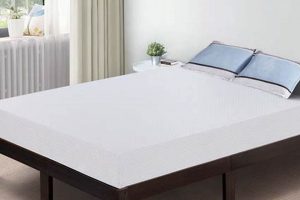
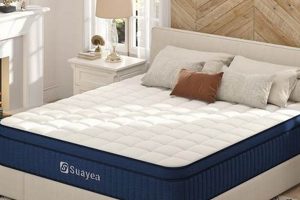
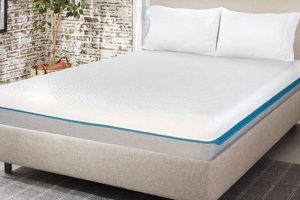
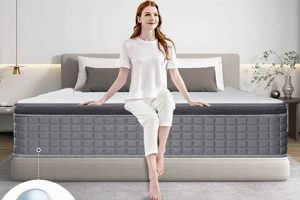
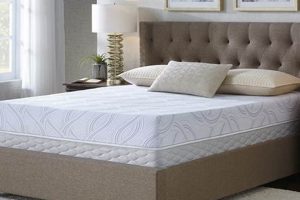
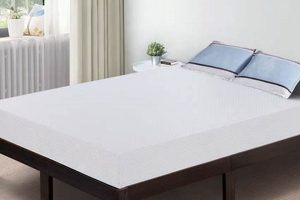
A bedding accessory designed to enhance sleep surfaces, adding a supplementary layer of cushioning. Commonly constructed from materials such as memory foam or latex, it measures two inches in thickness. For example, an individual seeking to improve the comfort of a firm mattress might opt for this type of overlay.
This layer provides a balance between support and conformity, potentially alleviating pressure points and improving spinal alignment. Its introduction into the market reflects a growing awareness of sleep quality and the demand for customizable comfort. Consumers utilize them to extend the life of their mattresses or to adjust the firmness level without replacing the entire sleep surface.
The subsequent sections will delve into the various materials used in its construction, the factors to consider when selecting one, and its potential impact on sleep quality and overall well-being.
Tips Regarding a Two-Inch Bed Overlay
The following recommendations aim to provide guidance when considering the acquisition or utilization of a two-inch thick mattress enhancement.
Tip 1: Assess Existing Mattress Condition: Before purchasing, evaluate the current state of the mattress. If the mattress is severely damaged or lacks support, a two-inch overlay may only offer minimal improvement. Consider addressing underlying support issues first.
Tip 2: Consider Material Density: For memory foam options, higher density typically indicates greater durability and support. Lower density options may compress more quickly and provide less consistent comfort over time.
Tip 3: Evaluate Heat Retention: Certain materials, particularly traditional memory foam, can retain heat. Individuals prone to overheating should explore options with cooling gel infusions or open-cell structures that promote airflow.
Tip 4: Measure Mattress Dimensions Accurately: Ensure the chosen overlay matches the exact dimensions of the mattress. An improperly sized overlay can shift or bunch, detracting from its intended purpose.
Tip 5: Factor in Body Weight and Sleeping Position: Body weight and preferred sleep position influence the optimal firmness level. Side sleepers may benefit from a softer overlay, while back or stomach sleepers may require a firmer option for adequate spinal alignment.
Tip 6: Review Warranty and Return Policies: Prior to purchase, carefully examine the manufacturer’s warranty and return policies. This allows for recourse if the overlay does not meet expectations or exhibits defects.
Tip 7: Account for Bedding Fit: After adding the overlay, existing sheets may no longer fit properly. Consider purchasing deeper-pocket sheets to accommodate the increased mattress height.
By carefully considering these factors, individuals can increase the likelihood of selecting a two-inch bed overlay that effectively enhances their sleep experience.
The subsequent sections will cover specific material types and their respective advantages and disadvantages.
1. Pressure Point Relief

A primary function of a two-inch mattress overlay centers on mitigating pressure points. These points, often located at the shoulders, hips, and knees, experience concentrated force when an individual lies on a mattress. The supplemental layer distributes body weight more evenly, reducing the localized stress and preventing discomfort that can disrupt sleep. A firmer mattress, for instance, may exacerbate pressure points, whereas the addition of a conforming overlay can alleviate the issue.
The effectiveness of pressure point reduction depends on the overlay’s material composition. Memory foam, latex, and even certain fiber fills exhibit varying degrees of conforming ability. For example, high-density memory foam responds to body heat and weight, molding to the individual’s contours and minimizing pressure concentrations. Individuals experiencing back pain, arthritis, or other conditions exacerbated by pressure can find considerable relief through the use of such an overlay. This relief contributes to improved sleep quality and reduced musculoskeletal discomfort.
In summary, the two-inch mattress overlay serves as an intermediary between the body and the existing mattress, with a direct impact on pressure distribution. The success of this function relies on material properties and an understanding of individual needs. Choosing a suitable overlay requires considering factors beyond thickness, including material type and density, to achieve the desired level of pressure relief and optimized sleep experience.
2. Material Density Impact

The density of the material comprising a two-inch mattress overlay is a critical determinant of its performance and longevity. Density, measured in pounds per cubic foot (lbs/ft), directly correlates with the support, durability, and overall feel of the product. A higher density typically indicates a greater amount of material packed into a given volume, resulting in enhanced resistance to compression and deformation. For instance, a two-inch memory foam overlay with a density of 4 lbs/ft will generally provide superior support and maintain its shape for a longer period compared to an overlay with a density of 2 lbs/ft.
The impact of material density extends beyond simple durability. It also influences the distribution of weight and the alleviation of pressure points. Higher-density materials tend to conform more effectively to the body’s contours, distributing weight more evenly and reducing pressure concentrations on areas such as the hips and shoulders. Conversely, lower-density materials may compress excessively under pressure, negating their ability to provide adequate support and pressure relief. Practical applications of this understanding include selecting an overlay with appropriate density based on body weight and sleeping position. A heavier individual may require a higher-density overlay to prevent bottoming out, while a side sleeper may benefit from a medium-density option that provides both support and cushioning.
In conclusion, material density is a fundamental characteristic governing the effectiveness of a two-inch mattress overlay. Its impact on support, durability, and pressure relief is substantial. Challenges remain in standardizing density measurements and clearly communicating their implications to consumers. However, recognizing the significance of density enables informed purchasing decisions, ultimately leading to improved sleep quality and long-term satisfaction with the product.
3. Heat Regulation Properties
The ability of a two-inch mattress overlay to regulate heat directly affects sleep quality and comfort. Material choice and construction significantly influence temperature neutrality, making it a crucial consideration in product selection.
- Material Composition and Breathability
The inherent properties of the material, such as memory foam, latex, or fiberfill, determine its breathability. Open-cell structures and materials with inherent airflow capabilities, like natural latex or certain plant-based foams, facilitate heat dissipation. Conversely, denser materials like traditional memory foam can trap heat, leading to discomfort. Example: Overlays incorporating gel infusions or copper particles claim to enhance heat conductivity away from the body.
- Airflow and Ventilation Design
Overlay designs often incorporate ventilation channels or perforations to promote airflow. These features allow heat to escape, reducing the buildup of warmth during sleep. The effectiveness of these designs varies depending on the size and arrangement of the ventilation features. Example: A convoluted foam surface or a design incorporating strategically placed holes enhances air circulation beneath the sleeper.
- Moisture-Wicking Capabilities
The ability of a material to wick away moisture contributes to temperature regulation. Materials with inherent moisture-wicking properties help to keep the sleeper dry and prevent overheating. Example: Some overlays utilize covers made from breathable fabrics like bamboo or Tencel, which effectively manage moisture and enhance overall comfort.
- Impact on Sleep Environment
The thermal properties of a two-inch mattress overlay can influence the overall sleep environment. Overlays that effectively regulate heat contribute to a more consistent and comfortable temperature throughout the night, potentially reducing sleep disturbances and promoting deeper sleep. Example: Individuals living in warmer climates or those prone to night sweats may find significant relief from temperature-regulating overlays.
The interplay of these factors dictates the overall thermal performance of a two-inch mattress overlay. Understanding these mechanisms enables informed decision-making and selection of a product that effectively addresses individual temperature preferences and promotes a more restful sleep experience.
4. Mattress Longevity Extension

The lifespan of a mattress represents a significant investment. A two-inch mattress overlay can contribute to extending the usability of an existing mattress, thereby delaying the need for a replacement and mitigating associated costs. The relationship between the overlay and mattress longevity warrants detailed examination.
- Reduced Wear and Tear
The primary mechanism by which a two-inch mattress overlay extends mattress life involves absorbing a portion of the wear and tear that would otherwise be directly inflicted on the mattress surface. This additional layer acts as a buffer, protecting the underlying mattress from direct contact, compression, and friction. Examples include preventing indentations caused by consistent pressure points and minimizing staining from spills or bodily fluids. This buffering effect translates to a slower degradation of the mattress’s internal structure and surface materials.
- Protection Against Soiling and Damage
Mattresses are susceptible to various forms of damage, including liquid spills, dust mite infestation, and general soiling. A two-inch overlay can serve as a protective barrier against these elements, reducing the likelihood of permanent staining or damage to the mattress itself. Furthermore, many overlays are designed with removable and washable covers, facilitating easy cleaning and maintenance. In cases of accidental spills, the overlay may absorb the liquid, preventing it from penetrating the mattress and causing irreversible damage. This protective function is especially relevant for households with children or pets.
- Mitigation of Sagging and Loss of Support
Over time, mattresses can experience sagging and a loss of support, particularly in areas that bear the most weight. While a two-inch overlay cannot completely reverse existing sagging, it can provide a degree of supplemental support, delaying the progression of further deterioration. The overlay’s material composition, such as memory foam or latex, contributes to this effect by distributing weight more evenly across the mattress surface. This can be particularly beneficial for older mattresses that have begun to exhibit signs of wear and tear. It must be emphasized that the overlay cannot compensate for severe structural damage; it merely provides a temporary improvement in support and comfort.
- Cost-Effective Alternative to Replacement
Replacing a mattress is a substantial expense. A two-inch mattress overlay offers a more affordable alternative for individuals seeking to improve the comfort and extend the life of their existing mattress. While an overlay is not a permanent solution, it can provide several years of additional use, allowing individuals to postpone the purchase of a new mattress. The economic benefit is particularly pronounced for those who are satisfied with the overall support and structure of their mattress but desire a more comfortable sleeping surface. In these cases, a two-inch overlay can effectively address specific comfort issues without the need for a full mattress replacement.
The multifaceted benefits of a two-inch mattress overlay directly correlate with the goal of extending mattress longevity. By reducing wear and tear, protecting against damage, mitigating sagging, and offering a cost-effective alternative to replacement, the overlay serves as a pragmatic solution for prolonging the lifespan of an existing mattress. It is crucial to acknowledge that the effectiveness of the overlay depends on the condition of the underlying mattress and the quality of the overlay itself. However, when used appropriately, a two-inch mattress overlay can significantly contribute to maximizing the value and usability of a mattress investment.
5. Spinal alignment support
A critical function of a two-inch mattress overlay involves the provision of adequate spinal alignment support during sleep. Improper spinal alignment can lead to a range of musculoskeletal issues, including back pain, neck stiffness, and nerve compression. The overlay aims to maintain the spine’s natural curvature, minimizing stress on vertebral discs and surrounding tissues. The extent to which the overlay achieves this objective depends on its material properties, density, and contouring capabilities. For example, a memory foam overlay conforms to the body’s shape, distributing weight and preventing pressure points that can contribute to spinal misalignment. Conversely, an overly soft or unsupportive overlay may allow the spine to sag, exacerbating existing problems or creating new ones. A practical example involves individuals with scoliosis or lordosis, conditions characterized by abnormal spinal curvatures, who may benefit from a carefully selected overlay that provides targeted support to specific areas of the spine. The correct choice will depend on their body type and sleeping position.
Furthermore, the effectiveness of spinal alignment support is influenced by the underlying mattress. If the existing mattress is severely worn or lacks adequate support, a two-inch overlay may only offer limited improvement. In such cases, addressing the underlying support issues is paramount before considering an overlay. The interaction between the overlay and the mattress creates a combined effect, with the overlay complementing the existing support structure. Considerations should include the sleeper’s body weight, preferred sleeping position, and any pre-existing spinal conditions. Stomach sleepers, for instance, may require a firmer overlay to prevent excessive spinal extension, while side sleepers may benefit from a softer overlay that allows the shoulders and hips to sink in, maintaining spinal alignment. Therefore, appropriate selection should be aligned with individual needs.
In summary, the provision of spinal alignment support represents a key benefit of a two-inch mattress overlay. The extent of this benefit relies on material properties, underlying mattress condition, and individual characteristics. Challenges remain in objectively quantifying the effectiveness of spinal alignment support and providing clear guidance to consumers. However, recognizing the importance of this factor and carefully considering individual needs will increase the likelihood of selecting an overlay that promotes proper spinal alignment and contributes to improved sleep quality and musculoskeletal health.
Frequently Asked Questions Regarding Two-Inch Mattress Overlays
The following questions and answers address common concerns and provide essential information related to two-inch mattress overlays.
Question 1: What is the expected lifespan of a two-inch mattress overlay?
The longevity of a two-inch mattress overlay varies based on material quality, density, and usage patterns. Higher-density materials generally exhibit greater durability and a longer lifespan than lower-density alternatives. Under normal conditions, a well-maintained overlay may last between two and five years. However, factors such as body weight, sleeping position, and cleaning practices can influence this timeframe.
Question 2: Can a two-inch mattress overlay correct a severely sagging mattress?
A two-inch mattress overlay is not designed to rectify severe sagging. While it can provide a degree of supplemental support and comfort, it cannot compensate for significant structural deficiencies in the underlying mattress. If the mattress exhibits substantial sagging or a loss of support, replacement is generally recommended rather than relying solely on an overlay.
Question 3: Are all two-inch mattress overlays suitable for individuals with back pain?
The suitability of a two-inch mattress overlay for individuals with back pain depends on the specific cause and severity of the pain. Overlays can potentially alleviate pressure points and improve spinal alignment, but they may not be appropriate for all conditions. Consulting with a healthcare professional or sleep specialist is advisable to determine the most appropriate type of overlay based on individual needs.
Question 4: How does the density of a two-inch memory foam overlay affect its performance?
The density of a memory foam overlay directly influences its support, durability, and pressure relief capabilities. Higher-density memory foam (typically 4 lbs/ft or greater) provides enhanced support, conforms more effectively to the body’s contours, and resists compression over time. Lower-density memory foam may offer initial softness but tends to compress more readily and provide less consistent support.
Question 5: What are the primary differences between memory foam and latex two-inch mattress overlays?
Memory foam overlays conform closely to the body, providing excellent pressure relief and motion isolation. Latex overlays, both natural and synthetic, offer a more responsive feel with enhanced support and breathability. Memory foam tends to retain heat more readily than latex. The choice between the two depends on individual preferences regarding feel, support, and temperature regulation.
Question 6: How should a two-inch mattress overlay be cleaned and maintained?
Most two-inch mattress overlays are designed with removable and washable covers. Regular laundering of the cover, following the manufacturer’s instructions, helps to maintain hygiene and prolong the overlay’s lifespan. Avoid exposing the overlay to direct sunlight or excessive moisture. Spot cleaning with a mild detergent and water may be used to address stains on the overlay itself, if necessary.
In summary, understanding the characteristics, limitations, and proper maintenance of two-inch mattress overlays is crucial for informed decision-making and optimal product utilization.
The subsequent section will explore specific material types and their respective advantages and disadvantages in greater detail.
Conclusion
This exploration has analyzed the diverse aspects of the 2 inch mattress topper, examining its composition, functionality, and impact on sleep quality. The analysis underscored the importance of material density, heat regulation, and spinal alignment support in determining the topper’s overall effectiveness. The ability of this accessory to extend mattress lifespan and provide targeted pressure relief has also been highlighted, emphasizing its potential value as a sleep solution.
Ultimately, the selection and proper utilization of a 2 inch mattress topper require careful consideration of individual needs and preferences. Informed decision-making, based on a clear understanding of the factors discussed herein, will maximize the likelihood of achieving enhanced sleep comfort and long-term satisfaction. Further research into specific material advancements and their impact on topper performance remains an area of ongoing interest and potential benefit.