![Best 6 Inch Bunk Bed Mattress [For Safety & Comfort]](data:image/svg+xml;base64,PHN2ZyB4bWxucz0iaHR0cDovL3d3dy53My5vcmcvMjAwMC9zdmciIHdpZHRoPSI0NzQiIGhlaWdodD0iNTYiIHZpZXdCb3g9IjAgMCA0NzQgNTYiPjxyZWN0IHdpZHRoPSIxMDAlIiBoZWlnaHQ9IjEwMCUiIHN0eWxlPSJmaWxsOiNjZmQ0ZGI7ZmlsbC1vcGFjaXR5OiAwLjE7Ii8+PC9zdmc+ "Best 6 Inch Bunk Bed Mattress [For Safety & Comfort] Organic & Natural Mattress Buyer’s Guide: Non-Toxic Sleep Solutions")
This specific sleeping surface is engineered for elevated sleeping platforms, commonly found in shared or space-saving environments. Its limited vertical profile ensures compatibility with the safety rail height restrictions inherent in these bed frames, preventing potential falls. These mattresses typically consist of foam or innerspring construction, offering varying levels of support and comfort. An example includes a CertiPUR-US certified foam product designed for optimal air circulation and reduced motion transfer.
The significance of selecting the appropriate mattress height lies in safety and practicality. A mattress that is too thick compromises the protective barrier of the guardrail, while a surface that is too thin may lack adequate support for restful sleep. Historically, thinner mattresses were often associated with lower quality, but advancements in materials science have enabled the creation of durable and comfortable low-profile options. The advantages include maximized headroom for the lower bunk occupant and adherence to safety standards.
Understanding the composition, construction, and compliance standards is paramount when evaluating these sleeping solutions. Further discussion will address the key features, materials commonly utilized, and essential considerations for choosing the best option to ensure both safety and comfort for the user.
Guidance on Selecting a Low-Profile Sleeping Surface
The following recommendations provide essential guidance for choosing a suitable low-profile sleeping surface, crucial for the safe and comfortable use of elevated sleeping platforms.
Tip 1: Verify Safety Rail Compliance: Ensure the combined height of the bed frame, slats, and sleeping surface does not exceed the manufacturer’s recommended safety rail height. Exceeding this limit compromises the integrity of the safety barrier.
Tip 2: Prioritize Material Density: Opt for high-density foam or innerspring construction. Denser materials offer improved support and durability, preventing premature sagging and ensuring long-term comfort.
Tip 3: Examine Certifications: Look for certifications such as CertiPUR-US. These certifications indicate that the foam components have been tested for harmful chemicals and meet specific standards for content, emissions, and durability.
Tip 4: Evaluate Support Needs: Consider the sleeper’s weight and preferred sleep position. Heavier individuals may require firmer support to maintain spinal alignment, while lighter individuals may find a softer surface more comfortable.
Tip 5: Assess Air Circulation: Investigate whether the mattress incorporates features to enhance air circulation. Improved airflow helps regulate temperature and minimize moisture retention, contributing to a more comfortable sleep environment.
Tip 6: Consider Mattress Protector: Utilize a waterproof and breathable mattress protector. This safeguard protects the sleeping surface from spills, stains, and allergens, extending its lifespan and promoting hygiene.
Tip 7: Review Warranty Information: Carefully review the warranty terms and conditions. A comprehensive warranty provides assurance against manufacturing defects and premature wear, protecting the investment.
Selecting a low-profile sleeping surface requires careful consideration of safety regulations, material composition, and individual comfort preferences. Adhering to these guidelines promotes a secure and restful sleep experience for users of elevated beds.
Further analysis will delve into the maintenance and care procedures necessary to preserve the quality and longevity of the selected sleeping surface.
1. Thickness

The thickness of a sleeping surface designated for elevated beds is a paramount consideration, directly impacting safety, comfort, and overall suitability. A 6-inch profile represents a common and often recommended dimension for such applications, balancing support with compliance requirements. The following outlines key facets related to this specific measurement.
- Safety Rail Clearance
The primary function of elevated bed frames is to provide a safe sleeping environment. Safety rails are engineered to prevent occupants from falling. Mattress thickness directly affects the height of the remaining safety rail. A sleeping surface exceeding the recommended depth diminishes the rail’s effectiveness, potentially leading to accidents. A 6-inch option generally provides an adequate balance, allowing for sufficient rail height according to most manufacturers specifications.
- Occupant Weight Capacity
Thickness often correlates with support capabilities. A thinner mattress may lack the necessary density and construction to adequately support heavier individuals. While a 6-inch mattress can be suitable for children and smaller adults, careful consideration should be given to its weight-bearing capacity. Exceeding the recommended weight can lead to premature sagging and reduced comfort, as well as potential safety hazards.
- Material Composition and Support
Despite a limited profile, the materials used in the construction of the sleeping surface are crucial. High-density foam, strategically layered, or innerspring systems can provide adequate support within a 6-inch depth. Low-density or poorly constructed options will likely result in insufficient support and discomfort. Examination of material specifications is essential to ensure adequate firmness and pressure relief.
- Headroom and Accessibility
The overall height of the bedding contributes to the available headroom for the lower bunk occupant, if applicable. A thicker surface reduces the space between the upper and lower bunks, potentially causing discomfort. A 6-inch option typically maximizes available headroom while still providing a reasonable level of support and comfort. Furthermore, the height also affects the ease of climbing into the top bunk, particularly for younger children.
The implications of mattress thickness extend beyond mere comfort, directly influencing safety regulations and user experience. Adherence to manufacturer guidelines regarding maximum mattress depth is critical to maintaining the protective function of the bed frame. Choosing a 6-inch option, coupled with careful consideration of material density and occupant weight, promotes a safer and more comfortable sleep environment within the constraints of elevated bed designs.
2. Support

The concept of support is central to the efficacy of a 6-inch bunk bed mattress. Adequate support ensures proper spinal alignment and minimizes pressure points, contributing to restorative sleep. The limited thickness of this mattress type necessitates a focus on material selection and construction methods to deliver optimal support.
- Core Density and Construction
The core materials and their arrangement significantly affect the support provided. High-density foam or strategically placed innerspring coils within the 6-inch profile are essential for preventing sagging and maintaining a uniform surface. For instance, a mattress using high-density memory foam as its primary support layer will offer better pressure relief and spinal alignment compared to a low-density foam counterpart. This is particularly important in bunk beds where space constraints limit mattress options.
- Weight Distribution and Capacity
A 6-inch mattress must effectively distribute the occupant’s weight to prevent localized pressure and discomfort. Mattresses with reinforced edges or targeted support zones can enhance weight distribution, accommodating different body types and sleeping positions. In the context of bunk beds, it is critical to consider the weight capacity of the mattress to ensure it provides adequate support without compromising the structural integrity of the bed frame.
- Spinal Alignment and Posture
The primary goal of a supportive mattress is to maintain proper spinal alignment throughout the night. A 6-inch mattress that is too soft or lacks adequate support can lead to spinal misalignment, resulting in back pain and discomfort. Conversely, a mattress that is too firm may create pressure points and restrict circulation. Choosing a mattress with the appropriate firmness level, tailored to individual sleep preferences and body weight, is crucial for promoting healthy posture.
- Edge Support and Stability
Edge support is a critical, yet often overlooked aspect of mattress design, particularly within the context of bunk beds. Strong edges prevent roll-off, which increases the usable sleep surface, and provides stability when sitting on the side of the bed. A 6-inch mattress with reinforced edges enhances safety and prevents the mattress from collapsing over time, maintaining its structural integrity and prolonging its lifespan. Bunk beds users will experience a safety and comfort advantage by having a mattress that provides solid edge support.
The relationship between a 6-inch bunk bed mattress and the level of support it provides is intricate. It requires a careful balance of material science, construction techniques, and consideration of the occupant’s individual needs. Selecting a mattress that prioritizes core density, weight distribution, spinal alignment, and edge support ensures a safe, comfortable, and restorative sleep experience within the spatial constraints of a bunk bed.
3. Safety

The integration of safety considerations is paramount in the design and selection of a 6-inch bunk bed mattress. Given the elevated nature of bunk beds, the mattress plays a crucial role in mitigating potential risks, particularly those related to falls and structural integrity.
- Guardrail Height Compliance
The primary safety feature of a bunk bed is the guardrail, designed to prevent occupants from falling out of bed during sleep. A mattress that is too thick compromises the guardrail’s effectiveness. The 6-inch profile is often selected to ensure adequate guardrail height remains above the mattress surface, complying with safety standards. Exceeding the recommended mattress thickness negates the protective function of the guardrail, increasing the risk of injury. The compliance of this dimensions becomes safety measures.
- Flammability Standards
Mattresses are subject to stringent flammability regulations to minimize the risk of fire-related injuries. A 6-inch bunk bed mattress must adhere to these standards, typically involving the use of fire-resistant materials or chemical treatments. These measures reduce the mattress’s ability to ignite and slow the spread of flames, providing occupants with crucial time to escape in the event of a fire. Certifications should be verified before purchase.
- Material Toxicity
The materials used in a 6-inch bunk bed mattress must be non-toxic to prevent adverse health effects from off-gassing or direct contact. Certain foams and adhesives can release volatile organic compounds (VOCs), which can cause respiratory irritation, allergies, and other health problems. Selecting mattresses with certifications, such as CertiPUR-US, ensures that the materials have been tested and meet strict standards for chemical emissions, promoting a safer sleep environment.
- Structural Integrity and Support
A mattress lacking adequate structural integrity can pose a safety hazard, particularly for bunk beds. If the mattress sags excessively or lacks sufficient support, it can create an uneven sleep surface, increasing the risk of falls and discomfort. A 6-inch bunk bed mattress should be constructed with high-density materials and a supportive core to maintain its shape and provide consistent support over time. Regular inspection and adherence to weight limits are crucial to ensuring structural integrity.
These interrelated safety facets collectively emphasize the critical role a 6-inch bunk bed mattress plays in fostering a secure sleep environment. From ensuring adequate guardrail height to mitigating fire and toxicity risks, prioritizing safety considerations is paramount when selecting a mattress for elevated beds.
4. Materials
The composition of a 6-inch bunk bed mattress directly influences its comfort, support, durability, and safety. The limited thickness necessitates careful selection of components to achieve the desired performance characteristics.
- Foam Density and Type
Foam, particularly polyurethane and memory foam, constitutes a significant portion of these mattresses. Density, measured in pounds per cubic foot, determines the level of support and resistance to compression. Higher density foams offer greater durability and prevent premature sagging. Memory foam, a viscoelastic polyurethane foam, conforms to the body’s contours, providing pressure relief. The type and layering of foam materials greatly affect the overall comfort and support profile. For example, a high-density polyurethane foam core topped with a layer of memory foam offers a balance of support and contouring.
- Innerspring Coil Systems
Some 6-inch bunk bed mattresses incorporate innerspring coil systems to enhance support and airflow. The type of coil system, such as Bonnell coils or pocketed coils, affects the level of support and motion isolation. Bonnell coils, interconnected hourglass-shaped springs, offer a more uniform level of support. Pocketed coils, individually wrapped springs, provide targeted support and reduce motion transfer. The gauge (thickness) of the coils influences the firmness and durability of the mattress. A higher gauge indicates a firmer and more durable coil system.
- Fire-Resistant Barriers
Federal regulations mandate that mattresses include a fire-resistant barrier to reduce the risk of fire-related injuries. These barriers can consist of various materials, including treated rayon, fiberglass, or inherently flame-resistant fibers. The barrier must effectively prevent the spread of flames while minimizing the use of potentially harmful chemicals. The choice of fire-resistant material directly impacts the overall safety and potential toxicity of the mattress. Mattresses using inherently flame-resistant materials, such as wool, are often preferred due to their natural fire-retardant properties and reduced chemical content.
- Cover Fabrics
The outer fabric of the mattress, typically made of cotton, polyester, or a blend of materials, serves as the primary contact surface and influences breathability and durability. Tightly woven fabrics offer greater resistance to wear and tear, while breathable fabrics promote airflow and help regulate temperature. Some cover fabrics are treated with antimicrobial agents to inhibit the growth of bacteria and allergens. The selection of cover fabric directly affects the comfort, hygiene, and longevity of the mattress. A quilted cover, for example, adds an extra layer of cushioning and improves air circulation.
The interplay of these materials dictates the overall performance of a 6-inch bunk bed mattress. Understanding the properties and characteristics of each component is essential for selecting a mattress that provides adequate support, comfort, safety, and durability, ultimately contributing to a restful and healthy sleep environment.
5. Durability
The longevity of a 6-inch bunk bed mattress is a critical consideration, impacting its overall value and long-term suitability. Given the often constrained environment of a bunk bed and the potential for rigorous use, the capacity of the mattress to withstand wear and maintain its structural integrity is paramount.
- Material Resistance to Compression
The materials used in the core construction are directly related to its durability. High-density foams or robust innerspring systems resist compression over extended periods, preventing sagging and maintaining support. For example, a low-density foam core will degrade more rapidly under repeated use, leading to discomfort and reduced lifespan. The ability of the mattress to rebound from compression dictates its long-term structural soundness.
- Fabric Abrasion Resistance
The outer covering of the mattress is subject to abrasion from friction and movement. Fabrics with a tight weave and high thread count exhibit greater resistance to wear and tear, prolonging the aesthetic appeal and preventing premature degradation. Conversely, a loosely woven or delicate fabric will be more susceptible to damage, reducing the mattress’s overall lifespan and requiring more frequent replacement. Material selection plays a crucial role.
- Seam Strength and Construction
The seams of a mattress are points of potential weakness. Reinforcement of these seams through robust stitching and durable thread enhances the structural integrity and prevents separation over time. Poorly constructed seams are prone to tearing, leading to internal material displacement and compromising the mattress’s overall durability. A well-constructed seam structure ensures the mattress maintains its shape and integrity throughout its lifespan.
- Resistance to Environmental Factors
A mattress’s ability to withstand environmental factors such as moisture, temperature fluctuations, and exposure to allergens affects its long-term durability. Materials that are resistant to moisture and inhibit the growth of mold and mildew will prolong the mattress’s lifespan and maintain a hygienic sleep environment. Similarly, resistance to dust mites and other allergens contributes to the mattress’s overall health and reduces the need for frequent cleaning or replacement.
These facets of durability are interconnected, and collectively they determine the lifespan and suitability of a 6-inch bunk bed mattress. Selecting a mattress that prioritizes high-quality materials, robust construction, and resistance to environmental factors ensures a durable and long-lasting sleep solution within the demanding context of bunk bed usage.
6. Size

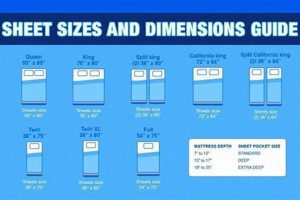
The dimension of a 6-inch bunk bed mattress is fundamentally related to its functionality and safety within the confines of a bunk bed frame. Standard bunk bed sizes, typically twin or full, dictate the required length and width. Mismatched dimensions present immediate usability problems. A mattress too large will not fit within the frame, rendering it unusable. Conversely, a mattress too small creates gaps, posing a safety hazard for occupants who could become entrapped or fall. Precise adherence to specified dimensions is therefore critical for proper and safe utilization.
Practical applications highlight the criticality of correct sizing. For example, a standard twin bunk bed typically requires a mattress measuring approximately 39 inches wide and 75 inches long. Deviations from these measurements, even by a few inches, can significantly compromise the fit and safety. Moreover, the weight distribution characteristics of the mattress are designed with specific dimensions in mind. An undersized mattress will not adequately distribute weight across the frame, potentially leading to structural instability over time. Retailers often provide detailed sizing charts to ensure consumers select a mattress that corresponds precisely to their bunk bed frame.
In summary, the size of a 6-inch bunk bed mattress is not merely a specification but a defining attribute that directly affects safety, functionality, and long-term durability. Challenges arise when standard dimensions are inconsistently applied or when consumers fail to verify compatibility with their existing bunk bed frames. Accurate measurement and strict adherence to dimensional requirements are essential for ensuring a safe and satisfactory bunk bed setup.
7. Compliance
Adherence to established standards and regulations is a critical aspect of 6-inch bunk bed mattresses. The limited profile of these mattresses necessitates specific compliance considerations to ensure safety, quality, and conformity to industry benchmarks.
- Flammability Standards Compliance
Federal regulations mandate that mattresses meet specific flammability standards to mitigate fire hazards. A 6-inch bunk bed mattress must undergo testing to demonstrate its resistance to ignition and flame propagation. Compliance with standards such as 16 CFR Part 1633 ensures that the mattress will not readily ignite and will self-extinguish within a defined timeframe. Failure to comply can result in product recalls and potential liability in the event of a fire-related incident. Reputable manufacturers will provide documentation or certifications confirming adherence to these regulations.
- Chemical Emissions Compliance
Mattresses may contain materials that emit volatile organic compounds (VOCs), which can pose health risks. Compliance with chemical emissions standards, such as CertiPUR-US, indicates that the mattress has been tested and certified to meet limits for VOC emissions. This certification assures consumers that the mattress does not contain harmful levels of chemicals that could cause respiratory irritation or other adverse health effects. Independent third-party testing is typically required to verify compliance with these standards.
- Safety Rail Height Compliance
The height of a 6-inch bunk bed mattress directly affects the efficacy of the bunk bed’s safety rails. Compliance with safety standards requires that the mattress, in conjunction with the bed frame, provides adequate guardrail height to prevent falls. Exceeding the recommended mattress height compromises the safety rail’s ability to protect the occupant. Manufacturers often specify the maximum allowable mattress thickness to ensure compliance with these standards. Adherence to these height restrictions is paramount for mitigating the risk of falls from the upper bunk.
- Weight Capacity Compliance
A 6-inch bunk bed mattress must be capable of supporting the intended weight without compromising its structural integrity. Compliance with weight capacity guidelines ensures that the mattress can withstand the forces exerted by the occupant without sagging or collapsing. Exceeding the recommended weight limit can lead to premature wear and tear, as well as potential safety hazards. Manufacturers typically provide weight capacity information to guide consumers in selecting an appropriately rated mattress. Rigorous testing is conducted to determine compliance with these weight-bearing requirements.
These compliance facets underscore the importance of selecting a 6-inch bunk bed mattress from a reputable manufacturer that adheres to industry standards and regulations. Verification of certifications and adherence to specified guidelines are essential for ensuring a safe and healthy sleep environment.
Frequently Asked Questions
The following section addresses common inquiries regarding sleeping surfaces for elevated beds, providing concise and authoritative answers to ensure informed decision-making.
Question 1: What is the primary benefit of a 6-inch bunk bed mattress?
The key advantage lies in its compatibility with bunk bed safety rail height restrictions. Its reduced profile allows for adequate guardrail protection, minimizing the risk of falls from the upper bunk.
Question 2: Are these mattresses suitable for adults?
Suitability for adults depends on weight and individual support needs. While some 6-inch mattresses are designed to accommodate adult weights, careful consideration of the mattress’s weight capacity and firmness is essential.
Question 3: How does material density impact performance?
Higher density materials, such as foam or innerspring coils, offer improved support, durability, and resistance to compression. Low-density materials are more prone to sagging and premature wear.
Question 4: What certifications should I look for?
Certifications such as CertiPUR-US indicate that the foam components have been tested for harmful chemicals and meet standards for emissions, content, and durability. Adherence to flammability standards is also critical.
Question 5: How can I extend the lifespan of this type of mattress?
Using a mattress protector, rotating the mattress regularly, and adhering to weight capacity guidelines can help prolong its lifespan and maintain its structural integrity.
Question 6: What are the typical construction methods used?
Typical construction methods include foam layering, innerspring coil systems, or a combination of both. High-density foam cores and strategically placed coils enhance support and comfort within the limited profile.
These frequently asked questions provide concise guidance on selecting and maintaining a 6-inch bunk bed mattress, emphasizing safety, support, and durability.
Further information will address specific maintenance procedures to extend the life of the 6-inch bunk bed mattress.
6 inch bunk bed mattress
This exploration has provided a comprehensive overview of the 6 inch bunk bed mattress, addressing its significance within the context of elevated bed systems. Emphasis has been placed on the critical factors of safety, support, materials, durability, size, and compliance. Understanding the interplay of these elements is essential for informed decision-making. The information presented clarifies the importance of adhering to safety guidelines, selecting appropriate materials, and ensuring the mattress meets established standards. The value of considering all variables cannot be overstated.
The diligent consideration of all factors is paramount for the selection of a sleeping surface that will promote safety and comfort while meeting spatial constraints. Responsible purchasers should prioritize the verified criteria for adequate performance, ensuring that safety will remain the most critical component. The commitment to safety remains a vital component.
![Best 5 Inch Memory Foam Mattress [Value Choice] | Organic & Natural Mattress Buyer’s Guide: Non-Toxic Sleep Solutions](https://mattressworldpa.com/wp-content/uploads/2025/07/th-3796-300x200.jpg "Best 5 Inch Memory Foam Mattress [Value Choice] Organic & Natural Mattress Buyer’s Guide: Non-Toxic Sleep Solutions")