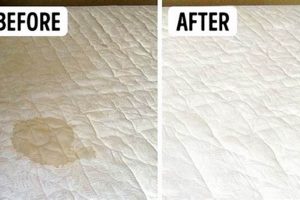
The removal of menstrual fluid stains from a mattress is a common domestic concern. Addressing such stains promptly and effectively can prevent permanent discoloration and maintain the hygiene of the sleeping surface.
Addressing this issue offers several benefits, including extending the lifespan of the mattress and preserving a clean and healthy sleep environment. Historically, various methods have been employed, ranging from simple water and soap solutions to more specialized cleaning agents, reflecting advancements in stain removal technology.
The following sections will detail various techniques and cleaning agents suitable for eliminating this type of stain from mattresses, providing a guide to achieve optimal results while minimizing potential damage to the material.
Effective Strategies for Mattress Stain Removal
The following strategies provide guidance on addressing menstrual fluid stains on mattresses, focusing on prompt action and appropriate cleaning techniques to maximize success.
Tip 1: Act Swiftly: Time is crucial. Fresh stains are significantly easier to remove than those that have dried and set into the mattress fibers. Attend to the stain as quickly as possible after it occurs.
Tip 2: Blot, Do Not Rub: Rubbing can spread the stain and push it deeper into the mattress. Use a clean cloth or paper towel to blot the affected area gently, absorbing as much liquid as possible.
Tip 3: Cold Water is Essential: Hot water can cause the blood to coagulate, making the stain more difficult to remove. Always use cold water when attempting to clean blood stains.
Tip 4: Hydrogen Peroxide Application: A 3% hydrogen peroxide solution can be effective. Apply a small amount to the stain, let it sit for a few minutes, and then blot with a clean cloth. Repeat as needed, but exercise caution as it can lighten the fabric.
Tip 5: Baking Soda Paste: Create a paste of baking soda and cold water. Apply the paste to the stain, let it dry completely, and then vacuum up the residue. Baking soda can help absorb the stain and deodorize the mattress.
Tip 6: Enzyme Cleaner Use: Enzyme cleaners are specifically designed to break down organic matter, including blood. Follow the product instructions carefully when applying to the stained area.
Tip 7: Salt and Water Solution: Create a paste of salt and cold water. Apply to the stain and allow to dry. The salt helps to draw out the blood. Vacuum away the dried salt.
Successful stain removal relies on prompt action and the appropriate selection and application of cleaning agents. Each method outlined above aims to lift the stain without causing further damage to the mattress material.
The subsequent sections will address preventative measures and professional cleaning options for persistent stains.
1. Promptness

The immediacy with which a menstrual fluid stain on a mattress is addressed significantly influences the ease and success of its removal. Delayed action allows the fluid to penetrate deeper into the mattress fibers, making subsequent cleaning efforts more challenging and potentially less effective.
- Reduced Stain Setting
Immediate attention prevents the blood from fully drying and bonding with the mattress fibers. Fresh blood is more easily dissolved and extracted, reducing the likelihood of a permanent stain. The longer the stain remains untreated, the stronger the bond becomes, necessitating more aggressive cleaning methods.
- Minimized Saturation
Prompt blotting limits the amount of fluid that soaks into the mattress. A smaller volume of blood means less overall area to clean and a reduced risk of the stain reaching lower layers of the mattress, which are more difficult to access. Delays allow the fluid to spread and penetrate further, complicating the cleaning process.
- Simplified Cleaning Process
Addressing the stain quickly often allows for the use of milder cleaning solutions and techniques. When the stain is fresh, a simple cold water and blotting method may suffice. In contrast, older, set-in stains typically require stronger cleaning agents, potentially damaging the mattress material. This also reduces the time needed.
- Prevention of Odor Development
Blood, when left untreated, can decompose and generate unpleasant odors. Prompt cleaning prevents this decomposition process, maintaining the freshness of the mattress. Lingering odors may require additional deodorizing treatments, adding complexity to the cleaning task. Regular airing of the mattress during and after the cleaning process can also help to eliminate odors.
The above points emphasize the integral role of promptness in effectively addressing menstrual fluid stains on mattresses. Addressing stains immediately minimizes the effort required, protects the mattress from lasting damage, and maintains a hygienic sleeping environment.
2. Cold Water

The application of cold water constitutes a critical step in the effective removal of menstrual fluid stains from a mattress. Its properties and interactions with blood components differ significantly from warm or hot water, influencing the success of stain removal efforts.
- Prevention of Coagulation
Hot water induces blood proteins to coagulate, causing them to bind more strongly to fabric fibers. This effect renders the stain more resistant to removal. Cold water, conversely, minimizes coagulation, allowing the blood to remain in a more soluble state. This facilitates easier lifting of the stain from the mattress material. The physical properties of cold water maintains the original condition of the blood for easy remove.
- Reduced Fiber Penetration
Higher temperatures can cause fibers to open up, allowing blood to penetrate deeper into the mattress. Cold water helps keep the fibers constricted, limiting the extent to which the blood can permeate the material. Less penetration results in a more superficial stain, simplifying the cleaning process. It’s also important to take note of fabric features.
- Effective Enzyme Activity
Many enzymatic cleaning agents, designed to break down organic matter, function optimally within a specific temperature range. Elevated temperatures can denature these enzymes, reducing their effectiveness. Cold water provides a more suitable environment for enzyme activity, enhancing their ability to digest blood proteins and facilitating stain removal. Enzymes need suitable condition for working.
- Preservation of Mattress Integrity
Excessive heat can damage certain mattress materials, particularly memory foam and latex. Cold water mitigates this risk, preserving the integrity of the mattress while addressing the stain. This helps ensure that the cleaning process does not compromise the structural or comfort properties of the mattress. It’s important to consider the impact on the mattress.
The careful use of cold water, based on its specific chemical and physical interactions with blood and mattress materials, significantly increases the likelihood of successfully removing menstrual fluid stains without causing lasting damage. These factors underscore the importance of adhering to cold water usage guidelines when addressing this type of stain.
3. Blotting Technique

The blotting technique, a fundamental method in stain removal, plays a critical role in addressing menstrual fluid stains on mattresses. Its application, executed correctly, minimizes stain penetration and facilitates effective extraction, significantly impacting the overall success of the cleaning process.
- Limiting Stain Spread
Blotting, as opposed to rubbing, prevents the dispersion of the stain across a larger area of the mattress. Rubbing forces the fluid into the fibers, expanding the stain and making it more challenging to remove completely. Blotting, with a clean cloth, absorbs the fluid directly, confining the stain to its original location.
- Preventing Fiber Damage
Aggressive rubbing can distort and damage the mattress fibers, particularly in delicate materials like memory foam or certain types of woven fabrics. Blotting, a gentle pressing motion, minimizes the risk of such damage. This approach preserves the structural integrity of the mattress while effectively lifting the stain.
- Facilitating Solution Penetration
By blotting, cleaning solutions are applied directly to the stained area, allowing them to penetrate the affected fibers. This direct application enhances the solution’s ability to break down the stain effectively. Rubbing can dilute the solution, reducing its concentration and impact.
- Optimizing Fluid Absorption
The use of a clean, absorbent cloth in the blotting technique ensures maximum fluid uptake. Fresh portions of the cloth should be used to avoid re-depositing the stain back onto the mattress. This methodical approach progressively lifts the stain, preventing it from re-soaking into the fibers.
The described facets demonstrate the critical contribution of proper blotting to successful stain removal from mattresses. This technique, when executed with precision, minimizes stain spread, prevents fiber damage, facilitates solution penetration, and optimizes fluid absorption, collectively enhancing the effectiveness of cleaning efforts.
4. Cleaning Agents
The selection and application of cleaning agents are pivotal in effectively addressing menstrual fluid stains on mattresses. The nature of these stainsorganic in origin and prone to settingnecessitates specific chemical properties in the chosen cleaning solution to ensure successful removal without causing material damage.
- Enzymatic Cleaners
Enzymatic cleaners contain enzymes that break down proteins, the primary component of blood. These cleaners target the stain at a molecular level, digesting the blood proteins and facilitating their removal from the mattress fibers. Their effectiveness is heightened in cold water, as heat can denature the enzymes, rendering them less potent. Example: Using an enzymatic cleaner designed for pet stains (often effective on blood) requires careful adherence to product instructions regarding dilution and dwell time. This prevents oversaturation and potential damage to mattress materials. The implication for stain removal is a thorough breakdown of the organic components of the blood, leading to cleaner results and reduced odor.
- Hydrogen Peroxide (3%)
A mild bleaching agent, hydrogen peroxide (3% solution) can effectively lift blood stains through oxidation. It reacts with the stain molecules, breaking them down into smaller, less visible compounds. However, caution is warranted, as hydrogen peroxide can also lighten or discolor certain fabrics. A spot test in an inconspicuous area is recommended prior to widespread application. Example: Applying hydrogen peroxide directly to a blood stain will cause bubbling as it reacts with the blood. This bubbling action helps lift the stain from the fibers. Its implication is effective stain removal, but potential for discoloration necessitates careful and controlled application.
- Baking Soda Paste
A paste of baking soda and water creates an alkaline environment that can help lift stains and deodorize the mattress. Baking soda acts as a mild abrasive and absorbent, drawing the stain out of the mattress fibers. This method is particularly effective for older, set-in stains, but requires sufficient dwell time for optimal results. Example: Applying a thick paste of baking soda to a dried blood stain, covering with plastic wrap, and allowing it to sit overnight. Vacuuming the dried paste the following day. This illustrates the absorbent and deodorizing properties of baking soda, leading to diminished stains and a fresher mattress.
- Vinegar Solution
White vinegar, a mild acid, can help break down the components of blood and loosen its bond with mattress fibers. A diluted vinegar solution can be sprayed onto the stain and blotted away, repeating as needed. Vinegar also possesses deodorizing properties, helping to neutralize any lingering odors associated with the stain. Example: Diluting white vinegar with equal parts water and spraying it onto a fresh blood stain. Blotting with a clean cloth and repeating the process until the stain is no longer visible. This demonstrates the stain-lifting and deodorizing capabilities of vinegar, providing a simple, readily available solution.
The strategic selection of cleaning agents directly correlates with the success of removing menstrual fluid stains from mattresses. Consideration must be given to the stain’s age, the mattress material, and the potential side effects of each cleaning agent to achieve optimal results without causing damage. The examples provided illustrate the practical application and implications of each agent, underscoring the importance of informed decision-making in stain removal procedures.
5. Material Sensitivity

Mattress composition dictates the appropriate stain removal methods. Various materials react differently to cleaning agents and techniques, impacting both the effectiveness of stain removal and the potential for material damage. Disregarding material sensitivity may result in irreversible harm to the mattress, undermining its structural integrity and aesthetic appeal. For example, aggressive scrubbing or the use of harsh chemicals on memory foam can degrade its cellular structure, compromising its support and comfort properties. Similarly, applying bleach to a colored mattress fabric can cause discoloration, permanently altering its appearance. The selection of cleaning methods and products should be guided by a thorough understanding of the mattress material.
Considerations for material sensitivity extend to the application technique. The amount of moisture introduced during cleaning should be carefully controlled, particularly for mattresses with poor ventilation or moisture-retentive fillings. Excessive wetness can promote mold growth, leading to health hazards and material degradation. A blotting technique, using minimal moisture and avoiding harsh chemicals, is generally safer than methods involving saturation or abrasive cleaning. Similarly, testing any cleaning solution on an inconspicuous area of the mattress, such as beneath a corner, is crucial to assess its compatibility with the material and prevent widespread damage.
In summary, awareness of material sensitivity is paramount when addressing menstrual fluid stains on mattresses. The composition of the mattress directly influences the choice of cleaning agents and techniques, determining both the success of stain removal and the preservation of the mattress’s integrity. Neglecting this factor risks causing irreversible damage, underscoring the need for informed decision-making and cautious application when attempting to remove stains from different mattress types.
6. Complete Drying

Complete drying represents a critical, yet often overlooked, stage in the process of removing menstrual fluid stains from mattresses. Improper drying fosters conditions conducive to microbial growth and can compromise mattress integrity, negating the benefits of even the most meticulous cleaning efforts.
- Prevention of Mold and Mildew
Residual moisture within the mattress provides an ideal breeding ground for mold and mildew. These organisms thrive in damp, dark environments, leading to unpleasant odors, discoloration, and potential health hazards. The implications for mattress hygiene are significant, rendering it unsuitable for sleep and potentially necessitating replacement. Airflow and dehumidification accelerate the drying process, inhibiting microbial proliferation. For example, positioning the mattress in direct sunlight or using a fan to circulate air facilitates moisture evaporation, mitigating the risk of mold and mildew formation. The implications for stain removal is by preventing mold and mildew growth.
- Odor Control
Lingering dampness can reactivate residual stain components, resulting in persistent and unpleasant odors. Incomplete drying traps moisture, allowing odor-causing molecules to remain embedded within the mattress fibers. Thorough drying eliminates the damp environment that supports odor generation, ensuring a fresh and sanitary sleeping surface. Example: A mattress that is only superficially dried may emit a musty odor several days after cleaning, indicating underlying dampness. The implementation of a dehumidifier or prolonged airing can eliminate this residual moisture, resolving the odor issue. It helps to control odor.
- Maintenance of Mattress Integrity
Prolonged exposure to moisture can weaken mattress materials, particularly foam and fiber fillings. This can lead to sagging, uneven support, and a reduced lifespan for the mattress. Complete drying preserves the structural integrity of the mattress, maintaining its shape, firmness, and overall comfort. Example: A memory foam mattress left damp after cleaning may exhibit localized compression or deformation in the affected area. Proper drying, facilitated by adequate ventilation, ensures that the foam retains its elastic properties and provides consistent support. It helps to prevent from bad effect to mattress structure.
- Prevention of Stain Re-emergence
In some cases, residual stain components may remain trapped within the mattress even after cleaning. Dampness can draw these components to the surface, causing the stain to reappear. Complete drying ensures that any remaining stain residue is thoroughly locked within the fibers, preventing its migration and re-emergence. Example: A faint stain that seems to have disappeared after cleaning may resurface several days later if the mattress is not completely dry. Continued drying efforts, such as using a low-heat hairdryer or placing the mattress in a sunny location, can effectively prevent this recurrence.
The connection between complete drying and effective mattress stain removal is undeniable. Adequate moisture removal following cleaning is not merely an afterthought, but an essential step in preserving mattress hygiene, preventing microbial growth, controlling odors, maintaining structural integrity, and preventing stain re-emergence. These facets underscore the importance of prioritizing thorough drying as an integral part of any stain removal strategy.
Frequently Asked Questions
The following questions and answers address common concerns and misconceptions regarding the removal of menstrual fluid stains from mattresses, providing practical guidance for effective stain management.
Question 1: Is it possible to completely remove period blood stains from a mattress?
Complete removal is often achievable, particularly with prompt action and appropriate cleaning techniques. However, the success depends on the stain’s age, the mattress material, and the cleaning methods employed. Older, set-in stains may prove more challenging to eliminate entirely.
Question 2: Will using hot water improve the stain removal process?
Hot water is generally discouraged, as it can cause blood proteins to coagulate and bind more strongly to the mattress fibers. This makes the stain more difficult to remove. Cold water is recommended to prevent coagulation and facilitate stain lifting.
Question 3: Are commercial stain removers safe for all mattress types?
Not all commercial stain removers are suitable for every mattress material. Some products may contain harsh chemicals that can damage or discolor certain fabrics, particularly memory foam and latex. A spot test in an inconspicuous area is advised to assess compatibility before widespread application.
Question 4: How can the formation of mold and mildew be prevented after cleaning a mattress?
Complete drying is essential to prevent mold and mildew growth. This can be achieved through adequate ventilation, the use of fans or dehumidifiers, and exposure to sunlight (if appropriate for the mattress material). Ensuring the mattress is thoroughly dry eliminates the moist environment conducive to microbial proliferation.
Question 5: What is the best way to address lingering odors after removing the stain?
Baking soda is an effective deodorizer. Sprinkling baking soda over the affected area, allowing it to sit for several hours or overnight, and then vacuuming it away can help neutralize lingering odors. Airing the mattress can further enhance odor removal.
Question 6: When is it necessary to seek professional mattress cleaning services?
Professional cleaning services are recommended for persistent, large, or deeply set stains that resist removal with standard household methods. Professionals possess specialized equipment and cleaning agents that can address stubborn stains without causing damage to the mattress.
Effective mattress stain management hinges on prompt action, appropriate cleaning techniques, and a thorough understanding of mattress materials. While many stains can be addressed with household remedies, professional intervention may be necessary for more challenging cases.
The following section will provide preventative measures that can be implemented to protect mattresses from future staining incidents.
Conclusion
This exploration of how to get period blood out of a mattress has underscored the significance of prompt action, appropriate cleaning agents, and diligent execution. Successful stain removal hinges on understanding the composition of both the stain and the mattress material, thereby ensuring the selected methods are both effective and safe. From enzymatic cleaners to blotting techniques, each element contributes to the overall outcome.
Ultimately, maintaining a clean and hygienic sleep environment demands vigilance and informed action. While these guidelines provide a framework for addressing such challenges, the continued exploration and application of preventative measures remain paramount in safeguarding mattress longevity and promoting restful sleep.