A support structure designed specifically for a twin extra-long mattress, typically measuring 39 inches wide by 80 inches long, provides a stable and level surface upon which the mattress rests. These foundations often consist of a wooden or metal frame, sometimes incorporating slats or a solid surface, and are engineered to properly distribute weight and prevent mattress sagging. An example would be a college dorm room bed frame designed to accommodate the longer length of a twin XL mattress.
Proper support extends the lifespan of a mattress and enhances sleep quality by maintaining its structural integrity and preventing uneven wear. The use of such a foundation is particularly crucial in environments where maximizing space and ensuring adequate support for taller individuals are essential. Historically, these foundations evolved alongside mattress technology, adapting to changing size standards and evolving material sciences to optimize comfort and durability.
This exploration will delve into the various types of bed supports available, their construction materials, and the key factors to consider when selecting a suitable option to ensure both mattress longevity and restful sleep. It will also cover common maintenance practices and address frequently asked questions regarding compatibility and performance.
Essential Considerations for Twin XL Mattress Support
Selecting the appropriate base for a twin extra-long mattress is a crucial decision affecting both sleep quality and mattress longevity. Prioritize these key factors to ensure optimal support and performance.
Tip 1: Assess Weight Capacity. Determine the combined weight of the mattress and its intended user. Choose a foundation with a weight capacity exceeding this figure to prevent premature sagging or structural failure. Consult the manufacturer’s specifications for accurate figures.
Tip 2: Verify Frame Compatibility. Ensure the bed frame accommodates the dimensions of a twin XL mattress foundation. Incompatible sizes can lead to instability and potential damage to both the foundation and the mattress. Measure carefully before purchase.
Tip 3: Evaluate Slat Spacing. For slatted foundations, minimize the gaps between slats. Excessive spacing can allow the mattress to sag between the slats, compromising support and comfort. A spacing of no more than three inches is generally recommended.
Tip 4: Consider Foundation Height. Foundation height affects the overall bed height. Account for personal preference and any mobility considerations when selecting a foundation with a specific height. Taller foundations can provide additional under-bed storage space.
Tip 5: Inspect Material Quality. Durable materials, such as solid wood or reinforced steel, contribute to the longevity of the foundation. Avoid flimsy or lightweight materials, which may not provide adequate support over time.
Tip 6: Review Warranty Information. A comprehensive warranty indicates the manufacturer’s confidence in the product’s durability. Examine the warranty terms carefully, noting the coverage period and any exclusions.
Tip 7: Prioritize Breathability. Foundations that allow for airflow beneath the mattress can help regulate temperature and prevent moisture buildup. This is particularly important for individuals prone to sleeping hot.
Selecting a suitable foundation involves careful consideration of these factors. Prioritizing weight capacity, compatibility, and material quality ensures long-term support and maximizes the lifespan of the mattress.
The following sections will delve into specific foundation types, their respective advantages and disadvantages, and provide further guidance on selecting the ideal option for individual needs.
1. Dimensional Accuracy
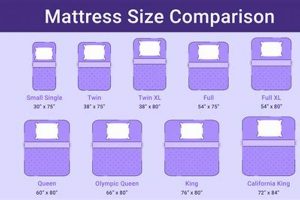
Dimensional accuracy, regarding a twin XL mattress foundation, refers to the degree to which the physical dimensions of the foundation conform to established standards for a twin extra-long mattress. Deviations from these standards, even seemingly minor ones, can have cascading effects on both the mattress itself and the overall sleeping experience. A foundation that is too small will fail to adequately support the mattress edges, leading to premature sagging and a reduction in usable sleeping surface. Conversely, a foundation that is too large may allow the mattress to shift and slide, creating instability and potential discomfort. For example, a foundation that is even half an inch shorter than the standard 80-inch length can create a noticeable dip at the foot of the bed, compromising spinal alignment during sleep.
The importance of dimensional accuracy extends beyond mere comfort. An improperly sized foundation can void mattress warranties, as manufacturers often stipulate specific foundation requirements for valid claims. Furthermore, a mismatch in dimensions can place undue stress on the mattress, accelerating the breakdown of internal components and reducing its lifespan. Consider a situation where a college student purchases a used foundation of unspecified dimensions. If the foundation is slightly undersized, it may cause the mattress to compress unevenly over time, leading to localized areas of wear and tear. The financial implications of replacing a prematurely worn mattress due to an ill-fitting foundation can be significant.
In summary, dimensional accuracy is not merely a technical detail but a critical component of a functional and long-lasting twin XL mattress setup. Ensuring that the foundation conforms precisely to the standardized dimensions minimizes the risk of mattress damage, optimizes sleep quality, and protects the consumer’s investment. The potential challenges associated with dimensional inaccuracies underscore the importance of careful measurement and diligent product selection.
2. Structural Integrity

Structural integrity, in the context of a twin XL mattress foundation, denotes the foundation’s capacity to withstand applied loads and maintain its intended shape and functionality over an extended period. It is a critical determinant of both the mattress’s performance and the overall longevity of the sleep system.
- Frame Rigidity
Frame rigidity refers to the resistance of the perimeter structure to bending or deformation under load. A rigid frame, typically constructed from steel or solid wood, prevents sagging and ensures even weight distribution across the mattress. In a college dormitory, where beds may be subjected to frequent movement and varying occupant weights, a structurally deficient frame can lead to premature mattress wear and potential foundation failure.
- Slat Support
The quantity, spacing, and material composition of slats significantly contribute to structural integrity. Closely spaced, robust slats provide consistent support, preventing mattress indentation and maintaining proper spinal alignment. Consider a scenario where slats are inadequately spaced or made of low-quality wood. This can result in uneven support, leading to discomfort and potential back pain for the user. Uniform distribution of slats along the width is crucial.
- Joint Stability
Joints, where different components of the foundation connect, are potential points of weakness. Securely fastened and reinforced joints ensure the foundation remains stable and does not wobble or creak. Over time, poorly constructed joints can loosen or break, compromising the structural integrity of the entire system. The integrity of the joints also determine the noise level the bed produces.
- Material Durability
The inherent durability of the materials used in the foundation’s construction directly impacts its ability to withstand long-term use. High-quality wood, steel, or composite materials are less susceptible to warping, cracking, or corrosion. In environments with high humidity, such as coastal regions, material durability is especially important to prevent moisture-related damage to the foundation.
These facets of structural integrity collectively determine the ability of the twin XL mattress foundation to provide consistent, reliable support. A structurally sound foundation not only enhances sleep quality but also protects the investment in the mattress by preventing premature wear and tear. Attention to these factors is crucial when selecting a foundation to ensure long-term performance and value.
3. Material Composition

The material composition of a twin XL mattress foundation profoundly influences its performance, durability, and overall suitability for supporting a mattress and its occupant. The selection of materials directly affects the foundation’s structural integrity, weight capacity, and resistance to wear and tear. The following examines key facets of material composition and their respective implications.
- Wood Framework
Many twin XL mattress foundations utilize a wood framework, typically constructed from solid hardwoods, engineered wood (such as plywood or MDF), or a combination of both. Solid hardwoods, like oak or maple, offer superior strength and stability, contributing to long-term support. Engineered wood provides a more cost-effective alternative, but its durability depends on the quality of the adhesive and the density of the wood fibers. For example, a foundation with a solid hardwood frame is more likely to withstand the stresses of frequent movement in a college dorm compared to one made entirely of low-density MDF. The type of wood also affects the overall weight capacity.
- Steel Components
Steel components, often incorporated in the form of a metal frame or support slats, enhance the foundation’s structural integrity and weight-bearing capacity. Steel provides exceptional resistance to bending and deformation, ensuring consistent support across the mattress surface. A steel-reinforced foundation is particularly beneficial for heavier individuals or those who prefer a firmer sleeping surface. For instance, a foundation with steel slats is less prone to sagging compared to one with solely wooden slats, particularly when subjected to prolonged pressure.
- Upholstery Materials
Upholstery materials, such as fabric coverings, serve both aesthetic and functional purposes. They protect the internal components of the foundation, prevent mattress slippage, and contribute to overall bed aesthetics. Durable fabrics, like polyester or cotton blends, resist tearing and staining, ensuring the foundation maintains its appearance over time. In contrast, delicate or loosely woven fabrics may be more susceptible to damage and require frequent cleaning. The flammability resistance of the upholstery material is also a safety consideration, particularly in institutional settings like dormitories.
- Joint Hardware
The hardware used to connect the various components of the foundation plays a critical role in its overall stability. High-quality screws, bolts, and brackets ensure secure connections and prevent loosening or wobbling over time. Conversely, inexpensive or poorly designed hardware can compromise the foundation’s structural integrity, leading to instability and premature failure. For example, foundations assembled with self-tapping screws may be more prone to loosening compared to those using threaded bolts and locking nuts. The metal of the hardware will also affect the price of the overall foundation.
In conclusion, the material composition of a twin XL mattress foundation is a multifaceted consideration impacting its performance, durability, and suitability for specific needs. Careful evaluation of the framework, support system, upholstery, and hardware materials is essential to select a foundation that provides long-lasting support and enhances sleep quality. For instance, a combination of a hardwood frame, steel slats, and durable upholstery represents a robust and reliable construction, ideal for demanding environments like college dorms or guest rooms.
4. Support Distribution
Support distribution, within the context of a twin XL mattress foundation, refers to the consistency and evenness with which the foundation supports the mattress across its entire surface area. It is a critical performance characteristic that directly influences mattress longevity, sleep comfort, and overall postural health. Uneven support distribution causes localized stress on the mattress, leading to premature sagging and uneven wear. This, in turn, compromises the mattress’s ability to provide proper spinal alignment, potentially resulting in discomfort and musculoskeletal issues. For instance, a twin XL foundation with widely spaced or inadequately sized slats will exhibit poor support distribution, concentrating pressure on areas directly above the slats while leaving other sections unsupported. This localized compression can lead to permanent indentations in the mattress and reduce its lifespan.
The importance of even support distribution becomes particularly evident when considering the specific needs of individuals using a twin XL mattress. College students, for example, often subject their mattresses to varying loads and usage patterns, including sitting on the edge of the bed for extended periods or placing heavy textbooks in specific areas. A foundation with uniform support distribution is better equipped to withstand these uneven loads without compromising the mattress’s structural integrity. Furthermore, individuals with pre-existing back pain or other musculoskeletal conditions require a foundation that provides consistent support to maintain proper spinal alignment throughout the night. Foundations lacking adequate support distribution may exacerbate these conditions, leading to increased discomfort and disrupted sleep. For example, the absence of sufficient center support in a foundation can cause the mattress to bow in the middle, creating an unnatural curvature of the spine.
In summary, adequate support distribution is not merely a desirable attribute of a twin XL mattress foundation but a fundamental requirement for ensuring mattress longevity, optimizing sleep comfort, and promoting postural health. The ability of the foundation to evenly distribute weight across the mattress surface minimizes localized stress, prevents premature wear, and maintains proper spinal alignment. Understanding the practical significance of support distribution empowers consumers to make informed purchasing decisions, selecting foundations that provide optimal performance and contribute to a restful and healthy sleep experience. The absence of proper distribution can lead to practical problems as well.
5. Frame Compatibility

Frame compatibility, in relation to a twin XL mattress foundation, denotes the degree to which the foundation’s dimensions and structural design align with the bed frame intended to support it. The proper alignment of these two elements is essential for ensuring stability, preventing damage to both the foundation and the mattress, and providing optimal sleep support. Incompatibility can lead to a range of issues, including instability, uneven weight distribution, and premature wear.
- Dimensional Matching
Precise dimensional matching is paramount. A twin XL mattress foundation, nominally 39 inches wide by 80 inches long, must fit snugly within the bed frame. Gaps or overlaps can cause the foundation to shift, leading to instability and uneven support. Consider a scenario where a foundation is slightly too narrow for the frame. This will leave exposed edges, potentially causing the mattress to overhang and sag over time. The accuracy of the frame’s internal dimensions is critical to overall function.
- Support Structure Alignment
The support structure of the bed frame, such as slats or a solid platform, must align with the foundation’s design. Slats must be spaced appropriately to provide adequate support and prevent the foundation from sagging between them. If the frame’s support system is inadequate or incompatible with the foundation’s design, the mattress will not receive consistent support, leading to discomfort and reduced lifespan. The materials used in the frame affect the bed’s alignment.
- Attachment Mechanisms
Some bed frames incorporate attachment mechanisms, such as brackets or recessed ledges, designed to secure the foundation and prevent it from shifting. When these mechanisms are present, the foundation must be compatible with them. Failure to properly secure the foundation can result in instability and potential hazards. An example is a platform bed designed with a specific lip to hold the foundation in place; using a foundation that lacks the corresponding features will compromise the system’s stability. This can cause long-term damage to the mattress.
- Weight Distribution Considerations
The bed frame’s design must be capable of distributing the combined weight of the foundation, the mattress, and its occupants. Inadequate weight distribution can cause the frame to buckle or break, compromising the entire sleep system. For instance, a lightweight metal frame may not be suitable for supporting a heavy mattress and a foundation designed for substantial weight. Uneven weight distribution can be caused by the frame.
These facets highlight the interconnected nature of frame compatibility and its impact on the performance of a twin XL mattress foundation. Proper alignment of dimensions, support structures, attachment mechanisms, and weight distribution ensures stability, prevents damage, and optimizes the overall sleeping experience. Incompatibilities in any of these areas can lead to functional and structural issues, underscoring the importance of careful assessment and selection when choosing a bed frame and foundation combination.
Frequently Asked Questions
The following addresses common inquiries regarding twin XL mattress foundations, providing factual information to assist in making informed decisions.
Question 1: What distinguishes a twin XL mattress foundation from a standard twin foundation?
The primary difference lies in length. A twin XL mattress foundation is longer (approximately 80 inches) than a standard twin (approximately 75 inches), accommodating taller individuals and fitting twin XL mattresses commonly found in college dormitories. A standard twin foundation will not properly support a twin XL mattress.
Question 2: Can a box spring be used in place of a specifically designed twin XL mattress foundation?
While a box spring can provide support, a dedicated twin XL mattress foundation is often engineered for enhanced durability and weight distribution. Modern foundations may incorporate features not found in traditional box springs, such as solid or slatted platforms for better mattress support. Ensure the box spring is specifically twin XL size.
Question 3: How does the type of material used in a twin XL mattress foundation impact its performance?
Material composition directly affects durability and support. Solid wood or steel frameworks offer greater stability and longevity compared to lower-density materials. The chosen material should withstand the combined weight of the mattress and occupant without sagging or deforming. For example, low-quality wood is prone to warping.
Question 4: What factors should be considered when selecting a twin XL mattress foundation for a heavy individual?
Weight capacity is paramount. Consult the manufacturer’s specifications to ensure the foundation can safely support the combined weight of the mattress and the individual. Look for reinforced construction and robust materials known for their load-bearing capabilities. Steel frames offer better support than wood frames.
Question 5: Are there specific maintenance requirements for a twin XL mattress foundation?
Regular inspection for loose components or signs of damage is recommended. Tighten any loose screws or bolts. Avoid placing excessive weight or pressure on any single area of the foundation. Periodic vacuuming can help remove dust and debris. Ensure the foundation is level to avoid uneven pressure.
Question 6: Will using an incompatible foundation void the warranty of a twin XL mattress?
Potentially, yes. Many mattress manufacturers stipulate specific foundation requirements in their warranty terms. Using an undersized, improperly constructed, or otherwise incompatible foundation can void the warranty, particularly if the mattress exhibits sagging or damage attributable to inadequate support. Review the mattress warranty for specific requirements.
Proper selection and maintenance of a twin XL mattress foundation are crucial for mattress longevity and optimal sleep quality. Failure to adhere to manufacturer guidelines can result in premature wear and voided warranties.
The following section will delve into potential issues and troubleshooting tips for common foundation-related problems.
Conclusion
This exposition has comprehensively addressed the selection, maintenance, and critical performance attributes of a twin XL mattress foundation. Salient points include the necessity of dimensional accuracy, structural integrity, appropriate material selection, effective support distribution, and ensured frame compatibility. Deviation from these standards precipitates diminished sleep quality, accelerated mattress degradation, and potential warranty invalidation.
The informed and judicious selection of a twin XL mattress foundation represents a pivotal investment in prolonged mattress lifespan and optimized sleep architecture. Continued adherence to recommended maintenance protocols further safeguards this investment, ensuring sustained performance and demonstrable value over time. Neglecting these considerations carries tangible ramifications for both physical well-being and economic prudence.
![Best Firm Mattress Twin XL [For Support & Comfort] | Organic & Natural Mattress Buyer’s Guide: Non-Toxic Sleep Solutions](https://mattressworldpa.com/wp-content/uploads/2025/07/th-916-300x200.jpg "Best Firm Mattress Twin XL [For Support & Comfort] Organic & Natural Mattress Buyer’s Guide: Non-Toxic Sleep Solutions")