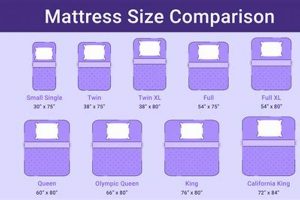
Full extra-long mattress covers are specifically designed textile coverings for beds that measure approximately 54 inches wide and 80 inches long. These coverings typically consist of a fitted sheet, a flat sheet, and one or two pillowcases, depending on the set. They are utilized to protect the mattress, provide a comfortable sleeping surface, and enhance the overall aesthetics of the bed.
The importance of using appropriately sized bed linens lies in ensuring a proper fit that prevents the sheets from slipping off during sleep. This contributes to a more restful night and reduces wear and tear on both the mattress and the linens themselves. Historically, bedding has evolved from simple coverings to sophisticated textiles designed for comfort, hygiene, and aesthetic appeal. The advent of specialized sizes, like full extra-long, addresses the needs of individuals with specific mattress dimensions.
The following sections will delve into the various material options, thread counts, and care instructions for these specialized bed linens, offering guidance on selecting the optimal set for individual needs and preferences. Considerations regarding budget, durability, and hypoallergenic properties will also be discussed.
Selecting Optimal Bed Linens for Full Extra-Long Mattresses
This section outlines essential considerations for choosing the most suitable bed linens for mattresses measuring 54 inches by 80 inches.
Tip 1: Measure the Mattress Depth: Before purchasing, accurately measure the mattress depth. Fitted sheets are designed to accommodate varying mattress thicknesses, and selecting the correct pocket depth ensures a secure fit and prevents the sheet from popping off.
Tip 2: Prioritize Material Selection: Material choice significantly impacts comfort and durability. Cotton offers breathability and affordability, while linen provides enhanced coolness and longevity. Microfiber is a cost-effective and wrinkle-resistant option, while silk offers a luxurious feel and natural temperature regulation.
Tip 3: Consider Thread Count: Thread count, while important, is not the sole determinant of quality. A thread count between 300 and 500 typically indicates a balance of softness and durability. Higher thread counts do not always equate to superior quality, as the type of fiber and weaving technique also play crucial roles.
Tip 4: Evaluate Weave Type: Different weave types offer distinct characteristics. Percale provides a crisp and cool feel, while sateen offers a silky and smooth texture. Twill weaves are known for their durability and resistance to wrinkles.
Tip 5: Check for Reinforcement Stitching: Inspect the seams for reinforced stitching. Strong seams enhance the longevity of the linens, preventing fraying and tearing, particularly after repeated washing.
Tip 6: Assess Elastic Quality: The elastic in the fitted sheet is critical for a secure fit. Ensure the elastic is robust and evenly distributed to prevent slippage. Full elastic bands are generally more durable than corner elastic.
Tip 7: Research Hypoallergenic Properties: For individuals with sensitivities, prioritize linens labeled as hypoallergenic. These are typically made from materials that resist dust mites and allergens, promoting a healthier sleep environment.
Selecting appropriate bed linens requires careful consideration of material, construction, and size. By prioritizing these factors, individuals can ensure a comfortable and durable sleeping surface.
The next section will address the proper care and maintenance of full extra-long mattress linens, extending their lifespan and preserving their quality.
1. Precise Fit
Achieving a precise fit is paramount when selecting bed linens for mattresses that measure 54 inches wide and 80 inches long. Ill-fitting sheets not only compromise comfort but also impact the longevity of both the linens and the mattress itself.
- Ensuring Dimensional Accuracy
Dimensional accuracy is the foundation of a precise fit. This involves verifying that the listed measurements of the linens correspond precisely to the dimensions of the mattress. Deviations, even minor ones, can result in sheets that are either too tight, causing undue stress on the fabric, or too loose, leading to slippage during sleep. The specification of 54″ x 80″ must be meticulously adhered to.
- Accounting for Mattress Depth
Mattress depth, or thickness, plays a crucial role in determining the appropriate pocket depth of fitted sheets. A shallow pocket on a deep mattress will result in the sheet continuously pulling off, while an excessively deep pocket on a thinner mattress can create bunching and discomfort. Measuring mattress depth and selecting sheets with a compatible pocket depth is essential for achieving a snug and secure fit.
- Elasticity and Corner Construction
The quality of the elastic and the corner construction of fitted sheets directly impact their ability to maintain a precise fit over time. Robust elastic, ideally encircling the entire perimeter of the sheet, provides consistent tension and prevents the sheet from becoming loose after repeated use and washing. Reinforced corners also contribute to durability and prevent tearing, ensuring that the sheet maintains its shape and fit.
- Impact on Sleep Quality and Mattress Protection
A precise fit directly contributes to enhanced sleep quality. Sheets that remain securely in place eliminate the discomfort and disruption caused by constant readjustment. Furthermore, a properly fitted sheet acts as a barrier against dust, allergens, and spills, protecting the mattress and prolonging its lifespan. A loose or improperly fitted sheet cannot provide adequate protection.
The multifaceted aspects of achieving a precise fit collectively contribute to a superior sleep experience and enhanced mattress protection. Neglecting any of these factors can compromise the overall performance and longevity of the linens, ultimately impacting comfort and hygiene.
2. Material Composition

The material composition of bed linens designed for mattresses measuring 54 inches by 80 inches significantly influences their performance, durability, and suitability for individual needs. The selection of fibers directly impacts breathability, moisture management, and temperature regulation, all of which are critical for a comfortable sleep environment. For example, 100% cotton sheets, a common choice, offer good breathability but may wrinkle easily and lack the inherent temperature regulation properties of materials like linen. Microfiber sheets, often made from polyester, are more wrinkle-resistant and affordable but may not be as breathable as natural fibers. Consequently, the material dictates the overall user experience.
Considerations regarding hypoallergenic properties are also intrinsically linked to material composition. Individuals with allergies or sensitivities often benefit from using bed linens made from materials like bamboo or Tencel, which are naturally resistant to dust mites and other allergens. Conversely, synthetic materials may harbor allergens or release volatile organic compounds (VOCs), potentially exacerbating respiratory issues. The choice of material, therefore, directly affects the health and well-being of the user. Furthermore, the weave of the fabric, such as percale or sateen, further refines the characteristics of each material, influencing its texture and drape. Percale, for instance, provides a crisp and cool feel, while sateen offers a smoother, silkier touch.
In summary, the material composition of bed linens for 54″ x 80″ mattresses is not merely a superficial attribute but rather a critical determinant of comfort, durability, and health impact. Careful consideration of fiber type, weave, and hypoallergenic properties is essential for selecting linens that meet individual needs and preferences. Challenges lie in navigating the diverse array of materials and understanding their specific characteristics to make informed purchasing decisions, ultimately ensuring a restful and healthy sleep environment.
3. Thread Count
Thread count is frequently cited as an indicator of quality and comfort in bed linens, including those designed for full extra-long mattresses. While it can offer some insight, it is essential to understand its limitations and context within the broader spectrum of factors influencing textile quality.
- Definition and Measurement
Thread count refers to the number of horizontal (weft) and vertical (warp) threads woven into one square inch of fabric. A higher thread count often suggests a tighter weave, which can contribute to a smoother and more durable fabric. However, this measurement alone does not guarantee superior quality, as the type of fiber and weaving technique also play significant roles. For instance, a 300 thread count sheet made from long-staple cotton may be more comfortable and durable than a 500 thread count sheet made from short-staple cotton.
- Impact on Softness and Feel
Generally, higher thread counts tend to result in a softer and smoother feel against the skin. This is because more threads per square inch create a denser surface. However, excessive thread counts achieved through techniques like using multi-ply yarns (where multiple fibers are twisted together to create a single thread) can be misleading. While they inflate the thread count number, they may not necessarily translate to improved softness or durability. The type of weave, such as percale or sateen, also contributes significantly to the overall feel of the fabric.
- Relationship to Durability
While a higher thread count can indicate increased durability, it is not the sole determinant. The quality of the fibers used and the strength of the weave are equally important. High thread count sheets made from weaker fibers may be more prone to tearing or pilling compared to lower thread count sheets made from stronger fibers. Reinforcement stitching at the seams and edges also contributes significantly to the overall durability of the bed linens.
- Considerations for Full XL Mattress Sheets
When selecting bed linens for a full extra-long mattress, thread count should be considered in conjunction with other factors like material and weave. A thread count in the range of 300-500, combined with high-quality cotton or linen, typically provides a good balance of comfort, durability, and breathability. It’s crucial to read product reviews and consider the manufacturer’s reputation to gauge the actual quality of the sheets beyond just the thread count number. Prioritizing high-quality materials and construction techniques over solely relying on a high thread count ensures a more satisfying and long-lasting purchase.
Therefore, thread count, when viewed in isolation, is an incomplete metric. The context of fiber quality, weave type, and overall construction is critical when assessing the suitability of bed linens for a full extra-long mattress. Emphasizing holistic evaluation ensures informed purchasing decisions.
4. Pocket Depth
Pocket depth, a critical specification in bed linen manufacturing, refers to the measurement of the fitted sheet’s side panel, determining its capacity to accommodate varying mattress thicknesses. Its relevance is amplified when considering full extra-long mattress sets due to the diverse range of mattress depths available in this size category.
- Accommodation of Mattress Variability
Full extra-long mattresses exhibit considerable variations in thickness, ranging from standard profiles of 8-10 inches to deeper configurations exceeding 15 inches. Fitted sheets with insufficient pocket depth will not adequately secure the mattress, leading to slippage and discomfort. Conversely, excessive pocket depth can result in bunching and an ill-fitting appearance. Selection of appropriately sized bed linens with correct pocket dimensions mitigates these issues, ensuring a snug and aesthetically pleasing fit.
- Impact on Sheet Performance and Longevity
When pocket depth is mismatched to mattress thickness, the fitted sheet experiences undue stress, particularly at the corners and seams. Overstretching can weaken the elastic and fabric, reducing sheet lifespan and necessitating premature replacement. Conversely, a sheet with excessive pocket depth may experience abrasion and wear due to constant friction against the bed frame or mattress foundation. Careful selection based on accurate mattress measurements optimizes sheet performance and longevity.
- Influence on Sleep Quality and Comfort
A properly fitted sheet contributes directly to improved sleep quality by providing a smooth and secure sleeping surface. Sheets that continually slip or bunch due to incorrect pocket depth can disrupt sleep patterns and cause discomfort. Furthermore, a tight-fitting sheet prevents dust mites and allergens from penetrating the mattress, promoting a healthier sleep environment. The impact of pocket depth extends beyond mere aesthetics to influence overall sleep comfort and hygiene.
- Standardization and Measurement Protocols
Industry standardization regarding pocket depth measurements is not universally consistent. Manufacturers may employ varying techniques, leading to discrepancies in actual fit. Accurate measurement of mattress thickness, including any toppers or pads, is essential prior to purchasing bed linens. Referencing detailed product specifications and reviews can provide valuable insights into the true pocket depth and overall fit characteristics of different sheet sets.
The foregoing facets underscore the significance of pocket depth when procuring bed linens for full extra-long mattresses. Its influence extends from aesthetic considerations to functional performance and sleep quality. Diligent attention to this specification ensures an optimal fit and prolonged lifespan of the bedding investment.
5. Durability

Durability, in the context of full extra-long mattress sheets, represents the capacity of the textiles to withstand repeated use, laundering, and general wear without significant degradation. The dimensional constraints of a full extra-long mattress (54 inches by 80 inches) necessitate sheets that can maintain their integrity over time, resisting shrinkage, tearing, and color fading. Insufficient durability translates directly to a diminished lifespan, requiring more frequent replacements and increased costs. For example, sheets constructed from short-staple cotton may exhibit pilling and thinning after several washes, while those woven from long-staple cotton or linen demonstrate superior resistance to wear. The cause of this difference lies in the inherent strength and length of the fibers used.
The importance of durability in this context stems from both economic and practical considerations. Economically, durable sheets represent a more sound investment, providing long-term value and reducing the financial burden of frequent replacements. Practically, durable sheets contribute to consistent comfort and protection for the mattress. Sheets that tear easily or lose their elasticity compromise the sleep experience and expose the mattress to potential damage from spills or allergens. High-thread-count sheets made from inferior materials may initially feel luxurious but quickly degrade with use, highlighting the necessity of considering material composition alongside thread count. Furthermore, reinforced seams and durable elastic are critical for maintaining the sheet’s fit and preventing it from slipping off the mattress corners, a common issue with less durable options.
In conclusion, the durability of full extra-long mattress sheets is not merely a desirable attribute, but a fundamental requirement for long-term value and consistent performance. Material selection, construction techniques, and care practices all contribute to the overall durability of the sheets. Understanding these factors enables informed purchasing decisions and ensures that the chosen sheets provide lasting comfort, protection, and value. Challenges in assessing durability often arise from deceptive marketing practices or a lack of standardized testing procedures. Therefore, relying on reputable brands, reading customer reviews, and carefully examining product specifications remain crucial steps in selecting durable and reliable full extra-long mattress sheets.
Frequently Asked Questions About Full XL Mattress Sheets
This section addresses common inquiries regarding the selection, care, and suitability of full extra-long mattress sheets. The intent is to provide clear and concise information to aid in making informed purchasing decisions.
Question 1: What distinguishes full XL mattress sheets from standard full-size sheets?
Full XL mattress sheets are specifically designed to accommodate mattresses that are 54 inches wide and 80 inches long. Standard full-size sheets, while sharing the same width, are shorter in length, typically 75 inches. Full XL sheets are thus necessary for mattresses marketed as “full XL” or “full extra-long.”
Question 2: What material is generally recommended for full XL mattress sheets?
Material selection depends on individual preferences and needs. Cotton offers breathability and affordability. Linen provides exceptional durability and coolness. Microfiber is a cost-effective, wrinkle-resistant option. Hypoallergenic materials, such as bamboo or Tencel, are recommended for individuals with sensitivities. The ideal material balances comfort, durability, and personal health considerations.
Question 3: Is a high thread count always indicative of superior quality in full XL mattress sheets?
A high thread count does not automatically equate to superior quality. While thread count represents the number of threads per square inch, the type of fiber and weaving technique also significantly influence the sheet’s overall quality and feel. Sheets with a moderate thread count made from high-quality materials may outperform those with higher thread counts made from inferior fibers.
Question 4: How does pocket depth affect the fit of full XL mattress sheets?
Pocket depth refers to the measurement of the fitted sheet’s side panel. Selecting sheets with a pocket depth that matches or slightly exceeds the mattress thickness ensures a secure and comfortable fit. Insufficient pocket depth results in sheets that slip off the mattress, while excessive depth can cause bunching. Accurate measurement of mattress thickness is critical for proper sheet selection.
Question 5: What washing and care practices are recommended to prolong the life of full XL mattress sheets?
Following the manufacturer’s care instructions is paramount. Generally, washing sheets in cool or lukewarm water and tumble drying on a low setting helps prevent shrinkage and color fading. Avoid using harsh detergents or bleach, which can damage the fibers. Regular washing, ideally weekly, maintains hygiene and extends the sheet’s lifespan.
Question 6: Can full XL mattress sheets be custom-made, and what are the associated costs?
Custom-made full XL mattress sheets are available through specialized retailers or online vendors. Costs vary depending on the material, thread count, and complexity of the customization. Customization offers the advantage of a perfect fit and tailored material selection but typically entails a higher price point than standard, mass-produced sheets.
In summary, selecting appropriate full XL mattress sheets requires careful consideration of material, thread count, pocket depth, and care practices. Adhering to these guidelines ensures a comfortable and durable sleep surface.
The subsequent section will explore the retail options and price ranges for full XL mattress sheets.
Conclusion
The preceding analysis has provided a comprehensive overview of factors relevant to the selection and maintenance of full xl mattress sheets. From considerations of material composition and thread count to the crucial aspect of pocket depth, each element contributes significantly to the overall comfort and longevity of these textiles. A thorough understanding of these factors is essential for informed decision-making.
Ultimately, the investment in appropriate full xl mattress sheets represents a commitment to both sleep quality and the preservation of bedding assets. Continued research and careful evaluation of available options will remain paramount as advancements in textile technology and manufacturing processes evolve. Vigilance and informed consumerism are, therefore, encouraged.
![Best Firm Mattress Twin XL [For Support & Comfort] | Organic & Natural Mattress Buyer’s Guide: Non-Toxic Sleep Solutions](https://mattressworldpa.com/wp-content/uploads/2025/07/th-916-300x200.jpg "Best Firm Mattress Twin XL [For Support & Comfort] Organic & Natural Mattress Buyer’s Guide: Non-Toxic Sleep Solutions")