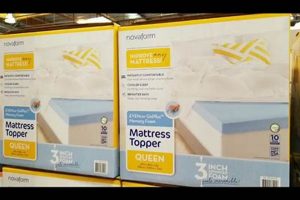
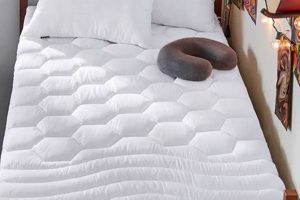
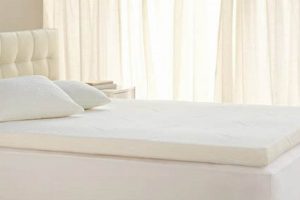
These accessories are designed to enhance the comfort and protect the lifespan of extra-long twin mattresses, commonly found in college dormitories and adjustable beds. They provide an additional layer between the mattress and the sleeper, offering cushioning and safeguarding against spills, stains, and general wear and tear. Examples include those constructed from memory foam, down alternative, or quilted cotton blends.
The adoption of these bedding components offers several advantages. Functionally, they can improve sleep quality by adding softness or regulating temperature. Economically, they extend the useful life of the underlying mattress, preventing the need for premature replacement. Historically, the concept of adding protective layers to bedding dates back centuries, evolving from simple straw fillings to the technologically advanced materials used today.
The following sections will delve into the specific materials used in their construction, the various features available, factors to consider when selecting a suitable option, and best practices for their care and maintenance.
Selection and Maintenance Guidelines
The following guidelines aim to optimize the selection and longevity of appropriate bedding enhancements, ensuring both comfort and durability.
Tip 1: Material Assessment. Prioritize material composition based on individual needs. Memory foam offers pressure relief, while natural fibers like cotton provide breathability. Consider hypoallergenic options for sensitive individuals.
Tip 2: Depth Compatibility. Verify compatibility with the mattress depth. Deeper mattresses may necessitate thicker padding or fitted designs to ensure a secure fit and prevent slippage.
Tip 3: Waterproof Protection. Evaluate the necessity of waterproof features, particularly in environments prone to spills or accidents. Secure full encasement models for maximum protection.
Tip 4: Temperature Regulation. Consider temperature regulation capabilities for enhanced sleep comfort. Cooling gel-infused materials or breathable fabrics can mitigate overheating.
Tip 5: Secure Fit. Ensure a snug fit to avoid shifting or bunching. Elasticized edges or anchor bands can enhance stability and maintain a smooth surface.
Tip 6: Laundering Practices. Adhere to manufacturer laundering instructions to maintain integrity and prevent shrinkage or damage. Use gentle detergents and avoid excessive heat during drying.
Tip 7: Regular Inspection. Conduct routine inspections for signs of wear and tear, such as tears, stains, or loss of elasticity. Address issues promptly to prevent further deterioration.
Adherence to these guidelines will ensure optimal comfort, protection, and longevity, thereby maximizing the value and utility of the chosen bedding accessory.
The subsequent sections will discuss advanced features and innovative technologies incorporated into modern designs, further optimizing sleep quality and mattress protection.
1. Size and Fit

The congruence between dimensions and mattress dimensions is paramount for efficacy and user satisfaction. Incompatibility can lead to diminished protection, reduced comfort, and accelerated wear.
- Dimensional Accuracy
Precise measurements are essential to avoid overhang or insufficient coverage. A pad that is too small leaves portions of the mattress vulnerable, while one that is too large creates bunching and discomfort. Manufacturers generally specify the dimensions to ensure accurate matching.
- Pocket Depth Considerations
Pocket depth refers to the maximum mattress thickness the pad’s fitted sheet can accommodate. Failure to consider pocket depth can result in the pad slipping off the corners, compromising both comfort and protective functionality. Measure the mattress’s depth before purchasing to guarantee a secure fit.
- Elastic Integrity
The elasticity of the fitted sheet’s perimeter significantly impacts its ability to maintain a secure position. Overstretched or degraded elastic reduces the pad’s ability to grip the mattress, leading to shifting and diminished protection. Regularly inspect and replace pads with compromised elastic.
- Consequences of Improper Fit
An ill-fitting accessory not only detracts from sleep comfort but also accelerates wear and tear on both the pad and the mattress. Shifting and bunching create friction points, leading to premature degradation of materials and reduced lifespan. Furthermore, exposed areas of the mattress become susceptible to stains, allergens, and other contaminants.
These considerations collectively underscore the critical role accurate sizing plays in maximizing the protective and comfort-enhancing benefits associated with extra-long twin mattress pads. Due diligence in dimensional assessment ensures optimal performance and longevity.
2. Material Composition

The selection of materials significantly impacts the performance and suitability of extra-long twin mattress pads. The composition dictates factors such as comfort, breathability, durability, and allergen resistance, all of which directly affect the user experience and the longevity of the underlying mattress. For example, pads constructed from natural fibers, such as cotton or bamboo, offer enhanced breathability and moisture-wicking properties, promoting a cooler sleep environment. Conversely, those made from synthetic materials like polyester may provide increased water resistance but potentially at the expense of breathability. The internal fill also varies, with options including memory foam for pressure relief, down alternatives for a plush feel, and quilted fibers for balanced comfort and support. The material selection therefore acts as a primary determinant of the accessory’s overall utility.
Consider the practical application in a college dormitory setting, where extra-long twin mattresses are prevalent. A student with allergies might benefit significantly from a pad made with hypoallergenic materials, such as those treated to resist dust mites and other allergens. Alternatively, in environments where spills are more likely, a pad incorporating a waterproof membrane can provide critical protection against stains and moisture damage. Understanding the material composition allows for a targeted selection that addresses specific needs and environmental factors. Moreover, the quality of the materials directly correlates with the pad’s lifespan; durable fabrics and resilient fills will withstand repeated use and laundering, extending the investment’s value.
In summary, material composition is a foundational element influencing the function and effectiveness of extra-long twin mattress pads. The choice of materials dictates the level of comfort, protection, and durability, and should be carefully considered in relation to the intended use and the specific requirements of the user. Addressing the material aspect ensures optimal alignment between product performance and individual needs, thus maximizing the benefits derived from this bedding accessory.
3. Waterproof Barriers
The inclusion of waterproof barriers in mattress pads designed for extra-long twin mattresses represents a critical feature for preserving the integrity and hygiene of the underlying bedding. These barriers serve as a defense against liquid penetration, preventing stains, odors, and potential microbial growth, thereby extending the lifespan of the mattress.
- Types of Waterproof Membranes
Common materials include polyurethane films and laminated fabrics. Polyurethane offers a flexible and impermeable layer, effectively blocking liquids while maintaining breathability to some degree. Laminated fabrics combine absorbent top layers with waterproof backings, providing both comfort and protection. Selection depends on the balance between impermeability, breathability, and cost considerations.
- Protection Against Allergens and Bacteria
Moisture accumulation within a mattress fosters the proliferation of dust mites, mold, and bacteria, all of which are potent allergens. Waterproof barriers mitigate this risk by preventing moisture from reaching the inner layers of the mattress, creating a less hospitable environment for these organisms. This is particularly pertinent for individuals with allergies or respiratory sensitivities.
- Extending Mattress Lifespan
The presence of liquids, such as spills or bodily fluids, can degrade mattress materials over time, leading to premature sagging, compression, and overall structural damage. Waterproof barriers act as a preventative measure, shielding the mattress from these detrimental effects and prolonging its usable life. This represents a significant economic benefit, reducing the frequency of costly mattress replacements.
- Hygiene and Ease of Maintenance
Mattresses are difficult to clean and sanitize once contaminated. Waterproof barriers simplify maintenance by allowing spills to be easily wiped away from the surface of the pad, preventing them from soaking into the mattress. Additionally, these pads are often machine washable, facilitating regular cleaning and ensuring a consistently hygienic sleep surface.
The implementation of waterproof barriers in extra-long twin mattress pads offers a multifaceted approach to mattress protection, encompassing hygiene, allergen control, and longevity. These benefits underscore the value of this feature, particularly in environments where spills or moisture exposure are likely, such as dormitories, healthcare facilities, and homes with young children or pets. The investment in a mattress pad with a reliable waterproof barrier is a prudent strategy for safeguarding a significant bedding investment.
4. Hypoallergenic Properties

The integration of hypoallergenic properties into extra-long twin mattress pads directly addresses the prevalence of allergies and sensitivities affecting a significant portion of the population. The purpose of these properties is to minimize or eliminate common allergens such as dust mites, mold spores, pet dander, and other irritants from the sleep environment. The selection of materials and manufacturing processes are critical in achieving this outcome. For instance, tightly woven fabrics can prevent dust mites from penetrating the pad, while antimicrobial treatments can inhibit the growth of mold and bacteria. Without these features, individuals with allergies or asthma may experience exacerbated symptoms, leading to disrupted sleep and diminished overall health. A practical example is the use of pads certified by organizations like the Asthma and Allergy Foundation of America (AAFA), indicating that the product has undergone rigorous testing and meets specific standards for allergen reduction. The absence of such features would negate the potential health benefits for sensitive individuals using extra-long twin mattresses.
Further analysis reveals the significance of material selection in determining the hypoallergenic effectiveness of these pads. Natural materials like hypoallergenic wool or silk offer inherent resistance to dust mites and mold. Synthetic materials, such as certain microfibers, can be engineered to create a barrier against allergens while maintaining breathability and comfort. Conversely, materials that trap moisture or provide a breeding ground for allergens can actively contribute to allergic reactions. In a dormitory setting, where cleanliness may be less consistent, the presence of hypoallergenic properties becomes particularly important. Students often bring allergens from home or encounter new allergens in the shared living environment. A hypoallergenic pad offers a proactive measure to mitigate potential allergic triggers and promote a healthier sleep space. Selecting pads without these properties can lead to increased exposure to allergens and associated health risks.
In conclusion, the incorporation of hypoallergenic properties is a vital component of extra-long twin mattress pads, particularly for sensitive individuals or those in environments with heightened allergen exposure. These properties stem from careful material selection and specialized manufacturing processes designed to minimize or eliminate common allergens from the sleep environment. Failure to prioritize these features can have a direct, negative impact on sleep quality and overall health. Continued advancements in material science and manufacturing techniques offer the potential for even more effective hypoallergenic solutions in future bedding products, furthering the goal of creating healthier and more comfortable sleep environments for all.
5. Secure Attachment

Secure attachment mechanisms are fundamental to the functionality and effectiveness of extra-long twin mattress pads. The connection between secure attachment and these pads is one of direct cause and effect; inadequate attachment leads to shifting, bunching, and compromised protection, while robust securement ensures consistent comfort and maintains the pad’s intended protective function. The importance of secure attachment as a component of extra-long twin mattress pads cannot be overstated. It is a direct determinant of the product’s ability to deliver on its core promises of enhanced comfort, mattress protection, and improved sleep quality. For instance, a pad with elastic corner straps that easily slip off renders the waterproof or hypoallergenic features ineffective, exposing the mattress to potential damage and allergens.
Real-life examples underscore this point. In college dormitories, where extra-long twin mattresses are standard, frequent repositioning and movement can easily dislodge poorly secured pads, resulting in exposed mattress surfaces and potential staining from spills. Similarly, in adjustable beds, the constant movement necessitates a secure attachment system to prevent the pad from becoming displaced and creating discomfort. The practical significance of understanding this connection lies in informed consumer choices. Evaluating the attachment mechanisms be they elastic straps, deep pockets, or anchor bands allows for a more discerning selection process, leading to a product that fulfills its intended purpose effectively and reliably.
In conclusion, secure attachment is not merely an ancillary feature of extra-long twin mattress pads; it is a critical determinant of their performance and longevity. The challenges associated with insecure pads highlight the need for manufacturers to prioritize robust attachment designs and for consumers to carefully evaluate these features during the purchasing process. Recognizing this fundamental connection links directly to the broader theme of optimizing sleep environments and protecting valuable bedding investments.
Frequently Asked Questions
This section addresses common inquiries and clarifies prevalent misconceptions regarding extra-long twin mattress pads, focusing on factual information and practical applications.
Question 1: What distinguishes an extra-long twin mattress pad from a standard twin mattress pad?
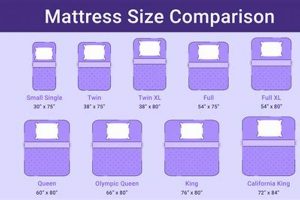
An extra-long twin mattress pad is specifically designed to fit mattresses with dimensions of approximately 39 inches wide and 80 inches long, whereas a standard twin mattress measures approximately 39 inches wide and 75 inches long. Using a standard twin pad on an extra-long twin mattress will result in inadequate coverage and compromised protection.
Question 2: How frequently should extra-long twin mattress pads be laundered?
Laundering frequency depends on usage and environmental factors. However, it is generally recommended to launder these pads every one to two months to remove accumulated dust, allergens, and bodily fluids. More frequent laundering may be necessary in cases of spills or heavy usage. Refer to the manufacturer’s instructions for specific care guidelines.
Question 3: Can an extra-long twin mattress pad improve the comfort of an aging mattress?
An extra-long twin mattress pad can provide a degree of enhanced comfort to an aging mattress by adding a layer of cushioning and support. However, it is not a substitute for a new mattress if the underlying support structure is significantly compromised. The pad serves primarily as a comfort enhancement and protective barrier, not a structural repair.
Question 4: Are all extra-long twin mattress pads waterproof?
Not all extra-long twin mattress pads are waterproof. Waterproof properties are specifically designated. Individuals requiring protection against spills and moisture should select pads explicitly labeled as waterproof or water-resistant. Verify the product description and materials before purchase.
Question 5: What materials are commonly used in extra-long twin mattress pads?
Common materials include cotton, polyester, memory foam, down alternatives, and various blends. The choice of material affects comfort, breathability, and hypoallergenic properties. Consider specific needs and sensitivities when selecting a material.
Question 6: How can the lifespan of an extra-long twin mattress pad be extended?
The lifespan of an extra-long twin mattress pad can be extended through regular laundering, proper storage when not in use, and the use of a mattress protector to shield it from stains and damage. Adhering to the manufacturer’s care instructions is also crucial.
These FAQs clarify key aspects of extra-long twin mattress pads, empowering informed decision-making and maximizing product utility.
The subsequent section will provide a comparative analysis of leading brands and models, highlighting key features and performance metrics.
Conclusion
The preceding analysis has explored the multifaceted aspects of mattress pads twin xl, encompassing material composition, protective features, securement mechanisms, and user maintenance. These elements collectively determine the product’s effectiveness in enhancing sleep comfort, safeguarding the underlying mattress investment, and promoting hygienic sleep environments. Individual requirements, environmental factors, and budgetary considerations play pivotal roles in the selection process.
The informed application of the discussed principles will enable optimized purchasing decisions, resulting in enhanced sleep quality and prolonged mattress lifespan. Continued advancements in material science and manufacturing techniques promise future improvements in mattress pad technology, further elevating the standards of bedding protection and comfort. Prioritizing these features represents a sound strategy for preserving both personal well-being and long-term economic value.
![Best Firm Mattress Twin XL [For Support & Comfort] | Organic & Natural Mattress Buyer’s Guide: Non-Toxic Sleep Solutions](https://mattressworldpa.com/wp-content/uploads/2025/07/th-916-300x200.jpg "Best Firm Mattress Twin XL [For Support & Comfort] Organic & Natural Mattress Buyer’s Guide: Non-Toxic Sleep Solutions")