A foundation designed to support a mattress is often categorized as either a platform designed for optimal support or a more traditional, spring-containing structure. The former typically provides a firm, even surface, while the latter offers a degree of flex and shock absorption. For instance, a solid wooden frame with closely spaced slats represents one type, while a coil-based construction encased in fabric exemplifies the alternative.
The selection of an appropriate mattress support system is crucial for ensuring proper spinal alignment and maximizing the lifespan of the overlying mattress. Historically, spring-containing foundations were prevalent, offering a standardized height and a responsive feel. However, the emergence of newer mattress technologies and materials has led to increased consideration of rigid, non-yielding options, offering alternative advantages in terms of durability and support.
This article will delve into the distinct characteristics of these two support system types, outlining their respective advantages and disadvantages to aid in making an informed decision. Key considerations will include support, durability, compatibility with different mattress types, and overall cost-effectiveness.
Guidance on Selecting a Mattress Support System
The optimal selection hinges on factors such as mattress type, budget, and desired feel. Prioritize research and consider the long-term implications of the choice.
Tip 1: Evaluate Mattress Compatibility: Different mattress types exhibit varying support requirements. Memory foam and latex mattresses often perform better on solid, unyielding surfaces, while innerspring mattresses may benefit from the give offered by a spring-containing foundation. Consult the mattress manufacturer’s specifications for guidance.
Tip 2: Consider Support and Spinal Alignment: Proper spinal alignment is paramount for comfortable sleep and long-term health. A foundation that sags or lacks adequate support can contribute to back pain and discomfort. Assess the weight-bearing capacity and structural integrity of any potential selection.
Tip 3: Assess Durability and Longevity: A well-constructed foundation should withstand years of use without compromising support. Examine the materials and construction quality, paying attention to the frame, slats, and any spring components. Opt for durable materials like solid wood or heavy-gauge steel.
Tip 4: Evaluate Noise Levels: Some spring-containing foundations can generate noise when subjected to movement. This can be disruptive to sleep, particularly for light sleepers. Test the foundation for noise before committing to a purchase.
Tip 5: Determine Desired Height: The combined height of the mattress and foundation affects the overall bed height. Consider personal preferences and accessibility needs when determining the appropriate height. Ensure the bed is not too high or too low for comfortable entry and exit.
Tip 6: Account for Budget Considerations: These foundations vary significantly in price. Establish a budget and prioritize features that are most important. Remember that investing in a quality foundation can extend the life of the mattress and improve sleep quality.
The selection of the proper support system involves careful consideration of numerous factors. By prioritizing mattress compatibility, support, durability, noise levels, and budget, an informed decision can be made that promotes restful sleep and prolongs the lifespan of the mattress.
The following sections will address specific advantages and disadvantages associated with these support structure options.
1. Support and Durability

The support and durability characteristics fundamentally differentiate these mattress foundation options. A rigid platform base, often constructed from wood or metal, provides a uniform and unyielding surface. This construction generally translates to increased durability and a higher weight-bearing capacity. For example, a solid wood base with closely spaced slats is less prone to sagging over time compared to a spring-containing structure, particularly under heavier loads. The impact of consistent, even support directly influences the mattress’s ability to maintain its shape and provide consistent comfort over its lifespan. The cause-and-effect relationship is clear: diminished support leads to accelerated mattress degradation.
Conversely, a traditional spring-containing foundation incorporates coils designed to offer a degree of flex and shock absorption. While this can enhance the perceived comfort of certain mattress types, it also introduces potential points of failure. Over time, the coils can weaken, sag, or break, compromising the level of support provided. The degree of durability is contingent on the quality of the springs and the overall construction of the foundation. Examples include lower-gauge coils that degrade at a faster rate, and poorly constructed joints that can fail under repeated stress. For innerspring mattresses, however, the give and take of a spring support system can extend the life of the mattress coils, making it a complementary system if the foundation is well constructed.
In summary, the choice between these mattress foundation options hinges on the relative importance of unwavering support versus a degree of flex, and the tolerance for potential durability issues. Selecting a foundation that aligns with the mattress type and user weight is paramount for maximizing mattress lifespan and ensuring consistent sleep quality. While solid platforms offer inherent durability advantages, advancements in box spring design have increased the longevity of these support systems.
2. Mattress Compatibility

Mattress compatibility is a critical consideration when choosing between foundation types. The interaction between the mattress and its support system significantly affects comfort, support, and the overall lifespan of the sleep set. Pairing an incompatible mattress and foundation can lead to premature wear, reduced comfort, and voided warranties.
- Memory Foam and Latex Mattresses
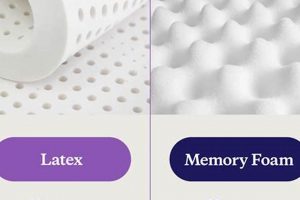
These mattress types generally perform optimally on solid, flat surfaces. A rigid platform base provides the necessary support to prevent sagging and ensure even weight distribution. The density of memory foam and latex requires a stable foundation to maintain its shape and prevent the formation of indentations. Using a spring-containing foundation may create uneven support, leading to discomfort and reduced mattress longevity. Open gaps in the base will allow these mattress types to sink into, degrading performance and potentially damaging the structure.
- Innerspring Mattresses
Traditional innerspring mattresses are often compatible with spring-containing foundations. The coils in the foundation provide a degree of flex and shock absorption that can complement the spring system within the mattress. However, the quality and condition of the foundation are crucial. A worn or sagging spring-containing foundation will negatively impact the performance of the mattress. Solid platform bases also work well with innerspring mattresses, providing a firm and even surface. Newer “hybrid” mattresses often require a solid, firm base.
- Hybrid Mattresses
These mattresses combine elements of both innerspring and foam construction. The compatibility of a hybrid mattress with a particular foundation depends on the specific construction and materials used. Mattresses with a higher ratio of foam may benefit from the uniform support of a platform base, while those with a more substantial innerspring system may be compatible with a spring-containing foundation. Consult the manufacturer’s recommendations to determine the optimal foundation type.
- Adjustable Bases
Adjustable bases offer customizable support and positioning. These bases are typically designed with specific mattress compatibility in mind. Certain mattress types, such as those with overly stiff coils or non-flexible materials, may not be suitable for use with an adjustable base. Memory foam and latex mattresses are generally well-suited for adjustable bases due to their flexibility and ability to conform to the contours of the base.
Ultimately, the selection of a mattress support system should be guided by the specific characteristics of the mattress itself. Careful consideration of the mattress type, construction, and manufacturer’s recommendations will ensure optimal compatibility, leading to improved sleep quality and extended mattress lifespan. Neglecting mattress compatibility can result in diminished comfort, premature wear, and voided warranties, underscoring the importance of informed decision-making.
3. Height Considerations

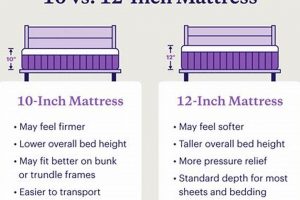
Height considerations are a significant aspect of selecting a mattress support system. The combined height of the mattress and foundation influences accessibility, aesthetics, and overall comfort. The choice between different foundation types directly impacts the final bed height and should align with individual needs and preferences.
- Accessibility and Ease of Use
The height of the bed influences the ease of getting in and out. Individuals with mobility limitations may require a lower bed height for easier access. Conversely, taller individuals may prefer a higher bed to avoid excessive bending. A foundation adds to the overall height, influencing the appropriateness for different users. For example, a low-profile base paired with a thick mattress can achieve a similar height to a standard box spring with a thinner mattress.
- Aesthetic Preferences and Room Dcor
The height of the bed contributes to the overall aesthetic of the bedroom. A higher bed can create a more luxurious and commanding presence, while a lower bed may lend a more modern or minimalist feel. The foundation plays a role in achieving the desired aesthetic. Traditional spring-containing foundations typically add more height compared to platform bases. Bed frames may be designed for specific foundation heights, so compatibility should be considered.
- Mattress Support and Performance
While the primary function of a foundation is support, height can indirectly affect mattress performance. An excessively high foundation may make it more difficult to rotate or flip a heavy mattress, potentially impacting its longevity. A foundation that is too low may restrict airflow around the mattress, potentially leading to moisture buildup. Therefore, the selected height should not compromise the ability to properly maintain the mattress.
- Storage Considerations
The space beneath the bed can be utilized for storage. Higher foundations provide more vertical clearance for under-bed storage containers. Platform bases may offer built-in storage drawers, eliminating the need for separate containers. The choice between a spring-containing foundation and a platform base influences the type and amount of storage that can be accommodated beneath the bed.
In conclusion, the height of a mattress support system influences accessibility, aesthetics, mattress performance, and storage capacity. The choice between foundation types should consider these factors to ensure the selected height aligns with individual needs, preferences, and the specific characteristics of the mattress.
4. Noise Reduction
The potential for noise generation distinguishes one support system type from another. Spring-containing foundations, due to their internal coil structure, inherently present a greater risk of producing noise during movement compared to solid platform bases. The friction between coils, the shifting of the frame, and the compression of materials can all contribute to audible sounds that may disrupt sleep. For example, an older spring-containing foundation, with weakened or misaligned coils, is more likely to produce creaking or squeaking noises compared to a new, well-constructed model. Conversely, a solid platform base, lacking internal moving parts, is generally quieter, offering a more stable and silent sleep surface. This noise reduction is essential for light sleepers or those sharing a bed, where even minor disturbances can significantly impact sleep quality.
The materials and construction techniques employed in manufacturing influence the level of noise produced. Spring-containing foundations with individually wrapped coils, for instance, tend to be quieter than those with interconnected coils, as the individual wrapping minimizes friction. Similarly, platforms with padded surfaces or noise-dampening materials can further reduce the transmission of sound. Real-world examples include high-end spring foundations designed with noise-dampening technology that have very low friction and have minimal chance of sound. However, these options typically involve a higher cost. The structural integrity of the frame supporting the foundation also plays a crucial role. A poorly constructed frame, regardless of the internal components, can contribute to noise due to movement and instability.
The selection of a quiet support system is particularly important for promoting restful sleep and minimizing disruptions. While the potential for noise is greater with spring-containing foundations, advancements in design and materials have mitigated this concern in many models. Solid platform bases, by their nature, offer inherent noise reduction benefits. The selection hinges on individual preferences and the specific requirements of the sleep environment. Ultimately, assessing noise levels before purchase and prioritizing quality construction are essential steps in ensuring a quiet and undisturbed sleep experience.
5. Cost-Effectiveness
The cost-effectiveness of a mattress support system extends beyond the initial purchase price, encompassing factors such as lifespan, maintenance, and impact on mattress longevity. A comprehensive evaluation necessitates considering the long-term financial implications of selecting one support system over another.
- Initial Investment
The initial purchase price typically represents the most immediate consideration. Generally, platform bases may present a lower upfront cost compared to traditional spring-containing foundations, particularly those with advanced features or high-quality construction. However, promotional offers and variations in materials can influence these differences. It is imperative to compare prices across various retailers and consider the specifications of each option to make an informed decision. Consider that the platform may not come in one piece, and require assembly that adds to the complexity of initial costs.
- Lifespan and Durability
The durability of a mattress support system directly affects its long-term value. A more durable option will require less frequent replacement, resulting in cost savings over time. Platform bases, often constructed from solid wood or metal, tend to exhibit greater longevity compared to spring-containing foundations, which are susceptible to coil fatigue and sagging. Choosing a durable foundation, regardless of type, maximizes the return on investment by extending its useful life. The longevity of each part of the construction should be considered, for example, a metal frame with wooden slats may last a shorter period of time if the slats wear out before the metal frame.
- Impact on Mattress Longevity
A compatible and supportive foundation can extend the lifespan of the overlying mattress. A foundation that provides inadequate support or causes uneven wear can accelerate mattress degradation, necessitating premature replacement. For instance, pairing a memory foam mattress with a sagging spring-containing foundation may lead to indentations and reduced comfort. Conversely, a solid platform base provides uniform support, minimizing stress on the mattress and prolonging its usable life. This indirect cost savings further enhances the cost-effectiveness of the chosen foundation.
- Maintenance and Repair Costs
Maintenance requirements and potential repair costs contribute to the overall cost of ownership. Spring-containing foundations may require occasional maintenance, such as tightening loose components or replacing damaged coils. Platform bases, due to their simpler construction, typically require less maintenance. The potential for repair costs should be factored into the cost-effectiveness analysis. For example, the replacement of broken wooden slats for a platform bed can add to the cost over the life of the bed.
In summary, assessing cost-effectiveness requires evaluating initial costs, lifespan, impact on mattress longevity, and maintenance considerations. While platform bases may offer a lower upfront cost and greater durability, the optimal choice depends on individual needs, mattress compatibility, and long-term financial planning. A comprehensive analysis ensures a cost-effective decision that promotes both comfort and economic value. A well constructed, higher cost box spring may outlast a lower cost, poorly constructed platform base, depending on materials and manufacturing process.
6. Airflow Capacity

Airflow capacity represents a crucial, often overlooked, aspect of mattress support systems. Proper ventilation minimizes moisture accumulation, regulates temperature, and inhibits the growth of mold and mildew, thereby contributing to mattress longevity and hygiene. The design and construction of a mattress support system directly influence airflow, making it a significant factor in the selection process.
- Slatted Platforms and Air Circulation
Slatted platforms, characterized by spaces between individual slats, facilitate greater airflow compared to solid-surface platforms. This design promotes ventilation from beneath the mattress, allowing moisture to dissipate and preventing the buildup of heat. The width and spacing of the slats determine the extent of airflow; wider gaps generally equate to improved ventilation. For example, a platform with wide slat spacing may be preferable in humid environments to mitigate moisture-related issues, and potentially reduce the growth of mold or mildew.
- Box Springs and Internal Airflow
Traditional box springs, while not primarily designed for airflow, offer some degree of internal ventilation due to their coil structure and fabric covering. The open spaces between the coils allow for air circulation, albeit to a lesser extent than slatted platforms. However, the presence of dust and debris within the box spring can impede airflow and potentially harbor allergens. Regular cleaning and maintenance are necessary to maintain optimal ventilation. Box springs that utilize more tightly packed coils, however, may reduce overall airflow due to lack of open space for air to flow freely.
- Solid Platforms and Ventilation Challenges
Solid platforms, lacking gaps or open spaces, present the greatest challenge in terms of airflow. The absence of ventilation can lead to moisture accumulation and increased risk of mold and mildew growth, particularly in humid environments. To mitigate these issues, it is advisable to use a breathable mattress protector and ensure adequate ventilation in the bedroom. Some solid platforms incorporate ventilation holes or channels to improve airflow, although these modifications may not fully address the limitations of a solid surface.
- Material Permeability and Breathability
The materials used in the construction of both mattress support systems influence airflow. Breathable materials, such as natural fibers or open-cell foams, promote ventilation and minimize moisture buildup. Conversely, impermeable materials, such as plastic or vinyl, restrict airflow and can exacerbate moisture-related problems. Selecting a mattress support system constructed from breathable materials can enhance overall ventilation and contribute to a healthier sleep environment.
The connection between airflow capacity and support system type underscores the importance of considering ventilation when selecting a mattress foundation. Slatted platforms generally offer superior airflow compared to solid platforms and, to a lesser extent, traditional box springs. The selection should consider environmental factors, mattress type, and personal preferences to optimize ventilation and maintain a healthy and comfortable sleep environment. A well-ventilated mattress lasts longer and minimizes the risk of allergenic build-up, contributing to overall sleep quality.
Frequently Asked Questions
This section addresses common inquiries regarding the selection and implications of different mattress support systems, focusing on distinctions between mattress bases and box springs.
Question 1: What are the primary differences between a mattress base and a box spring?
A mattress base generally refers to a solid or slatted platform designed to provide direct support to a mattress. A box spring, conversely, typically consists of a spring-containing structure encased in fabric, offering a degree of flex and shock absorption.
Question 2: Is a box spring necessary for all mattress types?
A box spring is not universally required. Certain mattress types, such as memory foam or latex mattresses, often perform better on solid platforms. Innerspring mattresses may benefit from the flex offered by a box spring, but a solid base can also provide adequate support.
Question 3: How does the choice of support system impact mattress warranty?
Using an incompatible support system may void the mattress warranty. Manufacturers often specify the type of foundation required to maintain warranty validity. Consult the mattress manufacturer’s documentation for specific requirements.
Question 4: What is the expected lifespan of a mattress base versus a box spring?
Mattress bases, particularly those constructed from solid wood or metal, generally exhibit greater longevity compared to box springs. The internal components of a box spring, such as coils, are susceptible to wear and tear over time. A well-maintained base or box spring will also increase it’s life span compared to a poorly maintained one.
Question 5: How does airflow differ between a mattress base and a box spring?
Mattress bases with slatted designs typically promote greater airflow compared to solid-surface bases and traditional box springs. Improved airflow minimizes moisture accumulation and inhibits the growth of mold and mildew, but well designed box springs also provide ample airflow.
Question 6: What are the cost considerations when selecting between a mattress base and a box spring?
While initial purchase prices may vary, the long-term cost-effectiveness depends on factors such as durability, maintenance requirements, and impact on mattress longevity. A more durable support system may represent a better investment over time.
Selecting an appropriate mattress support system requires careful consideration of mattress type, warranty requirements, durability, airflow, and cost. Understanding these factors enables an informed decision that promotes both comfort and mattress longevity.
The subsequent section will delve into practical considerations for choosing the optimal support system based on individual needs and preferences.
Mattress Base vs. Box Spring
The preceding discussion has explored the salient characteristics of both mattress bases and box springs, detailing their distinct advantages and disadvantages concerning support, durability, mattress compatibility, height, noise reduction, cost-effectiveness, and airflow. A thorough evaluation of these factors is essential for making an informed decision that aligns with specific needs and priorities.
The selection of the optimal mattress support system represents a critical investment in sleep quality and mattress longevity. Further research and diligent consideration of the outlined factors are strongly advised to ensure long-term satisfaction and value. Failure to prioritize these elements may result in compromised sleep comfort and premature mattress degradation.