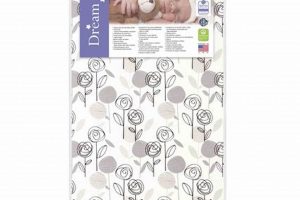
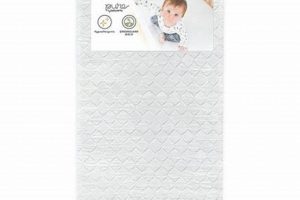
This item is a fitted covering designed to shield a small-sized crib mattress from liquids, stains, and allergens. It typically consists of a waterproof or water-resistant layer bonded to a soft, absorbent fabric. As an example, one might purchase this specific covering to safeguard a crib mattress used in a smaller nursery setting.
Such protective coverings play a vital role in maintaining a clean and hygienic sleep environment for infants. They extend the lifespan of the mattress by preventing damage from spills and accidents. Historically, parents have used various methods to protect infant bedding, but modern versions offer specialized features like hypoallergenic materials and secure fitting mechanisms.
Understanding the features, materials, and proper care of mattress protection options is essential for making informed purchasing decisions. Further considerations include size compatibility, breathability, and compliance with safety standards. The following information will delve into these aspects in greater detail.
Essential Considerations for Mini Crib Mattress Protection
Selecting and utilizing effective mattress protection contributes significantly to infant health and nursery hygiene. The following guidelines offer practical advice for maximizing the benefits of a protective barrier.
Tip 1: Prioritize a Snug Fit: Ensure the chosen covering fits the mattress precisely. Loose protectors can bunch, creating potential safety hazards for the infant.
Tip 2: Opt for Waterproof Materials: A waterproof layer effectively blocks liquids, preventing moisture damage and the growth of mold or mildew within the mattress. Polyurethane laminate is a common and reliable choice.
Tip 3: Evaluate Breathability: While waterproof protection is crucial, breathability is equally important. A breathable protector allows air to circulate, reducing the risk of overheating and promoting comfortable sleep.
Tip 4: Consider Hypoallergenic Properties: Select protectors made from hypoallergenic materials to minimize the risk of allergic reactions. This is particularly important for infants with sensitive skin or allergies.
Tip 5: Check for Certification: Look for certifications like OEKO-TEX Standard 100, which indicates that the protector has been tested for harmful substances and is safe for infant use.
Tip 6: Establish a Regular Cleaning Schedule: Follow the manufacturer’s instructions for cleaning the mattress protection. Regular washing removes allergens and maintains hygiene.
Tip 7: Inspect for Wear and Tear: Periodically examine the protector for any signs of damage, such as tears or cracks. Replace the protector if any damage is detected to maintain its protective effectiveness.
Adhering to these tips ensures the selected covering effectively safeguards the mattress, promotes a healthier sleep environment, and prolongs the lifespan of the crib bedding.
By implementing these protective measures, caregivers can create a safer and more hygienic nursery for their infants.
1. Waterproof Barrier
The presence of a waterproof barrier is a defining characteristic and a functionally essential component of a protector for mini crib mattresses. This barrier, typically constructed from materials like polyurethane laminate (PUL) or similar impermeable substances, serves to shield the underlying mattress core from the intrusion of liquids. The consequence of its absence is direct exposure of the mattress to spills, bodily fluids, and other potential contaminants. For example, without this barrier, urine leakage can saturate the mattress, fostering the growth of bacteria and mold, thereby compromising the infant’s health and shortening the mattress’s lifespan.
The importance of the waterproof barrier extends beyond simple spill containment. It prevents the absorption of odors, inhibits the propagation of allergens, and maintains a cleaner, more sanitary sleep surface. Consider the scenario of an infant experiencing reflux; without a protective layer, the regurgitated liquid would permeate the mattress, creating a breeding ground for microorganisms and necessitating frequent, potentially damaging cleaning attempts. Moreover, the practical significance of understanding this connection lies in empowering caregivers to make informed purchasing decisions, prioritizing protectors with robust and reliable waterproof capabilities.
In summary, the waterproof barrier is not merely an optional feature but a core requirement for effective mattress protection. Its presence directly impacts the hygiene, longevity, and safety of the mini crib mattress, influencing the overall well-being of the infant. The ability to recognize and prioritize this feature is paramount for caregivers seeking to create a healthy and protected sleep environment.
2. Fitted Design
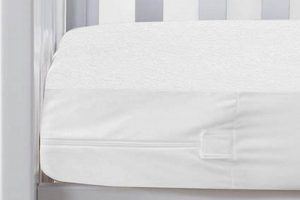
A fitted design is a critical element in the context of mini crib mattress protection, directly impacting safety and functionality. The design ensures the protector remains securely in place, fulfilling its intended purpose without posing hazards.
- Secure Enclosure and Edge Elasticity
The fitted design employs elasticized edges to create a snug fit around the mattress. This feature prevents slippage and bunching, which could otherwise compromise the infant’s safety. The elastic component must be durable to maintain its elasticity over time and repeated washings. The secure enclosure minimizes the risk of entrapment or suffocation.
- Dimensional Accuracy and Compatibility
A fitted protector must adhere to precise dimensional specifications corresponding to standard mini crib mattress sizes. Inaccurate sizing can result in a loose fit, rendering the protector ineffective, or a fit that is too tight, potentially distorting the mattress. Compatibility ensures proper functionality and safety.
- Smooth Surface and Tension Distribution
The fitted design contributes to a smooth and taut sleep surface. Proper tension distribution prevents the formation of wrinkles or folds, which could cause discomfort for the infant. A smooth surface also minimizes the risk of skin irritation or pressure points.
- Ease of Application and Removal
Despite its secure fit, the design should allow for easy application and removal. Caregivers need to be able to quickly change and clean the protector. A user-friendly design facilitates routine hygiene practices and maintenance of the sleeping environment.
The interplay of these facets underscores the significance of a well-executed fitted design. When properly implemented, it guarantees a safe, comfortable, and hygienic sleeping surface for the infant, maximizing the utility and protective capabilities of the mini crib mattress covering. A fitted design is not simply a matter of aesthetics, but rather a functional imperative for infant safety and well-being.
3. Breathable material
Breathable materials in mini crib mattress protectors are directly linked to infant comfort and safety, influencing thermoregulation and reducing the risk of overheating. Non-breathable materials trap heat and moisture, creating an uncomfortable sleep environment and potentially elevating the infant’s body temperature. Elevated body temperature during sleep has been correlated with increased risk of Sudden Infant Death Syndrome (SIDS). Materials like cotton, bamboo, or specialized polyester blends allow air to circulate, dissipating heat and wicking away moisture. For instance, a protector utilizing a breathable membrane minimizes the accumulation of perspiration, maintaining a cooler and drier surface. This, in turn, contributes to more consistent sleep patterns and reduces the likelihood of restlessness or discomfort.
The implementation of breathable materials presents practical considerations for manufacturers and caregivers. Material selection must balance breathability with waterproof properties, as effective protectors must simultaneously prevent liquid penetration. Certain waterproof membranes, such as those incorporating microscopic pores, achieve this balance. Caregivers should prioritize protectors with documented breathability ratings and appropriate certifications, confirming compliance with safety standards. Furthermore, proper maintenance, including regular washing and thorough drying, is crucial to preserve the breathability and integrity of the protector. The effectiveness of breathable materials is contingent upon the adherence to these practical guidelines.
In summary, breathable materials are an indispensable component of a mini crib mattress protector. Their incorporation directly addresses critical safety concerns related to infant thermoregulation. While challenges exist in balancing breathability with other functional requirements, prioritizing protectors with demonstrably breathable materials and adhering to recommended maintenance protocols are essential measures for promoting a safe and comfortable sleep environment. The connection between breathability and infant well-being underscores the importance of informed purchasing decisions and diligent care.
4. Hypoallergenic properties

Hypoallergenic properties in mini crib mattress protection are integral to mitigating allergic reactions in infants. The cause-and-effect relationship is direct: allergens present in bedding can trigger responses in susceptible individuals, while hypoallergenic materials aim to minimize such exposure. These materials, typically synthetic fibers or tightly woven natural fabrics, reduce the accumulation of dust mites, pet dander, and mold sporescommon allergens found in bedding. For example, a protector made with a tightly woven microfiber fabric restricts allergen penetration compared to a loosely woven cotton counterpart. The importance of hypoallergenic properties lies in creating a less reactive sleep environment, essential for infants with sensitivities or a predisposition to allergies. The practical significance translates to reduced symptoms such as skin irritation, respiratory issues, and disrupted sleep patterns.
The selection of materials and manufacturing processes plays a crucial role in determining the hypoallergenic characteristics of a mini crib mattress protector. Certain chemical treatments and dyes can themselves act as allergens, negating the intended benefit. Manufacturers committed to producing truly hypoallergenic protectors often utilize OEKO-TEX certified materials or similar certifications, indicating rigorous testing for harmful substances. Furthermore, the protector’s design should facilitate easy cleaning, enabling regular removal of any accumulated allergens. A practical application involves routinely washing the protector in hot water to eliminate dust mites and other allergens. The integration of these design and maintenance considerations amplifies the overall effectiveness of the hypoallergenic features.
In conclusion, hypoallergenic properties represent a fundamental consideration when selecting a mini crib mattress protector. The benefits are not merely theoretical; they translate directly into a reduction of allergen exposure and potential health benefits for infants. While challenges exist in verifying the true hypoallergenic nature of products, prioritizing protectors with credible certifications and implementing consistent cleaning practices is vital. The link between hypoallergenic properties and infant well-being reinforces the importance of informed purchasing decisions aimed at creating a safe and healthy sleep environment.
5. Easy cleaning

The attribute of easy cleaning in a mini crib mattress protector is directly connected to maintaining a hygienic sleep environment for infants. The rationale stems from the frequency of spills, regurgitation, and diaper leaks common during infancy. These incidents necessitate regular cleaning to prevent bacterial growth, odor accumulation, and potential allergen proliferation within the mattress. A protector designed for easy cleaning facilitates swift removal of contaminants, minimizing the risk of unsanitary conditions. For example, a waterproof protector with a smooth surface can be quickly wiped clean, preventing liquids from soaking into the underlying mattress. The consequence of difficult cleaning processes is the potential for lingering contaminants, fostering an unhealthy sleep space.
Specific design and material choices contribute significantly to the ease of cleaning a mini crib mattress protector. Machine-washable fabrics, stain-resistant treatments, and smooth, non-porous surfaces simplify the cleaning process. Protectors with complicated cleaning instructions or requiring specialized cleaning agents present practical challenges for caregivers. The availability of protectors that can be easily laundered in standard washing machines ensures convenient and effective sanitation. Another practical application involves the use of multiple protectors, enabling immediate replacement of a soiled protector while the other is being cleaned. These factors influence the overall hygiene and longevity of both the protector and the underlying mattress.
In summary, easy cleaning represents a pivotal consideration in the selection and utilization of a mini crib mattress protector. The interconnectedness between easy cleaning, hygiene, and infant health underscores its importance. While material properties and design features directly impact the ease of cleaning, the ultimate benefits are realized through consistent and diligent maintenance practices. The implementation of practical strategies, such as machine washability and the availability of spare protectors, contributes to creating a safer and more sanitary sleep environment for infants.
6. Durable Construction

Durable construction in the context of a mini crib mattress protector refers to its ability to withstand regular use and repeated cleaning without compromising its protective qualities. The longevity and effectiveness of the protector are directly influenced by the quality of materials and assembly techniques employed in its manufacturing.
- Material Strength and Integrity
The selection of robust materials is fundamental to durable construction. Fabrics must resist tearing, abrasion, and degradation from exposure to liquids and cleaning agents. Seams must be reinforced to prevent separation under stress. For example, a protector utilizing a high-denier polyester fabric with reinforced stitching will exhibit greater resistance to wear and tear compared to one made from a thinner, less durable material. Material integrity ensures long-term functionality.
- Waterproof Membrane Resilience
The waterproof membrane, typically polyurethane laminate (PUL) or a similar material, must maintain its integrity throughout the protector’s lifespan. Repeated washing and drying can weaken or delaminate the membrane, compromising its ability to prevent liquid penetration. Protectors employing a high-quality, chemically bonded membrane exhibit greater resistance to degradation. Resilience is crucial for continued protection against spills and accidents.
- Edge Binding and Elastic Durability
The edge binding, which encases the perimeter of the protector, must remain securely attached to prevent fraying or unraveling. Similarly, the elastic used in fitted designs must retain its elasticity over time to ensure a snug and secure fit. Inferior elastic can lose its stretch, resulting in a loose and ineffective protector. Durable edge binding and elastic are essential for maintaining structural integrity and proper fit.
- Resistance to Degradation from Cleaning
Frequent washing is necessary to maintain hygiene, but some protectors are susceptible to damage from cleaning agents and high temperatures. Durable construction involves materials and manufacturing processes that withstand repeated washing and drying cycles without shrinking, fading, or losing their protective properties. Resistance to degradation from cleaning ensures long-term functionality and hygiene.
The interplay of material strength, membrane resilience, edge binding durability, and resistance to cleaning degradation collectively defines the durable construction of a mini crib mattress protector. These factors are intrinsically linked to the protector’s lifespan, effectiveness, and overall value. Protectors exhibiting superior durable construction provide long-term protection, minimize replacement costs, and contribute to a safer and more hygienic sleep environment for infants. The selection of a durable protector represents a prudent investment in infant care.
7. Safety Certifications
Safety certifications serve as an objective validation of a mini crib mattress protector’s adherence to established safety standards. These certifications provide caregivers with assurance that the product has undergone testing for harmful substances and meets defined criteria for safety and performance. The presence of recognized safety certifications is a critical factor in assessing the suitability of a protector for infant use.
- OEKO-TEX Standard 100
This certification verifies that the textile components of the mini crib mattress protector have been tested for harmful substances, including heavy metals, formaldehyde, and allergenic dyes. Achieving OEKO-TEX Standard 100 indicates that the protector is safe for direct contact with a baby’s sensitive skin. For example, a protector labeled with OEKO-TEX certification assures consumers that it does not contain chemicals that could potentially cause skin irritation or other adverse health effects.
- CertiPUR-US Certification
While less common in protectors primarily made of fabric, CertiPUR-US certification is relevant for protectors containing foam components. This certification confirms that the foam has been tested for harmful chemicals, including formaldehyde, heavy metals, and ozone depleters, and meets standards for low VOC (Volatile Organic Compound) emissions. A mini crib mattress protector with CertiPUR-US certified foam minimizes potential exposure to harmful chemicals through inhalation or skin contact.
- GREENGUARD Gold Certification
GREENGUARD Gold certification focuses on indoor air quality. It signifies that the mini crib mattress protector has been tested for chemical emissions, ensuring low levels of VOCs. This certification is important because infants spend a significant amount of time sleeping in their cribs, making them more vulnerable to the effects of indoor air pollutants. A protector with GREENGUARD Gold certification contributes to a healthier nursery environment.
- CPSIA Compliance
The Consumer Product Safety Improvement Act (CPSIA) sets safety standards for children’s products, including mini crib mattress protectors. CPSIA compliance ensures that the protector meets requirements for lead content, phthalates, and other hazardous substances. It also mandates that manufacturers implement testing and certification programs to demonstrate compliance. Adherence to CPSIA regulations safeguards against exposure to harmful chemicals commonly restricted in children’s products.
The presence of safety certifications on a mini crib mattress protector provides a tangible measure of assurance that the product meets recognized safety standards. Caregivers should prioritize protectors with relevant certifications to minimize potential exposure to harmful substances and create a safer sleep environment for their infants. These certifications offer valuable guidance in making informed purchasing decisions and ensuring the well-being of the child.
Frequently Asked Questions About Mini Crib Mattress Protectors
The following questions address common inquiries and misconceptions regarding the use and selection of mini crib mattress protectors. These responses are designed to provide clear and informative guidance.
Question 1: Are mini crib mattress protectors truly necessary?
A protector is essential for maintaining a hygienic sleep environment. It shields the mattress from fluids, allergens, and stains, thereby prolonging its lifespan and safeguarding infant health. Its absence can lead to the development of unsanitary conditions within the mattress.
Question 2: How frequently should a mini crib mattress protector be cleaned?
The protector should be laundered immediately following any soiling incident. In the absence of visible contamination, regular cleaning every one to two weeks is recommended to remove accumulated allergens and maintain hygiene.
Question 3: Do all mini crib mattress protectors offer adequate waterproof protection?
The level of waterproof protection varies among different protectors. Protectors incorporating a polyurethane laminate (PUL) layer or similar impermeable membrane typically offer superior waterproof capabilities compared to those constructed solely from absorbent fabrics.
Question 4: Are fitted mini crib mattress protectors safer than non-fitted options?
Fitted protectors are generally considered safer due to their snug and secure fit. Non-fitted protectors can bunch or slip, potentially creating a suffocation hazard. A properly fitted protector minimizes the risk of entrapment or interference with the infant’s breathing.
Question 5: Can a mini crib mattress protector completely prevent allergen exposure?
While a protector can significantly reduce allergen exposure, complete elimination is not always guaranteed. Hypoallergenic materials and regular cleaning practices contribute to minimizing allergens, but diligence in maintaining a clean sleep environment is paramount.
Question 6: Do all mini crib mattress protectors fit all mini crib mattresses?
Compatibility varies. While standard mini crib mattresses adhere to general size dimensions, slight variations can occur. Prior to purchase, verify the dimensions of the protector and the mattress to ensure a secure and appropriate fit.
In summary, mini crib mattress protection constitutes a critical element of infant care. Informed selection and proper utilization of protectors are essential for safeguarding the health and safety of the infant and preserving the integrity of the crib mattress.
The subsequent section will address specific recommendations for selecting and caring for these protective coverings.
Concluding Remarks on Mini Crib Mattress Protection
The preceding analysis has elucidated the critical role of a mini crib mattress protector in maintaining a sanitary and secure sleep environment for infants. Key features such as waterproof barriers, fitted designs, breathable materials, hypoallergenic properties, durable construction, ease of cleaning, and the presence of relevant safety certifications have been thoroughly examined. Each aspect contributes to the overall effectiveness of the protector in mitigating risks associated with liquid intrusion, allergen exposure, and potential safety hazards.
The informed selection and consistent utilization of a high-quality mini crib mattress protector represent a responsible and proactive measure in infant care. Prioritizing protectors that demonstrably adhere to established safety standards and exhibit durable construction can significantly contribute to the health and well-being of the child. The commitment to providing a safe and hygienic sleep environment remains paramount.
![Best Organic Crib Mattress Protector [Safe Sleep] | Organic & Natural Mattress Buyer’s Guide: Non-Toxic Sleep Solutions](https://mattressworldpa.com/wp-content/uploads/2025/07/th-1363-300x200.jpg "Best Organic Crib Mattress Protector [Safe Sleep] Organic & Natural Mattress Buyer’s Guide: Non-Toxic Sleep Solutions")