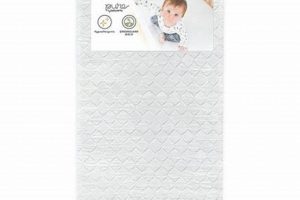
The supporting structure for a crib mattress is a critical component of infant bedding. It provides a stable and level surface upon which the mattress rests, ensuring proper spinal alignment and safety for the sleeping child. This foundational element is often constructed from wood, metal, or a combination of both and is designed to fit securely within the crib frame. An example is a solid piece of wood or a network of metal springs situated within the crib’s boundaries to hold the mattress.
Its importance stems from its direct impact on infant safety and comfort. A robust and well-designed understructure prevents the mattress from sagging or shifting, reducing the risk of entrapment and promoting restful sleep. Historically, simpler designs have evolved into more sophisticated systems that offer adjustability for mattress height, accommodating a growing child and making it easier for caregivers to access the infant. This evolution reflects an increasing awareness of infant ergonomics and safety standards.
Understanding the diverse designs, safety considerations, and materials employed in these structures is essential for parents and caregivers selecting appropriate bedding. Further discussion will delve into specific types, regulatory requirements, and best practices for ensuring optimal safety and performance throughout a crib’s lifespan.
Crib Mattress Platform
The following guidelines offer practical advice for choosing and utilizing a suitable crib mattress support structure. Careful consideration of these points contributes significantly to infant safety and well-being.
Tip 1: Verify Structural Integrity: Prior to use, thoroughly inspect the structure for any signs of damage, such as cracks, loose joints, or missing hardware. Address any deficiencies immediately to prevent potential hazards.
Tip 2: Confirm Compatibility: Ensure the chosen mattress is the correct size for the structure and crib frame. Gaps between the mattress and the crib sides pose a serious entrapment risk.
Tip 3: Adjust Height Appropriately: As the infant grows and becomes more mobile, lower the mattress to prevent them from climbing out of the crib. Follow manufacturer’s recommendations for height adjustments.
Tip 4: Adhere to Weight Limits: Be aware of the manufacturer’s specified weight limit for the structure. Exceeding this limit could compromise its integrity and pose a safety hazard.
Tip 5: Maintain Cleanliness: Regularly clean the structure with a mild detergent and water to prevent the buildup of dirt and allergens. Ensure it is completely dry before replacing the mattress.
Tip 6: Inspect Hardware Periodically: Regularly check all screws, bolts, and fasteners to ensure they are securely tightened. Loose hardware can compromise stability.
Tip 7: Refer to Manufacturer Guidelines: Always consult the manufacturer’s instructions for specific details regarding assembly, maintenance, and safety recommendations.
Adhering to these recommendations promotes a safe and comfortable sleeping environment for the infant, mitigating potential risks associated with improper mattress support.
The following sections will explore common issues and troubleshooting techniques related to crib construction and related components.
1. Structural Integrity

Structural integrity, with respect to a crib mattress platform, denotes its ability to withstand forces and maintain its intended shape and function under anticipated loads. It is a critical safety parameter directly impacting the well-being of the infant.
- Material Composition and Strength
The type and quality of materials used in construction directly influence the platform’s ability to bear weight without deformation. Solid hardwoods, reinforced metals, and durable plastics are common choices, each offering varying degrees of strength and resistance to stress. Inferior materials may crack, warp, or break under load, creating an unsafe sleep environment.
- Joint Construction and Fasteners
The manner in which components are joined together significantly affects overall stability. Properly executed joints, secured with high-quality fasteners (screws, bolts, or adhesives), distribute stress evenly and prevent separation under pressure. Weak or poorly constructed joints are prone to failure, potentially leading to mattress sagging or platform collapse.
- Load Distribution and Support Design
The platform’s design should effectively distribute the weight of the mattress and infant across its entire surface area. This can be achieved through a solid platform design, a network of closely spaced slats, or a system of springs. Inadequate load distribution can concentrate stress on specific points, increasing the risk of structural failure.
- Regulatory Compliance and Testing
Compliance with relevant safety standards and regulations, such as those established by the Consumer Product Safety Commission (CPSC), ensures the platform has undergone rigorous testing for structural integrity and stability. These tests simulate real-world use conditions and verify that the platform can withstand anticipated stresses without compromising safety.
The interconnectedness of material selection, joint construction, load distribution, and regulatory compliance underscores the multifaceted nature of structural integrity. Neglecting any of these facets can compromise the overall safety and functionality of the crib mattress platform, thereby elevating the risk of injury or harm to the infant. Regular inspection and maintenance are essential for sustaining the structure’s integrity throughout its service life.
2. Material Safety

Material safety, in the context of a crib mattress platform, is paramount due to the direct and prolonged contact infants have with these surfaces. The materials used in construction must be non-toxic and free from harmful substances to prevent potential health risks. This includes considerations regarding lead, phthalates, flame retardants, and volatile organic compounds (VOCs). Exposure to these chemicals can have adverse effects on infant development and overall health. For example, some older cribs contained lead-based paint, which posed a significant risk of lead poisoning to infants who chewed on the crib rails or components. This resulted in regulatory changes and stricter manufacturing standards focused on eliminating lead from crib construction.
The composition of the platform materials directly influences the air quality within the infant’s sleeping environment. VOCs emitted from certain paints, adhesives, or foam components can contribute to indoor air pollution and potentially trigger respiratory issues or allergic reactions. Platforms made from solid wood or those finished with water-based, low-VOC paints are often preferred for their reduced chemical emissions. The selection of formaldehyde-free composite wood and certified organic textiles can further mitigate the risk of exposure to harmful substances. This is a necessary consideration for minimizing chemical exposure.
In conclusion, material safety is an inextricable component of a safe and healthy crib mattress platform. The selection of materials must prioritize the avoidance of toxic substances, considering both immediate and long-term health implications for the infant. Ongoing research and adherence to evolving safety standards are crucial to ensure that crib mattress platforms offer a protective and healthy sleeping environment. Ignoring or overlooking material safety jeopardizes infant well-being and creates a potential liability for manufacturers and caregivers alike.
3. Height adjustability

Height adjustability, as a design feature of a crib mattress platform, directly addresses the evolving needs of a growing infant and the ergonomic requirements of caregivers. The ability to alter the vertical position of the mattress platform within the crib frame offers several practical advantages. Initially, a higher platform setting facilitates easier access to the newborn, minimizing strain on the caregiver’s back during frequent lifting and placing. As the infant develops the ability to sit, pull up, and eventually stand, the platform can be lowered incrementally to prevent the child from climbing out of the crib, thereby mitigating the risk of falls and injuries. A fixed-height platform lacks this adaptability, potentially creating a safety hazard as the infant’s mobility increases. The absence of height adjustment necessitates transferring the infant to a toddler bed sooner than may be ideal, potentially disrupting sleep patterns and creating a transition before the child is developmentally ready.
The mechanism for height adjustment typically involves a series of pre-drilled slots or a ratcheting system integrated into the crib’s side rails, allowing the platform to be repositioned at various levels. The integrity of this adjustment mechanism is paramount; a poorly designed or constructed system may fail, causing the platform to unexpectedly drop to a lower position, creating a dangerous situation for the infant. Furthermore, the materials used in the adjustment mechanism must be durable and resistant to wear, as repeated adjustments can place significant stress on these components. Real-world examples of the importance of this include instances where faulty adjustment mechanisms have led to platform collapses, resulting in injuries to the child. These incidents underscore the necessity of choosing cribs from reputable manufacturers that adhere to stringent safety standards. It’s important that these adjustable components work seamlessly as its functions and design for a crib mattress platform.
In summary, height adjustability is not merely a convenience feature but a critical safety component of a modern crib mattress platform. It provides a means to adapt the crib to the infant’s developmental stage, preventing falls and ensuring caregiver comfort. Challenges associated with adjustment mechanisms highlight the need for careful consideration of material quality, design integrity, and adherence to safety regulations. The presence of height adjustment capabilities contributes significantly to the overall safety and longevity of a crib, making it a worthwhile investment for parents and caregivers.
4. Mattress compatibility

Mattress compatibility is intrinsically linked to the functionality and safety of a crib mattress platform. The platform serves as the foundational support for the mattress; thus, incompatibility between these two components can lead to potentially hazardous situations. An undersized mattress, for example, creates gaps between the mattress edge and the crib frame, posing a risk of infant entrapment. Conversely, an oversized mattress may not fit properly within the crib, leading to compression and potential deformation, which can affect the mattress’s support and breathability. Crib manufacturers typically specify precise mattress dimensions to ensure compatibility and safety. These specifications are often dictated by regulatory standards, such as those established by the Consumer Product Safety Commission (CPSC), to minimize the risk of accidents. For instance, a crib designed for a standard-size mattress (approximately 28 inches wide by 52 inches long) will perform optimally only when paired with a mattress adhering to those dimensions. Failure to adhere to these specifications can render the crib unsafe for use.
The interplay between mattress type and the platform design further underscores the importance of compatibility. Some mattresses are designed with specific support requirements, such as reinforced edges or specialized internal structures. A platform that does not adequately support these features can compromise the mattress’s performance and longevity. For example, a platform with widely spaced slats may not provide sufficient support for a thinner, less rigid mattress, causing it to sag over time. Similarly, certain platform materials may react negatively with mattress materials, leading to degradation or the release of harmful chemicals. Awareness of these factors is crucial when selecting a crib and mattress combination. Parents and caregivers should consult manufacturer guidelines and seek professional advice to ensure a proper fit and compatibility. Examples include verifying that a memory foam mattress is paired with a solid support platform, while an innerspring mattress may function well with a platform featuring closely spaced slats.
In summary, mattress compatibility is not merely a matter of convenience but a fundamental aspect of crib safety. An incompatible mattress can negate the intended safety features of the crib and create dangerous conditions for the infant. Diligent adherence to manufacturer specifications, careful consideration of mattress type and platform design, and regular inspection for signs of wear or incompatibility are essential steps in ensuring a safe sleep environment. The challenges inherent in achieving perfect compatibility highlight the importance of purchasing cribs and mattresses from reputable manufacturers that prioritize safety and adhere to industry standards. Regular checks for compatibility issues will benefit the user.
5. Weight capacity

Weight capacity, as it pertains to a crib mattress platform, is a critical safety parameter indicating the maximum load the structure can safely support. Exceeding this limit compromises the platform’s structural integrity, potentially leading to failure and endangering the infant. Understanding the factors influencing weight capacity is therefore essential for caregivers.
- Material Composition and Load-Bearing Strength
The materials used in constructing the platform, such as wood, metal, or composites, possess inherent load-bearing strengths. A platform constructed from solid hardwood will generally exhibit a higher weight capacity compared to one made from less dense materials. Manufacturers must account for the material’s inherent strength and resistance to deformation when determining the platform’s safe working load. Real-world examples include using higher-gauge steel for metal platforms intended to support heavier mattresses and infants. Failure to consider this can result in premature wear and structural failure.
- Design and Distribution of Support
The platform’s design plays a crucial role in distributing weight evenly across its surface. A solid platform design or a network of closely spaced slats provides more uniform support compared to a design with widely spaced supports. Insufficient support can concentrate stress on specific points, increasing the risk of failure. For example, platforms with inadequate center support may sag under load, compromising the mattress’s levelness and potentially creating an unsafe sleeping environment. The architecture of the design is a critical element for preventing hazardous conditions.
- Fastener Strength and Joint Integrity
The type and quality of fasteners used to join the platform’s components significantly impact its overall weight capacity. Weak or improperly installed fasteners can fail under load, leading to separation of components and potential collapse. Stronger fasteners, such as bolts with locking mechanisms, are preferable for platforms designed to support heavier weights. Regular inspection of fasteners is essential to ensure they remain secure. Weakened joints may cause the platform to shift and be less balanced and cause harm to the baby.
- Dynamic vs. Static Load Considerations
Weight capacity specifications typically refer to a static load, representing the weight the platform can support when the infant is at rest. However, the platform must also withstand dynamic loads, such as the weight of an infant moving or bouncing within the crib. Dynamic loads can exert significantly more stress on the platform than static loads. Manufacturers factor in a safety margin to account for these dynamic forces. Caregivers should avoid placing excessive weight on the platform beyond its intended use, such as allowing older children to climb into the crib, as this can exceed the platform’s dynamic load capacity.
The interconnectedness of these facets underscores the complexity of determining and maintaining the weight capacity of a crib mattress platform. A failure in any one area can compromise the entire structure, posing a safety risk. Therefore, caregivers must adhere to manufacturer specifications, regularly inspect the platform for signs of wear or damage, and avoid exceeding the stated weight limit. Prioritizing these actions contributes to a safer sleeping environment for the infant.
6. Proper ventilation

Proper ventilation, in relation to a crib mattress platform, is a critical factor influencing infant safety and comfort. Adequate airflow minimizes the risk of overheating, reduces the buildup of moisture, and helps to maintain a hygienic sleep environment. The platform’s design and materials significantly impact ventilation effectiveness.
- Slatted Design and Air Circulation
Platforms featuring a slatted design promote air circulation beneath the mattress. Gaps between the slats allow for the dissipation of heat and moisture, preventing the formation of mold and mildew. The width and spacing of the slats directly influence airflow; wider gaps generally provide better ventilation, but must be carefully engineered to maintain structural integrity and prevent small objects from falling through. For example, a platform with tightly spaced slats may impede airflow, leading to moisture accumulation and increased risk of microbial growth.
- Material Breathability and Moisture Management
The materials used in constructing the platform also affect ventilation. Solid platforms constructed from non-breathable materials can trap heat and moisture, while platforms made from breathable fabrics or open-weave materials allow for better air exchange. The selection of materials must balance breathability with structural requirements. Examples include the use of breathable mesh materials in certain platform designs to enhance airflow and reduce moisture buildup, compared to solid wood or particleboard platforms that offer limited ventilation.
- Mattress Selection and Ventilation Compatibility
The type of mattress used in conjunction with the platform also influences ventilation effectiveness. Mattresses made from breathable materials, such as organic cotton or wool, promote better airflow compared to those made from synthetic materials. The mattress’s construction, including the presence of ventilation holes or channels, further contributes to air circulation. Pairing a breathable mattress with a well-ventilated platform maximizes airflow and minimizes the risk of overheating. Example: The performance is increased when a mattress includes ventilation holes, paired with a slatted platform, facilitates enhanced air circulation around the infant, thereby minimizing the potential for heat accumulation and dampness.
- Maintenance and Environmental Factors
Regular cleaning and maintenance of the platform contribute to sustained ventilation effectiveness. Dust and debris can accumulate on the platform, obstructing airflow and promoting microbial growth. Periodic cleaning with a mild detergent and proper drying helps to maintain ventilation. Environmental factors, such as humidity levels in the room, also influence ventilation. In humid environments, increased air circulation is particularly important to prevent moisture buildup. Regular vacuuming helps remove dust particles which could restrict the flow of air.
Proper ventilation is an integral aspect of a safe and healthy sleep environment for infants. Optimizing airflow beneath and around the mattress minimizes the risk of overheating, reduces moisture buildup, and promotes hygienic conditions. The platform’s design, materials, mattress selection, and maintenance practices all contribute to ventilation effectiveness, underscoring the need for careful consideration of these factors when selecting and maintaining a crib.
Frequently Asked Questions
The following addresses common inquiries regarding crib mattress platforms, offering clarity on their function, safety, and maintenance. The aim is to provide objective information to assist caregivers in making informed decisions.
Question 1: What is the primary function of a crib mattress platform?
The primary function is to provide stable and level support for the crib mattress. This ensures proper spinal alignment for the infant and prevents the mattress from sagging or shifting, which could pose a safety hazard.
Question 2: What materials are commonly used in crib mattress platform construction?
Common materials include solid wood, metal (typically steel), and engineered wood products like plywood or MDF. The choice of material affects durability, weight capacity, and cost.
Question 3: How do I determine if a crib mattress platform is structurally sound?
Inspect the platform for cracks, loose joints, or missing hardware. Apply pressure to various points to assess stability. Consult the manufacturer’s instructions for specific load-bearing specifications.
Question 4: What is the significance of height adjustability in a crib mattress platform?
Height adjustability allows caregivers to raise or lower the mattress platform as the infant grows. A higher setting facilitates easier access to newborns, while a lower setting prevents older infants from climbing out of the crib.
Question 5: How does ventilation contribute to the safety of a crib mattress platform?
Proper ventilation allows for air circulation, reducing the risk of moisture buildup and the growth of mold and mildew. It also helps regulate the infant’s body temperature, preventing overheating.
Question 6: What are the key maintenance steps for a crib mattress platform?
Regularly inspect for damage, clean with a mild detergent and water, and ensure all fasteners are tightened. Follow the manufacturer’s guidelines for specific maintenance recommendations.
Prioritizing safety and proper maintenance are essential for ensuring the long-term functionality of a crib mattress platform.
The subsequent discussion will focus on selecting the appropriate type of crib based on individual needs and circumstances.
Crib Mattress Platform
This exploration of the crib mattress platform has underscored its crucial role in infant safety and well-being. From structural integrity and material safety to height adjustability, mattress compatibility, weight capacity, and proper ventilation, each aspect contributes significantly to creating a secure and healthy sleep environment. Neglecting any of these elements can compromise the platform’s performance and potentially endanger the child.
Therefore, diligent adherence to safety standards, regular inspections, and informed decision-making are paramount. The crib mattress platform is not merely a structural component; it is a foundation upon which infant safety rests. Prioritizing its proper selection and maintenance is a responsibility that demands unwavering attention. Continuous improvement of crib safety standards and design can make meaningful changes in the safety of children.

![Best Organic Crib Mattress Protector [Safe Sleep] | Organic & Natural Mattress Buyer’s Guide: Non-Toxic Sleep Solutions](https://mattressworldpa.com/wp-content/uploads/2025/07/th-1363-300x200.jpg "Best Organic Crib Mattress Protector [Safe Sleep] Organic & Natural Mattress Buyer’s Guide: Non-Toxic Sleep Solutions")