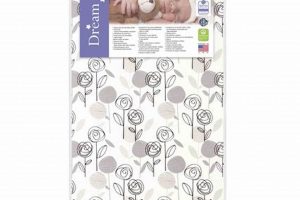
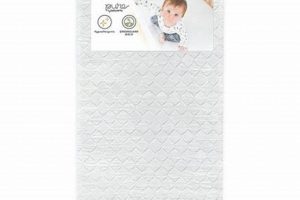
A sleeping surface designed for infants and young children, intended for use within the confines of a crib, offers a safe and supportive environment. These specialized surfaces are constructed with materials and dimensions specific to the needs of developing bodies. The internal structure and external covering are crafted to balance firmness, comfort, and breathability, promoting healthy sleep habits for babies.
A quality sleeping surface plays a crucial role in an infant’s development, supporting proper spinal alignment and minimizing the risk of suffocation or Sudden Infant Death Syndrome (SIDS). Prioritizing non-toxic materials and stringent safety standards ensures the health and well-being of the child. Historically, crib sleeping surfaces have evolved from simple padding to sophisticated designs that integrate advanced technologies for optimal comfort and safety.
The following sections will delve into the specific aspects of choosing an appropriate sleeping surface for infants, including material composition, safety certifications, and factors to consider when making a purchasing decision. Detailed examination of features such as breathability, firmness, and long-term durability will be presented.
Guidance for Selecting an Infant Sleeping Surface
The selection of an appropriate sleeping surface for a crib requires careful consideration of several factors to ensure the safety and well-being of the infant.
Tip 1: Prioritize Firmness. An overly soft sleeping surface can increase the risk of suffocation. A firm, flat surface is essential for proper spinal development and reduces the likelihood of the infant sinking into the material.
Tip 2: Verify Safety Certifications. Look for certifications from reputable organizations such as GREENGUARD Gold or CertiPUR-US. These certifications indicate that the sleeping surface has been tested for harmful chemicals and volatile organic compounds (VOCs).
Tip 3: Assess Material Composition. Opt for materials that are known for their breathability and non-toxicity. Natural materials like cotton or latex are preferable to synthetic materials that may off-gas harmful chemicals.
Tip 4: Ensure a Snug Fit. The sleeping surface should fit snugly within the crib frame, with no gaps large enough for a limb to become trapped. Measure the interior dimensions of the crib and select a corresponding sleeping surface size.
Tip 5: Evaluate Breathability. Good airflow is crucial for regulating the infant’s body temperature and reducing the risk of overheating. Consider a sleeping surface with a breathable cover or internal structure.
Tip 6: Consider Dual-Sided Options. Some sleeping surfaces offer a firmer side for infants and a slightly softer side for toddlers. This can provide extended use as the child grows.
Tip 7: Maintain Cleanliness. Use a waterproof sleeping surface protector to prevent moisture from seeping into the core. Regularly clean the surface with a mild, non-toxic cleaner.
Careful selection of a firm, safe, and breathable sleeping surface is paramount for promoting healthy sleep and minimizing risks to infant well-being. Adherence to these guidelines contributes to a secure sleep environment.
The subsequent sections will explore specific brands and models, providing in-depth reviews and comparisons to aid in the decision-making process.
1. Firmness

Firmness in a crib mattress is not merely a comfort preference but a critical safety characteristic. The following outlines key facets pertaining to firmness in relation to infant safety when considering a crib mattress.
- Risk Mitigation
Excessive softness poses a suffocation hazard to infants. Newborns lack the motor skills to reposition themselves if their face becomes pressed against a yielding surface. A firm mattress minimizes the potential for indentation, thereby reducing the risk of airway obstruction.
- Spinal Development
A firm surface supports proper spinal alignment during an infant’s formative months. A mattress that conforms excessively to the body can contribute to poor posture and developmental issues over time. Consistent, stable support is necessary for healthy musculoskeletal development.
- Compliance Standards
Regulatory bodies and safety organizations establish firmness standards for crib mattresses to safeguard infant well-being. Mattress manufacturers must adhere to these standards to ensure their products meet minimum safety requirements. Certification programs verify compliance through rigorous testing protocols.
- Material Impact
The internal materials used in a crib mattress significantly influence its firmness. High-density foam or innerspring systems generally provide greater firmness compared to low-density alternatives. The construction and layering of these materials contribute to the overall firmness level.
In summary, the firmness of a crib mattress is inextricably linked to infant safety and development. Adherence to established standards, careful material selection, and a commitment to risk mitigation are paramount considerations in crib mattress design and manufacturing.
2. Safety Certifications

The presence of safety certifications on a crib mattress, such as the Saatva crib mattress, indicates adherence to rigorous testing standards designed to protect infants from harmful chemicals and unsafe construction. These certifications serve as verifiable benchmarks, signifying that the product has undergone evaluation by independent organizations. Certifications such as GREENGUARD Gold, for instance, signify that the mattress has been tested for low chemical emissions, including volatile organic compounds (VOCs), phthalates, and other potentially harmful substances. This is crucial because infants are particularly vulnerable to the effects of these chemicals due to their developing respiratory systems and prolonged exposure during sleep.
The practical significance of these certifications extends beyond mere compliance. They provide parents and caregivers with assurance that the crib mattress has been assessed against specific safety criteria, reducing the risk of exposure to toxins that could contribute to respiratory issues, allergies, or other health concerns. For example, a CertiPUR-US certification assures that the foam components within the Saatva crib mattress meet defined standards for content, emissions, and durability, limiting the presence of harmful substances. The absence of such certifications raises potential concerns regarding the materials used and the manufacturing processes employed, potentially exposing the infant to health risks. These certifications are a primary means of verifying claims made by manufacturers and contribute to a safer sleep environment for the infant.
In summary, safety certifications on a crib mattress, including the Saatva crib mattress, provide a verifiable framework for assessing product safety and minimizing potential health risks to infants. These certifications not only demonstrate adherence to established standards but also offer valuable information to parents and caregivers, enabling informed purchasing decisions. The importance of prioritizing certified products cannot be overstated, as it directly contributes to the creation of a healthier and safer sleep environment for infants.
3. Material Composition

The material composition of a crib mattress directly impacts its safety, durability, and comfort. Understanding the materials used in the Saatva crib mattress is crucial for assessing its suitability for infant sleep.
- Organic Cotton Cover
The outermost layer, typically made of organic cotton, provides a soft and breathable surface. Organic cotton minimizes the infant’s exposure to pesticides and chemicals used in conventional cotton farming, reducing potential skin irritation and allergic reactions. This material is chosen for its natural properties and lower risk profile.
- High-Density Foam Core
The core often consists of high-density foam designed to provide firm support. The density of the foam is a key factor in ensuring the mattress maintains its shape and firmness over time, preventing sagging and reducing the risk of suffocation. Certifications like CertiPUR-US may indicate the foam has been tested for harmful chemicals and VOCs.
- Innerspring System (if applicable)
Some crib mattresses, including potential variations of the Saatva crib mattress, may incorporate an innerspring system. The gauge and construction of the springs contribute to the overall support and durability. Innerspring systems can offer enhanced airflow compared to solid foam cores.
- Waterproof Barrier
A waterproof layer, often made of polyurethane film, protects the inner components from moisture and spills. This barrier is essential for maintaining hygiene and preventing the growth of mold and bacteria. The material used for this barrier should be non-toxic and meet safety standards.
The specific combination of these materials in the Saatva crib mattress determines its overall performance in terms of safety, comfort, and longevity. Careful consideration of each component allows for informed evaluation of the mattress’s suitability for infant use.
4. Size and fit

The dimensions of a crib mattress are not arbitrary; they are critical determinants of infant safety and the overall functionality within a standard crib. In the context of the Saatva crib mattress, adherence to standardized sizing specifications is paramount.
- Standard Dimensions and Crib Compatibility
Cribs in the United States adhere to standardized interior dimensions, typically measuring approximately 28 inches in width and 52 inches in length. A Saatva crib mattress must conform to these dimensions to ensure a snug fit within the crib frame. Insufficiently sized mattresses create gaps that pose a risk of infant entrapment and potential suffocation. A mattress that is too large may bow or warp, compromising its structural integrity and potentially leading to uneven sleeping surfaces.
- Measuring for Fit
Prior to purchasing a Saatva crib mattress, accurate measurement of the crib’s interior dimensions is essential. Minor variations in crib construction necessitate precise measurements to guarantee a proper fit. Measure the length and width of the interior of the crib from edge to edge to determine the optimal mattress size. Consult the Saatva specifications to ensure the mattress dimensions align with the measured crib dimensions.
- Gap Tolerance
Industry guidelines specify maximum allowable gaps between the mattress edge and the crib frame. The gap should not exceed two finger widths (approximately one inch). Excessive gaps increase the risk of an infant becoming wedged between the mattress and the crib, creating a hazardous situation. Regularly inspect the fit of the Saatva crib mattress within the crib frame to ensure ongoing compliance with safety standards.
- Mattress Depth Considerations
While length and width are primary concerns, mattress depth also plays a role in overall fit. An excessively thick mattress may reduce the height of the crib railing, potentially allowing a toddler to climb out. Conversely, an overly thin mattress may compromise comfort and support. Ensure the Saatva crib mattress depth aligns with the crib manufacturer’s recommendations to maintain appropriate railing height and prevent potential hazards.
The relationship between the size and fit of a crib mattress, particularly the Saatva crib mattress, and the dimensions of the crib is a fundamental safety consideration. Accurate measurement, adherence to industry standards, and regular inspection are crucial steps in ensuring a secure sleep environment for the infant. Deviations from these standards can lead to hazardous situations, underscoring the importance of precise fit.
5. Breathability

Breathability, as a feature of the Saatva crib mattress, is a critical factor in mitigating the risk of infant overheating and promoting a safer sleep environment. The capacity of a mattress to allow airflow is directly linked to the regulation of an infant’s body temperature during sleep. Infants are less able to regulate their body temperature than adults, making them more susceptible to overheating, which has been associated with an increased risk of Sudden Infant Death Syndrome (SIDS). Therefore, the materials and construction of the Saatva crib mattress are pertinent to its overall safety profile.
Materials such as organic cotton, often used in the Saatva crib mattress cover, are naturally more breathable than synthetic alternatives. Furthermore, the internal construction, whether featuring an innerspring system or a foam core with ventilation channels, can significantly enhance airflow. For example, a foam core with strategically placed perforations allows for the dissipation of heat and moisture, preventing the buildup of a potentially dangerous microclimate around the infant. In contrast, a non-breathable mattress can trap heat and moisture, creating an environment conducive to overheating and bacterial growth. Regular reports from pediatricians emphasize the importance of breathable sleep surfaces for infants, often citing cases where overheating was a contributing factor in adverse health outcomes.
In summary, breathability is not merely a comfort feature of the Saatva crib mattress; it is a crucial safety component that directly impacts an infant’s well-being. Selecting a mattress with demonstrated breathability characteristics is a practical measure in minimizing the risk of overheating and promoting a safer sleep environment. The Saatva crib mattress, with its focus on breathable materials and construction techniques, aligns with established recommendations for safe infant sleep practices, addressing a critical need for parents and caregivers. However, breathability is one of the characteristics in ensuring maximum safety; the other characteristics still need to be considered.
6. Durability
The longevity of a crib mattress is a salient factor when considering long-term value and safety. The Saatva crib mattress, like any durable good intended for infant use, should withstand prolonged use and maintain its structural integrity to ensure consistent support and safety.
- Material Degradation Resistance
The materials used in the Saatva crib mattress must exhibit resistance to degradation from moisture, compression, and repeated use. High-density foam or robust innerspring systems are crucial in preventing sagging or indentations, which can compromise the flatness and firmness of the sleep surface. Material failure can lead to uneven weight distribution, potentially increasing the risk of suffocation.
- Seam and Construction Integrity
The seams and overall construction of the Saatva crib mattress should be designed to withstand stress and prevent separation. Weak seams can lead to tears in the mattress cover, exposing the internal components and creating a potential hazard. Reinforced stitching and durable binding materials contribute to the overall structural integrity of the mattress.
- Resistance to Microbial Growth
A durable crib mattress must resist the growth of mold, mildew, and bacteria. Moisture from spills, diaper leaks, or even ambient humidity can create an environment conducive to microbial growth. Antimicrobial treatments and waterproof barriers are essential in preventing the proliferation of these organisms, which can pose health risks to the infant.
- Long-Term Support and Firmness Retention
The Saatva crib mattress should maintain its firmness and support characteristics over an extended period of use. Loss of firmness can compromise the safety and spinal support provided by the mattress. Regular rotation and proper maintenance can help extend the lifespan of the mattress and ensure consistent performance.
The durability of the Saatva crib mattress is not merely a matter of product longevity; it is intrinsically linked to infant safety and well-being. A mattress that maintains its structural integrity, resists degradation, and prevents microbial growth provides a safer and more hygienic sleep environment for the infant over the long term. Careful consideration of these factors is essential in evaluating the overall value and suitability of a crib mattress.
Frequently Asked Questions
The following questions and answers address common inquiries regarding the Saatva crib mattress, focusing on its features, safety, and maintenance. The information provided is intended to offer clarity and assist in making informed purchasing decisions.
Question 1: What specific safety certifications does the Saatva crib mattress possess?
The Saatva crib mattress may hold certifications such as GREENGUARD Gold, CertiPUR-US, or other relevant safety endorsements. These certifications indicate compliance with established standards for chemical emissions, material content, and product safety. Confirmation of current certifications should be obtained directly from the manufacturer’s official website or product labeling.
Question 2: What level of firmness is recommended for a Saatva crib mattress, and why is firmness important?
A firm sleeping surface is essential for infant safety. The Saatva crib mattress is designed to meet or exceed recommended firmness standards to reduce the risk of suffocation. A firm surface provides necessary support for proper spinal development and prevents excessive indentation, which can compromise an infant’s airway.
Question 3: What materials are used in the construction of the Saatva crib mattress, and are they non-toxic?
The Saatva crib mattress typically incorporates materials such as organic cotton, high-density foam, and a waterproof barrier. The specific materials used should be verified to ensure they are free from harmful chemicals and meet relevant safety standards. Look for certifications that validate non-toxicity and low VOC emissions.
Question 4: How should the Saatva crib mattress be cleaned and maintained to ensure hygiene and longevity?
Regular cleaning is essential for maintaining hygiene. A waterproof mattress protector is recommended to prevent moisture penetration. The mattress should be cleaned with a mild, non-toxic cleaner, following the manufacturer’s instructions. Proper maintenance, including periodic rotation, can help extend the lifespan of the mattress.
Question 5: What are the standard dimensions of the Saatva crib mattress, and how can one ensure a proper fit within a standard crib?
The Saatva crib mattress is designed to conform to standard crib dimensions, typically around 28 inches in width and 52 inches in length. Precise measurements of the crib’s interior are crucial to ensure a snug fit, minimizing gaps that could pose a safety hazard. A gap of more than one inch between the mattress and crib frame is unacceptable.
Question 6: What is the expected lifespan of the Saatva crib mattress, and what factors can influence its durability?
The lifespan of the Saatva crib mattress depends on factors such as usage, maintenance, and material quality. Proper care, including the use of a mattress protector and regular cleaning, can extend the mattress’s lifespan. Material degradation, seam integrity, and resistance to microbial growth also influence durability.
These FAQs provide essential information to consider when evaluating the Saatva crib mattress. Prioritizing safety certifications, appropriate firmness, non-toxic materials, and proper maintenance is crucial for ensuring a safe and healthy sleep environment for infants.
The subsequent section will provide a comparative analysis of the Saatva crib mattress against other leading crib mattress brands, examining key features and benefits.
Conclusion
This exploration has analyzed crucial aspects of the Saatva crib mattress, ranging from safety certifications and material composition to firmness, breathability, and durability. Each element contributes to the overall suitability of the mattress for infant use. Prioritizing adherence to safety standards and selecting appropriate materials are paramount in creating a secure sleep environment. The maintenance of mattress integrity over time is equally essential in ensuring continued support and minimizing potential hazards.
The information presented serves as a foundational guide for informed decision-making. Continued vigilance in monitoring crib mattress safety standards and product specifications remains vital. Prospective purchasers should utilize this knowledge to critically evaluate crib mattress options, thereby contributing to the well-being of infants.
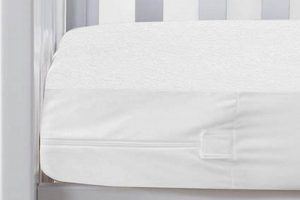
![Best Organic Crib Mattress Protector [Safe Sleep] | Organic & Natural Mattress Buyer’s Guide: Non-Toxic Sleep Solutions](https://mattressworldpa.com/wp-content/uploads/2025/07/th-1363-300x200.jpg "Best Organic Crib Mattress Protector [Safe Sleep] Organic & Natural Mattress Buyer’s Guide: Non-Toxic Sleep Solutions")