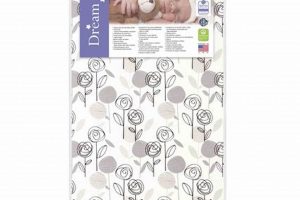
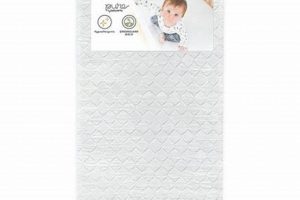
These products are designed to fit snugly over a crib mattress, offering a protective layer between the mattress and the baby. They safeguard the mattress from spills, accidents, and general wear, contributing to its longevity. Examples include waterproof versions, quilted options for added comfort, and those made with hypoallergenic materials.
The use of these items provides a cleaner and more hygienic sleep environment for infants. They can prevent the growth of mold and bacteria within the mattress core, minimizing potential allergens and irritants. Historically, parents have used various materials to protect mattresses; the modern iteration offers increased convenience and effectiveness through specialized design and materials.
The subsequent sections will delve into the different types available, materials used in their construction, factors to consider when selecting the most appropriate option, and proper care and maintenance procedures to ensure optimal performance and hygiene.
Essential Guidelines
The following guidelines offer practical advice for the selection and use of mattress protectors within a crib setting, ensuring both the longevity of the mattress and the health and safety of the infant.
Tip 1: Prioritize a Snug Fit: Accurate measurements of the crib mattress are crucial. A protector should fit tightly without any looseness to prevent bunching or slipping, which could pose a suffocation hazard.
Tip 2: Opt for Waterproofing: Select a waterproof variety to shield the mattress from fluids. This feature helps prevent mold and bacteria growth within the mattress core, contributing to a cleaner sleep environment.
Tip 3: Consider Breathability: While waterproofing is important, breathability is equally vital. Look for materials that allow air circulation to reduce the risk of overheating and promote comfortable sleep.
Tip 4: Evaluate Material Composition: Choose hypoallergenic materials free from harmful chemicals such as phthalates and lead. Certifications from reputable organizations provide assurance of material safety.
Tip 5: Establish a Washing Schedule: Regular washing is essential for maintaining hygiene. Follow manufacturer’s instructions for cleaning and drying to preserve the integrity of the protector.
Tip 6: Inspect for Wear and Tear: Periodically examine the protector for signs of damage, such as tears or compromised waterproofing. Replace the protector if any damage is detected to maintain its protective function.
Adhering to these guidelines contributes to a safer and more hygienic sleep environment for infants, while also preserving the condition of the underlying mattress.
The subsequent section provides a detailed comparison of different types of mattress protectors available, allowing for an informed purchasing decision based on specific needs and preferences.
1. Waterproof Barrier

A waterproof barrier is a critical functional component of mattress protectors, designed to prevent liquids from penetrating and damaging the underlying mattress. The presence of this barrier directly impacts hygiene and mattress longevity. For instance, infant bodily fluids, such as saliva, urine, or formula spills, if unchecked, seep into the mattress core. This creates a breeding ground for bacteria and mold, potentially triggering allergic reactions or emitting unpleasant odors.
The integration of a waterproof barrier into these pads serves as a preventative measure against such contamination. Materials used for this barrier typically include polyurethane or thermoplastic polyurethane (TPU) layers laminated to the top fabric of the pad. These materials are effective at blocking liquid while remaining flexible and relatively breathable. A real-world example includes a parent quickly addressing a nighttime accident; the waterproof barrier ensures the mattress remains dry, reducing the time and effort required for cleanup and preventing long-term damage.
In summary, the waterproof barrier in such products is not merely an added feature; it is a necessity for maintaining a sanitary sleep environment and extending the life of the mattress. Its absence would render the protector largely ineffective against common sources of contamination. The understanding of this connection allows informed decision-making regarding material choices and performance expectations, thereby safeguarding the infant’s health and well-being.
2. Fitted Design

The term “fitted design,” when applied to products for crib mattresses, denotes a specific construction method crucial for both safety and functionality. Its implementation addresses critical aspects of infant sleep environments.
- Secure Enclosure
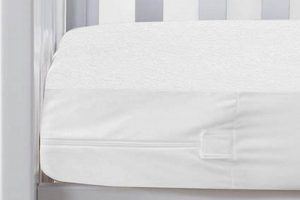
The fitted design ensures the pad remains tautly secured to the mattress, preventing bunching or slippage. Elasticized edges or wraparound designs create a secure enclosure. Failure to achieve this enclosure presents a suffocation hazard, as loose material could obstruct an infant’s breathing. Examples include fully encased designs that zip around the entire mattress or those with heavy-duty elastic bands.
- Uniform Surface
A properly fitted pad creates a smooth, uniform sleep surface. Wrinkles or unevenness caused by a poorly fitted design can disrupt an infant’s sleep and potentially contribute to pressure points. Manufacturers address this by using precision cutting and sewing techniques to ensure accurate sizing.
- Compatibility with Mattress Size
Fitted designs necessitate precise compatibility with standard crib mattress dimensions. A universal fit is often unattainable, necessitating separate models for different mattress sizes. Deviations from standard sizes can compromise the safety and effectiveness of the pad. Labeling should clearly indicate the intended mattress dimensions.
- Ease of Removal and Replacement
While a secure fit is paramount, ease of removal and replacement is also a consideration. Regular washing of these pads is necessary to maintain hygiene. A design that facilitates quick removal and reapplication minimizes disruption and inconvenience for caregivers.
In essence, the fitted design element is not merely aesthetic; it is integral to the safe and effective use of such products. Adherence to stringent design standards and compatibility with mattress dimensions are paramount to mitigate potential hazards and ensure a hygienic sleep environment for infants.
3. Hypoallergenic Materials

The selection of hypoallergenic materials is paramount in the context of these pads due to the increased susceptibility of infants to allergens and irritants. Contact with bedding manufactured from allergenic substances can trigger adverse reactions such as skin rashes, respiratory distress, and sleep disturbances. The direct cause-and-effect relationship between material composition and infant well-being underscores the significance of hypoallergenic components. The absence of materials like natural latex, synthetic fragrances, and specific dyes, commonly known allergens, is thus a critical design consideration. For instance, pads constructed with organic cotton or bamboo rayon inherently minimize exposure to chemical residues and allergenic proteins.
Hypoallergenic materials provide a protective barrier against common environmental allergens like dust mites. The tightly woven structure of these materials restricts the mites’ ability to penetrate the mattress core, thereby reducing allergen concentration within the infant’s sleep environment. Furthermore, certain hypoallergenic materials possess inherent antimicrobial properties, which inhibit the growth of mold and bacteria, further minimizing potential irritants. A practical application involves selecting a pad certified by organizations like the Asthma and Allergy Foundation of America (AAFA), indicating rigorous testing and compliance with established allergen standards. The choice of appropriate hypoallergenic materials not only safeguards the infant’s immediate comfort but also contributes to long-term health.
In summary, the integration of hypoallergenic materials into these products is not merely a marketing claim but a necessary feature for ensuring a safe and healthy sleep environment. Challenges remain in verifying the true hypoallergenic properties of materials and maintaining consistent manufacturing standards. However, understanding the importance of hypoallergenic components empowers caregivers to make informed decisions and prioritize the selection of pads that effectively mitigate allergen exposure, thus supporting infant well-being and healthy development.
4. Washable Feature

The “Washable Feature” is an indispensable attribute of products designed for crib mattresses, ensuring hygiene and mitigating potential health risks. Its presence directly addresses the inevitability of spills, accidents, and general soiling inherent in infant care, impacting both the lifespan of the mattress and the health of the child.
- Hygiene Maintenance
The ability to launder such a pad facilitates the removal of contaminants, including bodily fluids, allergens, and dust mites. Regular washing prevents the buildup of bacteria and mold within the fabric, creating a cleaner sleep environment. An example includes quickly washing a pad after a nighttime accident to prevent stains and odor buildup, thereby maintaining a hygienic surface for the infant.
- Material Integrity
The “Washable Feature” necessitates that the construction and materials of the pad withstand repeated laundering without significant degradation. Shrinkage, color fading, and loss of structural integrity are undesirable outcomes. Manufacturers must select fabrics and manufacturing techniques that preserve the pad’s performance and appearance after multiple wash cycles. For instance, tightly woven fabrics and reinforced seams contribute to durability.
- Ease of Care
The practical benefit of a washable design hinges on the ease with which caregivers can remove, launder, and replace the pad. Complex cleaning instructions or labor-intensive drying processes diminish the value of this feature. Clear and straightforward care labels, indicating machine washability and dryer-safe properties, are essential. A design that allows for quick removal and reattachment simplifies the cleaning process and encourages frequent washing.
- Allergen Control
Frequent washing effectively removes allergens accumulated over time. Dust mites, pet dander, and pollen can settle on the pad’s surface, potentially triggering allergic reactions in sensitive infants. Regular laundering mitigates this risk by eliminating these allergens, creating a healthier sleep environment. For example, washing the pad in hot water (if the material allows) further enhances allergen removal, ensuring a higher degree of hygiene.
The convergence of hygiene maintenance, material integrity, ease of care, and allergen control underscores the pivotal role of the “Washable Feature” in such products. Its absence would significantly compromise the product’s value and effectiveness in promoting a sanitary and healthy sleep environment for infants. Consideration of these factors ensures informed selection and proper care, contributing to the long-term well-being of the child.
5. Breathable Construct
A breathable construct is a critical design element in pads for crib mattresses. Its primary function is to facilitate air circulation, mitigating the risk of overheating and promoting a comfortable sleep environment for infants. This design consideration directly impacts safety and well-being.
- Airflow Regulation
The primary role of a breathable construction is to allow continuous airflow through the pad’s materials. This regulates temperature and prevents the accumulation of heat. Materials like open-weave cotton or specialized 3D mesh fabrics promote efficient air circulation. A practical example is an infant sleeping comfortably without excessive sweating or discomfort, indicative of effective airflow regulation.
- Moisture Management
Breathable materials facilitate the evaporation of moisture, preventing the buildup of sweat and humidity within the sleep environment. This reduces the risk of skin irritation and the growth of mold or bacteria. Fabrics with moisture-wicking properties, such as microfiber or bamboo, are commonly employed. The absence of dampness or clamminess on the infant’s skin upon waking indicates effective moisture management.
- Material Composition and Layering
The choice of materials and their layering significantly impact breathability. Multiple layers of dense, non-breathable materials can impede airflow. Conversely, a combination of breathable outer layers with a moisture-wicking inner layer optimizes ventilation. For example, a pad featuring a top layer of organic cotton, a middle layer of breathable mesh, and a waterproof backing enhances airflow while protecting the mattress.
- Safety Considerations
While promoting breathability, the design must also adhere to safety standards. Open weaves or mesh structures should not pose a risk of entanglement or entrapment. The pad must fit snugly on the mattress to prevent loose fabric from bunching. Rigorous testing ensures the breathable construct does not compromise overall safety. A certified product signifies adherence to safety regulations, mitigating potential hazards associated with design elements.
These facets of breathable construction collectively contribute to the overall effectiveness of such products in providing a safe and comfortable sleep environment. A breathable design minimizes the risk of overheating, manages moisture, and adheres to safety standards, underscoring its importance in infant care. By facilitating continuous air circulation, these pads promote a hygienic and comfortable sleep surface, contributing to the infant’s well-being.
Frequently Asked Questions
This section addresses common inquiries regarding the selection, usage, and maintenance of pads designed for crib mattresses. The information provided is intended to clarify misconceptions and offer practical guidance.
Question 1: Are all products for crib mattresses waterproof?
No. While many offer a waterproof barrier, not all do. It is essential to verify the product description and specifications to confirm waterproofing capabilities.
Question 2: How often should pads be washed?
Washing frequency depends on usage and the occurrence of spills or accidents. However, as a general guideline, laundering every one to two weeks is recommended for hygiene maintenance.
Question 3: Can these pads be used on any size of crib mattress?
No. Products are typically designed to fit standard crib mattress dimensions. Verifying the compatibility of the pad with the specific mattress size is crucial.
Question 4: Are there any potential safety concerns associated with these pads?
Yes. A poorly fitted pad can pose a suffocation hazard. Ensure the pad fits snugly and securely to prevent bunching or slippage.
Question 5: What materials are considered hypoallergenic?
Materials like organic cotton, bamboo rayon, and certain synthetic fabrics are generally considered hypoallergenic. Look for certifications indicating low allergen potential.
Question 6: Does the use of a pad eliminate the need for a mattress protector?
Not necessarily. While a pad offers a degree of protection, a dedicated mattress protector provides a more comprehensive barrier against spills and allergens, prolonging the mattress’s lifespan.
The preceding information offers clarification on key considerations related to the use of crib mattress pads. A clear understanding of these aspects promotes informed decision-making.
The subsequent section will delve into specific product recommendations based on various needs and preferences.
Conclusion
This exploration has delineated the significant features and functionalities of crib mattress pads. The necessity of a secure fit, waterproof barrier, hypoallergenic materials, washable design, and breathable construction was emphasized. Further, the importance of regular maintenance and adherence to safety guidelines was underscored to ensure both hygiene and infant well-being.
In summation, the selection and utilization of crib mattress pads represents a critical decision-making process for caregivers. Prioritization of safety and hygiene, coupled with informed product assessment, remains paramount in safeguarding infant health and maximizing the lifespan of crib mattresses. Continuing research and adherence to evolving safety standards will further refine product efficacy and contribute to safer sleep environments.
![Best Organic Crib Mattress Protector [Safe Sleep] | Organic & Natural Mattress Buyer’s Guide: Non-Toxic Sleep Solutions](https://mattressworldpa.com/wp-content/uploads/2025/07/th-1363-300x200.jpg "Best Organic Crib Mattress Protector [Safe Sleep] Organic & Natural Mattress Buyer’s Guide: Non-Toxic Sleep Solutions")