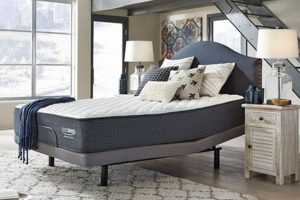
A conforming layer designed to enhance comfort on an adjustable air chamber support system. These additions serve as a protective barrier and contribute to a customized sleeping surface feel. They are typically constructed from materials such as memory foam, down alternative, or quilted cotton blends.
The utilization of a quality surface layer offers several advantages. It can prolong the lifespan of the underlying adjustable support by shielding it from spills, stains, and general wear. Furthermore, depending on the materials used, they can contribute to temperature regulation, pressure relief, and overall sleep quality. The history of bedding accessories demonstrates a consistent effort to optimize comfort and hygiene, with modern iterations incorporating advanced material technologies.
This article will delve into the various types available, their features, and the key considerations for selecting the optimal product to complement an individual’s specific comfort needs and preferences in conjunction with an air chamber support system.
Tips for Selecting a Mattress Pad for Sleep Number Bed
Optimal selection requires careful consideration of various factors to maximize comfort and protect the underlying support system.
Tip 1: Material Selection: Prioritize materials based on desired comfort characteristics. Memory foam provides pressure relief, while cotton offers breathability. Research material properties to align with individual needs.
Tip 2: Thickness Assessment: Determine the appropriate thickness based on preferred firmness level. Thicker pads generally offer greater cushioning, potentially altering the overall bed feel. Evaluate existing comfort settings before choosing a thickness.
Tip 3: Temperature Regulation: Consider temperature regulating features, especially for individuals prone to overheating. Materials like bamboo or cooling gel-infused memory foam can mitigate heat retention.
Tip 4: Secure Fit: Ensure the pad is designed for compatibility with the bed’s dimensions. Look for features like elasticized corners or deep pockets to guarantee a secure and wrinkle-free fit.
Tip 5: Ease of Cleaning: Prioritize machine-washable options for convenient maintenance and hygiene. Follow manufacturer instructions to preserve the integrity of the materials.
Tip 6: Allergen Resistance: For allergy sufferers, select hypoallergenic materials to minimize exposure to dust mites and other allergens.
Tip 7: Warranty and Reviews: Review the manufacturer’s warranty for defects and assess user reviews regarding durability and performance before purchasing.
By carefully evaluating these considerations, consumers can make an informed decision when selecting a surface layer to enhance the longevity and comfort of their adjustable air chamber support system.
The subsequent sections will explore specific product categories and their unique attributes in greater detail.
1. Compatibility

Compatibility constitutes a critical factor in the effective utilization of a surface layer on an adjustable air chamber support system. The inherent adjustability of these systems necessitates a conforming layer that does not impede or counteract the intended functionality. A poorly matched pad can negate the benefits of individualized firmness settings, leading to discomfort and suboptimal sleep quality. For example, a non-conforming or excessively thick pad might prevent the user from accurately perceiving or effectively utilizing the adjustable air chamber’s settings, rendering the feature essentially useless.
Conversely, a correctly chosen, compatible surface layer enhances the adjustable support’s capabilities. This is exemplified by pads designed with flexible materials and strategic quilting patterns that allow for even weight distribution and minimal interference with the underlying air chamber’s contours. Such a design ensures the support provided by the air chambers is accurately translated to the sleeper, maximizing the benefits of individualized firmness and pressure relief. Improper dimensions further impact compatibility. A pad that is too small will leave portions of the bed exposed and unprotected, while a pad that is too large will bunch, leading to discomfort.
In summary, compatibility is not merely a matter of physical fit; it represents a crucial component of the entire sleep system’s performance. Overlooking this aspect can compromise the benefits of the adjustable air chamber technology. Ensuring compatibility ensures optimal comfort, support, and longevity of the underlying system. Therefore, thorough evaluation of dimensions, materials, and construction is essential when selecting a pad to complement an adjustable air chamber support system.
2. Material Composition

The material composition directly dictates the functional properties of a conforming layer used with an adjustable air chamber support system. The choice of materials influences comfort, temperature regulation, durability, and the overall support characteristics experienced by the user. For instance, a pad constructed with high-density memory foam will conform closely to the body, offering enhanced pressure relief and potentially improving spinal alignment. However, this material may also retain heat, leading to discomfort for some individuals. Conversely, a pad incorporating natural fibers like cotton or wool promotes breathability, facilitating airflow and reducing heat buildup. This, however, may come at the expense of pressure relief, as these materials generally lack the contouring properties of memory foam.
The impact of material choice extends beyond comfort. The protective function of the pad is also determined by its composition. A waterproof or water-resistant fabric, such as polyurethane-laminated cotton, can effectively shield the underlying adjustable air chamber from spills and stains, prolonging its lifespan. Similarly, the durability of the pad is closely linked to the quality and resilience of its constituent materials. A pad constructed with tightly woven, high-thread-count fabrics is inherently more resistant to tearing and wear than one made from loosely woven, lower-quality materials. Furthermore, antimicrobial treatments incorporated into the fabric can inhibit the growth of bacteria and fungi, contributing to a healthier sleep environment.
In conclusion, material composition represents a fundamental consideration in the selection of a conforming layer for an adjustable air chamber support system. The interplay between comfort, temperature regulation, protection, and durability necessitates a careful assessment of material properties to align with individual needs and preferences. While trade-offs may exist between different materials, a comprehensive understanding of their respective characteristics empowers consumers to make informed decisions that maximize the benefits of their adjustable sleep system. Ultimately, the selection process is a balance, where carefully selecting the right materials is crucial.
3. Thickness options
The thickness of a conforming layer designed for use with an adjustable air chamber support system significantly impacts comfort and performance. Selecting the appropriate thickness is critical to achieving the desired sleeping experience and maximizing the utility of the adjustable support system.
- Impact on Firmness Perception
A thicker pad generally increases the perceived softness of the sleep surface. This can be advantageous for individuals seeking enhanced cushioning or those with pressure point sensitivities. However, it may also diminish the effectiveness of the underlying adjustable air chambers, preventing accurate fine-tuning of firmness levels. Conversely, a thinner pad allows for a more direct interaction with the adjustable air chambers, preserving their responsiveness but potentially sacrificing some level of comfort. Consider how the desired level of support interacts with air chamber adjustability.
- Effect on Temperature Regulation
Thickness can influence the thermal properties of the sleep surface. Thicker pads tend to trap more heat, potentially leading to discomfort for individuals prone to overheating. Materials used play a factor as well. Thinner pads, by comparison, may allow for better airflow and temperature regulation. However, this relationship is also mediated by the material composition of the pad. A thick pad made of breathable materials may offer better temperature regulation than a thin pad made of less breathable materials. Therefore, thickness should be considered in conjunction with material selection.
- Influence on Support and Spinal Alignment
The thickness of the pad contributes to overall support and spinal alignment. A pad that is too thin may not provide adequate cushioning to properly support the contours of the body, potentially leading to pressure points and discomfort. A pad that is too thick may cause excessive sinking, disrupting spinal alignment and leading to back pain. The ideal thickness provides a balance between cushioning and support, promoting proper spinal alignment and minimizing pressure points. For side sleepers, a thicker pad may be more beneficial to accommodate the shoulders and hips, while back sleepers may prefer a thinner, firmer option.
- Consequences for Durability and Longevity
Thickness can affect the durability of the pad. Thicker pads, due to their greater material content, may exhibit greater resistance to compression and wear over time. However, material quality is a factor. Thinner pads, provided they are constructed from high-quality, resilient materials, can also offer adequate durability. Factors like the density of the fill and the quality of the cover fabric also contribute to the overall lifespan of the pad. Therefore, durability considerations should extend beyond merely assessing the thickness of the product.
The appropriate selection is not based solely on thickness; rather, it necessitates a careful evaluation of individual preferences, sleeping habits, and the specific characteristics of the underlying adjustable air chamber support system. Selecting the right thickness is one step toward optimizing both sleep quality and the longevity of the entire sleep system. A balanced approach considering material, construction, and individual needs is paramount.
4. Temperature Regulation

Temperature regulation constitutes a critical factor in achieving optimal sleep comfort, particularly when considering a surface layer for an adjustable air chamber support system. The inherent design of these systems, often utilizing materials with limited breathability, can exacerbate issues related to heat retention. Therefore, careful consideration of temperature-regulating properties is essential when selecting a compatible surface layer.
- Material Selection and Breathability
The choice of materials significantly impacts the thermal properties of the sleeping surface. Natural fibers, such as cotton and wool, inherently possess greater breathability compared to synthetic alternatives like memory foam. Open-cell memory foam, a modified version of the traditional material, offers improved airflow but may still retain more heat than natural fibers. The weave and construction of the fabric also influence breathability. A loose weave allows for better air circulation, while a tightly woven fabric restricts airflow. Material choice is the first step.
- Cooling Technologies and Infusions
Various cooling technologies and material infusions aim to mitigate heat retention. Gel infusions, phase-change materials, and moisture-wicking fabrics are commonly incorporated into surface layers to enhance temperature regulation. Gel infusions absorb and dissipate heat, while phase-change materials regulate temperature by absorbing or releasing heat as needed. Moisture-wicking fabrics draw perspiration away from the body, promoting evaporative cooling. Each technology offers varying degrees of effectiveness, and their performance depends on environmental factors and individual physiology. However, all add to the functionality of the mattress pad.
- Thickness and Airflow
The thickness of the surface layer influences its thermal properties. Thicker layers tend to trap more heat, while thinner layers promote better airflow. However, the material composition and construction can override this effect. A thick layer made of breathable materials may offer better temperature regulation than a thin layer made of less breathable materials. The overall design of the sleeping environment impacts airflow, and must be considered. Consider the thickness of the pad together with other cooling properties.
- Impact on Sleep Quality
Suboptimal temperature regulation can disrupt sleep patterns, leading to restlessness, night sweats, and reduced sleep quality. Maintaining a stable and comfortable sleeping temperature is crucial for promoting restful sleep. Individuals who tend to overheat may benefit from a surface layer with enhanced cooling properties, while those who tend to feel cold may prefer a layer with insulating properties. The effectiveness of temperature regulation impacts sleep quality and depends on individual needs.
In summary, temperature regulation plays a critical role in the comfort and performance of a surface layer on an adjustable air chamber support system. Selecting a surface layer with appropriate temperature-regulating properties contributes significantly to a more restful and restorative sleep experience. A balanced approach, considering materials, construction, and individual needs, is essential for optimizing both sleep quality and the longevity of the entire sleep system. Different properties contribute to the overall cooling function of the mattress pad.
5. Protection Against Wear

The integration of a surface layer with an adjustable air chamber support system directly impacts the longevity and condition of the underlying components. This protective barrier minimizes the effects of daily use, extending the lifespan of the primary support structure.
- Spill and Stain Resistance
Surface layers, particularly those with waterproof or water-resistant properties, provide a crucial defense against spills and stains. Liquids can damage the internal components of an adjustable air chamber system, leading to malfunctions or reduced performance. A protective layer prevents such incidents from permanently affecting the underlying structure. For instance, a polyurethane-laminated cotton layer effectively repels fluids, safeguarding the air chambers from potential harm.
- Abrasion Reduction
Friction from movement during sleep can cause abrasion to the surface of the air chamber system. A surface layer acts as a buffer, reducing direct contact and minimizing wear. This is especially important for systems with delicate outer materials that are susceptible to damage. Regularly replacing or maintaining the surface layer is a cost-effective method to preserve the integrity of the primary support.
- Dust and Allergen Barrier
Surface layers can act as a barrier against dust mites, allergens, and other particulate matter. These contaminants can accumulate within the air chamber system over time, affecting hygiene and potentially causing allergic reactions. A tightly woven surface layer minimizes the penetration of these particles, contributing to a cleaner and healthier sleep environment. Hypoallergenic materials offer an additional layer of protection for sensitive individuals.
- Weight Distribution and Compression Mitigation
Surface layers contribute to more even weight distribution across the air chamber system. This reduces localized compression and stress on individual air chambers, preventing premature wear or damage. Materials like memory foam conform to the body’s contours, distributing weight more effectively and minimizing pressure points. This proactive measure promotes consistent support and prolongs the operational lifespan of the underlying system.
These protective facets directly contribute to the preservation of the adjustable air chamber support system. By mitigating the effects of spills, abrasion, contaminants, and uneven weight distribution, a properly selected surface layer ensures the long-term performance and hygiene of the entire sleep system. The additional investment in a quality layer is therefore offset by the reduced need for repairs or replacements of the more costly underlying components.
6. Ease of Maintenance
The ease of maintenance for a surface layer significantly impacts the long-term hygiene and performance of an adjustable air chamber support system. Neglecting this aspect can lead to the accumulation of allergens, the development of unpleasant odors, and ultimately, the degradation of the underlying air chambers. The investment in an adjustable air chamber system necessitates a commitment to maintaining its cleanliness and functionality, a process directly facilitated by a readily maintainable surface layer. For example, surface layers constructed from machine-washable materials offer a practical solution for routine cleaning, eliminating the need for specialized cleaning services or potentially damaging spot treatments. Similarly, stain-resistant fabrics reduce the likelihood of permanent blemishes from spills or accidents, minimizing the need for intensive cleaning efforts.
The practical significance of ease of maintenance is further underscored by the frequency of potential contaminants. Human perspiration, shed skin cells, and accidental spills are common occurrences during sleep. If a surface layer is difficult to clean, these contaminants can penetrate the material, fostering the growth of bacteria and dust mites. This not only compromises hygiene but can also trigger allergic reactions in sensitive individuals. In contrast, a surface layer that can be easily removed and laundered at home provides a simple and effective means of mitigating these risks. Additionally, some surface layers incorporate antimicrobial treatments that further inhibit bacterial growth, enhancing overall hygiene and minimizing the need for frequent cleaning.
In conclusion, ease of maintenance represents a critical attribute of a surface layer intended for use with an adjustable air chamber support system. It directly affects the hygiene, longevity, and overall performance of the entire sleep system. While factors like comfort and support are important considerations, overlooking the ease of maintenance can lead to long-term issues that compromise the value of the initial investment. Choosing a surface layer with readily accessible cleaning methods and stain-resistant properties ensures a cleaner, healthier, and more durable sleep environment. Therefore, the choice depends on how well it can be cleaned.
7. Firmness Customization

Firmness customization represents a core benefit associated with adjustable air chamber support systems. The interaction between these systems and supplementary surface layers significantly affects the user’s ability to precisely tailor the sleeping surface to their individual comfort preferences. A surface layer serves as an interface between the adjustable air chambers and the user, modulating the perceived firmness. For instance, a high-density memory foam layer atop an adjustable air chamber reduces the direct sensation of the air chambers, resulting in a softer, more conforming feel, even at higher pressure settings. Conversely, a thin, quilted cotton layer allows for a more direct transmission of the air chamber’s firmness, providing a firmer sleeping surface. The selection therefore directly influences the degree to which users can fine-tune the bed to their specific needs.
The implications of firmness customization extend beyond mere comfort. Proper firmness can improve spinal alignment, alleviate pressure points, and enhance sleep quality. A surface layer that complements the adjustability of the underlying air chambers allows users to optimize these factors. For example, individuals with back pain may benefit from a firmer surface layer that provides greater support, while those with joint pain may prefer a softer layer that minimizes pressure. The practical application of this understanding lies in the ability to select a surface layer that aligns with individual health needs and preferences. It is also important to note that different sleeping positions require different firmness levels. Side sleepers often require softer surfaces to accommodate the shoulders and hips, while back sleepers may benefit from firmer support to maintain spinal alignment.
In summary, firmness customization is a critical consideration when selecting a surface layer for an adjustable air chamber support system. It directly impacts the user’s ability to tailor the sleeping surface to their individual comfort and health needs. The key challenge lies in finding a balance between comfort and support, ensuring that the surface layer complements, rather than negates, the adjustability of the underlying air chambers. The effectiveness of the system hinges on selecting a compatible surface layer. Ultimately, understanding the connection between surface layer selection and firmness customization promotes informed decision-making, leading to improved sleep quality and overall well-being.
Frequently Asked Questions
The following addresses common inquiries regarding surface layers designed for use with adjustable air chamber support systems.
Question 1: Is a specific type of surface layer required for an adjustable air chamber support system?
While not strictly required, a surface layer specifically designed for compatibility with adjustable air chamber support systems is highly recommended. These pads typically feature flexible materials and construction techniques that allow for optimal contouring and minimal interference with the underlying air chambers. Standard pads may impede adjustability.
Question 2: How does the thickness of a surface layer affect the performance of an adjustable air chamber support system?
The thickness of a surface layer can significantly influence the perceived firmness and responsiveness of an adjustable air chamber support system. Thicker pads generally soften the sleep surface and may reduce the direct sensation of the air chambers. Thinner pads, conversely, allow for a more direct interaction with the air chambers, preserving their responsiveness.
Question 3: Can a surface layer improve the temperature regulation of an adjustable air chamber support system?
Yes, certain surface layers incorporate materials and technologies designed to enhance temperature regulation. Options include those made from breathable natural fibers, gel-infused memory foam, or phase-change materials, all of which aim to dissipate heat and promote a cooler sleep environment. The material directly affects the cooling properties of the bed.
Question 4: How often should a surface layer be cleaned or replaced?
The frequency of cleaning or replacement depends on factors such as usage, material composition, and individual hygiene practices. As a general guideline, surface layers should be cleaned at least every few months, or more frequently if signs of staining or odor are present. Replacement is typically recommended every one to three years, depending on the condition and quality of the pad.
Question 5: Does a surface layer void the warranty of an adjustable air chamber support system?
The use of a surface layer generally does not void the warranty of an adjustable air chamber support system, provided that the layer is not causing damage to the underlying air chambers. However, it is advisable to consult the manufacturer’s warranty documentation to confirm specific terms and conditions. Check with your vendor before purchasing.
Question 6: Are there specific certifications to look for when selecting a surface layer?
Certifications such as OEKO-TEX Standard 100 indicate that the surface layer has been tested for harmful substances and meets established safety standards. CertiPUR-US certification ensures that the foam used in the pad has been tested for emissions, content, and durability. Looking for these certifications provides an added layer of assurance regarding product quality and safety.
Selecting the appropriate surface layer requires careful consideration of individual needs and preferences. Understanding the factors outlined in these FAQs will assist in making an informed decision.
The following sections provide information regarding specific product recommendations and purchasing considerations.
Conclusion
This exploration of mattress pad for sleep number bed considerations has illuminated the multifaceted nature of optimizing sleep quality. Selection involves careful evaluation of material composition, thickness, temperature regulation, ease of maintenance, and firmness customization. The interplay of these factors directly impacts the user’s comfort, the longevity of the underlying support system, and overall sleep hygiene.
The integration of a compatible surface layer represents a proactive investment in long-term sleep health. Continued research and development in material science promise further advancements in surface layer technology, offering increasingly sophisticated solutions for personalized sleep optimization. Prudent selection, informed by a thorough understanding of individual needs and product characteristics, remains paramount in maximizing the benefits of adjustable air chamber technology.