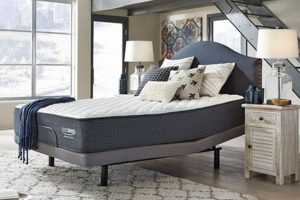
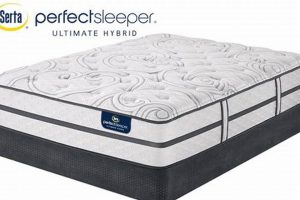
This particular bedding accessory functions as a barrier between the mattress and the sleeper, offering safeguards against spills, allergens, and potential damage. Functionally, it extends the lifespan of the underlying mattress while contributing to a cleaner sleep environment. Its construction typically involves a combination of breathable fabric and a waterproof or water-resistant membrane.
The value of such a product lies in its ability to protect a significant investmentthe mattress. By preventing liquids from penetrating the mattress core, it mitigates the growth of mold and mildew, major contributors to mattress degradation and potential health concerns. Furthermore, it acts as a defense against dust mites and other allergens, crucial for maintaining respiratory health. Historically, such products have evolved from simple fabric coverings to technologically advanced designs incorporating features like temperature regulation and enhanced breathability.
The following sections will delve into the material composition, construction, features, and care instructions associated with these protective layers, allowing for a thorough understanding of their practical applications and long-term value.
Maximizing the Benefits of a Mattress Protective Layer
The effective utilization of a mattress protective layer enhances sleep hygiene and prolongs the lifespan of the mattress. Consider the following guidelines for optimal performance:
Tip 1: Prioritize Breathability: Select a product constructed from breathable materials to mitigate heat retention and promote airflow. This is particularly crucial for individuals prone to night sweats.
Tip 2: Evaluate Waterproofing Capabilities: Assess the degree of waterproofing provided. While water-resistant options offer basic protection, a fully waterproof barrier is recommended in households with children, pets, or for individuals who consume beverages in bed.
Tip 3: Ensure a Snug Fit: The protector should fit snugly on the mattress without shifting or bunching. An ill-fitting protector compromises comfort and diminishes its protective capabilities.
Tip 4: Adhere to Washing Instructions: Follow the manufacturer’s washing instructions meticulously. Improper washing can damage the protective membrane and reduce its effectiveness.
Tip 5: Consider Allergen Protection: For allergy sufferers, opt for a protector specifically designed to block allergens, such as dust mites and pet dander. Look for certifications indicating allergen-blocking capabilities.
Tip 6: Regularly Inspect for Wear and Tear: Periodically examine the protector for signs of damage, such as tears or thinning. Prompt replacement of a damaged protector is essential to maintain mattress protection.
The consistent application of these guidelines ensures that the protective layer delivers optimal benefits, safeguarding the mattress and contributing to a healthier sleep environment.
The subsequent section will address common concerns and misconceptions related to these products, providing further clarity on their practical applications.
1. Waterproof Barrier

The incorporation of a waterproof barrier is a primary function within a total protection mattress pad. This element serves as a defense against liquid penetration, mitigating potential damage to the underlying mattress core. The integrity of this barrier directly impacts the longevity and hygiene of the sleep surface.
- Prevention of Liquid Damage
The primary role of the waterproof barrier is to prevent the absorption of liquids into the mattress. Spills, accidents, and perspiration can all contribute to moisture accumulation, fostering the growth of mold, mildew, and bacteria. The barrier effectively isolates the mattress from these contaminants, preserving its structural integrity and sanitary condition.
- Maintenance of Mattress Warranty
Many mattress warranties are voided if the mattress is stained or damaged by liquids. Utilizing a mattress pad with a waterproof barrier can safeguard against these occurrences, ensuring that the warranty remains valid. This represents a tangible financial benefit, protecting the investment made in the sleep system.
- Protection Against Allergens
A waterproof barrier indirectly contributes to allergen control by preventing the accumulation of moisture, a breeding ground for dust mites and other allergens. By maintaining a dry sleep surface, the environment becomes less hospitable to these organisms, promoting a healthier sleep environment for allergy sufferers.
- Material Composition and Construction
The effectiveness of the waterproof barrier is dependent on the materials used and the construction techniques employed. Common materials include polyurethane films or laminated fabrics. The barrier must be both impermeable to liquids and sufficiently durable to withstand regular use and laundering. A compromised barrier negates its protective capabilities.
The integration of a functional waterproof barrier into a total protection mattress pad provides a crucial safeguard against liquid damage, contributing to mattress longevity, warranty preservation, and a healthier sleep environment. The selection of a mattress pad with a robust and well-constructed waterproof barrier is a significant factor in maintaining the integrity of the sleep system.
2. Allergen Resistance

The incorporation of allergen-resistant properties within a total protection mattress pad is a critical feature for promoting sleep hygiene and mitigating allergic reactions. The design and materials employed directly influence the pad’s ability to act as a barrier against common allergens found in the sleep environment.
- Dust Mite Barrier
Dust mites are a pervasive allergen found in bedding. A tightly woven fabric or a specialized membrane within the mattress pad creates a physical barrier, preventing dust mites from colonizing the mattress core. This barrier minimizes exposure to dust mite allergens, reducing respiratory symptoms and skin irritation. The effectiveness of this barrier depends on the pore size of the fabric or membrane, with smaller pore sizes offering superior protection.
- Pet Dander Reduction
For pet owners, dander can be a significant source of allergens in the bedroom. A mattress pad with allergen-resistant properties can trap pet dander, preventing it from penetrating the mattress. Regular washing of the pad removes the accumulated dander, maintaining a cleaner sleep environment. The material’s ability to bind and retain dander until washing is a key factor in its effectiveness.
- Mold and Mildew Prevention
Moisture accumulation within a mattress can lead to the growth of mold and mildew, potent allergens that trigger respiratory problems and other health issues. By creating a waterproof or water-resistant barrier, the mattress pad prevents moisture from reaching the mattress core, inhibiting the growth of these allergens. The breathability of the pad is also crucial to prevent moisture build-up and promote air circulation.
- Pollen Filtration
Pollen can enter the home through open windows or be carried in on clothing, settling on bedding and triggering allergic reactions. While not the primary function, a tightly woven mattress pad can provide a degree of pollen filtration, reducing the concentration of pollen allergens on the sleep surface. The fabric’s density and weave pattern influence its ability to capture pollen particles.
The cumulative effect of these allergen-resistant properties significantly enhances the overall sleep environment. Selecting a total protection mattress pad with proven allergen-blocking capabilities is a proactive step toward minimizing allergen exposure and promoting restful, symptom-free sleep. The long-term benefits include improved respiratory health and reduced reliance on allergy medications.
3. Breathable Fabric
Breathable fabric, when incorporated into a total protection mattress pad, serves as a critical component in regulating temperature and maintaining sleep comfort. Its primary function is to facilitate the circulation of air, mitigating heat retention and preventing the buildup of moisture that can disrupt sleep quality.
- Moisture Wicking and Evaporation
Breathable fabrics are often engineered to wick away moisture from the body, drawing perspiration away from the skin and promoting its evaporation. This process helps to maintain a cooler and drier sleep surface, reducing the likelihood of night sweats and improving overall sleep comfort. For example, fabrics like Tencel or certain performance knits are designed to accelerate moisture wicking and evaporation, contributing to a more comfortable sleep experience.
- Airflow and Ventilation
The structure of breathable fabrics allows for increased airflow, preventing the entrapment of heat and humidity within the mattress pad. This ventilation helps to regulate temperature, keeping the sleeper from overheating during the night. Fabrics with open weaves or specialized constructions, such as those incorporating micro-perforations, enhance airflow and promote effective temperature regulation. This is particularly beneficial for individuals who tend to sleep hot.
- Reduced Allergen Proliferation
By minimizing moisture accumulation, breathable fabrics indirectly contribute to a reduction in allergen proliferation. A drier sleep environment is less conducive to the growth of mold, mildew, and dust mites, all of which are common allergens that can exacerbate respiratory issues and disrupt sleep. The promotion of airflow helps to keep the mattress and the surrounding bedding dry, creating a less hospitable environment for these allergens.
- Enhanced Comfort and Sleep Quality
The combined effects of moisture wicking, airflow, and allergen reduction contribute to a more comfortable and hygienic sleep environment. By regulating temperature and minimizing allergens, breathable fabrics enhance sleep quality, promoting restful and restorative sleep. This is especially important for individuals with sensitive skin or respiratory conditions, where a comfortable and allergen-free sleep surface is essential.
In summary, the incorporation of breathable fabric into a total protection mattress pad is a vital consideration for optimizing sleep comfort and hygiene. By facilitating moisture wicking, promoting airflow, and reducing allergen proliferation, breathable fabrics contribute to a more restful and healthier sleep experience, underscoring their importance in a comprehensive mattress protection strategy.
4. Secure Fit

A secure fit, in the context of a total protection mattress pad, refers to the ability of the pad to remain firmly in place on the mattress without shifting, bunching, or detaching during normal use. This stability is paramount to ensuring consistent protection and maintaining sleep comfort. A poorly fitting pad compromises its protective capabilities and can lead to sleep disruptions.
- Elasticized Skirting and Anchor Bands
Many mattress pads employ elasticized skirting, similar to that found on fitted sheets, to secure the pad around the perimeter of the mattress. Some designs incorporate additional anchor bands at the corners to further enhance stability. These features are designed to accommodate varying mattress depths and prevent the pad from slipping off, particularly during movement throughout the night. A well-designed skirting system is crucial for maintaining a secure fit.
- Proper Sizing and Dimensions
Selecting the correct size mattress pad is fundamental to achieving a secure fit. Mattress sizes vary (Twin, Twin XL, Full, Queen, King, California King), and it is imperative to choose a pad that corresponds precisely to the mattress dimensions. A pad that is too small will not adequately cover the mattress, while one that is too large will be prone to bunching and shifting. Accurate measurement and attention to product specifications are essential for ensuring proper sizing.
- Material Friction and Surface Adhesion
The materials used in the construction of the mattress pad can influence its ability to maintain a secure fit. Some fabrics exhibit greater friction against the mattress surface, which helps to prevent slippage. Additionally, some pads incorporate a non-slip backing or surface treatment to enhance adhesion. These features can be particularly beneficial for mattresses with smooth or slick surfaces that tend to promote pad movement.
- Impact on Protective Functionality
A secure fit directly impacts the protective functionality of the mattress pad. If the pad shifts or detaches, portions of the mattress become exposed to potential spills, allergens, and damage. This compromises the intended purpose of the pad, negating its protective benefits. A consistently secure fit ensures that the entire mattress surface remains protected at all times, maximizing the pad’s effectiveness.
The integration of these features elasticized skirting, accurate sizing, material friction, and a focus on consistent coverage is essential for delivering a secure fit in a total protection mattress pad. This secure fit is not merely a matter of comfort; it is a fundamental aspect of ensuring the pad’s protective capabilities and safeguarding the mattress against potential damage and allergens. Therefore, careful consideration should be given to the fit and security features of a mattress pad to maximize its value and effectiveness.
5. Washable Material
The incorporation of washable materials into a total protection mattress pad is a critical design element directly impacting hygiene and longevity. The ability to launder the pad regularly removes accumulated allergens, dust mites, spills, and body fluids. The absence of this feature renders the pad a potential reservoir for contaminants, negating its intended purpose of promoting a cleaner sleep environment. For example, a pad subjected to accidental spills without the ability to be washed would harbor bacteria and odors, potentially leading to mattress damage and health concerns.
The washability of the material is intrinsically linked to its composition and construction. Durable fabrics like cotton blends or microfiber are frequently used, as they can withstand repeated wash cycles without significant degradation. Furthermore, the waterproof membrane, if present, must also be washable without compromising its integrity. Failure to maintain washability results in the accumulation of allergens and contaminants, ultimately diminishing the lifespan and hygiene of the mattress pad and potentially impacting the health of the user. Consider the scenario of individuals with allergies or asthma, where regular washing of the mattress pad becomes paramount for managing symptoms and maintaining a healthy sleep environment.
In conclusion, washable material represents a fundamental aspect of a total protection mattress pad, directly affecting its hygiene, lifespan, and protective capabilities. The ease and effectiveness of washing are directly correlated with the pad’s ability to maintain a clean sleep surface. While other features like waterproofing and allergen resistance contribute to its overall functionality, the ability to be washed remains a key determinant of its long-term value and contribution to sleep hygiene. The practicality and hygienic benefits of a washable mattress pad cannot be overstated in maintaining a clean and healthy sleep environment, linking directly to the core purpose of such a protective layer.
6. Mattress Longevity

Mattress longevity, the duration for which a mattress retains its structural integrity and intended comfort level, is directly influenced by the implementation of protective measures. A significant factor contributing to the preservation of a mattress’s lifespan is the utilization of a “sleep number total protection mattress pad.” This protective layer serves as a barrier against various detrimental elements that accelerate mattress degradation. For instance, the accumulation of moisture from spills or perspiration creates an environment conducive to mold and mildew growth, weakening the mattress fibers and compromising its support. A total protection mattress pad, with its waterproof properties, effectively mitigates this risk, thereby extending the mattress’s functional lifespan. The absence of such protection subjects the mattress to avoidable damage, leading to premature replacement and increased expenditure.
Furthermore, the impact of allergens on mattress longevity should be considered. Dust mites, common inhabitants of bedding, burrow into mattress fibers, contributing to their breakdown and reducing the overall hygiene of the sleep surface. The “sleep number total protection mattress pad,” engineered with allergen-resistant materials, creates a barrier against these organisms, preventing their ingress and preserving the mattress’s structural integrity. By minimizing the accumulation of allergens, the mattress remains cleaner and more resilient over time, prolonging its usable life. Without this protective barrier, the mattress becomes a breeding ground for allergens, necessitating more frequent replacement cycles and incurring greater long-term costs. Regular use can extend the life expectancy of a quality mattress by years, potentially saving hundreds or thousands of dollars in replacement costs. The physical barrier minimizes wear and tear, maintaining the mattress’s shape and support system for a longer period. This is particularly important for mattresses with advanced support technologies, as it helps preserve their intended function.
In summary, the proactive application of a “sleep number total protection mattress pad” is a crucial element in maximizing mattress longevity. Its protective properties shield the mattress from moisture, allergens, and physical wear, preserving its structural integrity and extending its usable lifespan. Understanding this connection has significant practical implications, enabling informed decisions regarding mattress care and reducing the financial burden associated with premature mattress replacement. While seemingly a minor investment, the long-term benefits of a mattress pad in preserving mattress health are substantial and warrant careful consideration.
Frequently Asked Questions
The following addresses common inquiries regarding the functionality, care, and benefits associated with a Sleep Number total protection mattress pad.
Question 1: How does the product actually safeguard against liquid spills?
The pad incorporates a waterproof membrane, typically composed of polyurethane or a similar impermeable material, laminated to the fabric surface. This barrier prevents liquids from penetrating the mattress core.
Question 2: What cleaning protocols are recommended for maintaining the product’s effectiveness?
The pad should be machine washed in cold water on a gentle cycle, followed by low-heat tumble drying. Avoid bleach or harsh detergents, as they can compromise the waterproof membrane.
Question 3: Does the mattress pad introduce any discernible changes in sleep surface temperature?
High-quality pads utilize breathable fabrics to minimize heat retention. However, individuals particularly sensitive to temperature variations may experience a slight increase in warmth, depending on the specific materials used.
Question 4: How frequently should this protective layer be replaced to ensure consistent hygiene and protection?
Under normal usage conditions, a replacement interval of 1-2 years is generally recommended. More frequent replacement may be necessary in cases of heavy soiling or visible wear.
Question 5: Is the product specifically designed to mitigate the proliferation of dust mites and other common allergens?
The pad’s tightly woven fabric acts as a barrier against dust mites. Additionally, the washable nature of the material facilitates the removal of allergens through regular laundering.
Question 6: Does the use of this product void the existing warranty of the underlying mattress?
The usage of a mattress pad generally does not void the mattress warranty, provided that the pad is used in accordance with the manufacturer’s instructions. In fact, many mattress warranties are voided by stains, thus the use of a mattress pad preserves the warranty.
In summary, the Sleep Number total protection mattress pad offers a valuable defense against spills, allergens, and general wear, contributing to the longevity and hygiene of the mattress.
The subsequent section will offer a comparative analysis of various mattress pad options, enabling informed purchasing decisions.
Concluding Remarks
This exploration has elucidated the multifaceted role of the “sleep number total protection mattress pad” in safeguarding the sleep environment. From preventing liquid damage and mitigating allergen proliferation to enhancing mattress longevity and promoting overall hygiene, its benefits extend beyond mere comfort. The selection of a suitable mattress pad, therefore, warrants careful consideration, factoring in material composition, waterproof capabilities, breathability, and ease of maintenance. These considerations ensure that the chosen pad aligns with individual needs and effectively fulfills its intended protective function.
The continued advancement of textile technology promises even more sophisticated mattress protection solutions in the future. Consumers are encouraged to remain informed about these innovations and to prioritize the health and longevity of their sleep systems. Ultimately, a well-maintained and protected mattress represents a significant investment in personal well-being, contributing to improved sleep quality and overall health.