Mattress enhancements designed to improve sleep quality through innovative materials and construction constitute a significant category within the bedding industry. These products, typically placed atop a mattress, aim to provide additional comfort, support, or temperature regulation. For instance, a memory foam layer added to a firm mattress can alleviate pressure points and contribute to a more restful sleep experience.
The benefits of incorporating such an addition into one’s sleep environment are multifaceted. Historically, individuals have sought ways to modify their existing mattresses to avoid the expense of replacement. Modern iterations offer targeted solutions, from addressing back pain to minimizing motion transfer between sleep partners. Their importance lies in their ability to customize a sleeping surface to individual needs, offering a cost-effective and adaptable approach to sleep optimization.
The following sections will delve into the various material types employed in the creation of these sleep enhancements, examining their respective properties and suitability for different sleep preferences. Furthermore, the discussion will explore the impact of design features, such as zoning and ventilation, on the overall effectiveness of this product category.
Guidance on Selecting Mattress Enhancements
This section offers advice on choosing a product designed to augment mattress comfort and support, focusing on key considerations for optimal sleep quality.
Tip 1: Assess Individual Needs: Identify specific sleep concerns, such as pressure relief, temperature regulation, or spinal alignment, to narrow down product options. For example, individuals with back pain may benefit from a memory foam formulation, while those prone to overheating might prefer a material with enhanced breathability.
Tip 2: Consider Material Properties: Different materials offer varying levels of support, conformity, and durability. Memory foam provides contouring and pressure relief, latex offers a responsive and resilient surface, and down alternatives offer a soft and plush feel. Investigate material specifications and certifications to ensure suitability.
Tip 3: Evaluate Density and Thickness: Density influences support and longevity, while thickness affects the degree of alteration to the existing mattress feel. Higher density materials generally provide greater support and resist compression over time. Select thickness based on the desired level of comfort and the existing mattress’s firmness.
Tip 4: Examine Construction and Design: Features like zoning, which provides targeted support to different areas of the body, and ventilation channels, which promote airflow and temperature regulation, can enhance the overall sleep experience. Evaluate these design elements based on individual needs and preferences.
Tip 5: Review Product Certifications: Certifications such as CertiPUR-US or OEKO-TEX indicate that the product has been tested for harmful substances and meets specific safety standards. Look for these certifications to ensure the product is safe and healthy for sleep.
Tip 6: Read Customer Reviews: Explore customer feedback to gain insights into real-world performance and durability. Pay attention to recurring themes and consider both positive and negative reviews to form a balanced assessment.
Selecting the appropriate mattress enhancement requires careful consideration of individual needs, material properties, and construction features. By following these guidelines, individuals can make informed decisions to improve sleep quality and overall well-being.
The subsequent sections will provide a detailed analysis of common materials used in the production of these additions, exploring their individual characteristics and benefits in greater depth.
1. Material Science

Material science forms the bedrock of advancements in mattress topper technology. The selection and manipulation of materials directly influence the comfort, support, and durability characteristics of these sleep surface enhancements. Understanding the properties of various materials allows manufacturers to engineer toppers with specific performance attributes. For instance, the development of viscoelastic memory foam, a key material in many toppers, stems directly from material science research. Its ability to conform to the body’s contours, distributing pressure and reducing strain on joints, is a direct consequence of its unique molecular structure and density.
The impact of material science extends beyond comfort and into areas such as temperature regulation. Traditional memory foam can retain heat, leading to discomfort for some users. Material science has enabled the creation of open-cell foam structures and the infusion of cooling gels or phase-change materials to mitigate this issue. These innovations actively dissipate heat, creating a more comfortable sleep environment. Furthermore, the durability of a mattress topper is intrinsically linked to the material composition and manufacturing processes. Materials resistant to compression and degradation ensure the topper maintains its shape and support characteristics over time. For example, latex, derived from natural or synthetic sources, offers superior resilience and longevity compared to some conventional foams.
In conclusion, material science is an indispensable component of mattress topper innovation. The careful selection and manipulation of materials directly affect the performance characteristics of these sleep enhancements. As material science continues to advance, so too will the capabilities of mattress toppers to provide customized comfort, support, and improved sleep quality. Challenges remain in balancing performance attributes, cost, and environmental sustainability, but ongoing research promises to unlock new materials and manufacturing techniques that will further refine the landscape of sleep technology.
2. Ergonomic Design

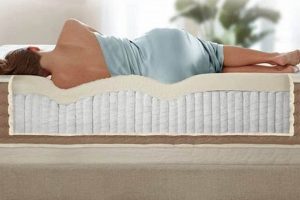
Ergonomic design is intrinsically linked to advancements in mattress toppers, influencing their effectiveness in promoting proper spinal alignment and pressure distribution during sleep. Poor ergonomic design can exacerbate existing musculoskeletal issues or contribute to the development of new ones. Conversely, a well-designed mattress topper, informed by ergonomic principles, can mitigate these risks by providing targeted support and conforming to the body’s natural curves. An example is the use of zoned construction, where different areas of the topper are engineered with varying firmness levels to accommodate different body regions. This allows for greater support under the hips and shoulders while providing more cushioning for the torso and legs. The application of ergonomic principles to mattress topper design directly impacts sleep quality by reducing pressure points, minimizing tossing and turning, and improving overall comfort.
The integration of ergonomic considerations extends to the selection of materials and construction techniques. Memory foam, for instance, is often chosen for its ability to conform to the body’s shape, providing individualized support. However, the density and thickness of the memory foam layer must be carefully calibrated to ensure it provides adequate support without causing excessive sinking or pressure build-up. Similarly, the use of latex, with its inherent elasticity and responsiveness, allows for dynamic support that adjusts to changes in sleeping position. The overall design of the topper, including its profile and surface texture, also plays a role in promoting proper spinal alignment and pressure distribution. Textured surfaces can enhance airflow and reduce friction, while contoured profiles can provide targeted support to specific areas of the body.
In conclusion, ergonomic design is a crucial component of effective mattress topper advancements. By applying ergonomic principles to material selection, construction techniques, and overall design, manufacturers can create toppers that optimize spinal alignment, reduce pressure points, and improve sleep quality. The practical significance of this understanding lies in the potential to alleviate pain, reduce discomfort, and promote restorative sleep. Ongoing research and development in ergonomics continue to refine mattress topper design, addressing the diverse needs and preferences of individuals seeking improved sleep surfaces.
3. Temperature Regulation

Temperature regulation is a critical factor in mattress topper innovation, directly influencing sleep quality and overall comfort. Overheating during sleep is a common cause of discomfort, leading to restlessness, frequent awakenings, and disrupted sleep cycles. Advancements in mattress topper technology have increasingly focused on addressing this issue through the incorporation of materials and designs that promote airflow and heat dissipation. For example, open-cell foam structures, infused gels, and phase-change materials are now prevalent in many toppers, all serving to mitigate heat retention. The effectiveness of temperature regulation in a mattress topper directly impacts its ability to provide a comfortable and restorative sleep environment.
The practical application of temperature-regulating technologies in mattress toppers manifests in various forms. Open-cell foam allows for improved ventilation compared to traditional memory foam, facilitating the movement of air and the dispersion of heat. Infused gels, often containing materials like graphite or copper, absorb and conduct heat away from the body. Phase-change materials, which can absorb or release heat as they transition between solid and liquid states, further enhance temperature control. The design of the topper, including the presence of ventilation channels or a breathable cover fabric, also contributes to its overall temperature regulation capabilities. These features collectively aim to create a sleeping surface that remains cool and comfortable throughout the night.
In conclusion, temperature regulation is an indispensable component of mattress topper design. The ability of a topper to effectively manage heat and moisture significantly impacts sleep quality. While advancements in materials and design have yielded significant improvements, challenges remain in balancing temperature regulation with other performance attributes such as comfort, support, and durability. Ongoing research and development continue to explore new materials and technologies to further enhance the temperature regulation capabilities of mattress toppers, ultimately leading to improved sleep experiences.
4. Pressure Relief

Pressure relief constitutes a fundamental consideration in the design and functionality of mattress toppers. Its efficacy directly correlates with the alleviation of discomfort and the promotion of restorative sleep, thereby positioning it as a core objective in mattress topper innovation.
- Material Conformability and Distribution
The ability of a mattress topper’s material to conform to the body’s contours significantly influences pressure relief. Materials such as memory foam and latex exhibit viscoelastic properties that allow them to distribute weight evenly, minimizing localized pressure points. This is particularly beneficial for individuals with joint pain or those who sleep in positions that concentrate pressure on specific areas, such as the hips or shoulders. Insufficient conformability can lead to increased pressure, reduced blood flow, and subsequent discomfort.
- Zoned Support Systems
Zoned support systems within a mattress topper address pressure relief by providing differentiated levels of firmness across the sleep surface. This design strategy targets areas of the body that require greater support, such as the lumbar region, while offering more cushioning to areas that exert higher pressure, like the shoulders. By tailoring the support to the specific needs of different body zones, zoned systems can optimize spinal alignment and minimize pressure concentrations, leading to improved sleep quality.
- Thickness and Density Considerations
The thickness and density of a mattress topper significantly impact its ability to provide adequate pressure relief. A topper that is too thin may not offer sufficient cushioning to alleviate pressure points, while a topper that is too dense may feel overly firm and lack conformability. Selecting the appropriate thickness and density requires careful consideration of individual body weight, sleeping position, and existing mattress firmness. A balanced combination ensures that the topper provides both adequate support and effective pressure relief.
- Surface Texture and Friction Reduction
The surface texture of a mattress topper can influence pressure relief by affecting the amount of friction between the body and the sleep surface. Smooth surfaces generally reduce friction, allowing for easier movement and minimizing pressure build-up. Some toppers incorporate textured surfaces to promote airflow and further reduce friction. Materials with low friction coefficients can contribute to a more comfortable sleep experience by reducing pressure-induced discomfort and promoting greater ease of movement during the night.
The multifaceted nature of pressure relief highlights its centrality to the development of effective mattress toppers. By strategically employing material properties, zoned support systems, and surface textures, manufacturers aim to create products that alleviate pressure points, promote spinal alignment, and ultimately contribute to a more restful and restorative sleep experience. Continuous innovation in this area will likely lead to further refinements in mattress topper design and enhanced solutions for individuals seeking pressure relief.
5. Motion Isolation

Motion isolation, a key component of sleep quality, is directly influenced by mattress topper advancements. The design and materials used in these toppers often determine the extent to which movement on one side of the bed is transferred to the other. Materials like memory foam and latex are particularly effective at absorbing motion, preventing disturbances that can interrupt sleep. The practical significance of this is evident in shared sleeping arrangements, where one partner’s movements can disrupt the other’s rest. The integration of effective motion isolation technologies into mattress toppers aims to mitigate these disruptions, promoting more continuous and restorative sleep.
The effectiveness of motion isolation is primarily determined by the material’s ability to dampen vibrations and prevent their propagation across the mattress surface. High-density foams, for example, tend to provide superior motion isolation compared to innerspring systems. Real-world examples include couples reporting significantly fewer sleep disturbances after incorporating a memory foam or latex mattress topper designed for motion isolation. The design of the topper itself, such as the presence of multiple layers or specialized construction techniques, can further enhance its motion isolation capabilities. This is crucial for individuals who are light sleepers or have partners who tend to move frequently during the night.
In conclusion, motion isolation is an integral aspect of sleep enhancement facilitated by mattress topper innovations. The proper implementation of motion-isolating materials and design features directly impacts the quality of sleep for individuals sharing a bed. While challenges remain in balancing motion isolation with other factors such as comfort and temperature regulation, ongoing advancements continue to refine mattress topper technology, ultimately leading to more restful and undisturbed sleep experiences. Understanding the cause-and-effect relationship between materials, design, and motion isolation is essential for selecting a mattress topper that meets individual sleep needs.
6. Hygiene

Hygiene is a critical, often overlooked, aspect of mattress topper advancements. Direct and prolonged contact with the body during sleep necessitates that these products maintain a high level of cleanliness to minimize the risk of allergen exposure, bacterial growth, and overall deterioration of sleep quality.
- Material Composition and Antimicrobial Properties
The materials used in mattress toppers directly influence their hygienic characteristics. Certain materials, such as latex, possess inherent antimicrobial properties that inhibit the growth of bacteria and mold. Conversely, traditional memory foam can be susceptible to moisture retention, creating a favorable environment for microbial proliferation. The inclusion of antimicrobial treatments in the manufacturing process can enhance the hygienic properties of various materials, reducing the risk of allergen and bacterial build-up. Proper material selection and treatment are crucial for maintaining a clean sleep surface.
- Washability and Cleanability
The ability to wash or easily clean a mattress topper significantly contributes to its hygienic maintenance. Removable, machine-washable covers provide a convenient means of removing surface contaminants and allergens. Toppers without removable covers require alternative cleaning methods, such as spot cleaning or professional laundering, which may be less effective in removing deeply embedded allergens and microorganisms. The ease of cleaning directly impacts the long-term hygienic state of the topper.
- Ventilation and Moisture Management
Effective ventilation is essential for preventing moisture accumulation within a mattress topper. Moisture creates a breeding ground for mold, mildew, and dust mites, all of which can trigger allergic reactions and respiratory problems. Toppers with open-cell structures or ventilation channels promote airflow, facilitating the evaporation of moisture and reducing the risk of microbial growth. Proper moisture management is critical for maintaining a hygienic sleep environment, especially in humid climates.
- Allergen Resistance and Hypoallergenic Properties
Mattress toppers marketed as hypoallergenic are designed to minimize the accumulation of allergens such as dust mites, pet dander, and pollen. Tightly woven covers and hypoallergenic fill materials prevent allergens from penetrating the topper and causing allergic reactions. For individuals with allergies or asthma, selecting a topper with proven allergen-resistant properties is crucial for creating a healthy sleep environment.
In conclusion, hygiene is an integral component of mattress topper functionality, influencing both sleep quality and overall health. The selection of materials with antimicrobial properties, the incorporation of washable covers, the promotion of ventilation, and the use of allergen-resistant designs all contribute to a more hygienic sleep surface. Continuous advancements in these areas promise to further enhance the hygienic performance of mattress toppers, creating healthier and more restorative sleep environments. Neglecting the hygienic aspects of mattress toppers can lead to the proliferation of allergens and microorganisms, negatively impacting sleep quality and potentially compromising health.
7. Durability

The longevity of a mattress topper is a crucial determinant of its overall value proposition, directly impacting its cost-effectiveness and the sustained quality of sleep it provides. Innovations in mattress topper design and materials are inherently linked to enhancing durability, as consumers seek products that maintain their integrity and performance characteristics over extended periods. A mattress topper’s susceptibility to compression, deformation, and degradation dictates its effective lifespan, influencing the frequency with which it must be replaced. Consequently, manufacturers increasingly focus on incorporating durable materials and advanced construction techniques to extend the serviceable life of their products.
The practical implications of durability are significant. For example, a high-density memory foam topper, engineered to resist permanent indentation, may maintain its support and pressure-relieving properties for several years, whereas a lower-quality alternative might exhibit significant sagging within a shorter timeframe. Similarly, latex toppers, known for their resilience, offer inherent resistance to compression and tearing, contributing to their extended lifespan. Construction methods also play a critical role; reinforced seams and durable cover fabrics enhance the topper’s ability to withstand daily wear and tear. The economic benefit of increased durability is evident in the reduced frequency of replacements, translating to long-term savings for the consumer. Furthermore, a durable topper consistently delivers the intended sleep benefits, ensuring uninterrupted comfort and support.
In conclusion, durability is a critical attribute driving innovations in mattress topper technology. Enhancements in materials, construction methods, and design are all geared towards extending the lifespan of these products. The correlation between durability and long-term value, sustained sleep quality, and reduced environmental impact underscores its importance. Ongoing research and development are continually pushing the boundaries of mattress topper durability, striving for products that offer lasting performance and a sustained return on investment for the consumer.
Frequently Asked Questions
The following addresses common inquiries concerning mattress enhancements designed to improve sleep through innovative technologies. These answers provide factual information to guide informed decisions.
Question 1: What is the typical lifespan of mattress topper sleep innovations?
The lifespan varies depending on material composition and usage frequency. High-density memory foam or latex toppers typically last between three to five years. Less dense materials may exhibit signs of wear within one to two years.
Question 2: How does material selection impact the performance of mattress topper sleep innovations?
Material selection directly influences comfort, support, temperature regulation, and durability. Memory foam provides contouring and pressure relief, while latex offers responsiveness and breathability. The optimal material depends on individual sleep preferences and needs.
Question 3: What are the key considerations for maintaining hygiene in mattress topper sleep innovations?
Regular cleaning, the use of a mattress protector, and choosing toppers with antimicrobial properties are essential for maintaining hygiene. Removable, washable covers are highly recommended to minimize allergen accumulation and microbial growth.
Question 4: Can mattress topper sleep innovations alleviate back pain?
Certain toppers, particularly those with zoned support or made from memory foam, can alleviate back pain by promoting proper spinal alignment and reducing pressure points. However, the effectiveness varies depending on the underlying cause of the pain and the individual’s physical condition.
Question 5: How do temperature-regulating mattress topper sleep innovations function?
Temperature-regulating toppers utilize materials such as open-cell foam, infused gels, or phase-change materials to dissipate heat and promote airflow. These features help maintain a comfortable sleep temperature, minimizing overheating and night sweats.
Question 6: Are all mattress topper sleep innovations compatible with any type of mattress?
Most toppers are compatible with a wide range of mattresses, including innerspring, memory foam, and hybrid models. However, the topper’s thickness and firmness should be chosen to complement the existing mattress for optimal comfort and support.
These FAQs offer a concise overview of key considerations regarding mattress enhancement technologies. Understanding these factors enables consumers to make informed purchasing decisions aligned with their individual sleep requirements.
The subsequent section will explore case studies that demonstrate the practical application and effectiveness of mattress enhancement solutions in addressing specific sleep-related issues.
Conclusion
This exploration has elucidated the multifaceted nature of mattress topper sleep innovations. The analysis encompasses material science, ergonomic design, temperature regulation, pressure relief, motion isolation, hygiene, and durability. Each facet contributes significantly to the overall effectiveness of these enhancements in optimizing sleep quality. The synthesis of these elements determines the extent to which such products address individual needs and preferences in pursuit of restorative rest.
The ongoing development and refinement of mattress topper sleep innovations hold substantial implications for the bedding industry and individual well-being. Continued investment in research and development is essential to further enhance the performance, longevity, and hygienic properties of these products. The optimization of sleep surfaces remains a critical pursuit, reflecting the profound impact of sleep quality on overall health and productivity. Further investigation into tailored solutions for specific sleep disorders or physical conditions promises to unlock new possibilities for improving sleep experiences.