A sleeping arrangement where a mattress is placed directly on the floor, foregoing the use of a bed frame or foundation, presents an alternative to traditional bed setups. This configuration can range from thin, foldable mats to thicker, more substantial mattress types designed for direct floor contact. For example, a futon mattress laid directly on a tatami mat exemplifies this practice.
This practice offers several potential advantages. It can provide a firmer sleeping surface, which some individuals find beneficial for back support. Furthermore, this arrangement can be a cost-effective option, eliminating the need for additional furniture. Historically, sleeping on the floor has been a common practice in various cultures, often dictated by necessity or cultural norms related to minimalism and space utilization.
The subsequent discussion will explore the various types of mattresses suitable for floor placement, examine the potential health implications, and provide guidance on proper maintenance to mitigate risks associated with moisture and hygiene.
Guidance for Floor Mattress Use
Proper utilization of a mattress placed directly on the floor requires careful consideration to ensure hygiene, comfort, and structural integrity of the sleeping surface.
Tip 1: Prioritize Mattress Breathability: Select a mattress constructed with breathable materials, such as natural latex, open-cell foam, or those containing ventilation channels. Adequate airflow minimizes moisture accumulation beneath the mattress, reducing the risk of mold and mildew growth.
Tip 2: Employ a Moisture Barrier: A waterproof mattress protector or a moisture-wicking underlayment should be utilized. This barrier prevents sweat, spills, and condensation from penetrating the mattress, thus preserving its integrity and hygiene.
Tip 3: Regular Uprighting and Ventilation: Periodically prop the mattress upright against a wall to allow air circulation beneath it. This practice facilitates the evaporation of any accumulated moisture and inhibits the development of microbial growth. Aim for weekly intervals, or more frequently in humid environments.
Tip 4: Maintain Floor Cleanliness: Regularly clean the floor beneath the mattress to remove dust, debris, and potential allergens. Vacuuming or sweeping the area on a consistent basis is essential for promoting a hygienic sleeping environment.
Tip 5: Consider a Platform Base: If feasible, utilize a slatted platform base designed for floor placement. This elevates the mattress slightly, improving airflow and minimizing direct contact with the floor surface.
Tip 6: Rotate the Mattress Regularly: Rotate the mattress end-to-end and flip it (if applicable) on a consistent schedule. This distributes wear evenly and prolongs the lifespan of the sleeping surface.
Tip 7: Inspect Frequently for Moisture: Regularly check the underside of the mattress for signs of moisture accumulation or mold growth. Early detection allows for prompt intervention to prevent further damage or health hazards.
Adhering to these guidelines can contribute to a cleaner, more comfortable, and healthier sleeping experience when utilizing a mattress on the floor. The mitigation of moisture buildup is paramount to ensure longevity and prevent potential health concerns.
The subsequent sections will address specific mattress types suitable for floor use and further elaborate on the implications for overall well-being.
1. Firmness Preference

Firmness preference constitutes a critical determinant in the overall satisfaction and potential health benefits derived from a floor-based mattress arrangement. The selection of a mattress with an appropriate firmness level is not merely a matter of comfort, but also directly impacts spinal alignment, pressure point relief, and overall sleep quality.
- Spinal Alignment and Support
A mattress that is too soft may fail to provide adequate support, leading to spinal misalignment and potential back pain. Conversely, an excessively firm mattress may create pressure points, particularly at the hips and shoulders. The optimal firmness level depends on individual body weight, sleeping position, and pre-existing musculoskeletal conditions. For example, individuals with scoliosis or chronic back pain may require a mattress that provides targeted support to specific areas of the spine.
- Pressure Point Relief
The direct contact of a mattress with the floor can amplify the impact of firmness on pressure points. A mattress that does not adequately conform to the body’s contours may lead to discomfort and disrupted sleep. Materials such as memory foam or latex, which offer enhanced contouring properties, may be preferable for those seeking pressure relief. Individuals who primarily sleep on their sides, for instance, often benefit from a softer mattress that cushions the shoulders and hips.
- Body Weight Distribution
Body weight significantly influences the perceived firmness of a mattress. Lighter individuals may find a firmer mattress uncomfortable, while heavier individuals may require a firmer surface to prevent excessive sinking. The distribution of weight also plays a role, as individuals with wider hips or shoulders may need a mattress that accommodates these variations. For example, a heavier individual may require a hybrid mattress with a combination of coils and foam to provide adequate support and prevent bottoming out.
- Subjective Comfort and Preference
Ultimately, the ideal firmness level is a matter of personal preference. While objective factors such as spinal alignment and pressure relief are important, the subjective perception of comfort is also crucial. Individuals should experiment with different firmness levels to determine what feels most comfortable and conducive to restful sleep. This may involve testing mattresses in a store or utilizing a trial period offered by online retailers. For instance, some individuals may prefer the feel of a firm mattress, while others may find a softer surface more relaxing.
In conclusion, the selection of an appropriately firm mattress for floor placement necessitates a careful consideration of individual needs and preferences. Prioritizing spinal alignment, pressure point relief, and body weight distribution, while also factoring in subjective comfort, can significantly enhance the sleep experience and mitigate potential health concerns associated with improper support.
2. Air Circulation

Adequate air circulation represents a critical component of maintaining a hygienic and structurally sound sleeping environment when a mattress is placed directly on the floor. The absence of a raised bed frame inherently restricts airflow beneath the mattress, creating a conducive environment for moisture accumulation. This trapped moisture, stemming from perspiration, spills, or ambient humidity, fosters the growth of mold, mildew, and bacteria. The resultant consequences range from unpleasant odors and mattress degradation to potential health risks, including allergic reactions and respiratory issues. For instance, in humid climates, mattresses without sufficient ventilation can rapidly develop mold, necessitating costly replacements and potentially impacting indoor air quality.
Implementing strategies to enhance air circulation mitigates these risks. Regularly elevating the mattress for ventilation purposes, utilizing breathable mattress materials (such as natural latex or open-cell foam), and employing moisture-wicking underlays serve as effective countermeasures. Furthermore, maintaining a clean and dry floor surface beneath the mattress is essential. Consider the example of a futon mattress directly placed on a poorly ventilated concrete floor in a basement. Without proactive ventilation measures, the mattress is highly susceptible to moisture absorption from the concrete, leading to rapid deterioration and potential health hazards. The use of a slatted platform designed for floor placement offers a practical solution by creating a physical separation between the mattress and the floor, thereby promoting airflow.
In summary, prioritizing air circulation is paramount for ensuring the longevity, hygiene, and safety of a mattress positioned directly on the floor. Neglecting this factor can lead to a cascade of negative consequences, ranging from material degradation to adverse health effects. Implementing preventative measures and selecting appropriate materials are crucial for maintaining a healthy and comfortable sleeping environment in this configuration. The awareness of this connection allows a better decision when it comes to sleeping solutions.
3. Moisture Control

The management of moisture is a critical factor in determining the longevity and hygiene of a mattress placed directly on the floor. The absence of elevation, typically provided by a bed frame, restricts airflow and creates an environment conducive to moisture accumulation. This can lead to a range of undesirable consequences, including mold growth, bacterial proliferation, and material degradation.
- Source of Moisture
Moisture accumulation originates from several sources. Perspiration emitted during sleep is a primary contributor, as are spills or accidents. Additionally, condensation can form beneath the mattress due to temperature differentials between the floor and the sleeping surface, particularly in humid climates or uninsulated rooms. For example, a memory foam mattress placed on a concrete floor in a basement is highly susceptible to condensation buildup due to the inherent thermal properties of concrete and the foam’s restricted airflow.
- Material Properties and Breathability
Mattress materials vary significantly in their breathability and moisture-wicking capabilities. Dense materials, such as traditional memory foam, tend to trap moisture, while more breathable options, like natural latex or open-cell foam, promote airflow and evaporation. The choice of mattress material directly influences the rate and extent of moisture accumulation. A mattress constructed with a tightly woven fabric cover further impedes ventilation, exacerbating the problem.
- Consequences of Moisture Buildup
Prolonged exposure to moisture fosters the growth of mold and mildew, which can cause unpleasant odors, staining, and structural damage to the mattress. More significantly, these microorganisms can trigger allergic reactions and respiratory problems in sensitive individuals. The degradation of mattress materials, such as foam and fibers, reduces the support and comfort provided by the mattress, shortening its lifespan. A mold-infested mattress, for instance, may require premature disposal due to unsanitary conditions.
- Mitigation Strategies
Effective moisture control strategies involve a multi-pronged approach. The use of a waterproof mattress protector creates a barrier against spills and perspiration. Regularly elevating the mattress to allow for air circulation beneath is crucial. Employing a dehumidifier in the room can reduce ambient humidity levels. The selection of a mattress with breathable materials is also essential. Furthermore, ensuring the floor surface is clean and dry prior to placing the mattress minimizes the risk of moisture absorption from the floor. A slatted platform provides a physical barrier and enhances airflow.
Addressing moisture control is paramount to ensuring a healthy and durable sleeping arrangement when a mattress is used directly on the floor. The implementation of preventative measures and the selection of appropriate materials are crucial for mitigating the risks associated with moisture accumulation and maintaining a hygienic sleeping environment.
4. Allergen Exposure

The positioning of a mattress directly on the floor increases the potential for allergen exposure compared to traditional bed frames. This proximity to the floor necessitates careful consideration of factors that contribute to allergen accumulation and effective mitigation strategies to ensure a healthy sleep environment.
- Dust Mite Proliferation
Dust mites, microscopic arthropods that thrive in warm, humid environments, are a primary allergen source. Mattresses serve as ideal habitats, and floor placement exacerbates the problem by limiting ventilation and increasing exposure to dust and debris that accumulate on floor surfaces. A mattress on a bed frame benefits from increased airflow, which inhibits dust mite growth. Regular vacuuming and the use of allergen-impermeable mattress covers are crucial for controlling dust mite populations in floor-based setups.
- Mold Spore Accumulation
As previously discussed, reduced air circulation beneath a floor mattress promotes moisture retention, creating conditions favorable for mold growth. Mold spores are potent allergens that can trigger respiratory issues. Concrete floors, particularly in basements, are prone to dampness, increasing the risk. Employing moisture barriers, utilizing breathable mattress materials, and ensuring adequate room ventilation are essential for preventing mold spore accumulation.
- Pet Dander Concentration
Pet dander, consisting of microscopic skin flakes shed by animals, is a common indoor allergen. Pets frequently spend time on floors, transferring dander to the immediate surroundings. A floor mattress directly contacts this dander, increasing exposure for sleepers. Regular cleaning of floors and bedding, along with air purifiers equipped with HEPA filters, can help reduce pet dander concentrations.
- Pollen Infiltration
Pollen, a seasonal allergen, can be tracked indoors on shoes and clothing. Floors serve as collection points for pollen, and a floor mattress directly contacts this accumulated pollen. During peak pollen seasons, increased diligence in cleaning floors and using air purifiers is warranted to minimize allergen exposure.
In conclusion, the absence of elevation in floor mattress arrangements inherently elevates the risk of allergen exposure. Implementing proactive measures, such as regular cleaning, moisture control, and the use of allergen-impermeable barriers, is essential for creating a hypoallergenic sleeping environment. Failure to address these factors can compromise sleep quality and exacerbate allergy symptoms.
5. Space Optimization

The use of a mattress placed directly on the floor, foregoing a traditional bed frame, offers a significant strategy for space optimization, particularly in environments with limited square footage. This arrangement provides a practical approach to maximizing available area and enhancing room versatility.
- Elimination of Bed Frame Footprint
A standard bed frame occupies a considerable amount of floor space. Removing the frame immediately frees up this area, allowing for greater maneuverability and alternative uses of the room. In small apartments or studios, this reclaimed space can be utilized for additional furniture, storage, or simply to create a more open and less cluttered environment. For instance, the removal of a queen-sized bed frame can provide several additional square feet, enabling the placement of a desk or shelving unit.
- Enhanced Room Versatility
A mattress on the floor allows for greater flexibility in room configuration. The sleeping area can be easily reconfigured or temporarily cleared when needed for other activities. This adaptability is particularly beneficial in multi-functional spaces, such as living rooms that serve as guest rooms, or home offices that transform into relaxation areas. The ability to quickly convert a space enhances its utility and adaptability to changing needs.
- Minimalist Aesthetic
The absence of a bed frame contributes to a minimalist aesthetic, which can visually declutter a room and create a sense of spaciousness. A low-profile mattress on the floor aligns with minimalist design principles, emphasizing simplicity and functionality. This aesthetic can be particularly appealing in urban living spaces where maximizing visual space is a priority. The reduction of visual clutter can also contribute to a more calming and relaxing atmosphere.
- Storage Considerations
While a floor mattress inherently lacks built-in storage options commonly found in bed frames with drawers, alternative storage solutions can be implemented. Utilizing storage containers that slide under the mattress, or employing vertical storage units along walls, can compensate for the absence of integrated storage. Careful planning and organization are essential to effectively manage storage needs while maintaining the space-saving benefits of a floor mattress.
In summary, utilizing a mattress directly on the floor provides a valuable method for optimizing space, enhancing room versatility, and promoting a minimalist aesthetic. While considerations regarding storage and potential limitations on under-bed access exist, the benefits of space maximization often outweigh these concerns, particularly in environments where efficient use of space is paramount.
6. Back Support
The relationship between back support and a floor-based mattress arrangement is a significant consideration, impacting spinal alignment, pressure distribution, and overall musculoskeletal health. The absence of a traditional bed frame necessitates a careful evaluation of mattress characteristics and sleeping habits to ensure adequate support and minimize the risk of back pain or discomfort.
- Mattress Firmness and Spinal Alignment
Mattress firmness plays a critical role in maintaining proper spinal alignment. A mattress that is too soft may allow the spine to sag, leading to muscle strain and potential back pain. Conversely, an excessively firm mattress may not conform to the body’s natural curves, creating pressure points and discomfort. The ideal firmness level depends on individual body weight, sleeping position, and pre-existing spinal conditions. For instance, individuals with a history of lower back pain may require a firmer mattress to provide adequate support and prevent spinal misalignment on a floor surface.
- Pressure Distribution and Body Contouring
Effective pressure distribution is essential for minimizing stress on the spine and joints. A mattress that conforms to the body’s contours helps distribute weight evenly, reducing pressure points and promoting circulation. Materials such as memory foam and latex are known for their pressure-relieving properties. However, on a floor surface, the lack of give from a foundation means the mattress must provide all contouring. If a mattress lacks this ability, pressure points will be exacerbated.
- Sleeping Position and Support Requirements
Sleeping position significantly influences support requirements. Side sleepers typically require a softer mattress to cushion the shoulders and hips, while back sleepers often benefit from a firmer surface to maintain spinal alignment. Stomach sleepers may require a very firm mattress to prevent excessive arching of the lower back. The choice of mattress should align with the individual’s primary sleeping position to ensure adequate support and minimize strain. For example, a side sleeper on a very firm floor mattress might experience significant shoulder and hip discomfort.
- Mattress Thickness and Support Core
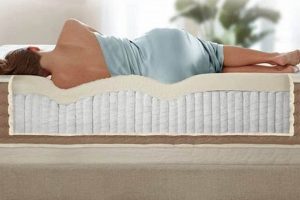
Mattress thickness and the composition of the support core contribute to overall support. A thicker mattress, particularly one with a dense support core, provides greater cushioning and stability. Materials like high-density foam or innerspring coils offer robust support, while thinner mattresses may lack sufficient support for individuals with higher body weights or pre-existing back conditions. The support core’s density and construction must adequately compensate for the lack of a foundation, ensuring proper weight distribution and preventing excessive compression.
In summary, the attainment of adequate back support when utilizing a mattress on the floor requires careful consideration of mattress firmness, pressure distribution, sleeping position, and support core characteristics. Selecting a mattress that aligns with individual needs and preferences is crucial for maintaining spinal health and minimizing the risk of back pain or discomfort. The lack of a traditional bed frame necessitates a more discerning approach to mattress selection to ensure proper support and alignment.
Frequently Asked Questions
The following addresses prevalent inquiries and concerns pertaining to the use of a mattress directly on the floor. The information aims to provide clarity and guidance for informed decision-making.
Question 1: Is sleeping on a floor mattress inherently detrimental to health?
The impact on health depends on various factors, including mattress type, hygiene practices, and individual physical conditions. While some may experience benefits such as improved spinal alignment on a firmer surface, others may encounter issues related to moisture accumulation and allergen exposure if proper precautions are not taken.
Question 2: What mattress types are most suitable for floor placement?
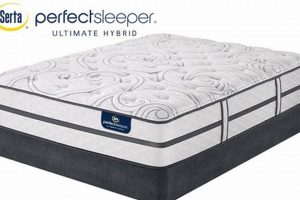
Mattresses constructed with breathable materials, such as natural latex or open-cell foam, are generally preferred. These materials promote air circulation and reduce the risk of moisture buildup. Hybrid mattresses with coil systems can also be suitable, provided they offer adequate support and ventilation.
Question 3: How can moisture accumulation be effectively managed with a floor mattress?
Employing a waterproof mattress protector, regularly elevating the mattress to allow for air circulation, and maintaining a clean and dry floor surface are essential. Dehumidifiers can also be utilized to reduce ambient humidity levels.
Question 4: What steps should be taken to minimize allergen exposure with a floor mattress?
Regularly vacuuming the floor and mattress, using allergen-impermeable mattress covers, and employing air purifiers with HEPA filters can significantly reduce allergen levels. Frequent washing of bedding in hot water is also recommended.
Question 5: Does sleeping on a floor mattress provide adequate back support?
The adequacy of back support depends on the mattress firmness and individual needs. A mattress that is too soft may lead to spinal misalignment, while one that is too firm may create pressure points. Selecting a mattress that provides proper support and conforms to the body’s natural curves is crucial.
Question 6: Are there any specific populations who should avoid sleeping on a floor mattress?
Individuals with severe allergies, respiratory conditions, or mobility limitations may find sleeping on a floor mattress problematic. The increased proximity to allergens and the difficulty in getting up from a low position can pose challenges for these populations. Consultation with a healthcare professional is advisable in such cases.
The aforementioned represents a concise overview of common inquiries regarding floor mattress usage. Further research and consideration of individual circumstances are encouraged for comprehensive understanding.
The subsequent section will provide a concluding summary of the key considerations discussed throughout this article.
Conclusion
The practice of sleep on floor mattress involves a confluence of factors influencing hygiene, health, and spatial dynamics. The preceding discussion has explored the potential benefits of space optimization and firmer support against the inherent risks of moisture accumulation and heightened allergen exposure. Mattress selection, material properties, and maintenance protocols play critical roles in determining the overall outcome of this sleeping arrangement.
Individuals considering sleep on floor mattress should weigh the potential advantages against the necessary precautions. The mitigation of risks requires diligent attention to environmental factors and proactive implementation of preventative measures. Ultimately, informed decision-making, based on a thorough understanding of the associated implications, is paramount for ensuring a safe and comfortable sleeping experience.