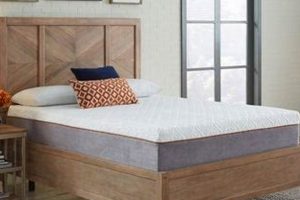
A sleeping surface placed directly on the ground, typically a mattress or futon designed for such placement, is gaining traction as an alternative bedding arrangement. This practice eliminates the need for a bed frame, box spring, or other supporting structure. For instance, individuals might opt for a memory foam mattress specifically created for direct floor contact to minimize space and potentially influence sleep quality.
The appeal of this sleep arrangement stems from several factors, including potential cost savings, space efficiency, and perceived health advantages. Proponents suggest that it may promote better posture and spinal alignment due to the firm, unyielding surface. Historically, sleeping on the ground was a common practice across various cultures, emphasizing simplicity and practicality before the widespread adoption of raised beds.
The subsequent discussion will delve into the selection criteria for suitable sleep surfaces, the perceived advantages and disadvantages associated with this practice, and considerations for hygiene and maintenance to ensure a comfortable and healthy sleep environment.
Floor Sleep Mattress
Selecting and utilizing a sleeping surface placed directly on the floor requires careful consideration to optimize comfort, hygiene, and long-term suitability. The following guidelines provide essential factors for evaluation.
Tip 1: Material Selection: Opt for materials designed for floor placement. Closed-cell foam or mattresses specifically manufactured for floor use mitigate moisture absorption and potential mold growth. Avoid materials prone to trapping humidity.
Tip 2: Thickness and Density: A minimum thickness of six inches is generally recommended for adequate support. Higher density foam provides better pressure distribution and reduces the risk of bottoming out, especially for heavier individuals.
Tip 3: Ventilation: Ensure adequate airflow beneath the selected sleeping surface. Regularly lifting and airing the mattress minimizes moisture buildup and inhibits microbial growth. Consider a slatted platform placed underneath to enhance ventilation.
Tip 4: Cleaning and Maintenance: Implement a consistent cleaning schedule. Vacuum the surface regularly to remove dust mites and debris. Address spills promptly with appropriate cleaning solutions designed for the specific material.
Tip 5: Surface Preparation: The floor surface should be clean, dry, and level. Hardwood or tile surfaces are preferable to carpeting, which can trap moisture and allergens. Use a non-slip underlayment to prevent shifting and damage to the floor.
Tip 6: Body Weight Accommodation: Matching mattress firmness to body weight is crucial. Lighter individuals may prefer softer surfaces, while heavier individuals require firmer support to maintain spinal alignment.
Tip 7: Consider Seasonal Changes: Adapt cleaning and ventilation practices based on seasonal humidity levels. Increase ventilation during humid periods to minimize moisture accumulation.
Implementing these measures contributes to a more comfortable, hygienic, and sustainable experience with a floor-level sleeping arrangement. Prioritizing material selection, ventilation, and regular maintenance is essential for long-term satisfaction.
The subsequent sections will explore common misconceptions and address potential drawbacks associated with floor-level sleeping arrangements.
1. Firmness and Support

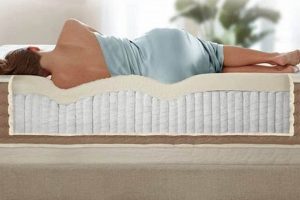
The relationship between firmness and support is a critical determinant of sleep quality when utilizing a sleeping surface directly on the floor. This is primarily because the absence of a box spring or bed frame necessitates that the mattress itself provide all necessary structural elements. The chosen firmness level and the inherent support capabilities of the material directly impact spinal alignment, pressure distribution, and overall comfort.
- Spinal Alignment and Firmness
The firmness of a mattress intended for floor placement must adequately support the natural curvature of the spine. Insufficient firmness can lead to spinal compression and misalignment, potentially exacerbating back pain or discomfort. Conversely, excessive firmness may create pressure points and restrict circulation, leading to restless sleep. The ideal firmness level is dependent on individual body weight and sleeping position.
- Density and Long-Term Support
Mattress density is a key indicator of its ability to provide sustained support over time. Higher density materials, such as high-density memory foam or latex, are more resistant to compression and deformation, ensuring consistent support throughout the lifespan of the product. Lower density materials are more susceptible to sagging and a reduction in supportiveness, compromising spinal alignment and comfort.
- Edge Support and Stability
While edge support is less critical on a floor-placed mattress compared to a traditional bed, it still contributes to overall stability and usable surface area. Weak edge support can result in a feeling of rolling off the mattress and reduced comfort when sleeping near the edge. Reinforced edges or the use of higher density materials in edge construction can mitigate this issue.
- Pressure Distribution and Material Composition
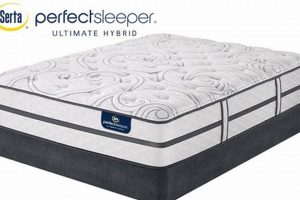
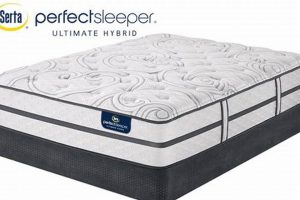
The composition of the mattress influences its ability to distribute pressure evenly across the body. Materials such as memory foam conform to the body’s contours, minimizing pressure points and promoting circulation. Hybrid mattresses, which combine foam with innerspring systems, offer a balance of support and pressure relief. The choice of material should align with individual preferences and specific pressure relief needs.
In conclusion, selecting a mattress with appropriate firmness and support is paramount when placing it directly on the floor. Factors such as spinal alignment, material density, edge support, and pressure distribution must be carefully considered to ensure a comfortable, supportive, and healthy sleep environment. The absence of a traditional bed frame places increased emphasis on the mattress’s inherent ability to provide these essential support characteristics.
2. Material Breathability

Material breathability is a crucial factor in the context of a sleeping surface positioned directly on the floor. This is because the lack of elevation restricts airflow beneath the mattress, creating an environment conducive to moisture accumulation. Inadequate breathability in the mattress material can lead to the trapping of body moisture and humidity, promoting the growth of mold, mildew, and bacteria. This, in turn, can compromise air quality, trigger allergies, and degrade the structural integrity of the mattress itself. For example, a memory foam mattress with a closed-cell structure, when placed directly on the floor, may exhibit poor ventilation and retain moisture, potentially creating an unsanitary sleeping environment over time.
Conversely, mattresses constructed from breathable materials, such as open-cell foam, natural latex, or those incorporating ventilation channels, mitigate these risks. Open-cell structures allow for greater air circulation, facilitating the evaporation of moisture and reducing the likelihood of microbial growth. Hybrid mattresses, which combine breathable materials with innerspring systems, can also offer improved ventilation compared to solid foam constructions. Furthermore, the use of breathable mattress protectors and regular airing of the mattress can enhance moisture management and prolong its lifespan. The practical significance of selecting breathable materials lies in the prevention of health hazards, the maintenance of a comfortable sleep environment, and the extension of the mattress’s usability.
In summary, material breathability represents a fundamental consideration for sleeping surfaces intended for floor placement. Addressing moisture accumulation through the selection of appropriate materials and the implementation of ventilation strategies is essential for ensuring a healthy, hygienic, and durable sleep solution. The challenges associated with inadequate breathability underscore the importance of a proactive approach to material selection and mattress maintenance, ultimately contributing to long-term user satisfaction.
3. Floor Surface Compatibility

The selection of an appropriate floor surface directly influences the performance and longevity of a mattress intended for floor placement. The compatibility between the floor material and the mattress dictates airflow, moisture accumulation, and the potential for damage to both surfaces. For instance, placing a memory foam mattress directly on a carpeted floor significantly restricts ventilation. The carpet fibers trap moisture and impede airflow, leading to the accumulation of humidity within the mattress. This creates a breeding ground for mold and mildew, potentially compromising both the mattress’s structural integrity and the occupant’s health. The cause is restricted airflow, and the effect is microbial growth and material degradation. Consequently, the importance of floor surface compatibility as a component of floor sleeping cannot be overstated; it directly impacts hygiene, comfort, and the lifespan of the investment.
Hard surfaces such as hardwood, tile, or laminate offer improved compatibility due to their inherent breathability and ease of cleaning. However, direct contact with these surfaces can also lead to issues. For example, the abrasive nature of some tile surfaces may damage the mattress’s fabric cover over time. Furthermore, the lack of cushioning can increase the likelihood of slippage and movement. In these instances, the use of a non-slip underlayment serves as a buffer, mitigating potential damage and enhancing stability. Consider also the potential for temperature transfer: cold tile floors, particularly in colder climates, can draw heat away from the mattress, impacting sleep comfort. Similarly, uneven surfaces can compromise mattress support and lead to uneven wear.
In conclusion, achieving optimal floor surface compatibility requires careful consideration of several factors, including material breathability, surface texture, and the potential for moisture accumulation. Selecting a floor surface that promotes airflow and minimizes moisture retention is paramount for maintaining a healthy and comfortable sleep environment. While hard surfaces generally offer better compatibility than carpeting, the implementation of protective measures such as non-slip underlayments is often necessary to mitigate potential damage and ensure long-term satisfaction. Addressing floor surface compatibility effectively extends mattress life and promotes better sleep hygiene.
4. Moisture Management

Moisture management is a critical concern when utilizing a sleeping surface directly on the floor. The proximity to the ground limits airflow, potentially leading to the accumulation of moisture within the mattress, creating a breeding ground for mold, mildew, and bacteria. Effective moisture management strategies are therefore essential for maintaining hygiene, comfort, and the longevity of the mattress.
- Ventilation Strategies
Optimizing airflow is paramount in mitigating moisture accumulation. Regularly lifting and airing the mattress allows for the dissipation of trapped moisture. Utilizing a slatted platform or a breathable underlayment between the mattress and the floor promotes air circulation, reducing the risk of microbial growth. Consider using dehumidifiers in environments with high humidity.
- Material Selection and Properties
The choice of mattress materials significantly influences moisture management. Open-cell foam, natural latex, and materials with inherent wicking properties facilitate moisture evaporation. Conversely, closed-cell foam and non-breathable synthetic materials trap moisture, exacerbating the risk of microbial growth. Mattress protectors with moisture-wicking capabilities offer an additional layer of protection.
- Environmental Considerations
Environmental factors, such as room temperature and humidity levels, directly impact moisture accumulation. Proper ventilation of the room and maintaining a stable temperature can minimize moisture buildup within the mattress. Humid climates necessitate more frequent airing and the potential use of dehumidification systems.
- Cleaning and Maintenance Practices
Regular cleaning and maintenance practices are essential for preventing moisture-related issues. Vacuuming the mattress regularly removes dust mites and debris, which can trap moisture. Promptly addressing spills and stains prevents moisture from penetrating the mattress core. The utilization of appropriate cleaning solutions and thorough drying are critical.
These multifaceted approaches to moisture management are essential for individuals utilizing sleeping surfaces directly on the floor. Implementing effective strategies, tailored to both the specific mattress and the surrounding environment, promotes a hygienic and comfortable sleep environment, while also extending the lifespan of the chosen bedding.
5. Dust Mite Control

The practice of placing a sleeping surface directly on the floor amplifies concerns regarding dust mite proliferation. The reduced airflow associated with floor placement creates an environment favorable to dust mite colonies. These microscopic organisms thrive in humid and poorly ventilated conditions, feeding on shed human skin cells that accumulate within the mattress fibers. The direct contact with the floor further inhibits moisture evaporation, exacerbating the problem. For example, a mattress placed on a carpeted floor will inherently trap more dust and allergens than one elevated on a bed frame, demonstrating a cause-and-effect relationship between floor placement and dust mite accumulation. Therefore, proactive dust mite control is a paramount component of maintaining a healthy sleep environment when utilizing a floor sleep mattress.
Effective dust mite control strategies involve multiple layers of intervention. Regular vacuuming of the mattress surface with a HEPA filter vacuum removes dust mites and their allergenic waste products. Encasement of the mattress in a hypoallergenic, dust mite-proof cover creates a physical barrier, preventing dust mites from colonizing the mattress core. Washing bedding in hot water (above 130F or 54.4C) effectively kills dust mites and removes allergens. Frequent airing of the mattress in direct sunlight further reduces humidity and inhibits dust mite growth. These techniques, when implemented consistently, mitigate the risks associated with dust mite exposure. For example, many individuals with allergies who choose floor sleeping arrangements report a significant reduction in symptoms following the implementation of these preventative measures.
In summary, floor placement inherently increases the potential for dust mite infestation in mattresses. Proactive dust mite control is therefore indispensable for maintaining a hygienic and healthy sleep environment. Strategies such as regular vacuuming, hypoallergenic encasements, hot water washing of bedding, and frequent airing of the mattress effectively mitigate dust mite proliferation. These measures are crucial for individuals with allergies or sensitivities, and contribute to a cleaner and more comfortable sleeping experience for all utilizing this type of sleep arrangement.
6. Spinal Alignment
Maintaining proper spinal alignment during sleep is essential for preventing musculoskeletal discomfort and promoting overall health. The selection of a sleeping surface, particularly in the context of a floor sleep mattress, significantly impacts the spine’s ability to maintain its natural curvature throughout the night. The absence of a traditional bed frame necessitates that the floor sleep mattress provides adequate support to ensure optimal spinal positioning.
- Firmness and Support Distribution
The firmness of a floor sleep mattress dictates the extent to which it supports the body’s contours. A mattress that is too soft allows the spine to sag, leading to misalignment and potential back pain. Conversely, a mattress that is excessively firm may create pressure points and restrict circulation. A mattress with appropriate firmness distributes body weight evenly, supporting the natural curves of the spine and promoting proper alignment. For example, individuals with pre-existing back conditions often find that a firmer floor sleep mattress alleviates discomfort by preventing spinal compression.
- Sleeping Position Considerations
Spinal alignment requirements vary depending on sleeping position. Side sleepers benefit from a mattress that conforms to the contours of the body, maintaining spinal alignment by accommodating the shoulders and hips. Back sleepers require support for the lumbar region to prevent the spine from arching excessively. Stomach sleepers often find it challenging to maintain spinal alignment regardless of mattress type, but a firmer floor sleep mattress may help minimize spinal extension. The choice of mattress should therefore align with individual sleeping preferences to optimize spinal positioning.
- Material Composition and Conformity
The material composition of a floor sleep mattress influences its ability to conform to the body’s shape and provide targeted support. Memory foam, for instance, molds to the body’s contours, distributing weight evenly and reducing pressure points. Latex offers a more resilient support, maintaining its shape while conforming to the body’s curves. Innerspring mattresses provide more generalized support, with the spring system distributing weight across the surface. The selection of material should align with individual preferences for conformity and support to promote optimal spinal alignment.
- Long-Term Impact on Posture
Consistent use of a floor sleep mattress that does not adequately support spinal alignment can have long-term implications for posture. Chronic spinal misalignment can lead to muscle imbalances, increased risk of injury, and reduced overall mobility. Selecting a floor sleep mattress that promotes proper spinal alignment is therefore an investment in long-term musculoskeletal health. A floor sleep mattress can be beneficial if it properly aligned.
These facets underscore the crucial role of proper spinal alignment in determining the suitability and potential benefits of a floor sleep mattress. Choosing a mattress that effectively supports the spine’s natural curves, considering sleeping position preferences, and understanding the impact of material composition on conformity are all essential elements in promoting a healthy and comfortable sleep experience. Prioritizing spinal alignment ensures that the floor sleep mattress serves as a foundation for restorative sleep and long-term musculoskeletal well-being.
7. Space Optimization
Floor sleep mattresses directly address space optimization concerns, particularly within smaller living environments. The elimination of a traditional bed frame and box spring system immediately frees up floor space, transforming a room’s functionality. The cause is the removal of the bulky bed frame, and the effect is increased floor area available for alternative uses. This arrangement proves especially valuable in studio apartments or multi-purpose rooms where maximizing usable square footage is essential. The importance of space optimization as a component of floor sleep mattresses is underscored by its practical utility in simplifying living arrangements and enhancing overall room aesthetics. For instance, a compact apartment can benefit from a floor sleep mattress that can be easily rolled up or stored when not in use, instantly converting the sleeping area into a daytime living space.
Furthermore, space optimization through floor sleep mattresses extends beyond simply freeing up square footage. It encourages minimalist lifestyles and reduces the accumulation of unnecessary possessions. A traditional bed frame often becomes a repository for storage, accumulating items that contribute to clutter. By eliminating the bed frame, individuals are compelled to become more selective about their belongings, leading to a more organized and streamlined living environment. A practical application of this concept involves individuals adopting Japanese futon mattresses, which are specifically designed for floor placement and can be easily folded and stored away during the day, further enhancing space efficiency. This approach underscores the integration of function and design, enabling efficient use of physical space without compromising comfort or aesthetics. An additional consideration is the potential for multi-functional furniture in conjunction with floor sleep mattresses, such as a low platform that serves as both a sleeping surface and a seating area, further optimizing the use of available space.
In conclusion, space optimization is a central benefit of utilizing floor sleep mattresses, particularly in settings where minimizing clutter and maximizing available area are paramount. The elimination of bulky bed frames offers tangible advantages in terms of increased floor space and a streamlined living environment. The practical significance of this understanding translates to more efficient use of physical space and a minimalist lifestyle, ultimately contributing to enhanced room functionality and overall living comfort. Potential challenges include the need for adequate ventilation and moisture control, which must be addressed through proper material selection and maintenance practices to ensure a healthy and sustainable sleep environment within optimized spaces.
Frequently Asked Questions
The following addresses common inquiries and clarifies persistent misconceptions regarding sleeping surfaces placed directly on the floor.
Question 1: Is a “floor sleep mattress” sanitary?
Sanitation depends entirely on maintenance and material. Regular cleaning, proper ventilation, and the selection of breathable materials are crucial. Neglecting these factors promotes mold growth and dust mite proliferation, compromising hygiene. Select a breathable closed-cell option to mitigate risk.
Question 2: Does it promote back pain?
Whether the setup alleviates or exacerbates back pain hinges on mattress firmness and individual physiology. A mattress that is excessively soft or firm can disrupt spinal alignment, potentially aggravating existing conditions. Selection requires consideration of personal preferences and any pre-existing physical ailments.
Question 3: Can any mattress be used?
Not all mattresses are suitable for floor placement. Mattresses designed for use with a box spring may lack adequate support when placed directly on the floor, leading to premature wear and compromised comfort. Select a floor-specific design or consider platform options.
Question 4: How often should a “floor sleep mattress” be cleaned?
Cleaning frequency depends on environmental factors and individual habits. A minimum of bi-weekly vacuuming is recommended. Addressing spills immediately and airing the mattress regularly further contributes to maintaining cleanliness. Monthly deep clean with upholstery cleaning solutions.
Question 5: Is special flooring required?
Specific flooring is not necessarily mandatory; however, certain surfaces are more compatible. Hardwood or tile flooring facilitates better ventilation and easier cleaning compared to carpeting. Utilizing a non-slip underlayment protects both the floor and the mattress. Carpeting often traps moisture.
Question 6: Is the temperature affected?
Floor proximity influences temperature regulation. Floors often retain cold, particularly in colder climates. Individuals sensitive to temperature fluctuations may experience discomfort. Consider using insulating underlays or heated blankets to mitigate this effect. Cold floors draw heat.
In summary, proper sanitation, support considerations, appropriate mattress selection, cleaning frequency, floor compatibility, and temperature factors are essential considerations. Ignoring these factors leads to suboptimal performance and potential health concerns.
The subsequent section will address specific product recommendations and purchasing advice.
Floor Sleep Mattress
This exploration of the floor sleep mattress arrangement has underscored its potential benefits and inherent challenges. Considerations such as material selection, moisture management, spinal alignment, and dust mite control are paramount for ensuring a healthy and comfortable sleep environment. The absence of a traditional bed frame necessitates a heightened awareness of these factors, placing greater emphasis on proactive maintenance and informed decision-making.
Ultimately, the suitability of a floor sleep mattress hinges on individual needs and environmental circumstances. Prioritizing informed choices and diligent upkeep ensures a satisfactory experience, while neglecting these critical aspects undermines its intended advantages. Further research and careful product evaluation are strongly encouraged to ascertain the optimal solution.