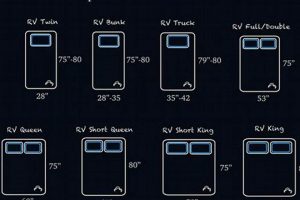
The dimensions of a mattress designed for a pull-out bed frame that stows underneath another bed are a specific consideration in space-saving furniture. These mattresses are generally thinner and shorter than standard sizes to accommodate the under-bed storage mechanism. As an example, a common dimension is 39 inches wide and 75 inches long, though this can vary slightly by manufacturer.
Choosing the correct dimensions for this type of bed is important for functionality and comfort. A mattress that is too thick may prevent the under-bed component from fully retracting. Using this furniture offers a practical solution for accommodating guests or maximizing floor space in smaller living areas. Historically, this space-saving design has evolved from simple pull-out beds to more sophisticated frame mechanisms.
Understanding the specific dimensions, construction, and potential uses of these mattresses is crucial before making a purchase. The following article will delve deeper into the factors that influence this specific type of mattress selection, providing insights on material choices, comfort levels, and compatibility with different bed frame designs.
Guidance on Mattress Selection for Trundle Beds
The following recommendations provide practical advice for selecting a mattress suitable for a trundle bed frame. Prioritizing these considerations ensures both comfort and optimal functionality.
Tip 1: Measure the Trundle Frame: Accurately measure the interior dimensions of the trundle bed frame before purchasing a mattress. Confirm the length, width, and maximum allowable thickness to prevent fitment issues.
Tip 2: Consider Mattress Thickness: Most trundle beds require a thinner profile mattress, typically between 5 and 8 inches thick. A mattress exceeding the specified thickness may hinder the trundle’s ability to slide smoothly under the primary bed.
Tip 3: Evaluate Material Composition: Explore different mattress materials, such as memory foam, innerspring, or latex. Each material offers varying levels of support, comfort, and durability. Evaluate these factors based on the intended use of the trundle bed.
Tip 4: Assess Weight Capacity: Verify the mattress’s weight capacity to ensure it can adequately support the intended occupant. Exceeding the weight limit may compromise the mattress’s structural integrity and shorten its lifespan.
Tip 5: Prioritize Comfort Preferences: Even with thickness constraints, consider comfort factors. Determine the preferred firmness level (soft, medium, or firm) and choose a mattress that aligns with these preferences. Sample available options whenever possible.
Tip 6: Check for Certifications: Seek mattresses that hold certifications indicating adherence to safety and environmental standards. Certifications such as CertiPUR-US ensure the foam is free from harmful chemicals.
Tip 7: Review Warranty and Return Policies: Thoroughly examine the mattress’s warranty and return policies before making a purchase. This provides recourse in case of defects or dissatisfaction with the product.
Adhering to these guidelines when selecting a mattress ensures a balance between space-saving practicality and comfortable sleep for guests or daily use.
The article will now proceed to discuss the common issues associated with improper mattress selection, focusing on long-term usage and potential maintenance.
1. Frame compatibility

Frame compatibility is a critical determinant in the successful utilization of a trundle bed. The dimensional relationship between the mattress and the trundle frame dictates both operational efficacy and longevity. Deviations from specified parameters can lead to functional impairment or structural damage.
- Internal Dimension Matching
The length and width of the mattress must precisely correspond with the interior dimensions of the trundle bed frame. Failure to adhere to these specifications can result in the mattress being either too large to fit within the frame or too small, causing instability and potential shifting during use. Precise measurements are paramount to avoid these issues.
- Thickness Constraint Adherence
The thickness of the mattress is constrained by the vertical clearance available when the trundle is stowed beneath the main bed. An excessively thick mattress will obstruct the trundle’s retraction, preventing complete closure and potentially damaging the frame mechanism. Conversely, an insufficient thickness may compromise comfort and support.
- Support Structure Alignment
The mattress must align correctly with the support structure of the trundle frame, typically consisting of slats or a solid platform. Misalignment can lead to uneven weight distribution, premature wear of the mattress, and compromised sleep quality. Verify that the mattress is adequately supported across its entire surface area.
- Movement Clearance Considerations
Sufficient clearance must be maintained between the mattress and the frame during the trundle’s extension and retraction. Obstructions can impede the smooth operation of the mechanism, causing undue stress on the frame components. Ensure that cables, wheels, or other protruding elements do not interfere with the mattress.
In conclusion, proper frame compatibility ensures the functionality and comfort expected from a trundle bed. By carefully considering the internal dimensions, thickness constraints, support structure alignment, and movement clearance, users can optimize the trundle bed’s performance and extend its lifespan. Mismatched dimensions invariably lead to functional and structural complications, underscoring the significance of precise measurement and adherence to manufacturer specifications.
2. Thickness limitations

The inherent design of a trundle bed necessitates specific thickness limitations for the mattress component. This constraint arises from the requirement that the entire trundle structure, including the mattress, must be capable of being fully retracted and stored beneath the primary bed frame. Exceeding the designated thickness renders the trundle bed inoperable, negating its space-saving functionality. Consequently, thickness limitations are a fundamental component in defining appropriate dimensions for trundle bed mattresses. For instance, a mattress exceeding eight inches in thickness will likely prevent a standard trundle bed from fully retracting. This physical incompatibility directly impacts usability.
These thickness limitations have a direct influence on the materials and construction methods employed in trundle mattresses. Manufacturers must balance the need for comfort and support with the dimensional constraints imposed by the trundle bed design. This frequently leads to the use of thinner layers of foam, specialized coil systems, or alternative materials that offer adequate support without exceeding the permissible thickness. The selection of these materials and their configuration is directly determined by the thickness requirements. As an example, high-density foam is often incorporated to provide sufficient support within a thinner profile, ensuring both comfort and adherence to dimensional limitations.
In summary, thickness limitations represent a critical design parameter in trundle bed mattress selection. These limits directly influence the materials, construction, and overall comfort profile of the mattress. Understanding and adhering to these specifications are essential for ensuring the functionality of the trundle bed and optimizing its space-saving benefits. Disregarding these constraints results in operational failure and undermines the practical utility of the trundle bed system.
3. Weight capacity

Weight capacity and dimensions are inextricably linked characteristics of trundle bed mattresses. Dimensions, specifically thickness and overall area, influence the materials and structural design required to meet a specified weight capacity. A larger surface area, even with a thinner profile, necessitates a robust internal structure to distribute weight evenly and prevent premature sagging or collapse. An undersized or inadequately constructed mattress may buckle under excessive weight, leading to discomfort, structural damage to the trundle frame, or mattress failure. For instance, a thinner, low-density foam mattress may be acceptable for a child but unsuitable for an adult exceeding a specified weight limit.
The weight capacity rating directly dictates the intended user profile for the trundle mattress. Manufacturers establish this rating based on rigorous testing that simulates long-term use and varying weight distributions. Exceeding the weight capacity risks compromising the mattress’s internal support system, leading to uneven wear, reduced comfort, and a shortened lifespan. Moreover, exceeding the weight limit may void the manufacturer’s warranty, leaving the user responsible for repair or replacement costs. Practical application of this understanding prevents premature wear and tear, ensuring that the trundle mattress functions optimally for its intended purpose and demographic.
In summary, the relationship underscores the need for careful consideration of both when selecting a trundle mattress. The physical ensure structural integrity, while the users weight must be aligned with the manufacturer’s specifications to preserve the mattress’s lifespan and maintain user comfort. Disregarding either variable can lead to functional impairment and a compromised sleep experience. Furthermore, the interplay between impacts overall suitability for different demographic and usage scenarios.
4. Material density

Material density, concerning a trundle mattress, directly correlates with its dimensions, specifically its thickness. Given the space constraints inherent in trundle bed designs, which necessitate a thinner mattress profile, density becomes a critical factor in achieving adequate support and comfort. Higher density materials, such as high-density memory foam or specialized innerspring systems, allow for a reduced mattress thickness while still providing sufficient firmness and pressure relief. This relationship is causal; the need for a smaller vertical dimension mandates the use of materials with a higher density to compensate for the reduced volume.
The importance of material density is exemplified in the practical application of trundle mattresses. For instance, a low-density foam mattress, even if correctly sized, will likely provide inadequate support for an adult, leading to discomfort and potential back strain. Conversely, a trundle mattress constructed with high-density foam, while maintaining the required thickness, will offer a more supportive and comfortable sleep surface. Therefore, the dimensions of the mattress are rendered practically irrelevant if the density of the internal materials is insufficient to provide adequate support. The correct balance between dimension and density is vital for creating a functional and comfortable trundle bed setup.
In conclusion, material density represents a key consideration in the selection of a trundle mattress. The dimensional constraints of trundle beds necessitate the use of high-density materials to compensate for reduced mattress thickness. By prioritizing material density, users can ensure that the mattress provides adequate support, comfort, and durability, despite its smaller overall dimensions. The challenges lie in striking the right balance between cost, comfort, and density, requiring informed decision-making based on user needs and mattress specifications.
5. Storage constraints

Storage limitations are a primary determinant of trundle mattress dimensions. The inherent function of a trundle bed, wherein the mattress and its supporting frame must retract entirely beneath another bed, necessitates adherence to strict spatial boundaries. Disregarding these limitations negates the trundle bed’s fundamental purpose: efficient space utilization.
- Vertical Clearance
Vertical clearance represents the most critical dimension. The height of the retracted trundle bed, including the mattress, must not exceed the available space beneath the primary bed frame. Measurements exceeding this limit will physically prevent the trundle from being fully stowed. For example, a standard bed frame with 12 inches of clearance cannot accommodate a trundle mattress exceeding 10 inches in height with its frame.
- Length and Width Limitations
The length and width of the trundle mattress are also constrained by the interior dimensions of the trundle frame itself, which is, in turn, dictated by the available space under the main bed. Mattresses exceeding these dimensions will not fit within the trundle mechanism, rendering the entire system unusable. These constraints are often less restrictive than height but still must be precisely considered.
- Impact on Mattress Material Selection
The imposed limitations can influence the selection of mattress materials. Thicker, traditional innerspring mattresses may be unsuitable due to height constraints, necessitating the use of thinner, high-density foam or hybrid designs. This shift in material selection has implications for comfort, support, and overall mattress lifespan, often requiring a compromise between space efficiency and sleep quality.
- Frame Design Dependencies
Storage limitations are also influenced by the design of the trundle frame itself. Some frames may incorporate features that reduce the available space for the mattress, such as low-profile platforms or internal support structures. In these cases, even thinner mattresses may be required to ensure proper retraction. This interdependence between frame design and mattress ensures adherence to the trundle bed’s core functionality.
Consequently, the effectiveness of a trundle bed rests on careful consideration of the dimensional constraints imposed by storage limitations. Mattress selection becomes a balancing act between spatial efficiency and user comfort, requiring meticulous measurement and an understanding of the trade-offs inherent in various material and construction choices. These constraints must be observed for any trundle mattress selection to ensure functional reliability.
Frequently Asked Questions About Trundle Mattress Dimensions
The following addresses common inquiries and clarifies misconceptions surrounding trundle mattress selection.
Question 1: What are the standard measurements for a trundle mattress?
Typical trundle mattresses measure approximately 39 inches wide and 75 inches long. The height varies, generally ranging from 5 to 8 inches, to accommodate under-bed storage.
Question 2: Can any type of mattress be used on a trundle bed?
No, not all mattress types are suitable. The height restriction imposed by the trundle design necessitates a thinner profile, precluding the use of standard mattresses designed for regular beds.
Question 3: How does trundle mattress affect sleep quality?
The thickness restrictions can influence comfort. Thinner mattresses may offer less support compared to standard sizes. Selecting a mattress with high-density materials can mitigate this issue.
Question 4: What factors should be considered when purchasing a trundle mattress?
Key factors include the trundle frame’s dimensions, mattress thickness, material density, weight capacity, and comfort preferences. Prioritizing these considerations ensures both functionality and user satisfaction.
Question 5: Are there specific certifications to look for when buying a trundle mattress?
Certifications such as CertiPUR-US indicate that the mattress foam is free from harmful chemicals, ensuring a safer sleep environment.
Question 6: What happens if the trundle mattress is too thick?
If the mattress is excessively thick, the trundle bed will be unable to fully retract beneath the main bed frame, rendering the space-saving function inoperable and potentially causing damage to the trundle mechanism.
Proper selection mandates careful consideration of trundle mattress dimensions to optimize space utilization and ensure user comfort and structural integrity.
The subsequent section addresses optimal maintenance practices for trundle beds to prolong their lifespan.
Concluding Remarks on trundle mattress size
This article has explored the complexities surrounding , emphasizing the critical relationship between its dimensions and the functionality of trundle beds. Key considerations, including frame compatibility, thickness limitations, weight capacity, material density, and storage constraints, have been addressed to provide a comprehensive understanding of the factors influencing appropriate selection.
The dimensional specifications are not arbitrary; they are foundational to the trundle bed’s space-saving design. Proper adherence to these dimensions ensures seamless operation, user comfort, and extended product lifespan. Disregarding specifications can lead to functional impairment and negate the benefits of this furniture system. Prudent consideration of remains paramount for maximizing the value and practicality of trundle bed installations.
![Best Queen Size Adjustable Mattress [Deals] | Organic & Natural Mattress Buyer’s Guide: Non-Toxic Sleep Solutions](https://mattressworldpa.com/wp-content/uploads/2025/07/th-2362-300x200.jpg "Best Queen Size Adjustable Mattress [Deals] Organic & Natural Mattress Buyer’s Guide: Non-Toxic Sleep Solutions")
![RV Comfort: Custom Size Mattress for RVs [Guide] | Organic & Natural Mattress Buyer’s Guide: Non-Toxic Sleep Solutions](https://mattressworldpa.com/wp-content/uploads/2025/07/th-2359-300x200.jpg "RV Comfort: Custom Size Mattress for RVs [Guide] Organic & Natural Mattress Buyer’s Guide: Non-Toxic Sleep Solutions")