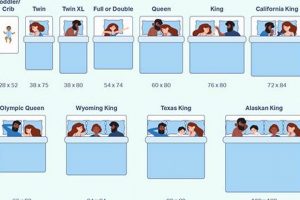
A widely favored bedding configuration consists of a specific mattress dimension paired with a supporting base. The mattress, measuring 60 inches wide by 80 inches long, offers a balance between space efficiency and sleeping area, suitable for couples or individuals who prefer extra room. The base provides essential structural support, elevating the mattress to a comfortable height and preventing premature wear. This set is a common choice for master bedrooms and guest rooms.
The popularity of this bedding arrangement stems from its versatility and practicality. It provides ample sleeping surface for two adults without dominating the room’s footprint, unlike larger options. Historically, it represents an evolution in bedding design, offering a step up in size and comfort from earlier, smaller standards. This particular setup contributes significantly to sleep quality and overall well-being by ensuring proper spinal alignment and minimizing motion transfer.
Understanding the nuances of mattress materials, foundation types, and their impact on sleep is crucial when selecting bedding. This leads to exploration of various mattress technologies, such as innerspring, memory foam, and hybrid models, as well as foundation options, including platform, box spring, and adjustable bases, each offering distinct advantages and disadvantages. Evaluating these factors ensures an informed purchasing decision, leading to optimal sleep and long-term satisfaction.
Selecting a Queen Size Mattress and Foundation
The selection of a bedding set involves several critical factors to ensure optimal comfort and support. Careful consideration of these tips can guide consumers toward making informed decisions.
Tip 1: Assess Sleep Needs: Evaluate individual sleep preferences, including firmness, sleeping position, and any specific orthopedic requirements. Different mattress materials cater to varying needs. For instance, side sleepers might benefit from a softer mattress that contours to the body, while back sleepers may prefer a firmer surface for spinal alignment.
Tip 2: Research Mattress Materials: Understand the properties of different mattress materials, such as innerspring, memory foam, latex, and hybrids. Each material offers unique characteristics in terms of support, temperature regulation, and durability. Memory foam conforms to the body, while latex provides a more responsive and breathable surface.
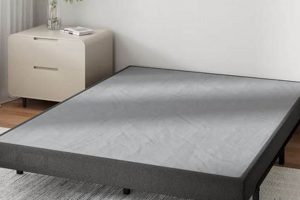
Tip 3: Consider Foundation Type: Select a foundation that complements the mattress type and provides adequate support. Options include box springs, platform beds, adjustable bases, and slatted frames. A platform bed offers firm, even support, while an adjustable base allows for customized positioning.
Tip 4: Evaluate Foundation Height: Determine the desired bed height, considering the mattress and foundation combination. The combined height affects ease of getting in and out of bed. Consider individual physical limitations or preferences when selecting the overall bed height.
Tip 5: Check Warranty and Return Policies: Review the manufacturer’s warranty and return policies before making a purchase. These policies provide recourse in case of defects or dissatisfaction with the product. A longer warranty indicates greater confidence in the product’s durability.
Tip 6: Read Customer Reviews: Consult customer reviews to gain insights into the real-world performance and durability of the product. Customer feedback can reveal potential issues or benefits not readily apparent in product descriptions.
Tip 7: Prioritize Proper Support: The selected foundation should provide consistent and even support across the entire mattress surface. Inadequate support can lead to premature sagging and discomfort.
Careful consideration of these factors, from mattress material and foundation type to warranty and customer reviews, contributes to a well-informed selection process, ensuring long-term satisfaction and improved sleep quality.
Implementing these suggestions allows for a more targeted approach to bedding selection, leading to increased comfort and improved sleep hygiene. This focus sets the stage for concluding remarks and a call to action, emphasizing the importance of informed purchasing decisions.
1. Dimensions (60" x 80")

The dimensions of 60 inches by 80 inches are definitive characteristics of the queen size mattress and foundation, playing a critical role in determining its suitability for various users and spatial configurations. These measurements directly influence comfort, bedroom aesthetics, and overall sleep quality.
- Occupancy and Comfort
The 60×80 inch area offers adequate sleeping space for two adults of average size, providing each individual with approximately 30 inches of width. This dimension strikes a balance between individual comfort and efficient use of space, making it a common choice for couples. Insufficient width can lead to disturbed sleep due to limited personal space, while excessive width may be unnecessary in smaller bedrooms.
- Bedroom Compatibility
These dimensions facilitate easier integration into a wide range of bedroom sizes compared to larger alternatives like king or California king. A queen mattress and foundation require a room that is at least 10 feet by 10 feet to allow for comfortable movement around the bed. Smaller rooms may feel cramped, impacting the overall ambiance and functionality of the space.
- Standard Bedding Availability
The widespread adoption of the queen size mattress and foundation has resulted in a vast array of readily available bedding options, including sheets, comforters, and mattress protectors. The standardization of these dimensions simplifies the process of finding compatible accessories, ensuring a consistent fit and aesthetic appeal. Non-standard sizes may require custom-made or specialized bedding, incurring additional expense and effort.
- Weight Distribution and Support
The 60×80 inch surface area dictates the required support structure of the foundation. The foundation must be designed to evenly distribute weight across the entire mattress surface to prevent sagging and ensure proper spinal alignment. Inadequate support can compromise the lifespan of the mattress and lead to discomfort or back pain. Different foundation types, such as platform beds, box springs, or adjustable bases, offer varying levels of support and compatibility.
In conclusion, the specific dimensions of a queen size mattress and foundation60 inches by 80 inchesare fundamental to its functionality, compatibility, and overall appeal. These measurements directly influence sleeping comfort, spatial harmony, and the availability of suitable accessories. Selecting a queen size option requires careful consideration of these dimensional factors to ensure long-term satisfaction and optimal sleep quality.
2. Support (Spinal Alignment)

Proper spinal alignment during sleep is paramount for musculoskeletal health, influencing factors such as back pain, posture, and overall sleep quality. The relationship between spinal alignment and a queen size mattress and foundation is direct and significant. The mattress and foundation system functions as a unified support structure, designed to maintain the natural curvature of the spine throughout the night. A mattress that is too soft can cause the spine to sag, while one that is too firm may create pressure points and restrict natural alignment. The foundation provides a stable, level surface, preventing the mattress from distorting or sinking unevenly, thereby ensuring consistent support. An example of the negative impact is observed in individuals using a sagging or poorly supported mattress, who often report increased lower back pain and stiffness upon waking. The understanding of this interplay allows for informed selection of bedding optimized for individual spinal health.
The materials used in both the mattress and foundation contribute significantly to their ability to promote proper spinal alignment. Memory foam, for instance, conforms to the body’s contours, distributing weight evenly and minimizing pressure points. Innerspring mattresses offer varying levels of support depending on the coil gauge and construction, with individually wrapped coils often providing better contouring and reduced motion transfer. The foundation, whether a traditional box spring or a platform bed, should be rigid enough to prevent sagging but also offer some degree of give to complement the mattress’s support characteristics. Adjustable bases further enhance spinal alignment by allowing users to customize the bed’s position, often relieving pressure on the spine and improving circulation. A practical application of this knowledge is seen in orthopedic recommendations, where specific mattress and foundation combinations are often suggested for individuals with pre-existing back conditions.
In conclusion, the connection between spinal alignment and the choice of a queen size mattress and foundation is integral to long-term health and sleep quality. The selection process should prioritize materials, construction, and support characteristics that cater to individual needs and sleeping positions. While challenges may arise in determining the ideal firmness and support level without professional guidance, understanding the fundamental principles of spinal alignment and how the mattress and foundation system contribute to it is crucial. This comprehension, when applied diligently, can lead to significant improvements in sleep comfort and a reduction in musculoskeletal issues.
3. Materials (Foam, Spring, Hybrid)
The composition of a queen size mattress significantly impacts its performance, durability, and suitability for individual sleepers. The primary materials used in their constructionfoam, springs, and hybrid combinations thereofdictate the support, comfort, and temperature regulation properties of the mattress. Foam mattresses, often composed of memory foam or latex, contour to the body, distributing weight evenly and reducing pressure points. Spring mattresses, utilizing interconnected or individually pocketed coils, offer varying degrees of support and responsiveness. Hybrid mattresses combine the benefits of both, integrating a spring core with layers of foam for enhanced comfort and support. The selection of material composition directly affects the sleeper’s experience; for example, a side sleeper may benefit from the conforming properties of memory foam to alleviate pressure on the hips and shoulders, while a back sleeper may prefer the firmer support of an innerspring system.
The choice of mattress material also influences factors beyond immediate comfort. Foam mattresses, while offering excellent pressure relief, can retain heat, potentially leading to discomfort for sleepers prone to overheating. Spring mattresses typically provide better airflow, mitigating this issue but may exhibit greater motion transfer, disturbing a sleeping partner. Hybrid mattresses attempt to balance these trade-offs, offering a combination of comfort, support, and temperature regulation. Furthermore, the durability and longevity of a queen size mattress are intrinsically linked to the quality of its materials. High-density foams and robust spring systems are more resistant to compression and wear, extending the lifespan of the mattress. For example, a low-density foam mattress may develop permanent indentations over time, compromising its support and comfort.
In summary, the material compositionwhether foam, spring, or hybridis a critical determinant of a queen size mattress’s performance and suitability. Understanding the properties of each material allows consumers to make informed decisions aligned with their individual needs and preferences. While subjective factors such as personal comfort play a role, objective considerations such as support requirements, temperature regulation, and durability should guide the selection process. The interplay between these materials and the overall construction of the mattress directly impacts sleep quality and long-term satisfaction.
4. Durability (Longevity, Warranty)
The durability of a queen size mattress and foundation is a critical factor influencing its long-term value and customer satisfaction. Durability, encompassing both longevity of materials and the protections afforded by a warranty, dictates the lifespan of the investment and the extent to which manufacturers stand behind their products. A durable mattress and foundation resist sagging, maintain their support characteristics, and withstand the stresses of regular use over an extended period. The absence of durability can result in premature replacement, leading to increased costs and inconvenience for the consumer. As an example, a mattress constructed with low-density foam may degrade within a few years, losing its ability to provide adequate support and comfort, thereby necessitating an earlier replacement than anticipated.
The warranty associated with a queen size mattress and foundation serves as a formal assurance of its durability. A comprehensive warranty protects against manufacturing defects, premature sagging, and other issues that may compromise the functionality of the product. The length and terms of the warranty directly reflect the manufacturer’s confidence in the quality and longevity of the materials used. Longer warranties generally indicate a greater commitment to durability and may signify the use of higher-quality components. However, it is essential to scrutinize the specific terms and conditions of the warranty, as limitations and exclusions can significantly impact its practical value. For instance, a warranty may not cover damage resulting from improper use or normal wear and tear, which are important considerations when evaluating the overall protection offered.
In conclusion, the connection between durability, longevity, warranty, and a queen size mattress and foundation is paramount for making informed purchasing decisions. Prioritizing durability ensures a greater return on investment and long-term satisfaction. While a longer warranty can provide added peace of mind, a thorough assessment of the materials, construction, and warranty terms is essential to determine the true durability and overall value of the bedding set. The challenge lies in objectively evaluating these factors, but the awareness of their importance contributes significantly to a more informed and effective selection process.
5. Compatibility (Matching Sets)
The principle of compatibility, particularly within matching bedding sets, is inextricably linked to the selection of a queen size mattress and foundation. The foundational pairing of these components dictates the long-term support, structural integrity, and overall comfort experienced by the user. Incompatible sets can precipitate a cascade of negative effects, including premature mattress sagging, uneven weight distribution, and a compromised sleep experience. A real-life example underscores this point: a high-end memory foam mattress placed upon an unsuitable, widely-spaced slatted frame loses its intended support characteristics, leading to discomfort and a reduced lifespan for the mattress. Understanding this relationship is practically significant, as it guides consumers towards informed purchasing decisions, maximizing the value and longevity of their investment.
Further analysis reveals the practical applications of prioritizing matching sets. Manufacturers often design foundations to complement specific mattress types, considering factors like weight distribution, breathability, and motion isolation. For instance, a platform bed, designed with closely spaced slats or a solid surface, provides uniform support, ideal for memory foam mattresses. Conversely, traditional box springs may be better suited for innerspring mattresses, offering a degree of flex that enhances comfort. Additionally, matching sets often align aesthetically, contributing to a cohesive and visually appealing bedroom environment. The failure to consider these factors can lead to structural instability, voiding warranties, and compromising the overall sleep environment. A case study involving a luxury hotel demonstrates the benefits of compatible sets; the use of coordinated mattresses and foundations resulted in consistently positive guest feedback regarding comfort and support, highlighting the tangible advantages of this approach.
In conclusion, the compatibility of a queen size mattress and foundation, specifically within the context of matching sets, is a crucial determinant of sleep quality and long-term satisfaction. Understanding the interrelationship between mattress type, foundation design, and support requirements is essential for avoiding costly mistakes and maximizing the lifespan of the bedding investment. While the challenge lies in navigating the myriad options available and assessing individual needs, the knowledge that carefully selected matching sets contribute significantly to both structural integrity and sleep comfort provides a valuable framework for informed decision-making.
6. Height (Accessibility, Comfort)

The overall height of a queen size mattress and foundation assembly profoundly impacts both accessibility and comfort. This dimension, determined by the combined height of the mattress and its supporting foundation, dictates the ease with which individuals can enter and exit the bed, directly affecting usability for individuals with mobility limitations or specific physical needs. Too low, and the bed may necessitate excessive bending, straining joints; too high, and it can create a precarious climb, potentially leading to falls. A practical example highlights this connection: elderly individuals frequently require higher bed frames to minimize the strain on their knees and hips when rising, while petite individuals may find excessively high beds difficult to manage. Therefore, understanding the interplay between height, accessibility, and comfort is fundamental to selecting an appropriate bedding system.
Further analysis reveals the importance of considering individual anthropometrics and lifestyle factors when determining optimal bed height. The average adult typically finds a bed height of 24 to 30 inches (measured from the floor to the top of the mattress) comfortable. This range facilitates a natural, seated position when sitting on the edge of the bed, with feet flat on the floor. However, individuals with longer or shorter legs may require adjustments to this range for optimal comfort. Moreover, the height of the bed can influence storage options beneath the frame, allowing for efficient use of space in smaller bedrooms. Adjustable bed frames offer a practical solution, enabling users to customize the height to meet their specific needs and preferences. Such adaptable systems offer significant advantages for those with evolving physical requirements or shared sleeping spaces accommodating individuals of varying heights.
In conclusion, the height of a queen size mattress and foundation is an integral aspect of overall bedding comfort and accessibility, with direct implications for ease of use and physical well-being. While the ideal height may vary based on individual needs and preferences, a careful assessment of personal anthropometrics and lifestyle factors is essential to selecting a bedding system that promotes both comfort and independence. While challenges may arise in precisely determining the optimal height, the understanding that this dimension significantly contributes to usability provides a valuable framework for informed decision-making, ultimately leading to a more comfortable and accessible sleep environment.
7. Price (Budget, Value)

The price of a queen size mattress and foundation directly influences accessibility for a wide range of consumers, necessitating a careful consideration of budget constraints versus perceived value. This relationship between price and value is not always linear; a higher price point does not automatically guarantee superior quality or enhanced sleep benefits. Budgetary limitations often dictate the range of available options, forcing consumers to prioritize essential features while potentially sacrificing luxury or specialized characteristics. For instance, an individual with a limited budget may opt for a basic innerspring mattress and a standard platform foundation, foregoing the pressure-relieving benefits of memory foam or the adjustability of a powered base. Therefore, the initial price point acts as a primary filter, shaping the landscape of possible choices and influencing the ultimate selection.
A deeper analysis reveals the multifaceted nature of value in the context of bedding. Value encompasses not only the initial purchase price but also the long-term cost of ownership, including factors such as durability, warranty coverage, and potential health benefits. A seemingly inexpensive mattress may prove to be a poor value if it sags prematurely, requiring frequent replacement. Conversely, a more expensive option with a robust warranty and a longer expected lifespan may represent a more cost-effective solution over time. Furthermore, the value proposition extends to sleep quality and its impact on overall well-being. A mattress that promotes proper spinal alignment and reduces pressure points may translate into improved sleep, increased productivity, and reduced healthcare costs, justifying a higher initial investment. A practical application of this concept involves comparing the total cost of ownership, including potential medical expenses, for a lower-priced, less supportive mattress versus a higher-priced, ergonomically designed alternative. The cost-benefit analysis may reveal that the higher-priced option offers superior value in the long run.
In conclusion, the connection between price, budget, value, and the selection of a queen size mattress and foundation is a complex interplay requiring careful evaluation. While budgetary constraints inevitably shape purchasing decisions, focusing solely on the lowest price can be shortsighted. A comprehensive assessment of long-term costs, durability, warranty provisions, and potential health benefits is crucial for determining true value. The challenge lies in balancing immediate affordability with long-term satisfaction and well-being, but a thoughtful approach that prioritizes value over simply minimizing upfront costs will ultimately lead to a more rewarding and cost-effective investment in sleep health.
Frequently Asked Questions
This section addresses common inquiries regarding queen size mattresses and foundations, providing concise answers to inform purchasing decisions and ensure optimal sleep experiences.
Question 1: What are the standard dimensions of a queen size mattress?
The standard dimensions of a queen size mattress are 60 inches in width and 80 inches in length. These dimensions are consistent across most manufacturers, though slight variations may occur.
Question 2: What types of foundations are compatible with a queen size mattress?
Several types of foundations are compatible, including box springs, platform beds, adjustable bases, and slatted frames. The choice depends on the mattress type and desired level of support.
Question 3: How does mattress material affect sleep quality?
Different mattress materials, such as memory foam, latex, and innerspring coils, offer varying levels of support, pressure relief, and temperature regulation, all of which influence sleep quality.
Question 4: What is the typical lifespan of a queen size mattress and foundation?
The lifespan varies depending on material quality and usage, but typically ranges from 7 to 10 years for mattresses and 8 to 10 years for foundations.
Question 5: How does the height of the bed affect accessibility?
The height, determined by the mattress and foundation combination, impacts the ease of getting in and out of bed. An appropriate height promotes comfort and reduces strain on joints.
Question 6: What should be considered when evaluating a warranty for a mattress and foundation?
Examine the warranty’s duration, coverage details, and any exclusions. A comprehensive warranty protects against manufacturing defects and premature sagging.
Understanding the answers to these frequently asked questions will empower consumers to make more informed choices when selecting a queen size mattress and foundation.
This knowledge sets the stage for further exploration into specific mattress types and foundation options, ensuring a tailored and satisfying sleep solution.
Conclusion
This exposition has illuminated critical aspects of the queen size mattress and foundation. The analysis traversed dimensions, support mechanisms, material compositions, durability considerations, compatibility parameters, height implications, and pricing factors. These elements, when assessed holistically, provide a comprehensive framework for informed decision-making within the bedding market. Comprehending these facets allows consumers to navigate the complexities of selecting a suitable sleep system, aligning individual needs with available options.
The ultimate decision regarding a queen size mattress and foundation necessitates careful deliberation. While the information presented serves as a valuable resource, individual preferences and specific requirements remain paramount. Continued research and, if possible, direct product testing are encouraged to ensure a satisfactory and healthful sleep experience. The significance of this decision extends beyond mere comfort; it impacts physical well-being and long-term quality of life.
![Best Queen Size Adjustable Mattress [Deals] | Organic & Natural Mattress Buyer’s Guide: Non-Toxic Sleep Solutions](https://mattressworldpa.com/wp-content/uploads/2025/07/th-2362-300x200.jpg "Best Queen Size Adjustable Mattress [Deals] Organic & Natural Mattress Buyer’s Guide: Non-Toxic Sleep Solutions")
![RV Comfort: Custom Size Mattress for RVs [Guide] | Organic & Natural Mattress Buyer’s Guide: Non-Toxic Sleep Solutions](https://mattressworldpa.com/wp-content/uploads/2025/07/th-2359-300x200.jpg "RV Comfort: Custom Size Mattress for RVs [Guide] Organic & Natural Mattress Buyer’s Guide: Non-Toxic Sleep Solutions")