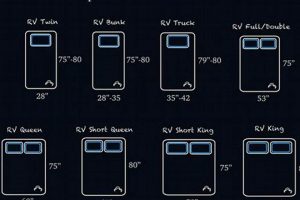
The dimensions of a sleeping surface designed for convertible sofa frames are a critical consideration. These measurements dictate compatibility with the frame, the comfort level experienced during use, and the overall utility of the furniture. For example, a full-sized sleeping arrangement typically measures around 54 inches wide by 75 inches long, while a queen-sized version extends to approximately 60 inches wide by 80 inches long.
Proper dimensionality ensures a comfortable and supportive sleeping surface. Adequate length and width accommodate varying body sizes and sleeping preferences. Historically, these convertible sleeping platforms offered space-saving solutions; accurate sizing maintains that functionality. Furthermore, conforming to standardized measurements simplifies the process of finding suitable linens and bedding accessories.
Understanding dimensional specifications is essential for selecting the appropriate sleeping platform. Subsequent sections will elaborate on specific dimensional standards, material composition, and considerations for choosing a sleeping platform that meets individual needs and spatial constraints.
Selecting the Appropriate Dimensions
Choosing the correct dimensions is crucial for maximizing comfort and ensuring compatibility with the intended frame. The following tips provide guidance on this essential decision.
Tip 1: Measure the Frame Accurately: Prior to purchase, precise measurements of the futon frame’s inner dimensions are necessary. This step prevents the acquisition of an incompatible sleeping surface. Document length, width, and depth for accurate comparison.
Tip 2: Consider Intended Use: Assess whether the convertible sofa will primarily serve as a seating option or a sleeping surface. Frequent overnight use necessitates a thicker and more supportive design, potentially impacting optimal dimensions.
Tip 3: Account for User Height: Taller individuals should prioritize models with sufficient length to ensure comfortable sleep without feet extending beyond the edge. Queen or king dimensions might be necessary to accommodate taller users.
Tip 4: Evaluate Room Size: The overall dimensions of the sleeping platform must correspond to the available space in the room, especially when fully extended in the sleeping position. Measure the room to confirm sufficient clearance.
Tip 5: Research Standard Sizes: Common dimensional categories include twin, full, queen, and king. Understanding standard sizing conventions simplifies the selection process and ensures compatibility with readily available bedding.
Tip 6: Account for Loft: Loft refers to the thickness of the sleeping platform. A thicker construction can provide greater comfort and support but might impact the ease of converting the sofa between seating and sleeping configurations.
Tip 7: Check for Compression: Some materials compress over time. Account for potential compression when selecting a thickness, particularly if the futon will be used frequently. Research material characteristics to assess long-term durability.
By carefully considering frame dimensions, intended use, user height, room size, standard sizes, loft, and potential compression, a user can make an informed decision and select the optimal sleeping platform. This thoughtful selection ensures both comfort and practical functionality.
The following section will delve into the various materials used in construction, providing further guidance for selecting a durable and comfortable option.
1. Length

The length of a futon mattress constitutes a critical element of its overall dimensions, directly influencing the suitability and comfort it provides to users. Insufficient length can lead to discomfort, particularly for taller individuals, resulting in inadequate support for the entire body. For instance, a standard full-sized futon mattress typically measures 75 inches in length, which may prove insufficient for users exceeding six feet in height. This mismatch underscores the importance of considering user height when determining the appropriate futon mattress dimensions.
Length also impacts the spatial efficiency of a room when the futon is deployed in its sleeping configuration. A longer futon mattress will require more floor space, potentially hindering movement or limiting the placement of other furniture. Conversely, selecting a shorter length to conserve space might compromise user comfort. Standard queen-size dimensions, typically 80 inches in length, exemplify this trade-off; they provide greater sleeping area but demand increased floor space. Careful measurement and consideration of both user needs and spatial constraints are essential for optimal selection.
Therefore, the connection between length and the overall dimensions of a futon mattress is undeniable. Accurate assessment of both user requirements and room dimensions dictates the appropriate length selection. Neglecting this consideration can lead to discomfort, spatial inefficiencies, and ultimately, a less-than-satisfactory user experience. A deliberate approach, prioritizing both comfort and practicality, ensures the chosen length contributes positively to the functionality of the futon mattress as a whole.
2. Width

The width dimension is a primary determinant of the usability and comfort offered by a futon mattress. It directly influences the number of individuals the mattress can accommodate and the level of personal space afforded to each user. For instance, a twin-size futon mattress, typically measuring approximately 39 inches in width, is primarily suited for a single occupant. Conversely, a queen-size mattress, with a width of around 60 inches, can comfortably accommodate two adults. The direct relationship between the width and the number of users makes it a critical selection factor based on anticipated occupancy.
Beyond occupancy, the width also affects the overall functionality within a given space. A wider futon, while providing more sleeping area, consumes a larger footprint in both seating and sleeping configurations. This is particularly relevant in smaller apartments or multi-functional rooms where space optimization is paramount. For example, a full-size futon, approximately 54 inches wide, might be a viable compromise, offering a reasonable sleeping area without excessively encroaching on available floor space. Careful consideration of spatial constraints is thus essential when determining the optimal width dimension.
In summary, width significantly contributes to the suitability of a futon mattress. It directly impacts occupancy levels, personal space, and space utilization. Understanding the interplay between width, room dimensions, and intended usage patterns allows for informed decision-making, maximizing the value and practicality of the chosen futon. A balanced approach, weighing user comfort against spatial limitations, ultimately leads to a more satisfying and efficient use of space.
3. Thickness

The thickness dimension of a futon mattress significantly influences its overall utility and perceived comfort. It is a critical factor inextricably linked to the overall dimensions and performance characteristics of the sleeping surface.
- Support and Comfort Level
Thickness directly correlates with the level of support and comfort the futon mattress provides. A thicker mattress generally offers improved cushioning and pressure distribution, resulting in a more comfortable sleep experience. For example, a 4-inch thick futon may be adequate for occasional use, while an 8-inch or thicker mattress is preferable for regular sleeping.
- Durability and Longevity
The thickness of a futon mattress often indicates the quality and quantity of materials used in its construction. A thicker mattress typically implies a higher density of filling materials, contributing to increased durability and resistance to compression over time. This translates to a longer lifespan for the product.
- Weight and Foldability
A notable trade-off exists between thickness and practicality. While a thicker futon mattress offers enhanced comfort and support, it also increases the overall weight and bulk, potentially making it more difficult to fold and convert the futon between seating and sleeping configurations. This is especially important for individuals who frequently adjust the futon’s position.
- Frame Compatibility and Aesthetics
The chosen thickness must be compatible with the futon frame’s design. An excessively thick mattress may not fold properly or fit securely within the frame, compromising both functionality and visual appeal. Conversely, a mattress that is too thin may appear inadequate and fail to provide adequate support.
Ultimately, the selection of an appropriate thickness requires a balanced consideration of comfort needs, durability expectations, practicality concerns, and aesthetic preferences. The interplay between thickness and the other dimensions determines the overall suitability of the futon mattress for its intended purpose.
4. Frame Compatibility

The relationship between frame compatibility and mattress dimensions is foundational to the functionality of a futon. Improper alignment between the two components renders the system unusable or significantly diminishes its intended utility.
- Dimensional Conformance
Precise dimensional correspondence is paramount. The mattress length and width must align with the frame’s internal dimensions. A mattress that is too large will not fit within the frame, while one that is too small will shift excessively, compromising support and comfort. For instance, a full-size frame requires a full-size mattress, typically around 54 inches wide by 75 inches long.
- Thickness Accommodation
The frame must accommodate the mattress’s thickness, particularly in the folded (seating) configuration. Insufficient clearance can impede folding and may damage the frame or mattress. A frame designed for a thinner mattress may struggle to accommodate a thicker, more plush option, potentially affecting the stability of the seating arrangement.
- Support Structure Alignment
The mattress’s weight distribution should align with the frame’s support structure. Inadequate support can lead to sagging or uneven wear, reducing the mattress’s lifespan and compromising comfort. Frames with widely spaced slats may not adequately support thinner mattresses, requiring a more robust mattress construction for optimal performance.
- Locking Mechanism Integration
The mattress must not interfere with the frame’s locking mechanisms, which secure the futon in its various positions (e.g., sofa, lounger, bed). A mattress that is too thick or improperly shaped may obstruct these mechanisms, rendering the futon unstable or unusable in certain configurations.
These facets illustrate the integral link between mattress dimensions and frame functionality. Proper frame compatibility ensures seamless transition between configurations, maximized comfort, and extended product lifespan. Neglecting this critical aspect compromises the overall effectiveness of the futon system.
5. Sleeping Area

The term “sleeping area,” when discussing futon mattresses, directly refers to the two-dimensional surface available for occupancy during rest. The physical dimensions of this area are fundamentally determined by the futon mattress dimensions. Specifically, the length and width of the mattress dictate the extent of this usable surface. Consequently, dimensional choices have a profound impact on comfort levels and suitability for various users. For example, a smaller “sleeping area” provided by a twin-size futon mattress will be insufficient for accommodating two adults comfortably, resulting in a compromised sleep experience. Conversely, a larger “sleeping area,” such as that offered by a queen-size futon mattress, may prove unnecessarily spacious for a single occupant, potentially wasting valuable floor space. Thus, selecting appropriate mattress dimensions is crucial for optimizing the utility and efficiency of the sleeping arrangement.
The size of the “sleeping area” also has ramifications for the support and weight distribution provided by the mattress. An inadequate surface area may concentrate pressure on specific points, leading to discomfort and potential musculoskeletal strain. Consider a scenario where two individuals attempt to share a twin-size futon mattress. The limited “sleeping area” forces them into close proximity, potentially disrupting sleep patterns and exacerbating pressure points. In contrast, a larger “sleeping area” allows for more even weight distribution, reducing the likelihood of discomfort and promoting restful sleep. Furthermore, the dimensions of the “sleeping area” affect the selection of appropriate bedding. Fitted sheets, blankets, and comforters must correspond to the mattress size to ensure proper fit and coverage.
In summary, the “sleeping area” represents a critical aspect of futon mattress selection. Its dimensions, directly determined by the mattress’s length and width, impact user comfort, space efficiency, and weight distribution. Careful consideration of anticipated occupancy, spatial constraints, and ergonomic factors is essential for selecting a mattress that provides an adequate and comfortable “sleeping area.” Failure to adequately consider these factors may result in a compromised sleep experience, inefficient space utilization, and potential musculoskeletal issues. Consequently, the relationship between mattress dimensions and the resulting “sleeping area” is a primary consideration in the selection process.
6. Folded Dimensions

The term “folded dimensions,” in the context of a futon mattress, describes the physical measurements of the unit when it is configured in its seating position. These measurements are inextricably linked to the “size of futon mattress” as a whole, representing a crucial aspect of its practical utility. The dimensions of the unfolded mattress directly influence the resulting folded dimensions; a larger mattress inherently translates to a larger profile when folded. For example, a queen-sized futon mattress, with its greater length and width, will occupy significantly more space in its folded state than a twin-sized option. This difference impacts placement options and overall spatial efficiency within a room.
The importance of understanding folded dimensions lies in its practical implications for space management. Futons are often chosen for their dual functionality, serving as both seating and sleeping surfaces, particularly in environments where space is limited. The folded dimensions dictate how much floor space is consumed when the futon is used as a sofa or lounger. Consider a studio apartment; accurate knowledge of the folded dimensions allows the occupant to strategically position the futon, maximizing usable space and facilitating ease of movement. Disregarding this factor can lead to overcrowding and functional limitations. Moreover, folded dimensions affect the visual harmony of a room. An excessively bulky folded futon can appear disproportionate, disrupting the aesthetic balance of the space.
In summary, folded dimensions are an integral component of the overall “size of futon mattress,” impacting both its functionality and its integration within a given environment. Careful consideration of these dimensions is essential for making informed purchasing decisions and optimizing space utilization. The challenges associated with balancing comfort, sleeping area, and folded profile highlight the importance of thorough planning and accurate measurement. Neglecting this aspect can lead to practical limitations and aesthetic compromises, undermining the intended benefits of a dual-purpose futon.
7. Total Weight

The aggregate mass, denoted as “Total Weight,” is an inherent physical property directly influenced by the overall “size of futon mattress.” Dimensional increases in length, width, and particularly thickness invariably lead to a corresponding increase in mass. This relationship is governed by the constitutive materials and their densities. A king-size futon mattress, for example, possesses a substantially greater “Total Weight” than a twin-size variant due to its expanded dimensions and consequent material volume. This mass increase presents practical considerations for handling, transportation, and frame suitability. A frame designed for a lighter mattress may be structurally inadequate for a heavier one, leading to potential damage or instability. Furthermore, the ease of converting the futon between its seating and sleeping configurations is directly affected by its “Total Weight”; a heavier mattress requires greater physical effort.
The composition of the mattress filling significantly contributes to the “Total Weight.” Materials such as cotton, foam, innerspring coils, and blended fibers exhibit varying densities. A mattress filled primarily with high-density memory foam will generally weigh more than one predominantly composed of lower-density cotton batting, even if their exterior dimensions are identical. The selection of filling materials, therefore, represents a trade-off between desired comfort characteristics and manageable “Total Weight.” Consider, for instance, the logistical challenges associated with moving a futon mattress constructed with dense, high-quality materials. The increased “Total Weight” necessitates greater physical exertion and potentially requires specialized moving equipment.
In summary, the “Total Weight” constitutes a critical attribute intrinsically linked to the “size of futon mattress,” dictating handling ease, frame compatibility, and overall portability. Understanding this interdependency allows for informed selection based on individual needs and physical capabilities. A lighter mattress may be preferable for frequent relocations or individuals with limited physical strength, while a heavier mattress may offer enhanced support and durability at the expense of maneuverability. Therefore, the “Total Weight” is a non-negligible factor that should be carefully assessed alongside other dimensional considerations.
Frequently Asked Questions Regarding Futon Mattress Dimensions
The following addresses common inquiries pertaining to futon mattress dimensions. Accurate understanding of these dimensional specifications is crucial for ensuring proper fit, functionality, and user comfort.
Question 1: What are the standard dimensional categories for futon mattresses?
Common dimensional categories include twin (approximately 39 inches wide by 75 inches long), full (approximately 54 inches wide by 75 inches long), queen (approximately 60 inches wide by 80 inches long), and, less frequently, king (approximately 76 inches wide by 80 inches long). Dimensional variance may exist between manufacturers.
Question 2: How does mattress thickness impact the selection process?
Thickness influences both comfort and compatibility. Thicker mattresses generally offer improved cushioning but may present challenges with folding or frame accommodation. Frame specifications should be consulted to determine the maximum acceptable mattress thickness.
Question 3: What dimensional factors should be considered for taller individuals?
Height necessitates prioritizing mattress length. Individuals exceeding six feet in height should consider queen- or king-sized options to ensure adequate body support and prevent discomfort caused by feet extending beyond the mattress edge.
Question 4: How are folded dimensions relevant to space optimization?
Folded dimensions dictate the amount of floor space occupied when the futon is in its seating configuration. These dimensions are particularly critical in smaller living spaces, where efficient use of available area is paramount.
Question 5: Does the material composition affect the overall mattress weight?
Yes, material density directly impacts mattress weight. Mattresses incorporating denser materials, such as memory foam or innerspring coils, will typically weigh more than those primarily composed of cotton or lighter synthetic fibers. Total weight impacts handling and frame suitability.
Question 6: What steps can be taken to ensure dimensional compatibility with an existing futon frame?
Prior to purchasing a futon mattress, meticulously measure the inner dimensions of the frame. Compare these measurements to the mattress specifications, ensuring a precise fit. Account for potential compression or expansion of the mattress material over time.
In summary, meticulous attention to dimensional details is essential for maximizing the utility and comfort of a futon mattress. Accurate measurement and thorough consideration of individual needs are paramount.
The subsequent section will explore strategies for maintaining and extending the lifespan of a futon mattress, irrespective of its dimensions.
Conclusion
The preceding analysis has underscored the critical importance of “size of futon mattress” in determining functionality, comfort, and overall suitability. Careful consideration of length, width, thickness, frame compatibility, sleeping area, folded dimensions, and total weight is essential for informed decision-making. Disregard for dimensional specifications can lead to compromised comfort, spatial inefficiencies, and accelerated product degradation.
Therefore, prospective purchasers are urged to prioritize dimensional accuracy during the selection process. Thorough measurement, diligent research, and careful assessment of individual needs will ensure optimal utilization and enduring satisfaction. The judicious application of these principles will maximize the value derived from a futon mattress investment.
![Best Queen Size Adjustable Mattress [Deals] | Organic & Natural Mattress Buyer’s Guide: Non-Toxic Sleep Solutions](https://mattressworldpa.com/wp-content/uploads/2025/07/th-2362-300x200.jpg "Best Queen Size Adjustable Mattress [Deals] Organic & Natural Mattress Buyer’s Guide: Non-Toxic Sleep Solutions")

![RV Comfort: Custom Size Mattress for RVs [Guide] | Organic & Natural Mattress Buyer’s Guide: Non-Toxic Sleep Solutions](https://mattressworldpa.com/wp-content/uploads/2025/07/th-2359-300x200.jpg "RV Comfort: Custom Size Mattress for RVs [Guide] Organic & Natural Mattress Buyer’s Guide: Non-Toxic Sleep Solutions")