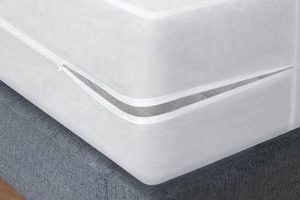
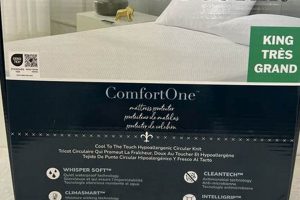
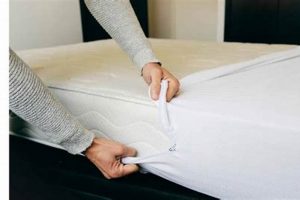
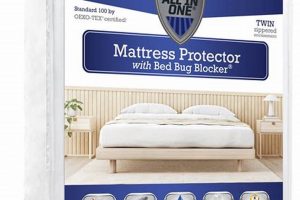
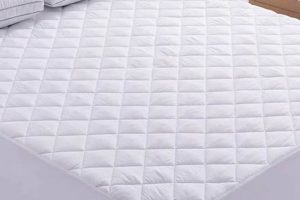
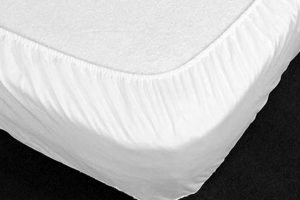
This bedding accessory is designed to shield a sizable sleeping surface, specifically a queen-sized mattress, while also accommodating thicker mattresses. It provides a barrier against spills, stains, dust mites, and allergens, effectively extending the life of the mattress. The term “deep pocket” signifies that the protector is manufactured with extra fabric in the side panels to fit mattresses that are taller than standard models. For example, a mattress with a depth of 12-18 inches would typically require this type of protector.
Protecting a substantial bedding investment from damage and wear is a key benefit. The protector offers a hygienic sleep environment by preventing allergens and dust mites from penetrating the mattress. This can be particularly important for individuals with allergies or asthma. Historically, simpler mattress covers were used primarily for hygiene, but contemporary models incorporate advanced materials and construction techniques to offer enhanced comfort, breathability, and protection.
The following sections will detail specific material types, construction features, care instructions, and key factors to consider when selecting a suitable option for individual needs and preferences. Detailed information regarding waterproof capabilities, breathability, and sizing considerations will also be provided.
Selection and Care Tips
Consideration of several factors can optimize the lifespan and effectiveness of this type of bedding protection. Following these guidelines can contribute to a more satisfactory purchase and prolonged use.
Tip 1: Measure Mattress Depth Accurately: Determine the precise depth of the mattress before purchasing. Underestimating the depth can result in a poor fit and compromised protection, while overestimating may lead to excessive bunching and discomfort.
Tip 2: Prioritize Material Breathability: Evaluate the breathability of the fabric. Materials like cotton or bamboo blends promote airflow, minimizing heat retention and enhancing sleep comfort. Avoid materials that may trap heat if prone to night sweats.
Tip 3: Assess Waterproofing Needs: Consider the level of waterproofing required. While complete waterproofing offers maximum protection against spills, it may reduce breathability. Water-resistant options provide a balance between protection and airflow. Evaluate specific needs based on factors such as the presence of children or pets.
Tip 4: Examine Construction Quality: Scrutinize the construction of the protector. Reinforced seams and durable elastic edging contribute to longevity and prevent tearing or slippage. Look for models with a fitted sheet design for a secure and even fit.
Tip 5: Review Washing Instructions: Adhere to the manufacturer’s washing instructions. Proper care ensures the continued effectiveness of the protector’s protective qualities. Avoid harsh chemicals or high heat drying, which can damage the waterproof membrane or shrink the fabric.
Tip 6: Check for Certifications: Look for certifications like OEKO-TEX Standard 100, which indicates that the protector has been tested for harmful substances and is safe for use. This is particularly important for individuals with sensitivities or allergies.
Tip 7: Consider Hypoallergenic Properties: If allergies are a concern, select a protector with hypoallergenic properties. These protectors are designed to resist dust mites and other allergens, promoting a healthier sleep environment.
Selecting a high-quality protector and following recommended care practices can significantly extend the lifespan of a queen mattress and contribute to a more hygienic and comfortable sleep experience. This investment in protection can ultimately save money and improve overall sleep quality.
The following section will explore specific product recommendations based on the criteria discussed above.
1. Precise Depth Measurement
Accurate measurement of mattress depth is fundamentally linked to the effective use of a deep pocket mattress protector for queen-sized beds. The term “deep pocket” explicitly denotes that these protectors are designed to accommodate mattresses exceeding standard thicknesses. Failure to ascertain the precise depth prior to purchase often results in selection of an inappropriate protector, rendering it ineffective. A protector with insufficient pocket depth will stretch and may tear, failing to fully encase the mattress and provide the intended protection against spills, stains, and allergens. For example, attempting to fit a protector designed for a 12-inch mattress onto an 18-inch mattress invariably leads to compromised coverage and diminished performance.
The consequences of inaccurate depth measurement extend beyond mere inconvenience. An improperly fitted protector not only exposes the mattress to potential damage but also creates an uneven sleep surface, potentially impacting sleep quality. Furthermore, the tension placed on the fabric of an undersized protector can accelerate wear and tear, necessitating premature replacement. Conversely, selecting a protector with an excessively deep pocket can result in bunching and shifting, also diminishing comfort and overall effectiveness. The goal is a snug, smooth fit that provides complete coverage without adding unnecessary bulk or pressure points. Consider, for instance, the difference between a 14″ and 16″ mattress. If one buys a 14″ deep pocket it won’t completely cover the 16″ mattress; and if one buys an 18″ deep pocket it will be bunching when covering the 16″ mattress
In summary, precise depth measurement is not merely a preliminary step in selecting a deep pocket mattress protector for queen-sized beds, but a critical prerequisite for ensuring proper fit, optimal protection, and enhanced sleep comfort. Overlooking this step can negate the intended benefits of the product, leading to dissatisfaction and potential damage to the mattress. It reinforces the idea that a properly sized and fitted protector is the key to a well-protected and comfortable sleep environment. Understanding these subtleties makes a difference between the ideal sleep and sleep with potential damage.
2. Waterproof Barrier Effectiveness
The ability of a “deep pocket mattress protector queen” to effectively prevent liquids from penetrating the mattress core constitutes a fundamental aspect of its utility. This waterproofing capability safeguards the mattress from staining, odor, and potential microbial growth, directly influencing its lifespan and hygiene.
- Material Composition and Construction
The specific materials used in the protector’s construction, along with the method of lamination or coating, dictate the level of waterproofing achieved. Polyurethane films are frequently employed for their impermeability, while tightly woven fabrics provide a degree of water resistance. The integrity of seams and closures also affects the overall effectiveness of the barrier. Example: A protector utilizing a multi-layered polyurethane membrane bonded to a breathable fabric backing offers a higher level of protection compared to a single-layer coated protector.
- Testing Standards and Certifications
Independent testing laboratories often assess the waterproof performance of mattress protectors using standardized methods. Certifications, such as those related to liquid penetration resistance, provide consumers with verifiable information regarding the protector’s capabilities. Example: A protector certified to withstand a specified water pressure level indicates a greater degree of waterproof reliability.
- Breathability Trade-offs
Achieving complete waterproofing often involves a trade-off with breathability. Materials that completely block liquids may also restrict airflow, potentially leading to heat buildup and discomfort. Balancing these two factors is crucial in selecting a protector that meets both protection and comfort needs. Example: Some protectors utilize microporous membranes that allow air to pass through while preventing liquid penetration, albeit potentially at a reduced level of waterproofing compared to fully impermeable materials.
- Maintenance and Durability
The effectiveness of the waterproof barrier can be affected by washing, drying, and general wear and tear. Following the manufacturer’s care instructions is essential for preserving the integrity of the waterproof layer over time. Example: Repeated washing at high temperatures or the use of harsh detergents can degrade the waterproof coating, diminishing its protective capabilities.
In summary, the waterproof barrier effectiveness of a “deep pocket mattress protector queen” hinges on a complex interplay of material science, construction techniques, testing protocols, and user maintenance practices. Understanding these facets is essential for making an informed purchase decision that aligns with individual needs and priorities, ensuring the long-term protection and hygiene of the mattress.
3. Hypoallergenic Fabric Properties

The presence of hypoallergenic fabric properties in a deep pocket mattress protector queen is inextricably linked to its ability to mitigate allergic reactions and promote a healthier sleep environment. A mattress, by its very nature, is a breeding ground for dust mites, mold, and other allergens, which can trigger respiratory issues, skin irritations, and general discomfort in susceptible individuals. Deep pocket protectors, designed to encase thicker mattresses, act as a barrier against these allergens, and the inherent hypoallergenic characteristics of the fabric from which they are constructed enhance this protective function. For instance, a protector made from tightly woven microfiber with a pore size too small for dust mites to penetrate effectively blocks allergen migration. Without these properties, even a well-fitted protector offers limited defense against allergens.
The significance of hypoallergenic properties extends beyond simply preventing allergen penetration. Certain fabrics, such as bamboo or Tencel, possess inherent moisture-wicking capabilities that inhibit the growth of mold and mildew, further reducing allergen exposure. Furthermore, some materials undergo specific treatments to enhance their hypoallergenic qualities. For example, fabrics treated with antimicrobial agents can actively kill bacteria and fungi, creating a cleaner sleeping surface. Real-world examples include individuals with asthma or eczema experiencing a noticeable reduction in symptoms after switching to a deep pocket mattress protector queen made from hypoallergenic materials. The practical implications of this understanding are significant, particularly for those with diagnosed allergies or sensitivities, emphasizing the necessity of scrutinizing fabric composition and certifications when selecting a protector.
In summary, the connection between hypoallergenic fabric properties and the functionality of a deep pocket mattress protector queen is paramount. These properties offer a proactive defense against allergens, contributing to a healthier and more comfortable sleep environment. While proper fit and waterproofing remain essential considerations, the intrinsic hypoallergenic nature of the fabric is a critical factor in determining the protector’s overall effectiveness in allergy management. Recognizing this connection allows consumers to make informed decisions, selecting protectors that not only protect their mattresses but also actively promote their well-being.
4. Breathability For Comfort
The relationship between breathability and comfort in the context of a deep pocket mattress protector queen is a critical determinant of sleep quality. Breathability, referring to the ability of a material to allow air and moisture to pass through it, directly influences temperature regulation during sleep. A non-breathable mattress protector traps heat and humidity, leading to discomfort, increased sweating, and potentially disrupted sleep patterns. Conversely, a breathable protector facilitates airflow, dissipating heat and moisture, thus maintaining a more stable and comfortable sleep environment. The effect is magnified in deeper mattresses, where the insulating properties of the mattress itself contribute to increased heat retention. For instance, individuals using memory foam mattresses, known for their heat-retentive qualities, particularly benefit from a breathable mattress protector.
The composition and construction of the protector significantly influence its breathability. Materials such as cotton, bamboo, Tencel, and specifically designed microfibers with advanced weaving techniques promote airflow. Moreover, the presence of a waterproof membrane, a necessary component for protecting the mattress from spills, can impede breathability. The challenge lies in selecting a protector that balances waterproof protection with adequate breathability. Certain protectors utilize microporous membranes that allow air and water vapor to pass through while preventing liquid penetration. In practice, this translates to a cooler and drier sleeping experience, minimizing the likelihood of overheating and night sweats. The absence of breathability can negate other benefits, such as hypoallergenic properties, as a humid environment encourages dust mite proliferation.
In summary, breathability is not merely a desirable feature but a fundamental requirement for comfort in a deep pocket mattress protector queen. It directly impacts temperature regulation, moisture management, and overall sleep quality. Selecting a protector constructed from breathable materials and incorporating breathable waterproof membranes is crucial for optimizing sleep comfort. The implications extend beyond individual comfort, affecting long-term sleep health and hygiene. Failing to prioritize breathability can undermine the intended benefits of the protector, leading to a compromised sleep experience and potentially exacerbating existing sleep-related issues.
5. Secure Fitted Design

A secure fitted design is an indispensable attribute of a deep pocket mattress protector queen, directly influencing its functionality and protective capabilities. The primary role of the protector is to encase the mattress, shielding it from spills, stains, allergens, and dust mites. A design that fails to maintain a secure and consistent fit compromises this protective barrier, leaving the mattress vulnerable. Cause and effect are evident: a loose or ill-fitting protector allows contaminants to bypass the intended shield, rendering the protector largely ineffective. The design’s importance stems from its continuous, unwavering contact with the mattress surface, preventing shifting and ensuring uniform protection across the entire sleeping area.
The “deep pocket” element is integral to this secure fit, accommodating the increased depth of modern mattresses. Without adequately deep pockets, the protector will strain, potentially tearing or slipping off the mattress corners. This slippage not only exposes the mattress but also creates an uncomfortable sleeping surface, characterized by bunching and wrinkles. Consider the scenario of a protector slipping mid-sleep. If there is a spill it will negate any preventative benefit and the mattress will absorb it. A mattress protector with a secure fitted design will hold steadfast during the night; helping protect the mattress for the spill to be properly dealt with. Elastic edging, often employed in fitted sheet designs, further contributes to a secure fit by maintaining tension and preventing the protector from riding up or bunching.
In summation, a secure fitted design is not merely an aesthetic consideration; it is a functional necessity for a deep pocket mattress protector queen. It determines the protector’s ability to perform its primary function effectively, safeguarding the mattress from damage and allergens. Challenges arise in achieving a universally secure fit due to variations in mattress depth and construction. A properly fitted design contributes significantly to mattress longevity and the overall quality of the sleep environment, reinforcing the interconnectedness of design and protective efficacy.
Frequently Asked Questions
The following questions address common inquiries regarding the selection, use, and maintenance of deep pocket mattress protectors designed for queen-sized beds. Clarity on these points contributes to informed purchasing decisions and optimal product performance.
Question 1: What constitutes a “deep pocket” in reference to a mattress protector?
A “deep pocket” signifies that the mattress protector is designed to accommodate mattresses with greater thicknesses than standard models. These protectors typically fit mattresses ranging from 12 to 18 inches in depth, although specific dimensions may vary by manufacturer. Check product specifications for accurate depth measurements.
Question 2: How frequently should a deep pocket mattress protector queen be washed?
Wash frequency depends on usage and potential exposure to spills or allergens. Generally, washing the protector every 1-2 months is recommended. However, immediate washing is advisable following any spills or soiling. Always adhere to the manufacturer’s care instructions.
Question 3: Can a heated mattress pad be used in conjunction with a deep pocket mattress protector queen?
Yes, a heated mattress pad can generally be used with a mattress protector. However, ensure that both the pad and the protector are compatible with the mattress depth and follow the manufacturer’s safety guidelines for both products. Place the protector beneath the heated pad to protect the mattress from potential spills.
Question 4: What materials offer the best combination of waterproofing and breathability in a deep pocket mattress protector queen?
Materials such as polyurethane laminates and specifically engineered microporous membranes provide a balance between waterproofing and breathability. These materials allow air to pass through while preventing liquid penetration. Look for protectors that specify these features in their product descriptions.
Question 5: How can the lifespan of a deep pocket mattress protector queen be maximized?
To maximize lifespan, follow the manufacturer’s care instructions carefully. Avoid using harsh chemicals or high heat during washing and drying, as these can damage the waterproof membrane and fabric. Rotate the protector periodically to distribute wear evenly.
Question 6: Are all deep pocket mattress protectors queen hypoallergenic?
Not all protectors are inherently hypoallergenic. To ensure hypoallergenic properties, select protectors made from materials such as tightly woven microfiber, bamboo, or Tencel. Look for certifications indicating that the protector has been tested for allergens and harmful substances.
In summary, understanding the specifications, care requirements, and material properties of a deep pocket mattress protector queen contributes to informed decision-making and optimal product utilization. Proper maintenance and selection of appropriate materials ensure both mattress protection and a healthy sleep environment.
The subsequent section will provide a comparative analysis of various deep pocket mattress protector queen models, highlighting their key features and benefits.
Conclusion
This exploration has elucidated the salient characteristics and functional considerations associated with a deep pocket mattress protector queen. The analysis spanned from precise depth measurement and waterproof barrier effectiveness to hypoallergenic fabric properties, breathability for comfort, and the importance of a secure fitted design. Each aspect contributes to the overall utility and longevity of the product, influencing mattress protection, hygiene, and sleep quality.
Effective implementation of the information presented ensures a well-informed purchase, maximizes product lifespan, and optimizes the sleep environment. Careful consideration of material composition, construction quality, and maintenance practices is paramount. The ultimate goal remains consistent: safeguarding the substantial bedding investment and promoting long-term sleep well-being.