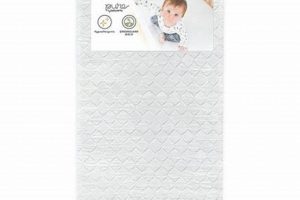
The process of raising one end of the sleep surface inside a baby’s crib is intended to place the infant at a slight incline. This adjustment, involving the careful positioning of a support mechanism beneath the mattress, is commonly employed to address specific infant health concerns, such as acid reflux or nasal congestion. For instance, gently raising the head of the mattress can mitigate the discomfort associated with gastroesophageal reflux.
Elevation can aid in easier breathing and reduced discomfort for babies experiencing respiratory issues. Historically, parents have sought various methods to achieve this incline, ranging from placing books under the crib legs to utilizing specialized wedge-shaped products. It is essential to consider both the potential advantages and safety implications when implementing any method to create this inclined sleeping surface.
Subsequent sections will delve into recommended techniques for achieving safe and effective mattress inclines, highlight the products designed specifically for this purpose, and outline crucial safety precautions to ensure the infant’s well-being during sleep.
Guidance on Mattress Elevation
This section offers actionable advice for the safe and effective implementation of mattress inclination within a crib environment. Adherence to these guidelines is crucial to ensure infant safety and well-being.
Tip 1: Consult a Pediatrician: Prior to implementing any incline, seek counsel from a qualified medical professional. Determine whether elevation is medically necessary and appropriate for the infant’s specific condition.
Tip 2: Utilize Purpose-Built Products: Opt for crib wedges or specifically designed elevation devices manufactured to meet safety standards. Avoid improvisational methods that could compromise structural integrity.
Tip 3: Ensure a Secure Fit: Verify that any wedge or elevation device fits snugly beneath the mattress, preventing slippage or movement. A secure fit is paramount to maintaining a consistent angle.
Tip 4: Maintain a Slight Incline: Aim for a gradual and gentle slope. Excessive angles can create a risk of the infant sliding down, potentially obstructing breathing.
Tip 5: Secure the Mattress: After elevating one end, confirm the mattress remains firmly in place within the crib frame. It should not shift or create gaps along the sides.
Tip 6: Continuous Monitoring: Regularly observe the infant while in the crib, especially when first introducing the incline. Monitor for any signs of discomfort or difficulty breathing.
Tip 7: Re-evaluate Periodically: As the infant grows and develops, reassess the continued need for elevation. Consult with a pediatrician regarding discontinuing the incline as the infant’s condition improves.
Employing these tips can support a safer and more effective approach to mattress inclination, potentially alleviating certain infant discomforts. Safety, however, remains the foremost consideration.
The following sections will address potential safety concerns associated with this practice and provide additional resources for informed decision-making.
1. Doctor's Recommendation

A physician’s directive provides the necessary foundation for modifying an infant’s sleep surface. The practice of mattress inclination should not be undertaken without prior consultation, as it carries potential risks if implemented inappropriately or without a clear medical indication.
- Diagnosis Verification
A medical assessment is essential to confirm the existence of a condition that may warrant mattress elevation, such as gastroesophageal reflux (GERD) or persistent nasal congestion. Self-diagnosis and subsequent intervention could be ineffective or, potentially, detrimental.
- Safety Evaluation
A physician can evaluate the infant’s specific health circumstances to determine if the practice is safe and suitable. Certain pre-existing conditions or developmental stages may contraindicate the use of an inclined sleep surface.
- Implementation Guidance
Medical professionals can provide specific instructions regarding the degree of inclination, duration of use, and methods for achieving the appropriate elevation safely. This guidance minimizes the risk of improper implementation.
- Ongoing Monitoring
A physician can monitor the infant’s response to the intervention, making adjustments as needed. Periodic reassessment ensures that the mattress inclination continues to be both effective and safe as the infant grows and develops.
These considerations highlight the crucial role of medical guidance. Mattress inclination, employed without professional oversight, represents a potential risk to the infant. A physician’s involvement ensures that the practice is both justified and implemented in a manner consistent with the infant’s individual needs and safety.
2. Wedge Security

Wedge security represents a critical component in the safe and effective implementation of any mattress inclination strategy. The stability of the wedge or elevating device directly affects the infant’s position and, consequently, their well-being. A compromised wedge can negate the intended benefits of elevation, introducing potential hazards.
- Material Integrity
The composition of the wedge itself significantly impacts its ability to remain secure. Substandard materials may compress or deform over time, reducing the intended incline and creating an unstable surface. Durable, non-toxic materials are essential for maintaining both safety and functionality.
- Secure Placement
Proper placement beneath the mattress is paramount. The wedge must be firmly positioned, preventing any lateral or vertical movement. A loose or improperly positioned wedge introduces a risk of slippage, potentially causing the infant to roll into an unsafe position. Regular inspection is necessary to ensure consistent placement.
- Compatibility with Crib and Mattress
The dimensions of the wedge must align with the crib’s interior and the mattress size. An ill-fitting wedge may create gaps or uneven surfaces, posing a risk of entrapment or discomfort. Prior to use, confirm the wedge is specifically designed for crib mattress elevation and compatible with the crib model.
- Adherence to Safety Standards
Wedges intended for infant use must comply with established safety regulations. Look for products certified by recognized testing organizations. Compliance ensures the wedge has undergone rigorous testing to minimize the risk of hazards such as suffocation or chemical exposure.
Addressing wedge security from these perspectives contributes to a safer sleep environment. By prioritizing material integrity, secure placement, compatibility, and adherence to safety standards, caregivers can mitigate the risks associated with mattress inclination, optimizing the intended benefits while prioritizing the infant’s well-being.
3. Gentle Slope
The concept of a gentle slope is intrinsically linked to the practice of mattress inclination. It constitutes a crucial safety parameter governing the degree to which the mattress is raised, directly influencing the infant’s comfort, breathing, and overall well-being. Deviations from a gradual incline can introduce a range of potential risks, negating the intended benefits of elevation.
- Reduced Risk of Sliding
A gentle inclination minimizes the likelihood of the infant sliding downwards in the crib. Steeper angles increase the risk of the infant’s body shifting, potentially leading to airway obstruction or positional asphyxia. A gradual slope maintains a more stable position.
- Minimized Pressure on the Abdomen
Excessive elevation can exert undue pressure on the infant’s abdomen, potentially exacerbating existing digestive issues or creating new discomfort. A gentle slope distributes weight more evenly, reducing the risk of abdominal compression.
- Optimal Respiratory Function
While the intention of mattress elevation is often to facilitate easier breathing, an overly steep incline can paradoxically impede respiratory function. Exaggerated angles can constrict the chest cavity, making it more difficult for the infant to breathe effectively. A gentle slope supports optimal lung expansion.
- Prevention of Positional Deformities
Sustained periods of sleep on an excessively inclined surface can, over time, contribute to the development of positional deformities, such as plagiocephaly (flat head syndrome). A gentle slope, combined with repositioning techniques, minimizes the risk of cranial molding.
These facets collectively underscore the importance of adhering to a gentle inclination when elevating a crib mattress. A carefully calibrated slope, determined in consultation with a pediatrician, ensures that the intervention remains safe, effective, and conducive to the infant’s healthy development. Overly aggressive elevation strategies can introduce a range of unintended and potentially harmful consequences, counteracting the intended therapeutic benefits.
4. Mattress Stability

Mattress stability constitutes a cornerstone of safe mattress elevation within a crib environment. Maintaining a secure and unwavering sleep surface is paramount when implementing any form of inclination. Loss of stability compromises the integrity of the intended angle, introducing potential hazards that undermine the benefits of elevation.
- Prevention of Gaps
A stable mattress prevents the formation of gaps between the mattress and the crib frame. These gaps pose a significant risk of entrapment for infants, potentially leading to suffocation. Securing the mattress within the frame is essential to eliminate this hazard. For example, using fitted sheets designed for the mattress size and regularly inspecting for any displacement can mitigate this risk.
- Consistent Inclination Angle
Stability ensures that the intended inclination angle remains constant over time. Shifting or movement of the mattress disrupts the therapeutic benefits of elevation, rendering the intervention ineffective. A stable mattress maintains the proper incline, supporting consistent physiological advantages, such as reducing acid reflux. Employing a wedge or elevation device specifically designed for crib use and verifying its secure placement beneath the mattress are crucial steps in maintaining a consistent angle.
- Minimizing Slippage
A secure mattress minimizes the risk of the infant sliding down the inclined surface during sleep. Slippage can lead to positional asphyxia or other forms of respiratory distress. A stable mattress, coupled with appropriate swaddling or sleep sack usage, contributes to a safer sleep environment. Regular observation of the infant’s position within the crib serves as an additional safeguard against slippage.
- Structural Integrity of Elevation Method
The overall stability of the elevation method (e.g., wedge, blocks) directly impacts mattress stability. A structurally unsound elevation system can collapse, resulting in a sudden and potentially dangerous change in the sleep surface angle. Selecting durable, purpose-built elevation devices and routinely inspecting their integrity is essential. Avoiding makeshift or improvised elevation solutions minimizes the risk of structural failure.
The multifaceted nature of mattress stability underscores its central role in the safe and effective practice. Prioritizing mattress stability through secure placement, appropriate elevation devices, and continuous monitoring ensures that the intended benefits of the inclination are realized without compromising the infant’s safety or well-being. Mattress stability, as an integral component, demands careful consideration throughout the implementation and maintenance of mattress elevation strategies.
5. Constant Monitoring
The practice of continuous observation assumes paramount significance when an infant’s crib mattress has been intentionally inclined. This vigilance serves as a crucial safeguard, mitigating potential risks associated with altering the standard sleep surface configuration. Elevated mattress positions necessitate heightened awareness and immediate responsiveness to any signs of distress or positional compromise exhibited by the infant.
- Airway Obstruction Detection
Continuous observation allows for the prompt identification of potential airway obstruction. Infants positioned on an incline may be at increased risk of sliding downwards, potentially compressing the neck or face against the crib railing. Vigilant monitoring enables caregivers to intervene swiftly, repositioning the infant to ensure unobstructed breathing. For example, noting changes in breathing patterns, such as increased effort or unusual sounds, necessitates immediate evaluation and corrective action.
- Positional Asphyxia Prevention
Inclined sleep surfaces may increase the risk of positional asphyxia if the infant’s position restricts airflow. Continuous monitoring allows caregivers to assess the infant’s posture and proactively adjust their position to prevent airway compromise. An example includes ensuring the infant’s chin is not pressed against their chest for extended periods. Regular visual checks and tactile assessments of the infant’s breathing are critical for mitigating this risk.
- Early Discomfort Identification
Constant monitoring facilitates the early detection of discomfort or distress related to the inclined position. Infants may exhibit subtle cues indicating discomfort, such as restlessness, fussiness, or changes in facial expression. Early identification allows caregivers to adjust the incline or reposition the infant to alleviate discomfort before it escalates. Observing the infant’s overall demeanor and responsiveness provides valuable insight into their tolerance of the elevated position.
- Equipment Integrity Assurance
Continuous observation provides an opportunity to regularly assess the integrity of the elevation equipment. This includes verifying the secure placement of wedges or other elevation devices and confirming that the mattress remains stable within the crib frame. Identifying any signs of equipment failure or displacement allows for prompt corrective action, preventing potential hazards associated with an unstable sleep surface. Routine checks of the elevation mechanism are essential for maintaining a safe and effective inclined sleep environment.
These facets underscore the indispensable role of continuous monitoring in ensuring the safety and well-being of infants sleeping on an inclined crib mattress. The ability to detect and respond promptly to potential hazards arising from the altered sleep surface configuration is crucial for mitigating risks and maximizing the potential benefits of mattress elevation.
6. Reassessment

The practice of mattress elevation necessitates periodic evaluation to ascertain its ongoing appropriateness and safety. The initial conditions that warranted elevation may resolve over time, rendering the continued inclination unnecessary or even potentially detrimental. Reassessment involves a comprehensive review of the infant’s medical status, developmental progress, and response to the intervention, ensuring that the mattress angle remains justified and beneficial. Failure to reassess can lead to prolonged use of an inclined surface, potentially contributing to undesirable side effects or hindering the infant’s natural development.For example, an infant initially placed on an incline to manage gastroesophageal reflux may experience symptom resolution as their digestive system matures. Continuing the elevation beyond this point could impede the development of independent sleep skills or contribute to postural imbalances.
Reassessment should include consultation with a pediatrician or other qualified medical professional. The medical expert can evaluate the infant’s current condition, assess the effectiveness of the elevation, and determine whether to continue, modify, or discontinue the practice. This evaluation should consider objective measures of improvement, such as reduced frequency of reflux episodes or improved breathing patterns, as well as subjective observations regarding the infant’s comfort and well-being. Furthermore, reassessment should consider any potential adverse effects, such as positional preference or delayed motor skill development. In cases where the initial indication for elevation has resolved, a gradual transition to a flat sleep surface is generally recommended, allowing the infant to adapt to the new position without experiencing abrupt discomfort.
In summary, reassessment is a critical component of mattress elevation, ensuring that the practice remains safe, effective, and aligned with the infant’s evolving needs. Periodic evaluation by a medical professional is essential to determine the ongoing necessity of the inclination, prevent potential adverse effects, and promote optimal infant development. The dynamic nature of infant health and development necessitates a proactive approach to reassessment, preventing prolonged use of an inclined sleep surface when it is no longer medically indicated or beneficial.
Frequently Asked Questions About Crib Mattress Elevation
This section addresses common queries regarding the practice of elevating a crib mattress, offering insights based on current understanding and recommendations from medical professionals.
Question 1: Is mattress elevation universally recommended for infants?
Mattress elevation is not a universally recommended practice. It is typically suggested only when there is a specific medical indication, such as gastroesophageal reflux (GERD) or persistent nasal congestion, and should be implemented under the guidance of a pediatrician.
Question 2: What is the ideal angle for mattress elevation?
The generally recommended angle for mattress elevation is a gentle slope, typically ranging from 10 to 15 degrees. Steeper angles are generally discouraged due to the potential for infant slippage and respiratory compromise. A pediatrician should advise on the appropriate angle for each individual case.
Question 3: Are there specific products designed for mattress elevation?
Yes, specific products, such as crib wedges, are designed for elevating a crib mattress. These products are manufactured to meet safety standards and provide a secure, consistent incline. Improvised methods are generally discouraged due to safety concerns.
Question 4: What are the potential risks associated with elevating a crib mattress?
Potential risks associated with mattress elevation include infant slippage, airway obstruction, positional asphyxia, and the development of positional preferences or deformities. Strict adherence to safety guidelines and continuous monitoring are essential to mitigate these risks.
Question 5: How long should mattress elevation be continued?
The duration of mattress elevation should be determined in consultation with a pediatrician. The practice should be discontinued once the underlying medical condition has resolved or improved significantly. Prolonged use without medical justification is generally discouraged.
Question 6: What are the alternative methods for managing infant reflux or congestion?
Alternative methods for managing infant reflux or congestion may include smaller, more frequent feedings, burping the infant frequently, and using saline nasal drops or a bulb syringe to clear nasal passages. A pediatrician can provide individualized recommendations based on the infant’s specific needs.
In summary, elevation represents an intervention with specific indications and potential risks. Medical consultation, adherence to safety guidelines, and continuous monitoring are crucial for ensuring safe and effective implementation.
The subsequent section will summarize the key considerations and precautions associated with how to elevate crib mattress.
Concluding Remarks on Mattress Inclination
This exploration of mattress inclination has underscored critical aspects related to its implementation. From emphasizing the necessity of medical consultation to detailing the importance of wedge security and gentle slopes, this guide has illuminated the nuanced considerations involved. The significance of constant monitoring and the imperative for periodic reassessment have been consistently highlighted, emphasizing a proactive and responsible approach.
Ultimately, the decision to modify a sleep environment warrants diligent evaluation, informed consent, and unwavering adherence to safety protocols. The insights presented serve as a foundation for thoughtful decision-making, promoting a balance between addressing infant health concerns and ensuring optimal safety. By prioritizing evidence-based practices and prioritizing infant well-being, caregivers can navigate this decision responsibly. The long-term effects should be meticulously evaluated, and the practice discontinued once no longer medically warranted.

![Best Organic Crib Mattress Protector [Safe Sleep] | Organic & Natural Mattress Buyer’s Guide: Non-Toxic Sleep Solutions](https://mattressworldpa.com/wp-content/uploads/2025/07/th-1363-300x200.jpg "Best Organic Crib Mattress Protector [Safe Sleep] Organic & Natural Mattress Buyer’s Guide: Non-Toxic Sleep Solutions")