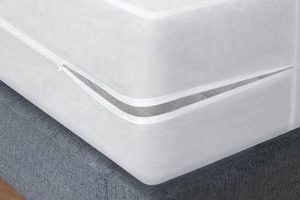
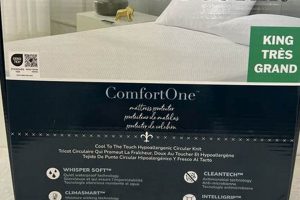
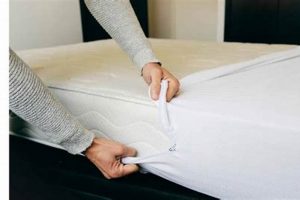
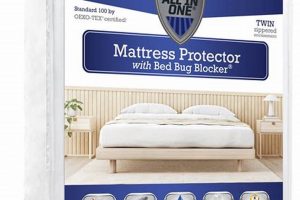
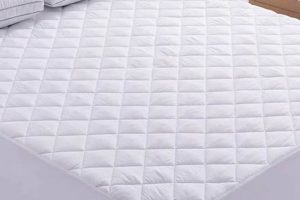
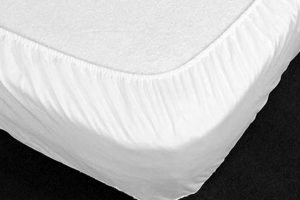
Mattress protectors are designed to shield the mattress from liquids, stains, allergens, and wear. Many models are constructed from materials like cotton, polyester, or polyurethane blends, facilitating routine cleaning. An example includes removing and laundering a stained protector to maintain a hygienic sleep environment.
Regular cleaning extends the lifespan of the mattress and contributes to improved sleep hygiene. The practice reduces the accumulation of dust mites, allergens, and body oils, benefiting individuals with sensitivities or allergies. Historically, protective coverings for bedding have evolved from simple cloths to technologically advanced, waterproof, and breathable materials.
The following sections will detail the proper methods for laundering mattress protectors, including considerations for different material types and drying techniques. Adhering to recommended cleaning guidelines ensures optimal protector performance and longevity.
Tips for Laundering Mattress Protectors
Optimizing the cleaning process for mattress protectors involves several key considerations to ensure cleanliness and longevity.
Tip 1: Check the Care Label: Always consult the manufacturer’s instructions prior to laundering. The care label dictates recommended water temperature, detergent types, and drying methods.
Tip 2: Pre-Treat Stains: Address any visible stains with a pre-treatment solution before washing. Target specific stains, such as blood or urine, with appropriate enzyme-based cleaners.
Tip 3: Use Mild Detergent: Opt for a gentle, fragrance-free detergent to avoid skin irritation and prevent damage to the protector’s materials. Harsh chemicals can degrade waterproof or breathable membranes.
Tip 4: Wash on a Gentle Cycle: Select a gentle or delicate wash cycle to minimize wear and tear on the fabric. This is particularly important for protectors with waterproof linings.
Tip 5: Avoid Fabric Softeners: Refrain from using fabric softeners, as they can reduce the protector’s absorbency and potentially damage waterproof coatings.
Tip 6: Tumble Dry on Low Heat: If tumble drying is permitted, use a low heat setting. High heat can warp or melt the waterproof layer of the protector. Air drying is often the preferred method.
Tip 7: Ensure Complete Drying: Before placing the protector back on the mattress, confirm that it is thoroughly dry. Dampness can lead to mold or mildew growth.
Following these tips will help maintain the integrity and effectiveness of mattress protectors, ensuring a cleaner and more hygienic sleep environment.
The subsequent sections will explore specialized cleaning techniques for various types of mattress protectors and address common issues encountered during the laundering process.
1. Material Composition

The feasibility and methodology of laundering a mattress protector are directly determined by its material composition. Different materials respond variably to washing and drying processes, influencing the protector’s lifespan and continued effectiveness. For instance, protectors incorporating polyurethane or thermoplastic polyurethane (TPU) layers for waterproofing necessitate gentle washing and low-heat or air drying to prevent delamination or melting. Conversely, protectors made primarily of cotton or polyester may tolerate higher temperatures and more robust washing cycles.
The selection of detergent is also contingent upon the material composition. Harsh detergents can degrade waterproof coatings or cause shrinkage in natural fibers. Protectors designed for allergy sufferers often utilize tightly woven fabrics to prevent allergen penetration. Aggressive washing can compromise this weave, rendering the protector ineffective. Therefore, understanding the specific materials used in a mattress protector is paramount to selecting appropriate cleaning agents and methods.
In conclusion, material composition acts as a primary determinant in establishing the correct cleaning protocol for a mattress protector. Failure to consider this factor can result in damage to the protector, reduced performance, and ultimately, a less hygienic sleep environment. Thorough examination of the care label, in conjunction with an understanding of the protector’s constituent materials, is essential for successful laundering.
2. Care Label Directions

Care label directions serve as the definitive guide for maintaining mattress protectors, dictating the acceptable parameters for laundering without compromising their structural integrity or protective qualities. These instructions are crucial for determining whether and how a protector can be washed.
- Washing Temperature
The care label specifies the maximum water temperature suitable for washing the protector. Exceeding this temperature can cause shrinkage, damage to waterproof layers, or fading of colors. For example, a label might indicate “Wash in cold water only,” suggesting a delicate material or a waterproof membrane susceptible to heat damage.
- Detergent Type
The label may recommend specific types of detergents or prohibit the use of certain chemicals, such as bleach or fabric softeners. Some detergents can degrade the waterproof lining or affect the hypoallergenic properties of the protector. “Use mild detergent, no bleach” is a common instruction.
- Drying Instructions
Drying methods significantly impact the protector’s lifespan. Care labels often dictate whether tumble drying is permissible and, if so, the appropriate heat setting. High heat can melt or warp waterproof layers. “Tumble dry low” or “Line dry” are typical instructions.
- Ironing Instructions
Care labels generally advise against ironing mattress protectors. The heat from an iron can damage the protective layers or melt synthetic materials. An instruction might explicitly state, “Do not iron.”
Adhering to care label directions is paramount in ensuring the effective and safe cleaning of mattress protectors. Deviating from these guidelines can lead to irreversible damage, rendering the protector ineffective and potentially voiding any warranties. Prioritizing adherence to these instructions safeguards the investment in a clean and protected sleep environment.
3. Water Temperature
Water temperature directly influences the efficacy and safety of laundering a mattress protector. Exceeding recommended temperature thresholds, as indicated on the care label, can compromise the protector’s structural integrity and performance. Elevated water temperatures can cause shrinkage in natural fibers such as cotton, potentially altering the protector’s fit and rendering it unusable. Furthermore, high temperatures may degrade synthetic materials commonly used in waterproof layers, leading to delamination or melting. For example, washing a protector with a polyurethane backing in hot water can cause the polyurethane to separate from the fabric layer, negating its waterproof properties. Conversely, using water that is too cold may not effectively remove stains or eliminate allergens, reducing the overall cleanliness of the protector.
The selection of an appropriate water temperature must consider both the need for effective cleaning and the preservation of the protector’s materials. Cold water washing is generally recommended for delicate fabrics or protectors with waterproof membranes, minimizing the risk of damage. Warm water can be suitable for more durable fabrics like polyester, offering a balance between stain removal and material preservation. Hot water, while effective for stain removal, should only be used when explicitly permitted by the care label, as it poses a significant risk of damage. In instances where stain removal is prioritized, a pre-treatment with a stain remover is often a safer alternative to using excessively hot water.
In summary, the interplay between water temperature and the washability of a mattress protector is a critical factor in maintaining its cleanliness and extending its lifespan. Adherence to the care label’s water temperature recommendations prevents damage to the protector’s materials while ensuring effective stain removal and allergen reduction. Therefore, careful consideration of water temperature is essential for achieving optimal results when laundering a mattress protector.
4. Detergent Type

The choice of detergent significantly impacts the washability and longevity of mattress protectors. Selecting an inappropriate detergent can damage the protector’s materials, diminish its protective qualities, and potentially void warranties. Therefore, understanding the connection between detergent type and the protector’s fabric and construction is crucial.
- Harsh Chemicals and Waterproofing
Many mattress protectors feature waterproof or water-resistant layers, often made of polyurethane or similar materials. Harsh detergents containing bleach, enzymes, or strong surfactants can degrade these layers over time, compromising their ability to repel liquids. This degradation can lead to cracking, peeling, or complete failure of the waterproofing, rendering the protector ineffective. For instance, using a standard laundry detergent with bleach on a waterproof protector may initially appear to clean effectively, but repeated washings will weaken the waterproof barrier.
- Gentle Detergents and Fabric Integrity
Opting for a mild, fragrance-free detergent is generally recommended for laundering mattress protectors. Gentle detergents are less likely to damage delicate fabrics or waterproof coatings. These detergents clean effectively without harsh chemicals, preserving the protector’s integrity. A real-world example involves using a detergent specifically designed for sensitive skin, which is typically free of dyes and fragrances that could irritate the skin or damage the protector’s materials.
- Residue Buildup and Hypoallergenic Properties
Certain detergents can leave residue buildup on the fabric, even after rinsing. This residue can attract dust mites and allergens, negating the hypoallergenic properties of the mattress protector. Furthermore, residue can stiffen the fabric and reduce its breathability. For example, using too much detergent or a detergent that does not rinse cleanly can create a breeding ground for allergens within the protector, especially relevant for individuals with allergies or asthma.
- Specialty Detergents for Specific Materials
Some mattress protectors are made from specialized materials like bamboo or Tencel. These materials may require specific detergent types to maintain their unique properties. For example, a bamboo mattress protector may benefit from a detergent designed for delicate fabrics to preserve its softness and moisture-wicking capabilities. Similarly, a Tencel protector may require a detergent with enzymes to prevent pilling and maintain its smooth surface. Always consult the manufacturer’s instructions for recommended detergent types.
In conclusion, the relationship between detergent type and mattress protector washability is paramount. Using the wrong detergent can lead to decreased performance, material damage, and potential health concerns due to residue buildup or compromised hypoallergenic properties. Choosing a mild, appropriate detergent, guided by the care label instructions, ensures effective cleaning while preserving the protector’s integrity and extending its useful lifespan.
5. Drying Method

The selected drying method is intrinsically linked to the ability to successfully launder a mattress protector. Inappropriate drying techniques can negate the benefits of washing, causing irreversible damage and rendering the protector unusable. The materials comprising the protector, particularly waterproof membranes, are often sensitive to high temperatures. Exposure to excessive heat during drying can lead to delamination, melting, or warping, thereby compromising the protector’s primary function. For example, tumble-drying a protector with a polyurethane lining on high heat can cause the lining to separate from the fabric, eliminating its water-resistant properties. Conversely, failure to adequately dry the protector can promote mold or mildew growth, particularly in humid environments. A damp protector placed back on the mattress creates an ideal breeding ground for microorganisms, potentially leading to unpleasant odors and health concerns.
Air drying, when feasible, represents a gentler alternative to machine drying. This method minimizes the risk of heat-related damage and allows the protector to dry thoroughly. However, air drying can be time-consuming and may not be suitable for all climates. Tumble drying on a low-heat setting, if permitted by the care label, can expedite the drying process while reducing the risk of damage. It is imperative to periodically check the protector during tumble drying to ensure that the temperature remains low and that no signs of overheating are present. Furthermore, ensuring that the protector is completely dry before placing it back on the mattress is crucial to prevent moisture accumulation and subsequent microbial growth. Using a dehumidifier in the drying area can also facilitate the process, particularly in damp climates.
In summary, the drying method represents a critical component of the mattress protector cleaning process. Adhering to the care label’s drying instructions is paramount in maintaining the protector’s integrity and preventing damage. Balancing the need for effective drying with the preservation of the protector’s materials is essential for ensuring a clean and hygienic sleep environment. Neglecting the impact of the drying method can undermine the benefits of washing, resulting in a damaged protector and potential health concerns. Choosing the appropriate drying technique, whether air drying or low-heat tumble drying, is therefore crucial for optimizing the lifespan and effectiveness of the mattress protector.
Frequently Asked Questions
The following addresses common inquiries regarding the proper cleaning of mattress protectors to ensure hygiene and longevity.
Question 1: How frequently should a mattress protector be laundered?
It is generally recommended to launder a mattress protector every one to two months. However, more frequent cleaning may be necessary if spills or accidents occur, or if the individual has allergies.
Question 2: Can all types of mattress protectors be machine washed?
Most mattress protectors are machine washable; however, it is essential to consult the care label for specific instructions. Certain materials or constructions may require hand washing or professional cleaning.
Question 3: What water temperature is recommended for washing a mattress protector?
Cold or warm water is typically recommended for washing mattress protectors. Hot water can damage waterproof membranes or cause shrinkage. The care label provides the definitive guidance.
Question 4: Are specific detergents required for laundering mattress protectors?
Mild, fragrance-free detergents are generally preferred. Harsh chemicals, bleach, and fabric softeners can damage the protector’s materials or reduce its absorbency.
Question 5: Is tumble drying a suitable method for drying a mattress protector?
Tumble drying on low heat is often permissible, but air drying is generally recommended to prevent damage to waterproof layers. Always consult the care label for specific drying instructions.
Question 6: What steps should be taken if a stain persists on a mattress protector after washing?
Pre-treating the stain with a stain remover before washing is recommended. Enzyme-based cleaners may be effective for organic stains. Avoid using harsh chemicals that could damage the protector’s materials.
Regular and proper cleaning, guided by the care label, ensures the optimal performance and lifespan of mattress protectors.
The subsequent section summarizes key considerations for maintaining a clean and hygienic sleep environment using mattress protectors.
Conclusion
The examination of “can you wash mattress protector” reveals that this action is a critical component of maintaining a hygienic sleep environment and extending the lifespan of the mattress itself. Key considerations include adhering to manufacturer-specified care instructions regarding water temperature, detergent type, and drying methods. Failure to follow these guidelines can compromise the protector’s waterproof qualities, fabric integrity, and overall effectiveness.
Recognizing the importance of proper cleaning protocols is paramount for ensuring a healthy and comfortable sleep space. Regular maintenance, guided by the principles outlined, represents a significant investment in both the durability of the mattress and the well-being of the individual. Neglecting these considerations may lead to premature degradation of the protector and a diminished level of protection against allergens, stains, and other contaminants.