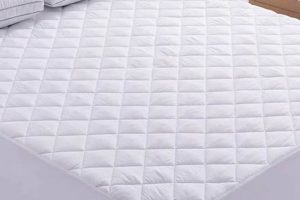
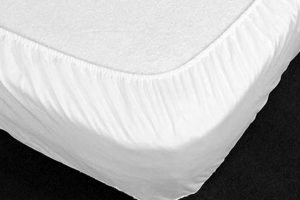
The central question addresses the practice of laundering a protective covering designed to shield a sleeping surface from liquids, allergens, and other potential contaminants. This query focuses on the necessary maintenance of items intended to preserve the cleanliness and longevity of a bed.
Regular cleaning of this safeguard is vital for several reasons. It contributes to improved hygiene by removing accumulated dust mites, dead skin cells, and other allergens, thereby promoting a healthier sleep environment. Moreover, consistent maintenance helps extend the lifespan of both the barrier itself and the underlying mattress, preventing stains and damage that could void warranties or necessitate costly replacements.
The following sections will delve into the recommended frequency for this process, appropriate washing methods, and considerations for specific material types to ensure effective cleaning and preservation of the product’s protective qualities.
Guidance on Mattress Protector Maintenance
Optimal maintenance of mattress protectors ensures both hygiene and prolonged lifespan of the mattress. The following guidelines provide direction for effective laundering practices.
Tip 1: Consult the manufacturer’s label prior to initiating any cleaning process. The label provides specific instructions regarding water temperature, detergent type, and drying methods applicable to the protector’s material composition.
Tip 2: Establish a regular cleaning schedule. Protectors should be laundered every one to two months, or more frequently if spills or accidents occur.
Tip 3: Utilize a gentle detergent. Harsh chemicals can degrade the protector’s fibers or waterproof lining, diminishing its protective capabilities.
Tip 4: Wash the protector separately. Avoid laundering with other items to prevent damage from zippers, buttons, or other fasteners.
Tip 5: Employ a low heat setting during the drying process or, ideally, opt for air drying. High heat can shrink the protector or compromise its waterproof barrier.
Tip 6: Inspect the protector for damage before and after washing. Tears, cracks, or peeling indicate that the protector may need replacement.
Tip 7: Ensure the protector is completely dry before placing it back on the mattress. Dampness can lead to mold or mildew growth, compromising both the protector and the underlying mattress.
Consistent adherence to these guidelines ensures that the mattress protector remains an effective barrier against allergens and contaminants, prolonging the life of the mattress and promoting a healthier sleeping environment.
The subsequent sections will discuss factors influencing cleaning frequency and address common challenges associated with maintaining these protective layers.
1. Frequency

The frequency with which mattress protectors are laundered directly influences their effectiveness in safeguarding the mattress and promoting a healthy sleep environment. A less frequent washing schedule allows for the accumulation of dust mites, allergens, and body oils within the protector’s fibers. This buildup can lead to diminished air quality, increased allergic reactions, and a compromised hygienic barrier. Conversely, an appropriate washing frequency mitigates these risks.
For example, a mattress protector in a child’s bed, particularly one prone to accidents, necessitates more frequent cleaning than one in a guest room. Similarly, individuals with allergies or asthma benefit from more regular laundering of their mattress protector to minimize exposure to irritants. The environmental conditions, such as humidity levels, also contribute; in humid climates, more frequent washing helps prevent mold and mildew growth within the protector. Failure to adhere to a recommended schedule can result in the protector losing its protective qualities, ultimately exposing the mattress to stains, odors, and potential damage. This, in turn, can shorten the mattress’s lifespan and necessitate premature replacement.
Determining the optimal laundering frequency for a mattress protector requires considering individual circumstances and environmental factors. A balance must be struck between maintaining hygiene and avoiding excessive washing, which could degrade the protector’s material. Regular assessment and adjustment of the washing schedule are essential to ensure ongoing effectiveness. Ignoring the frequency element in mattress protector maintenance ultimately undermines the purpose of the protector, leading to hygiene issues and decreased mattress longevity.
2. Water Temperature
Water temperature is a critical factor in the effective cleaning and maintenance of mattress protectors. The selected temperature directly influences the removal of soils, allergens, and microorganisms while also impacting the integrity of the protector’s materials and construction.
- Soil and Allergen Removal Efficiency
Higher water temperatures generally enhance the dissolution and removal of organic matter, including body oils, dead skin cells, and dust mite debris embedded within the protector’s fibers. However, excessively high temperatures can damage certain fabrics, potentially setting stains or causing shrinkage. Therefore, a balance must be struck to achieve effective cleaning without compromising the protector’s structural integrity.
- Material Compatibility
Mattress protectors are often constructed from a variety of materials, including cotton, polyester, and synthetic blends, often incorporating a waterproof membrane. Each material exhibits different tolerances to heat. Exceeding the recommended temperature for a given material can lead to irreversible damage, such as shrinkage, warping, or delamination of the waterproof layer. Adherence to the manufacturer’s instructions regarding water temperature is therefore paramount.
- Disinfection Potential
Elevated water temperatures contribute to the elimination of bacteria and other microorganisms that may colonize the mattress protector. Temperatures above 60C (140F) are typically required for effective disinfection. However, it is crucial to verify that the protector’s material is capable of withstanding such temperatures without sustaining damage. If disinfection is a primary concern and high-temperature washing is not feasible, alternative sanitization methods, such as the use of appropriate laundry sanitizers, may be considered.
- Impact on Waterproofing
Many mattress protectors feature a waterproof or water-resistant membrane to prevent liquids from penetrating the mattress. High water temperatures can compromise the integrity of this membrane, potentially causing it to crack, peel, or lose its protective properties. Consequently, careful selection of water temperature is essential to preserve the waterproofing capabilities of the protector.
The selection of an appropriate water temperature for laundering mattress protectors is a multifaceted decision requiring consideration of soil removal, material compatibility, disinfection potential, and waterproofing integrity. Following the manufacturer’s guidelines and adapting the washing parameters to the specific material composition of the protector ensures effective cleaning while preserving its functionality and extending its lifespan. Incorrect temperature selection can render the protector ineffective or cause irreversible damage, thereby negating its intended purpose.
3. Detergent Type

Detergent type significantly influences the outcome of laundering mattress protectors. The chemical composition of detergents interacts with the fabric and any waterproof layers, directly affecting cleanliness, durability, and protective qualities. Inappropriate detergent selection can lead to material degradation, allergen retention, or reduced waterproofing efficacy. For instance, using harsh detergents containing bleach on a colored or patterned protector can cause fading and fabric weakening. Conversely, inadequate detergent can fail to effectively remove accumulated body oils and allergens, compromising hygiene.
The selection of detergent should align with the protector’s material composition and the intended cleaning outcome. Mild, hypoallergenic detergents are generally recommended for regular laundering to minimize the risk of allergic reactions and material damage. For stain removal, enzyme-based detergents can be effective, but caution is advised to avoid prolonged exposure that could degrade certain synthetic fabrics. In cases where disinfection is desired, laundry sanitizers can be used in conjunction with detergent, provided they are compatible with the protector’s material. Failure to consider the detergent’s impact on waterproofing can result in diminished protection against spills and accidents, rendering the protector less effective. A practical application is the use of detergents specifically formulated for delicate fabrics to maintain the integrity of protectors with waterproof membranes, such as those made of polyurethane or TPU.
In summary, the relationship between detergent type and mattress protector maintenance is one of cause and effect, with detergent selection directly impacting cleanliness, durability, and hypoallergenic properties. Challenges arise in balancing stain removal efficacy with material preservation, requiring careful consideration of detergent composition and protector materials. A clear understanding of this connection is crucial for maintaining a clean and healthy sleeping environment and extending the lifespan of the mattress protector. Choosing an appropriate detergent is integral to realizing the intended benefits of using a protector in the first place.
4. Drying Method

The drying method employed after laundering mattress protectors directly impacts their performance and longevity. Heat, whether from a machine dryer or direct sunlight, can degrade certain materials, particularly the waterproof or water-resistant membranes commonly incorporated in these products. Excessive heat can cause the membrane to delaminate, crack, or lose its protective properties, rendering the protector ineffective against spills and allergens. Conversely, improper drying, such as leaving the protector damp, promotes mold and mildew growth, which can not only damage the material but also pose health risks. The selected drying approach, therefore, is not a trivial post-wash step but a crucial component of the overall maintenance process.
To illustrate, consider a mattress protector with a polyurethane (PU) membrane. High heat from a dryer can cause the PU to break down, leading to brittleness and eventual cracking. In contrast, air-drying this type of protector, although taking longer, preserves the integrity of the membrane and extends its lifespan. Another practical application involves mattress protectors containing cotton or bamboo fibers, which can shrink significantly if subjected to high heat. Air-drying or tumble-drying on a low-heat setting minimizes this risk. The manufacturer’s care label invariably specifies the recommended drying method, underscoring the importance of adherence for maintaining the protector’s intended functionality.
In summary, the connection between drying method and mattress protector maintenance is critical. Incorrect drying practices can negate the benefits of washing by damaging the protective layers or fostering microbial growth. Proper drying, aligned with the material composition of the protector, is essential for preserving its effectiveness, promoting hygiene, and extending its lifespan. The challenge lies in balancing convenience with material preservation, requiring conscious attention to the manufacturer’s guidelines and an understanding of the potential impact of different drying techniques. Prioritizing appropriate drying contributes significantly to realizing the full benefits of using a mattress protector.
5. Material Type

The composition of a mattress protector significantly dictates appropriate washing protocols. Material type exerts a direct influence on water temperature selection, detergent choice, and permissible drying methods. Different fibers react distinctly to cleaning agents and heat levels; therefore, understanding the material makeup is paramount for effective maintenance. For instance, a protector constructed of cotton or a cotton blend typically tolerates higher water temperatures and machine drying more readily than one incorporating delicate synthetics or a waterproof membrane. Ignoring the material composition can lead to shrinkage, damage to the waterproof layer, or reduced allergen barrier efficacy.
Consider a scenario involving a polyester mattress protector with a polyurethane (PU) laminate for waterproofing. Washing this protector in hot water or tumble-drying it on high heat can compromise the PU layer, causing it to crack or delaminate. Conversely, a cotton protector lacking a specialized membrane can withstand hotter temperatures and more aggressive cleaning agents. Similarly, protectors made from bamboo fibers, known for their hypoallergenic properties, require gentle detergents to avoid stripping away natural oils and compromising their inherent benefits. The care label, usually affixed to the protector, provides precise instructions based on the constituent materials, emphasizing its importance as a maintenance guide. Adherence to these guidelines ensures the protector remains effective in safeguarding the mattress and maintaining a hygienic sleep environment.
In conclusion, the relationship between material type and proper laundering practices for mattress protectors is one of direct consequence. Material determines the feasibility of various cleaning methods. Understanding the protector’s composition is not merely a detail but a prerequisite for maintaining its integrity and prolonging its lifespan. Challenges arise in balancing effective cleaning with material preservation, but recognizing this link is critical for ensuring the protector continues to function as intended, shielding the mattress from stains, allergens, and potential damage, thereby contributing to a healthier and more comfortable sleep environment. It is important to consider each of above factors of material type to know do you wash mattress protectors in the right way.
6. Damage inspection
The practice of inspecting mattress protectors for damage is a critical aspect of their routine maintenance. Integrating damage inspection into the cleaning process ensures the continued effectiveness of the protector and prevents potential harm to the underlying mattress. Undetected damage can compromise the protector’s ability to function as a barrier against allergens, liquids, and other contaminants.
- Compromised Barrier Integrity
Tears, punctures, or seam separations compromise the protector’s ability to prevent liquids, allergens, and dust mites from reaching the mattress. For example, a small tear unnoticed during laundering can enlarge during subsequent use, allowing spills to seep through. Regular inspection identifies these vulnerabilities early, enabling timely repair or replacement, preventing costly mattress damage.
- Deterioration of Waterproofing
Many protectors feature a waterproof layer that can degrade over time or through improper washing. Damage inspection reveals signs of delamination, cracking, or peeling, which indicate diminished waterproofing capability. Identifying these issues is crucial because a compromised waterproof layer renders the protector ineffective in preventing liquid damage, increasing the risk of mold and bacterial growth within the mattress.
- Fabric Degradation
Repeated washing can weaken the protector’s fabric, leading to thinning, fraying, or pilling. Inspecting for these signs of wear allows for an assessment of the protector’s overall condition. Severely degraded fabric not only reduces the protector’s aesthetic appeal but also its ability to withstand regular use, increasing the likelihood of tearing or puncture.
- Zipper and Closure Integrity
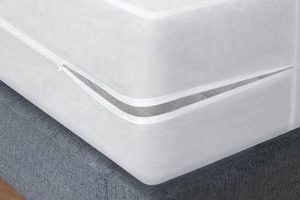
Many mattress encasements feature zippers or other closures to fully enclose the mattress. Damage inspection includes assessing the functionality and integrity of these components. A broken zipper or loose closure can leave gaps, allowing allergens and pests to penetrate the protector, defeating its purpose. Timely repair or replacement of faulty closures ensures complete protection.
Integrating damage inspection into the mattress protector washing routine is essential for maintaining its effectiveness and prolonging the lifespan of both the protector and the underlying mattress. By identifying and addressing damage early, the protective barrier remains intact, contributing to a cleaner and healthier sleep environment. Neglecting this step can result in undetected damage that compromises the protector’s function, potentially leading to costly mattress damage and increased exposure to allergens and contaminants.
7. Complete dryness
The attainment of complete dryness following the laundering of mattress protectors is a critical determinant of both the protector’s continued efficacy and the prevention of detrimental consequences for the underlying mattress. Residual moisture, however minimal, creates an environment conducive to microbial proliferation, namely mold and mildew. These organisms not only compromise the integrity of the protector itself, leading to material degradation and unpleasant odors, but also pose a significant health risk, particularly for individuals with allergies or respiratory sensitivities. Incomplete drying can also facilitate the transfer of moisture to the mattress, creating an ideal breeding ground for dust mites and potentially causing irreversible staining or damage.
For example, consider a scenario where a mattress protector is removed from the dryer before it is fully dry. While the surface may feel dry to the touch, residual moisture may remain trapped within the fabric layers or in the seams. When this protector is placed back onto the mattress, this trapped moisture gradually dissipates, creating a humid environment that fosters mold growth. Over time, this can lead to visible mold spots on the mattress and a musty odor permeating the bedroom. Conversely, ensuring complete dryness, through methods such as extended air drying or utilizing a low-heat dryer setting until no moisture is detectable, prevents this scenario. Another practical consideration is the material composition of the protector; thicker materials or those with waterproof membranes require longer drying times to ensure thorough moisture removal.
In summary, the relationship between complete dryness and the effective maintenance of mattress protectors is one of direct cause and effect. Failure to achieve complete dryness initiates a cascade of negative consequences, ranging from material degradation to potential health hazards. The importance of complete dryness lies not merely in aesthetics but in the prevention of microbial growth and the preservation of both the protector and the underlying mattress. Therefore, diligent attention to this final step in the laundering process is essential for maximizing the lifespan and hygiene of bedding.Addressing do you wash mattress protectors with emphasis in dryness.
Frequently Asked Questions Regarding Mattress Protector Maintenance
The following section addresses common inquiries concerning the care and cleaning of mattress protectors, providing guidance on optimal practices.
Question 1: How often should mattress protectors undergo laundering?
Laundering frequency depends on several factors, including usage, presence of pets, and individual allergies. As a general guideline, cleaning every one to two months is advisable. More frequent washing is necessary in cases of spills, accidents, or for individuals with significant allergen sensitivities.
Question 2: Is it necessary to wash a new mattress protector before initial use?
Washing a new mattress protector before use is recommended. This practice removes any residual manufacturing chemicals or packaging materials that may be present.
Question 3: What type of detergent is suitable for mattress protectors?
A mild, hypoallergenic detergent is generally recommended. Harsh chemicals or bleach can damage the protector’s fibers, particularly the waterproof layer, and may cause allergic reactions.
Question 4: Can mattress protectors be machine dried?
Many mattress protectors can be machine dried, but low heat is essential. High heat can compromise the waterproof membrane and cause shrinkage. Air drying is often the safest option. Always consult the manufacturer’s care label.
Question 5: How to address stains on a mattress protector?
Stains should be treated promptly. A stain remover appropriate for the fabric type may be applied before laundering. Avoid using harsh chemicals that could damage the protector’s material.
Question 6: How to determine if a mattress protector requires replacement?
Inspect the protector regularly for signs of wear, such as tears, cracks in the waterproof layer, or seam separations. If significant damage is present, the protector should be replaced to ensure continued effectiveness. Furthermore, consider if do you wash mattress protectors is still effective.
Consistent and appropriate maintenance is crucial to ensure the continued effectiveness of the mattress protector and to prolong the lifespan of the mattress.
The subsequent section provides a summary of key recommendations for mattress protector care.
Concluding Thoughts on Mattress Protector Maintenance
This exploration has underscored the importance of the practice addressed by the question: do you wash mattress protectors? Effective maintenance, encompassing laundering frequency, appropriate detergent usage, temperature regulation, and thorough drying, is essential for preserving the integrity and prolonging the lifespan of both the protector and the underlying mattress. Proper care mitigates allergen accumulation, prevents liquid damage, and contributes to a healthier sleep environment.
Adherence to recommended cleaning protocols constitutes a necessary investment in sleep hygiene and mattress longevity. Regular assessment of the protector’s condition and adherence to manufacturer guidelines are crucial for sustained effectiveness. Neglecting these maintenance steps can compromise the protector’s functionality, potentially leading to mattress damage and increased exposure to allergens and contaminants, thereby negating the intended benefits of its use. Prioritizing conscientious maintenance is essential for safeguarding both the investment in sleep surfaces and overall well-being.