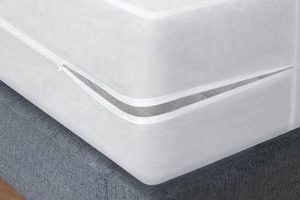
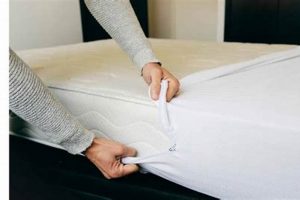
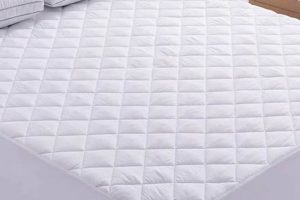
The presence of mildew or fungi on a bedding encasement designed to shield a mattress is indicative of a moisture-rich environment. This can manifest as discoloration, often black or greenish spots, and may be accompanied by a musty odor. For example, a mattress cover left damp after washing or exposed to high humidity levels within a bedroom can become a breeding ground for these organisms.
Addressing such growth is important for maintaining a healthy sleeping environment. Untreated, this biological activity can lead to respiratory irritation and allergic reactions in susceptible individuals. Historically, maintaining clean and dry bedding has been recognized as a crucial aspect of hygiene, and the ongoing development of protective fabrics aims to mitigate these issues.
Understanding the causes, prevention methods, and appropriate remediation strategies is essential for maintaining the integrity of bedding protectors and promoting a hygienic sleep space. The subsequent sections will explore these aspects in detail, providing practical guidance for ensuring a clean and healthy mattress.
Mitigating Mold on Mattress Protectors
The following guidelines are designed to minimize the risk of microbial growth on mattress encasements, promoting a healthier sleep environment and extending the lifespan of the protector.
Tip 1: Regular Inspection: Conduct routine visual checks of the protector, particularly in areas prone to moisture accumulation, such as near seams or along the edges. Early detection allows for prompt intervention.
Tip 2: Adequate Ventilation: Ensure sufficient airflow in the bedroom to reduce humidity levels. Use a dehumidifier in damp environments or open windows when weather permits.
Tip 3: Immediate Drying: Following washing or any accidental spills, thoroughly dry the protector before reapplying it to the mattress. Air drying in direct sunlight or using a low-heat dryer setting is recommended.
Tip 4: Use of Appropriate Cleaning Agents: When cleaning the protector, use mild, bleach-free detergents specifically designed for delicate fabrics. Harsh chemicals can damage the material and create conditions conducive to microbial growth.
Tip 5: Proper Storage: When not in use, store the protector in a cool, dry, and well-ventilated area. Avoid storing it in damp basements or tightly sealed containers.
Tip 6: Mattress Pad Utilization: Consider using a mattress pad in addition to the protector. The pad can absorb excess moisture and further protect the mattress itself.
Tip 7: Prompt Replacement: If extensive staining or persistent odors indicative of mold growth are present, replace the protector. Attempting to salvage a heavily contaminated protector may not be effective.
Implementing these practices can significantly reduce the likelihood of microbial proliferation, ensuring a cleaner and more hygienic sleep surface. A proactive approach to maintenance is crucial for preserving the integrity of the mattress protector and safeguarding health.
The subsequent section will address the appropriate procedures for cleaning a mattress protector affected by small areas of mold growth.
1. Moisture Accumulation

Elevated moisture levels serve as a primary catalyst for microbial proliferation on bedding protectors. Fungi and mildew require a source of water to thrive; therefore, any condition that promotes dampness within or around the protector creates a conducive environment for their growth. This accumulation can stem from various sources, including perspiration during sleep, spills of liquids, or elevated humidity within the sleeping environment itself. The protector, intended to safeguard the underlying mattress, can inadvertently trap moisture, preventing its evaporation and fostering the development of fungal colonies.
The material composition of the encasement significantly influences the rate and extent of moisture accumulation. Non-breathable or impermeable fabrics hinder airflow, exacerbating the problem. For example, a waterproof protector made of plastic or a tightly woven synthetic material, while effective at preventing liquid penetration, can simultaneously trap moisture emanating from the occupant’s body. Conversely, protectors made from breathable materials, such as cotton or certain blends, allow for better ventilation and reduce the likelihood of moisture buildup. The design and construction of the protector, including the presence of seams and folds, can also create localized areas where moisture tends to accumulate.
Managing moisture levels is crucial to mitigating the risk of microbial growth on mattress protectors. Employing preventative measures such as regular ventilation of the sleeping area, using breathable protector materials, and promptly addressing spills can significantly reduce the incidence of this issue. Understanding the direct link between dampness and fungal development underscores the importance of proactive moisture control for maintaining a hygienic sleep environment.
2. Inadequate Ventilation

Insufficient air circulation around a mattress and its protector is a significant contributing factor to the proliferation of fungi and mildew. The resulting elevated humidity levels create an environment conducive to microbial growth, particularly when combined with other factors such as body moisture and spills.
- Trapped Humidity
When air movement is restricted, moisture emanating from the occupants body, particularly during sleep, remains trapped between the mattress and the protector. This elevated humidity saturates the fabric of the protector, providing a continuous water source for microbial organisms. Enclosed bed frames, closely spaced furniture around the bed, and poorly ventilated rooms exacerbate this condition. For example, a mattress placed directly on the floor with a non-breathable protector will invariably experience significant moisture accumulation due to the lack of airflow.
- Impaired Evaporation
Adequate ventilation facilitates the evaporation of moisture. When airflow is limited, this natural evaporation process is hindered. The protector remains damp for extended periods, increasing the opportunity for fungi and mildew to colonize the material. This effect is more pronounced in humid climates or during seasons with high atmospheric moisture content. Consider a scenario where a person experiences night sweats; if the bedroom lacks proper ventilation, the moisture from the sweat will remain trapped in the bedding, promoting microbial growth.
- Condensation Formation
In poorly ventilated spaces, temperature differentials can lead to condensation on surfaces, including the mattress protector. This condensation, often unseen, provides a readily available source of moisture for microbial organisms. For example, placing a bed against an exterior wall that is not properly insulated can lead to condensation forming between the mattress and the wall, subsequently affecting the protector. This is particularly prevalent during colder months when the wall surface is significantly colder than the room temperature.
- Material Degradation
Prolonged exposure to dampness, caused by inadequate ventilation, weakens the fibers of the protector material. This degradation makes the protector more susceptible to harboring mold spores and other allergens. The weakened fabric also becomes more difficult to clean effectively, further contributing to the problem. For instance, cotton or other natural fibers are particularly vulnerable to degradation when consistently exposed to moisture, leading to a shortened lifespan and an increased risk of microbial growth.
The cumulative effect of these factors underscores the importance of promoting adequate ventilation to prevent microbial growth. Measures such as opening windows, using fans, and ensuring sufficient spacing around the bed can significantly reduce the risk. Selecting protectors made from breathable materials and regularly laundering them are additional strategies to mitigate the problem, highlighting the multifaceted approach required to address the issue effectively.
3. Material Susceptibility

The composition of a mattress protector directly influences its vulnerability to microbial growth. Certain materials inherently provide a more hospitable environment for fungi and mildew than others. Understanding these material properties is crucial in selecting a protector that minimizes the risk of contamination.
- Natural Fibers
Materials like cotton and bamboo, while often lauded for their breathability and comfort, exhibit a higher susceptibility to mold. These fibers are hygroscopic, meaning they readily absorb and retain moisture. The moisture, in combination with organic compounds present in the fibers, creates an ideal substrate for microbial colonization. For example, a cotton protector in a humid climate is prone to developing mold if not regularly cleaned and thoroughly dried.
- Synthetic Polymers
Synthetic materials such as polyurethane and vinyl, frequently used for their waterproof properties, can also contribute to the problem. While impermeable to liquids, these materials often lack breathability, trapping moisture within the sleeping environment. This creates a humid microclimate that encourages mold growth on the protector’s surface and the underlying mattress. An example is a vinyl protector used by someone prone to night sweats; the trapped moisture can quickly lead to the development of mildew.
- Fiber Weave and Density
The tightness of the weave and the density of the material also play a role. Loosely woven fabrics offer more surface area for spores to adhere to and colonize. Dense materials, while providing a barrier against dust mites and allergens, can restrict airflow, hindering moisture evaporation. Consider two protectors made of the same material, one with a tight weave and one with a loose weave; the loose weave protector is more likely to harbor mold spores due to the increased surface area and larger pore spaces.
- Antimicrobial Treatments
Some protectors are treated with antimicrobial agents designed to inhibit microbial growth. However, the efficacy of these treatments varies, and their effectiveness may diminish over time with repeated washing. Furthermore, the long-term health effects of some antimicrobial chemicals are a subject of ongoing research. For instance, a protector treated with silver ions might initially resist mold growth, but the silver ions can leach out during laundering, rendering the protector more vulnerable to contamination after several washes.
The choice of mattress protector material should be carefully considered, balancing factors such as breathability, waterproofness, and inherent resistance to microbial growth. Regular cleaning and maintenance, regardless of the material, remain essential for minimizing the risk and ensuring a hygienic sleep environment. The properties of the material directly impact the likelihood of microbial issues arising.
4. Cleaning Practices

Appropriate cleaning methodologies are paramount in preventing and mitigating microbial proliferation on mattress protectors. Inadequate or improper cleaning can create conditions that favor the establishment and growth of fungi and mildew, undermining the protector’s intended function and potentially impacting health.
- Frequency and Regularity
Infrequent cleaning allows for the accumulation of body oils, sweat, and shed skin cells, providing a nutrient source for microorganisms. A regular cleaning schedule, tailored to usage patterns and environmental conditions, is essential. For instance, a protector used nightly in a humid climate requires more frequent cleaning than one used occasionally in a dry environment.
- Selection of Cleaning Agents
The choice of detergents and cleaning solutions directly impacts the protector’s susceptibility to microbial growth. Harsh chemicals can damage the protector’s material, creating microscopic fissures that harbor spores. Conversely, ineffective cleaning agents may fail to eliminate existing microbial colonies, allowing them to persist and spread. A suitable cleaning agent is one that is both gentle on the material and effective at removing organic matter and killing microorganisms without leaving harmful residues.
- Drying Procedures
Insufficient drying following cleaning creates an ideal environment for mold growth. Trapped moisture allows spores to germinate and colonize the protector’s fibers. Thorough drying, either through air drying in sunlight or the use of a low-heat dryer setting, is critical. A damp protector left folded or stored in a poorly ventilated space will almost certainly develop mold.
- Spot Cleaning Techniques
Prompt and effective spot cleaning of spills and stains is crucial to prevent localized mold growth. Delaying treatment allows moisture and organic matter to penetrate the protector’s fibers, creating a breeding ground for microorganisms. Using appropriate spot cleaning agents and ensuring complete drying are essential steps in preventing the development of mold in these areas. An example would be immediately addressing a spilled beverage with a suitable cleaning solution and ensuring the area is thoroughly dried to prevent subsequent microbial growth.
The interplay between these cleaning practices directly influences the microenvironment on the mattress protector. Consistent adherence to proper cleaning protocols minimizes the availability of nutrients and moisture, thereby reducing the risk of microbial growth and ensuring a cleaner, healthier sleep surface. The consequences of neglecting these practices underscore the importance of prioritizing thorough and regular cleaning as a key preventative measure.
5. Detection Timing

The interval between the onset of microbial growth and its discovery on a bedding protector is a critical determinant of the severity of the infestation and the difficulty of remediation. Early detection allows for simpler and more effective interventions, while delayed discovery can lead to extensive contamination and potential health risks.
- Visual Inspection Frequency
Regular visual checks of the protectors surface are essential for early identification. The frequency of these inspections should be determined by factors such as environmental humidity, occupant perspiration levels, and the material composition of the protector. For example, in humid climates, weekly inspections are advisable, while in drier environments, monthly checks may suffice. Early visual cues include small, discolored spots or a subtle musty odor, which, if addressed promptly, can prevent widespread mold development.
- Olfactory Awareness
A musty or earthy odor emanating from the bed can be indicative of microbial growth, even in the absence of visible signs. Training oneself to recognize this scent can serve as an early warning system. This is especially relevant in situations where the protector is concealed beneath bedding layers, making visual inspection less frequent. For example, individuals with heightened olfactory sensitivity may detect early signs of mold before they become visually apparent.
- Response to Allergic Symptoms
The onset or exacerbation of allergic symptoms, such as sneezing, coughing, or skin irritation, may be linked to undetected microbial growth on bedding. A correlation between these symptoms and proximity to the bed warrants a thorough inspection of the protector. Individuals with pre-existing allergies or respiratory sensitivities are particularly vulnerable and should be vigilant in monitoring their symptoms in relation to their sleeping environment.
- Post-Spill or Moisture Exposure Assessment
Following any spill or instance of moisture exposure, immediate and thorough inspection of the protector is crucial. Even if the surface appears dry, moisture may have penetrated the material’s fibers, creating a hidden breeding ground for mold. Disassembling the bedding and carefully examining both sides of the protector for dampness or discoloration is necessary. Failure to do so can result in rapid microbial growth in the affected area.
The timeliness of mold detection on a bedding protector directly impacts the required remediation efforts and the potential health consequences. Incorporating regular inspection routines, recognizing early warning signs, and promptly addressing moisture incidents are essential practices for maintaining a hygienic sleep environment. Delayed discovery invariably leads to more extensive contamination and necessitates more aggressive and costly interventions.
6. Health Implications
The presence of mold on mattress protectors poses demonstrable health risks, ranging from mild allergic reactions to more severe respiratory complications. Mold spores, released into the air from contaminated protectors, become readily inhalable, triggering immune responses in susceptible individuals. These responses can manifest as nasal congestion, sneezing, coughing, and skin rashes. The severity of these symptoms depends on the individual’s sensitivity to mold and the concentration of spores present in the environment. A child with asthma, for example, exposed to a mold-infested protector, might experience exacerbated asthma symptoms, requiring increased medication and potentially leading to emergency medical intervention.
Prolonged exposure to elevated levels of mold spores can lead to more chronic health issues. Some molds produce mycotoxins, toxic substances that can have detrimental effects on human health through inhalation, ingestion, or skin contact. These mycotoxins can suppress the immune system, making individuals more vulnerable to infections. In certain cases, long-term exposure to specific mycotoxins has been linked to more serious health conditions, though definitive causal relationships are still under investigation. Furthermore, individuals with compromised immune systems, such as those undergoing chemotherapy or living with HIV/AIDS, are at heightened risk of developing severe mold-related infections.
Addressing mold growth on mattress protectors is, therefore, not merely a matter of hygiene but a crucial aspect of maintaining a healthy living environment. Preventing mold proliferation through proper ventilation, regular cleaning, and prompt remediation is essential for mitigating potential health risks. Recognizing the potential health implications and taking proactive measures to control mold growth contribute significantly to safeguarding the well-being of individuals, particularly those with pre-existing respiratory conditions or compromised immune systems. Prioritizing a clean and mold-free sleep environment translates directly into improved health outcomes.
7. Preventive measures
The implementation of preventive measures constitutes the primary defense against microbial colonization of mattress protectors. These measures are not merely reactive solutions; instead, they are proactive strategies designed to minimize the conditions conducive to microbial growth. The absence of these preventative steps directly increases the probability of mold developing on the protector, thus necessitating more intensive and costly remediation efforts. For instance, routine washing of the protector coupled with adequate ventilation reduces the amount of moisture and organic matter available to support fungal growth. Neglecting these seemingly simple tasks can quickly escalate into a significant mold problem, impacting the air quality and hygiene of the sleeping environment.
Effective preventative measures encompass a range of practices, including proper material selection, consistent cleaning schedules, and environmental control. The choice of a breathable protector material, such as cotton or bamboo, facilitates air circulation and reduces moisture retention. Regular washing, ideally following the manufacturer’s instructions, removes accumulated sweat, body oils, and dust mites, all of which serve as potential food sources for mold. Maintaining a dry and well-ventilated bedroom further diminishes the risk by minimizing overall humidity levels. In a real-world scenario, a family who diligently washes their mattress protector every two weeks and ensures their bedroom is adequately ventilated is significantly less likely to encounter a mold problem compared to a family who neglects these practices. This proactive approach demonstrates a clear understanding of the cause-and-effect relationship between preventative care and the prevention of fungal growth.
In summary, preventing mold growth on mattress protectors requires a comprehensive and consistent approach. The core principles involve reducing moisture, eliminating food sources, and ensuring adequate ventilation. These preventative actions are not a one-time fix but an ongoing commitment to maintaining a hygienic sleep environment. While occasional mold issues may still arise due to unforeseen circumstances, the consistent application of these preventive measures significantly minimizes the risk and contributes to the long-term health and well-being of the occupants.
Frequently Asked Questions
The following addresses prevalent inquiries concerning the development and management of microbial growth on bedding protectors. These responses aim to provide clarity and guidance based on established scientific understanding.
Question 1: What factors most contribute to mold growth on a mattress protector?
The primary factors include elevated humidity levels, inadequate ventilation, accumulation of body fluids (sweat, etc.), and infrequent or improper cleaning practices. A combination of these factors creates an environment conducive to fungal proliferation.
Question 2: Is it safe to sleep on a mattress protector exhibiting mold?
Exposure to mold spores can trigger allergic reactions, respiratory problems, and other health issues. It is generally not advisable to sleep on a mattress protector showing signs of mold. Removal and remediation or replacement are recommended.
Question 3: Can mold on a mattress protector spread to the mattress itself?
Yes, mold can indeed spread from a contaminated protector to the mattress. Mattresses are more challenging to clean than protectors; therefore, early intervention is crucial to prevent such contamination.
Question 4: What are the most effective methods for cleaning a mold-affected mattress protector?
Cleaning methods depend on the severity of the contamination and the material of the protector. Mild solutions of bleach and water (always test in an inconspicuous area first) or specialized mold removal products can be used. Thorough drying is essential after cleaning.
Question 5: How often should a mattress protector be cleaned to prevent mold growth?
Cleaning frequency depends on individual usage and environmental conditions. A general guideline is to wash the protector every one to two months. More frequent cleaning may be necessary in humid climates or for individuals who perspire heavily.
Question 6: What are the signs that a mattress protector should be replaced due to mold contamination?
If mold growth is extensive, deeply embedded within the material, or recurs rapidly after cleaning, replacement of the protector is advisable. Trying to salvage a heavily contaminated protector may not be effective or healthy.
In summation, vigilance and proactive maintenance are key to preventing mold growth on mattress protectors. Regular cleaning and prompt attention to potential issues can significantly reduce the risk.
The subsequent section will provide guidance on selecting appropriate mattress protectors to minimize the likelihood of mold issues.
Addressing Mattress Protector Mold
This exploration has illuminated the multifaceted nature of the problem, emphasizing the interconnected roles of moisture accumulation, inadequate ventilation, material susceptibility, cleaning practices, detection timing, health implications, and preventive measures. Recognizing the interplay of these factors is paramount in mitigating the risks associated with microbial growth on bedding protectors. Early detection and consistent adherence to recommended maintenance protocols are essential for safeguarding health and ensuring the longevity of these protective layers.
The presence of mattress protector mold is not merely an aesthetic concern but a potential health hazard requiring diligent attention. The information presented herein serves as a foundation for informed decision-making, empowering individuals to create and maintain healthier sleep environments. Continued vigilance and proactive strategies remain the most effective means of minimizing the risks and consequences associated with this pervasive issue.