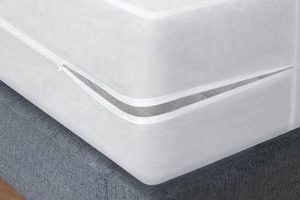
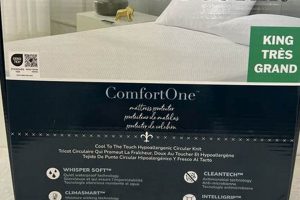
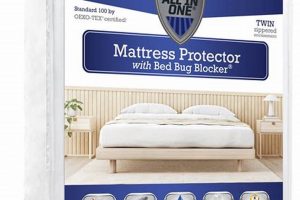
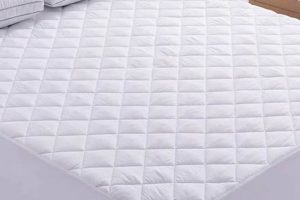
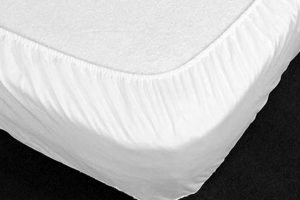
These protective encasements are specialized covers designed to fully enclose a mattress. They feature a secure zipper closure that prevents bed bugs from entering or escaping. Typically constructed from tightly woven fabric, these barriers are an integral part of an effective pest management strategy. For example, an individual experiencing a bed bug infestation might employ such a product to isolate the mattress and prevent further spread.
The utilization of such products provides significant benefits. They prevent bed bugs from infesting a clean mattress, limit existing infestations to the encasements exterior, and simplify bed bug detection. Historically, pest control relied heavily on chemical treatments. However, physical barriers have become increasingly prominent due to their effectiveness, reduced reliance on pesticides, and long-term cost savings. They represent a proactive approach to maintaining a hygienic sleep environment.
The following sections will explore the key features of these mattress protections, the different types available, and guidance on selecting the appropriate product for specific needs, including proper installation and maintenance, alongside a review of their overall efficacy in bed bug management.
Essential Usage Tips
Implementing protective mattress encasements requires careful attention to detail to ensure optimal effectiveness in preventing or managing bed bug infestations.
Tip 1: Select the Correct Size: Measure the mattress depth accurately to ensure the encasement fits snugly. An improperly sized encasement can compromise its protective capabilities by leaving gaps.
Tip 2: Prioritize Quality Construction: Choose products constructed from tightly woven fabric and equipped with a durable, tamper-proof zipper. Inspect the stitching and zipper closure for any potential weaknesses or openings.
Tip 3: Thoroughly Inspect the Mattress: Before installation, meticulously examine the mattress for any signs of bed bugs. Address any existing infestation with appropriate treatment methods prior to encasing the mattress.
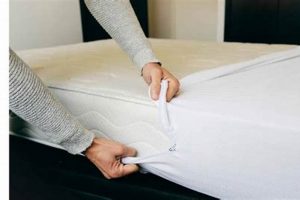
Tip 4: Install the Encasement Correctly: Follow the manufacturer’s instructions carefully during installation. Ensure the encasement is fully sealed and that the zipper is securely closed and locked, if applicable.
Tip 5: Regularly Inspect the Encasement: Periodically examine the encasement for any rips, tears, or damage. Promptly repair or replace the encasement if any compromise to its integrity is detected.
Tip 6: Clean the Encasement Regularly: Wipe down the exterior of the encasement with a damp cloth to remove dust and debris. Avoid using harsh chemicals that could damage the fabric or zipper.
Tip 7: Consider Encasement for Box Springs: Extend the protective measures by encasing the box spring as well. This helps to eliminate potential harborage areas for bed bugs.
Adhering to these tips will significantly enhance the efficacy and longevity of protective mattress covers, contributing to a more secure and hygienic sleep environment.
The next section will discuss factors influencing product selection, including material types, breathability, and hypoallergenic properties.
1. Fabric Weave

Fabric weave is a critical determinant of the effectiveness of a protective mattress encasement. The tightness and type of weave directly impact the encasement’s ability to prevent bed bugs from penetrating the material and infesting the mattress.
- Thread Count and Pore Size
A higher thread count typically corresponds to a tighter weave and smaller pore size. These smaller pores are essential for preventing bed bugs, which can be as small as 1mm in length, from passing through the fabric. Fabrics with low thread counts and larger pore sizes are more susceptible to bed bug penetration, rendering the encasement ineffective. Example: A tightly woven polyester fabric with a thread count above 200 is generally effective, whereas a loosely woven cotton fabric may not provide adequate protection.
- Weave Type and Durability
Different weave types offer varying levels of durability and resistance to tearing. Tightly woven fabrics like polyester or microfiber, often used in mattress encasements, provide enhanced resistance to punctures and abrasions. A more durable weave ensures the encasement remains intact over time, maintaining its protective barrier. For instance, a ripstop weave, designed to prevent tears from spreading, is a desirable feature in a mattress encasement designed for long-term use.
- Breathability Considerations
While a tight weave is crucial for preventing bed bug penetration, breathability is also important for comfort. Non-breathable fabrics can trap moisture and lead to discomfort during sleep. Some encasements incorporate breathable membranes or specialized weaves that allow for air circulation while maintaining a tight barrier against bed bugs. Example: A laminate fabric that combines a tightly woven outer layer with a breathable inner membrane provides both protection and comfort.
- Material Composition and Weave Interaction
The type of material used in conjunction with the weave affects the encasement’s overall performance. Synthetic materials like polyester are often preferred due to their durability and resistance to shrinking and stretching. The weave structure can be optimized for specific materials to enhance their protective qualities. For example, a tightly woven polyester encasement is less likely to snag or tear compared to a loosely woven cotton encasement.
The interaction between fabric weave characteristics, material composition, and construction techniques is paramount in determining the efficacy of a protective mattress encasement. A well-chosen fabric weave, coupled with durable materials and proper construction, is essential for creating a reliable barrier against bed bug infestations, safeguarding the mattress and promoting a hygienic sleep environment.
2. Zipper Security
Zipper security is a paramount consideration in the design and functionality of protective mattress encasements. The zipper serves as the final barrier against bed bug infestation, and its integrity directly impacts the effectiveness of the entire encasement. A compromised zipper undermines the protective capabilities, potentially leading to mattress contamination.
- Zipper Gauge and Material
The gauge of a zipper refers to the size and strength of its teeth. Higher gauge zippers, typically constructed from durable materials like metal or heavy-duty nylon, offer greater resistance to breakage and separation. Lower gauge zippers are more susceptible to damage, creating potential entry points for bed bugs. Example: A #5 or #8 metal zipper is more robust than a lightweight plastic zipper.
- Zipper Closure Type and Locking Mechanisms
The type of closure mechanism plays a crucial role in preventing accidental openings. Self-locking zippers, which feature a mechanism to prevent the slider from moving unless intentionally activated, provide an added layer of security. Fully sealed zippers, often covered with a fabric flap, further minimize the risk of bed bug entry. Example: A zipper with a hook-and-loop fastener flap offers enhanced protection compared to a standard zipper.
- Seam Construction Around the Zipper
The construction of the seam connecting the zipper to the encasement fabric is critical. Weak or poorly stitched seams can create gaps or tear under stress, compromising the barrier. Reinforced seams, often double-stitched and taped, enhance the structural integrity and prevent bed bugs from exploiting vulnerabilities. Example: A serged and topstitched seam provides greater durability compared to a single-stitched seam.
- Zipper Placement and Design
The placement of the zipper can affect its ease of use and overall security. Zippers that extend along multiple sides of the encasement facilitate easier installation and removal. However, longer zippers may be more prone to damage. Strategic placement and design, such as recessed zippers or zippers with protective covers, can mitigate these risks. Example: A U-shaped zipper provides ample access while minimizing exposure to potential damage.
The convergence of these aspects demonstrates the critical importance of zipper security in protective mattress encasements. The use of high-quality materials, robust construction techniques, and thoughtful design features contributes to the creation of a reliable barrier against bed bug infestations. Prioritizing these elements ensures that the encasement effectively protects the mattress, providing a secure and hygienic sleep environment.
3. Mattress Size
The correlation between mattress size and protective encasements is fundamental to their effectiveness. An incorrectly sized encasement, irrespective of material quality or zipper integrity, will fail to provide adequate protection against bed bug infestations. A cover too small risks tearing or zipper failure due to over-stretching, while an excessively large cover leaves gaps through which pests can access the mattress.
Manufacturers offer encasements tailored to standard mattress dimensions: twin, twin XL, full, queen, king, and California king, along with their corresponding depths. Deviations from these standards, such as pillow-top mattresses or custom sizes, necessitate precise measurements to ensure a proper fit. For instance, a queen-size mattress typically measures 60 inches wide by 80 inches long, but its depth can vary significantly, requiring selection of an encasement with appropriate depth specifications. Failure to accurately match these dimensions undermines the encasement’s function.
The practical significance of proper sizing extends beyond initial installation. An ill-fitting encasement is more prone to shifting during sleep, potentially creating vulnerabilities along the zipper or seams. Regular inspection and adjustments may be necessary to maintain its protective barrier. Therefore, selecting an encasement that precisely matches the mattress dimensions is paramount for long-term efficacy in bed bug prevention and management.
4. Water Resistance
Water resistance, in the context of protective mattress encasements, refers to the material’s ability to repel liquids and prevent them from penetrating the mattress. This property is crucial for maintaining a clean and hygienic sleep environment and extending the mattress’s lifespan, while also impacting bed bug management strategies.
- Protection Against Stains and Odors
Water-resistant encasements prevent spills, sweat, and other fluids from seeping into the mattress, thus avoiding stains and the development of unpleasant odors. For instance, an encasement treated with a waterproof membrane can protect against accidental spills of beverages or bodily fluids during sleep. This feature is particularly important for mattresses in environments where spills are likely, such as children’s rooms or guest rooms.
- Maintaining Mattress Integrity
Moisture penetration can degrade the internal materials of a mattress, leading to the growth of mold, mildew, and bacteria. Water-resistant encasements act as a barrier, safeguarding the mattress from moisture-related damage and prolonging its useful life. For example, a mattress exposed to repeated moisture incursions may lose its structural integrity and become an unsuitable environment for sleep, whereas a protected mattress remains intact and supportive for a longer duration.
- Impact on Bed Bug Control
While water resistance does not directly eliminate bed bugs, it contributes to a more hygienic environment that can indirectly aid in bed bug management. By preventing the accumulation of moisture and organic matter, water-resistant encasements reduce potential food sources for mold and bacteria, which can attract other pests and create a less desirable environment for bed bugs. An encasement that is easily cleaned and does not retain moisture helps maintain a cleaner surface, making bed bug detection and monitoring more effective.
- Material Composition and Breathability
The water resistance of an encasement is typically achieved through the use of specific materials or coatings, such as polyurethane laminates or waterproof membranes. However, it is essential to balance water resistance with breathability to prevent moisture buildup within the encasement. An encasement that is completely impermeable to air can lead to discomfort and promote the growth of mold or mildew. Therefore, choosing an encasement with a breathable, water-resistant membrane is critical for maintaining a comfortable and hygienic sleep environment. For instance, a microporous membrane allows air to circulate while preventing liquid penetration.
The inclusion of water resistance in protective mattress encasements provides a multifaceted benefit, contributing not only to the longevity and hygiene of the mattress but also indirectly supporting bed bug management efforts. The optimal balance between water resistance, breathability, and material durability is crucial for selecting an encasement that effectively meets both protective and comfort requirements.
5. Allergen Protection
Protective mattress encasements serve a dual purpose: mitigating bed bug infestations and providing a barrier against allergens. This connection is particularly pertinent for individuals with sensitivities to dust mites, pet dander, mold spores, and other common allergens that accumulate within mattresses over time. Encasements designed for allergen protection typically feature a tightly woven fabric that prevents allergens from penetrating the mattress’s interior, thereby reducing exposure and alleviating allergic symptoms. The mechanism is physical: the tightly woven material acts as a filter, preventing the passage of particles. For instance, an individual with dust mite allergies might experience a significant reduction in symptoms by using a mattress encasement certified to block dust mites.
The effectiveness of allergen protection relies on several factors, including the pore size of the fabric, the quality of construction, and proper maintenance. Encasements intended for allergen control often undergo testing and certification to verify their ability to block particles of a specific size. For example, the Asthma and Allergy Foundation of America (AAFA) certifies products that meet specific standards for allergen reduction. Regular cleaning of the encasement’s exterior is also essential to remove accumulated allergens and maintain its protective capabilities. Replacing the encasement periodically, typically every one to two years, ensures continued performance.
In summary, the allergen protection offered by mattress encasements complements their bed bug prevention capabilities, creating a healthier sleep environment for individuals with allergies or sensitivities. The ability to block allergens is a significant benefit, enhancing the overall value and utility of these protective products. Challenges remain in ensuring consistent quality and educating consumers on proper selection and maintenance, but the combined benefits of pest and allergen control underscore the practical significance of these products.
6. Ease of Cleaning
The characteristic of simplified cleaning represents a critical functional component for “bed bug zippered mattress protector” products. The ability to readily clean a mattress encasement impacts the effectiveness of bed bug management and contributes to overall hygiene. Infested or potentially contaminated encasements require regular cleaning to eliminate surface-level bed bugs and their detritus. Furthermore, easy cleaning supports the removal of allergens and other contaminants, promoting a healthier sleep environment. The consequences of difficult-to-clean encasements include reduced user compliance with recommended cleaning schedules, potential for bed bug resurgence due to incomplete cleaning, and degradation of the encasement material from harsh cleaning methods.
The materials used in the construction of mattress encasements directly influence cleanability. Smooth, non-porous surfaces are easier to wipe down and disinfect compared to textured or absorbent fabrics. For example, encasements made with polyurethane-laminated polyester can be cleaned with a damp cloth and mild detergent, whereas encasements with complex stitching or multiple layers may require specialized cleaning techniques. Zippered closures also pose a challenge, as debris can accumulate around the zipper track, necessitating careful cleaning. The design of the encasement, including features such as reinforced seams and concealed zippers, impacts its durability and resistance to damage during cleaning processes. The effectiveness of cleaning protocols is a key determinant of the longevity of the encasement.
In summation, the ease of cleaning is integral to the effective application of “bed bug zippered mattress protector” products. It not only facilitates the removal of bed bugs and allergens but also ensures the long-term performance and hygienic integrity of the encasement. Prioritizing cleanability during the selection process contributes to a more effective and sustainable bed bug management strategy. The challenge remains in balancing cleanability with other desirable properties such as breathability and comfort.
7. Durability
Durability is a foundational characteristic of any effective “bed bug zippered mattress protector.” The encasement’s ability to withstand prolonged use, resist damage, and maintain its protective integrity directly impacts its long-term efficacy in preventing and managing bed bug infestations. A compromised encasement, regardless of initial quality, ceases to provide adequate protection, necessitating replacement and incurring additional costs.
- Material Resistance to Tearing and Punctures
The inherent strength of the encasement fabric is crucial for resisting tears and punctures, which can create entry points for bed bugs. Materials like tightly woven polyester or specialized laminates offer enhanced resistance compared to less robust fabrics. For example, a ripstop nylon encasement is designed to prevent tears from propagating, preserving the overall integrity of the barrier. The selection of materials directly impacts the encasement’s ability to withstand daily wear and tear, including friction against bed frames and accidental impacts.
- Zipper and Seam Integrity Over Time
The zipper and seams represent potential weak points in the encasement. Repeated use and stress can lead to zipper failure or seam separation, compromising the protective barrier. High-quality zippers, reinforced stitching, and seam taping contribute to long-term durability. An example is the use of a metal zipper with a fabric flap to protect it from damage and prevent bed bug penetration. Regular inspection of these areas is essential to identify and address any signs of wear or damage promptly.
- Resistance to Degradation from Cleaning and Environmental Factors
Mattress encasements are subjected to regular cleaning to maintain hygiene and remove allergens. The ability of the fabric to withstand repeated washing and drying cycles without degrading is a critical aspect of durability. Additionally, exposure to environmental factors such as UV light, humidity, and temperature fluctuations can accelerate material degradation. For instance, an encasement made from a UV-resistant material will maintain its integrity longer when exposed to sunlight. Proper care and maintenance practices can extend the lifespan of the encasement.
- Abrasion Resistance and Long-Term Performance
Abrasion resistance refers to the encasement’s ability to withstand surface wear caused by friction. This is particularly relevant for encasements used on mattresses that experience frequent movement or shifting. Materials with high abrasion resistance maintain their integrity and appearance over time, contributing to long-term performance. An example is a tightly woven fabric with a durable finish that resists pilling and wear. Assessing abrasion resistance is essential when selecting an encasement for high-use environments.
The multifaceted nature of durability underscores its importance in the selection and utilization of “bed bug zippered mattress protector” products. The choice of materials, construction techniques, and maintenance practices all contribute to the encasement’s ability to provide long-term protection against bed bug infestations. A durable encasement represents a cost-effective investment, offering sustained performance and peace of mind.
Frequently Asked Questions
The following questions address common inquiries regarding the purpose, usage, and effectiveness of bed bug zippered mattress protectors.
Question 1: What is the primary function of a bed bug zippered mattress protector?
The primary function is to encase a mattress completely, preventing bed bugs from infesting it or escaping from within. The zippered closure ensures a secure and impermeable barrier.
Question 2: How does a bed bug zippered mattress protector differ from a regular mattress pad?
A bed bug zippered mattress protector encases the entire mattress on all sides, with a secure zipper closure. A regular mattress pad typically covers only the top surface of the mattress and does not offer comprehensive protection against bed bugs.
Question 3: What materials are commonly used in the construction of bed bug zippered mattress protectors?
Common materials include tightly woven polyester, polyurethane laminates, and specialized fabrics designed to prevent bed bug penetration. The chosen material should be durable, breathable, and resistant to tearing.
Question 4: Is a bed bug zippered mattress protector effective against existing bed bug infestations?
A bed bug zippered mattress protector can trap existing bed bugs within the mattress, preventing them from escaping and biting. However, it does not kill the bed bugs. Additional treatment methods are necessary to eliminate the infestation entirely.
Question 5: How often should a bed bug zippered mattress protector be cleaned?
The protector should be cleaned regularly, typically every few months, by wiping it down with a damp cloth and mild detergent. This removes dust, allergens, and any potential bed bugs on the surface.
Question 6: What factors should be considered when selecting a bed bug zippered mattress protector?
Key factors to consider include the mattress size, fabric type, zipper quality, breathability, water resistance, and certifications related to allergen protection and bed bug proofing. A product with verifiable testing is preferable.
Understanding these fundamental aspects is crucial for effectively utilizing bed bug zippered mattress protectors as part of a comprehensive pest management strategy.
The following section will provide practical guidance on installing and maintaining the encasements.
Conclusion
This exploration of bed bug zippered mattress protectors has addressed their crucial role in preventing and managing bed bug infestations. Key features, including fabric weave, zipper security, mattress size compatibility, and ease of cleaning, have been identified as determinants of product efficacy. Furthermore, understanding these attributes enables informed decision-making in selecting appropriate solutions for specific needs and circumstances.
The strategic implementation of bed bug zippered mattress protectors constitutes a vital component of integrated pest management strategies. Vigilance in product selection, proper installation, and consistent maintenance are essential for realizing their protective potential. The long-term outlook suggests an increasing reliance on these physical barriers as a proactive measure against bed bug proliferation, necessitating continued innovation and refinement in product design and performance standards.