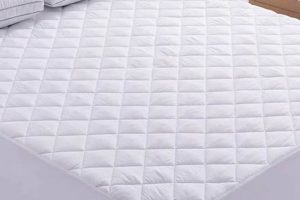
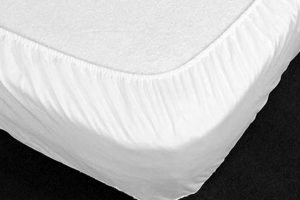
The regularity of cleaning a mattress encasement is a key factor in maintaining a healthy sleep environment. This practice involves removing and laundering the protective layer that shields a mattress from fluids, allergens, and dust mites. Implementing a consistent cleaning schedule ensures the protector remains effective in its primary function: safeguarding the underlying mattress from potential damage and contamination.
Maintaining a clean mattress protector yields several benefits. It contributes to improved hygiene, reduces allergen exposure, and extends the lifespan of the mattress itself. Over time, mattress protectors accumulate dust, skin cells, and other debris. Regular washing prevents these substances from penetrating the mattress, mitigating potential allergic reactions and minimizing the risk of dust mite infestations. This also preserves the mattress’s condition, protecting the investment in quality bedding.
Understanding the optimal washing frequency involves considering various factors, including usage patterns, environmental conditions, and specific material composition of the protector. Further discussion will address these elements and provide guidelines for establishing an appropriate cleaning routine.
Tips for Optimal Mattress Protector Hygiene
Maintaining a clean mattress protector is crucial for a healthy sleep environment. The following guidelines offer practical advice on establishing an effective washing routine.
Tip 1: Adhere to Manufacturer Instructions: Always consult the care label on the mattress protector for specific washing instructions. These instructions detail the recommended water temperature, detergent type, and drying method to prevent damage and maintain performance.
Tip 2: Establish a Regular Washing Schedule: Aim to launder the mattress protector every one to two months under normal usage conditions. This frequency effectively removes accumulated dust, allergens, and skin cells.
Tip 3: Increase Frequency for Specific Circumstances: More frequent washing, such as every two weeks, is advisable in cases of heavy sweating, frequent spills, or known allergies within the household. This proactive approach minimizes allergen buildup and potential mattress contamination.
Tip 4: Utilize Appropriate Detergents: Opt for mild, hypoallergenic detergents free of harsh chemicals or fragrances. These detergents are less likely to cause skin irritation or damage the protector’s material. Thorough rinsing is also essential to remove all detergent residue.
Tip 5: Consider Dryer Settings Carefully: If machine drying is permitted, use a low heat setting to prevent shrinkage or damage to the waterproof lining. Air drying is often a safer alternative, especially for protectors with delicate materials.
Tip 6: Inspect for Damage Regularly: Check the mattress protector for any signs of wear and tear, such as rips, tears, or compromised waterproofing. Address damage promptly to ensure continued protection of the mattress.
Tip 7: Address Stains Immediately: Treat stains promptly to prevent them from setting and becoming more difficult to remove. Spot clean the affected area with a mild detergent and water solution before laundering the entire protector.
By implementing these strategies, individuals can optimize the hygiene and longevity of their mattress protector, fostering a cleaner and healthier sleep environment. Consistent attention to these details directly contributes to improved sleep quality and overall well-being.
The following sections will further explore the relationship between washing frequency and specific mattress protector materials, providing more nuanced guidance for optimal care.
1. Usage Intensity

Usage intensity directly correlates with the frequency required for laundering a mattress protector. The more frequently a bed is used, the greater the accumulation of body oils, sweat, dead skin cells, and potential allergens within the protector’s fibers. This accumulation creates a breeding ground for dust mites and contributes to a less hygienic sleep surface. A bed used nightly by one or more individuals will necessitate more frequent washing compared to a guest bed used sporadically.
Consider the scenario of a child’s bed. Due to potential accidents, spills, and increased skin shedding, these mattresses experience high-intensity usage. As a direct consequence, the mattress protector requires more frequent laundering, ideally every one to two weeks, to maintain a clean and sanitary sleep environment. Conversely, a mattress protector on a guest bed used only a few times a year might only require washing every three to six months. Neglecting to adjust the cleaning schedule according to usage intensity can lead to diminished protector effectiveness, increased allergen exposure, and premature mattress degradation.
Ultimately, understanding usage patterns and adjusting the washing frequency of the mattress protector accordingly is crucial for optimal hygiene and prolonged mattress life. Regular assessment of usage intensity and corresponding adjustments to the cleaning schedule represent a proactive approach to maintaining a clean and healthy sleep environment. Failure to do so compromises the protector’s function and negates its intended benefits.
2. Allergen Sensitivity

The degree of sensitivity to allergens significantly influences the optimal washing frequency of a mattress protector. Increased sensitivity necessitates more frequent laundering to minimize exposure to common allergens that accumulate within the fabric.
- Dust Mite Population Control
Dust mites, microscopic organisms that thrive in bedding, are a primary allergen trigger for many individuals. Regular washing of the mattress protector disrupts their life cycle and removes their allergenic waste products. Individuals with dust mite allergies benefit from washing the protector as frequently as every week or two to maintain low allergen levels. Failure to control dust mite populations can exacerbate allergic symptoms such as sneezing, coughing, and skin irritation.
- Pollen Accumulation
Pollen, carried indoors through open windows and clothing, settles on bedding surfaces, including the mattress protector. For individuals with pollen allergies, this accumulation can trigger allergic reactions during sleep. Frequent washing, especially during pollen season, is crucial to remove pollen particles and reduce exposure. A recommended washing schedule of every one to two weeks can significantly alleviate pollen-related allergy symptoms.
- Pet Dander Mitigation
Pet dander, consisting of microscopic flecks of skin shed by animals, is a potent allergen for sensitive individuals. If pets are allowed on the bed, pet dander will inevitably accumulate on the mattress protector. To mitigate allergic reactions, the protector should be washed at least weekly, or even more frequently if the individual is highly sensitive. Regular vacuuming of the bedroom can further reduce pet dander levels in the environment.
- Mold Spore Removal
Mold spores, particularly in humid environments, can penetrate bedding and trigger allergic reactions in susceptible individuals. Washing the mattress protector helps to remove mold spores and prevent their growth. Maintaining a dry sleep environment and addressing any sources of moisture in the bedroom is also essential. A washing schedule of every two to four weeks is recommended to minimize mold spore accumulation, but more frequent cleaning may be necessary in humid climates.
In summary, individuals with heightened allergen sensitivities should adopt a more rigorous washing schedule for their mattress protectors. Consistent and frequent laundering effectively reduces allergen loads, minimizing the risk of allergic reactions and promoting a healthier sleep environment. The specific washing frequency should be tailored to the individual’s specific allergens, the severity of their sensitivity, and the environmental conditions within the bedroom.
3. Spill Frequency
The incidence of spills on a mattress protector significantly influences the frequency with which it requires laundering. Liquids and other substances not only create immediate hygiene concerns but also pose a risk of staining and material degradation, thereby dictating a more rigorous cleaning schedule.
- Immediate Contamination Mitigation
Spills, regardless of their composition, introduce contaminants to the mattress protector. Food particles, beverages, and bodily fluids can harbor bacteria and promote mold growth if left unaddressed. Immediate washing is essential to prevent these contaminants from penetrating the fabric and reaching the mattress, which is more difficult to clean. Delaying cleaning can lead to persistent odors and potential damage to the mattress protector’s protective layer.
- Stain Prevention and Management
Certain substances, such as coffee, wine, or blood, are prone to causing permanent stains on mattress protectors. Prompt washing is crucial to prevent these stains from setting and becoming difficult or impossible to remove. Pre-treating the stained area with a stain remover before laundering can further enhance the cleaning effectiveness. The longer a stain remains untreated, the greater the likelihood of it becoming a permanent blemish.
- Integrity of Waterproof or Water-Resistant Layers
Many mattress protectors feature waterproof or water-resistant layers designed to prevent liquids from reaching the mattress. Spills can compromise the integrity of these layers over time, particularly if the protector is not properly cleaned. Repeated exposure to liquids can weaken the waterproof barrier, rendering it less effective in preventing future spills from penetrating the mattress. Regular and appropriate washing helps to maintain the integrity of these protective layers.
- Frequency Adjustment for Specific Populations
Certain populations, such as infants, young children, and individuals with incontinence issues, are more prone to experiencing spills on their bedding. Consequently, mattress protectors used by these individuals require more frequent laundering. A washing schedule of at least once a week, or immediately after a spill occurs, is recommended to ensure optimal hygiene and prevent mattress contamination. Failure to adhere to this increased cleaning frequency can result in unsanitary conditions and potential health risks.
In conclusion, spill frequency stands as a crucial determinant in establishing an appropriate cleaning regimen for mattress protectors. The prompt removal of spilled substances not only maintains hygiene but also safeguards the protector’s integrity and prolongs the lifespan of the underlying mattress. Adjusting the washing schedule to accommodate the likelihood of spills is a proactive measure in ensuring a clean and healthy sleep environment.
4. Material Type

The composition of a mattress protector significantly influences the recommended washing frequency. Different materials possess varying degrees of absorbency, breathability, and susceptibility to damage from laundering, thereby necessitating tailored cleaning protocols.
- Cotton Protectors
Cotton protectors offer good breathability and absorbency, making them a popular choice. However, they are prone to shrinkage and may require ironing to maintain their shape. Cotton protectors generally require washing every one to two months under normal usage. Heavier soiling or allergen concerns may necessitate more frequent washing. High heat during washing and drying should be avoided to prevent excessive shrinkage.
- Polyester Protectors
Polyester protectors are generally more durable and wrinkle-resistant compared to cotton. They tend to dry quickly and are less susceptible to shrinkage. A washing frequency of every two to three months is typically adequate for polyester protectors under normal conditions. While polyester is more resilient to heat, following the manufacturer’s instructions remains crucial to prevent damage to any waterproof or water-resistant layers.
- Waterproof Protectors (Polyurethane or Vinyl)
Waterproof protectors, often constructed with polyurethane or vinyl layers, necessitate careful laundering to preserve their waterproof integrity. These protectors should be washed every one to two months, or immediately after spills. Harsh detergents and high heat should be avoided, as they can degrade the waterproof barrier. Air drying is often recommended to prevent damage. Regular inspection for tears or punctures is essential to ensure continued protection.
- Blend Protectors (Cotton-Polyester)
Blend protectors, combining cotton and polyester fibers, offer a balance of breathability, durability, and wrinkle resistance. The washing frequency for blend protectors typically falls between that of pure cotton and pure polyester protectors, generally every six to eight weeks. As with other materials, adhering to the manufacturer’s instructions is crucial to prevent shrinkage or damage to any specialized layers or treatments.
In summary, the material composition of a mattress protector serves as a primary determinant in establishing an appropriate washing schedule. Understanding the specific properties of each material type allows for informed decisions regarding laundering frequency, detergent selection, and drying methods, ultimately contributing to both hygiene and protector longevity. Failing to account for material-specific requirements can lead to premature degradation and compromised performance.
5. Environmental Conditions

The surrounding environment exerts a considerable influence on the accumulation of contaminants within a mattress protector, thereby impacting the frequency with which it requires laundering. Climate, air quality, and the presence of environmental allergens are key factors that necessitate adjustments to the standard cleaning schedule.
- Humidity Levels and Mold Growth
High humidity promotes the growth of mold and mildew, both within the home and on bedding surfaces. Mattress protectors in humid climates are more susceptible to mold spore accumulation, necessitating more frequent washing to prevent allergenic reactions and unpleasant odors. In such environments, a washing schedule of every two to four weeks may be required, even in the absence of visible staining or soiling. Dehumidifiers can help to mitigate the effects of high humidity within the bedroom.
- Air Quality and Particulate Matter
Areas with poor air quality, characterized by high levels of particulate matter (dust, pollen, pollution), experience increased deposition of these particles on bedding surfaces. Mattress protectors in urban environments or near sources of pollution require more frequent laundering to remove these contaminants and prevent them from penetrating the mattress. A washing schedule of every three to six weeks may be necessary, depending on the severity of the air quality issues. Air purifiers can assist in reducing particulate matter levels within the bedroom.
- Seasonal Allergens and Pollen Counts
During pollen season, airborne pollen levels can significantly increase, leading to increased allergen exposure for individuals with pollen sensitivities. Mattress protectors should be washed more frequently during these periods to remove accumulated pollen and minimize allergic reactions. A washing schedule of every one to two weeks may be necessary, depending on the pollen count in the environment. Keeping windows closed and using air conditioning with pollen filters can help to reduce pollen infiltration into the bedroom.
- Indoor Environmental Factors (Pets, Smoking)
Indoor environmental factors such as the presence of pets or smoking habits within the home also impact the frequency with which a mattress protector should be washed. Pet dander and smoke particles can accumulate on bedding surfaces, triggering allergic reactions and creating unpleasant odors. Mattress protectors in homes with pets or smokers require more frequent laundering to remove these contaminants. A washing schedule of every one to two weeks may be necessary, depending on the severity of the allergen or odor issues. Implementing measures to reduce pet dander and smoke exposure, such as regular vacuuming and designated smoking areas, can help to improve indoor air quality and reduce the burden on the mattress protector.
In summation, environmental conditions represent a critical factor in determining the optimal washing frequency for mattress protectors. Adjusting the cleaning schedule to account for humidity levels, air quality, seasonal allergens, and indoor environmental factors is essential for maintaining a clean, healthy, and allergen-free sleep environment. Neglecting to consider these environmental influences can lead to increased allergen exposure, unpleasant odors, and premature degradation of the mattress protector.
Frequently Asked Questions
The following addresses common inquiries regarding the appropriate cleaning schedule for mattress protectors, providing detailed and factual responses based on established hygiene practices.
Question 1: Is it necessary to wash a new mattress protector before initial use?
It is advisable to wash a new mattress protector prior to its first use. This practice removes any residual manufacturing chemicals or dust accumulated during shipping and storage, ensuring a cleaner and more comfortable sleep surface.
Question 2: Can a mattress protector be washed with other bedding items?
A mattress protector can be washed with other bedding items, provided that the care instructions for all items are compatible. Avoid washing the protector with items that have zippers or rough surfaces that could potentially damage the protector’s material. Washing similar colors together is also recommended to prevent dye transfer.
Question 3: What type of detergent is most suitable for washing a mattress protector?
A mild, hypoallergenic detergent free from harsh chemicals and fragrances is most suitable for washing a mattress protector. Such detergents minimize the risk of skin irritation and are less likely to degrade the protector’s material, particularly any waterproof or water-resistant layers. Ensure thorough rinsing to remove all detergent residue.
Question 4: How can the lifespan of a mattress protector be extended?
The lifespan of a mattress protector can be extended by adhering to the manufacturer’s washing instructions, using appropriate detergents, avoiding high heat during washing and drying, and promptly addressing any spills or stains. Regular inspection for wear and tear and timely replacement are also crucial.
Question 5: What are the signs that a mattress protector needs to be replaced?
Signs that a mattress protector requires replacement include visible tears or punctures, compromised waterproofing, persistent odors or stains that cannot be removed with washing, and general wear and tear that diminishes its protective capabilities. Failing to replace a damaged protector compromises its ability to safeguard the mattress.
Question 6: Does washing a mattress protector void its warranty?
Washing a mattress protector generally does not void its warranty, provided that the washing instructions specified by the manufacturer are followed. Failure to adhere to these instructions, such as using inappropriate detergents or exceeding recommended temperature settings, may potentially void the warranty. Consult the warranty documentation for specific terms and conditions.
In summary, proper and consistent care is essential for maintaining the effectiveness and longevity of a mattress protector. Adhering to recommended washing practices, utilizing appropriate detergents, and promptly addressing any damage ensures a cleaner, healthier, and more protected sleep environment.
The following sections will delve into the environmental and health implications associated with maintaining a clean mattress protector.
Optimal Mattress Protection Through Regular Washing
This examination has underscored the significance of how often should you wash your mattress protector in safeguarding both the mattress and individual health. Maintaining a consistent cleaning schedule, tailored to specific usage patterns, material composition, and environmental factors, is paramount. Factors such as usage intensity, allergen sensitivity, spill frequency, material type, and environmental conditions must inform cleaning practices. Adherence to manufacturer guidelines, appropriate detergent selection, and timely stain removal are essential for both hygiene and protector longevity.
A proactive approach to mattress protector hygiene transcends mere cleanliness; it represents a commitment to a healthier sleep environment and the preservation of valuable bedding investments. Consistent application of the principles outlined herein will contribute to improved air quality, reduced allergen exposure, and extended mattress lifespan. Therefore, implement these guidelines diligently to reap the full benefits of mattress protection.