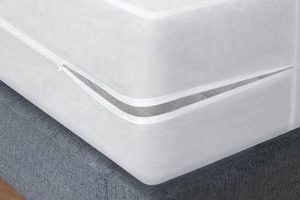
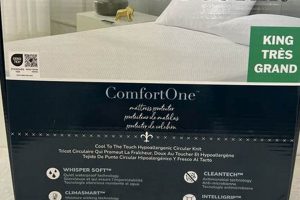
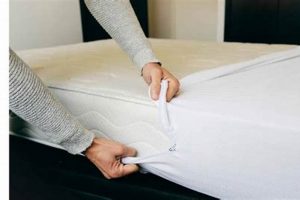
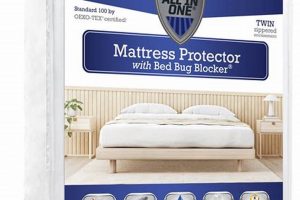
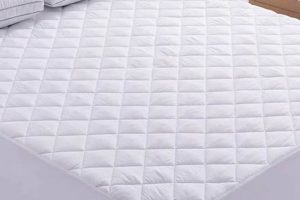
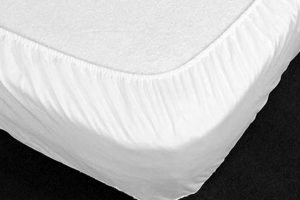
This bedding accessory is designed to shield a specific size of bed from spills, stains, dust mites, and allergens. It fully encases the sleep surface and secures with a closure system, providing comprehensive protection. Consider its use analogous to a tailored, defensive covering for a valuable piece of furniture.
The significance of such an item lies in extending the lifespan of the underlying sleep surface, maintaining a cleaner sleep environment, and potentially alleviating allergy symptoms. Historically, simpler coverings served similar functions; however, modern iterations offer enhanced features like waterproofing, breathability, and secure encasement to address a wider range of needs.
The following sections will elaborate on the materials used in their construction, the various features available, considerations for selecting the appropriate option, and proper maintenance techniques for longevity and effectiveness.
Selecting and Maintaining a Protective Bedding Encasement
The selection and care of a protective bedding encasement are crucial for ensuring its longevity and effectiveness. The following guidelines provide a framework for making informed decisions.
Tip 1: Material Composition: Prioritize encasements made from breathable, hypoallergenic materials such as cotton terry or bamboo blends. These materials minimize moisture buildup and reduce the risk of allergic reactions.
Tip 2: Waterproofing Level: Evaluate the level of waterproofing required based on individual needs. A polyurethane membrane offers substantial protection against spills, while a less robust option may suffice for dust mite and allergen control.
Tip 3: Zipper Quality: Examine the zipper closure for durability and functionality. A high-quality zipper with a fabric flap to prevent snags ensures a secure and long-lasting seal.
Tip 4: Fit and Sizing: Ensure the encasement is appropriately sized for the intended sleep surface. A snug fit prevents shifting and bunching, which can compromise its protective capabilities.
Tip 5: Washing Instructions: Adhere strictly to the manufacturer’s washing instructions to prevent damage to the material or waterproofing membrane. High heat and harsh detergents can degrade the encasement’s protective properties.
Tip 6: Regular Cleaning Schedule: Establish a regular cleaning schedule to maintain hygiene and remove allergens. Washing the encasement every two to three months is generally recommended.
Tip 7: Inspection for Damage: Periodically inspect the encasement for any signs of wear and tear, such as rips, tears, or zipper malfunctions. Promptly repair or replace the encasement if damage is detected.
By carefully considering these factors, consumers can select an appropriate bedding encasement that effectively protects the sleep surface and promotes a healthier sleep environment. Consistent maintenance is essential for maximizing its lifespan and protective capabilities.
The subsequent section will address frequently asked questions regarding protective bedding encasements and their suitability for various needs.
1. Queen size
The “queen size” designation is a fundamental component of a queen mattress protector with zipper. It directly dictates the physical dimensions of the encasement, ensuring proper fit and functionality. A mismatch in size renders the protector ineffective; an encasement too small will not fully cover the mattress, leaving portions vulnerable to damage, while one too large will bunch and shift, compromising both comfort and protective capabilities. For instance, attempting to use a full-size protector on a queen mattress leaves significant areas exposed, negating the intended protection against spills or allergens. The standardized dimensions associated with the “queen size” are therefore crucial for its intended purpose.
The practical significance of understanding this connection lies in the necessity for accurate product selection. Consumers must verify the dimensions of their queen mattress prior to purchasing a protector to guarantee a secure and effective fit. Many retailers provide detailed size charts to assist in this process. Failure to confirm compatibility can result in unnecessary returns or, worse, a false sense of security that ultimately leads to damage to the mattress. Real-world examples include incidents where consumers, assuming a “one-size-fits-all” approach, purchase incorrectly sized protectors, only to discover the lack of adequate protection following a spill or other incident.
In summary, the “queen size” is not merely a label but an essential descriptor that defines the protector’s physical compatibility with its intended mattress. Accurate size matching is paramount for achieving the desired level of protection, hygiene, and longevity. Challenges related to size mismatches can be mitigated through careful measurement and verification prior to purchase. The focus on accurate sizing ties directly to the overarching goal of maintaining a clean and protected sleep environment.
2. Waterproof barrier
The waterproof barrier is a critical attribute of a queen mattress protector with zipper. This barrier serves as a primary defense against liquid intrusion, preventing spills, sweat, and other fluids from penetrating the mattress core. Without a reliable waterproof barrier, the underlying mattress becomes susceptible to staining, odor development, and the potential growth of mold or mildew. The presence of the barrier directly correlates with the long-term cleanliness and hygienic condition of the sleep surface. For instance, a spilled beverage on a mattress lacking this feature will likely result in a permanent stain and create a breeding ground for bacteria, while a protector with an effective barrier will contain the spill, allowing for easy cleanup and preventing any lasting damage.
The practical application of a waterproof barrier extends beyond simple spill protection. It plays a significant role in protecting against bodily fluids, such as sweat and urine, which can degrade mattress materials over time. This is particularly relevant for individuals with incontinence issues, children, or those who experience night sweats. Furthermore, the waterproof nature of the barrier also aids in allergen control by preventing dust mites and other allergens from settling within the mattress fibers. Regular cleaning of the protector removes these allergens, contributing to a healthier sleep environment. Consider the situation of someone with dust mite allergies; a mattress without a barrier acts as a reservoir for allergens, exacerbating symptoms, whereas a protected mattress allows for the easy removal of these irritants.
In conclusion, the integration of a waterproof barrier within a queen mattress protector with zipper is not merely an optional feature but a functional necessity. Its presence directly safeguards the mattress against fluid damage, promotes a hygienic sleep environment, and extends the mattress’s lifespan. While challenges exist in balancing waterproofness with breathability, advances in material technology continue to improve the performance and comfort of these protectors. The understanding of this attribute’s importance is vital for selecting a protector that effectively meets the diverse needs of users.
3. Zipper closure
The zipper closure represents a pivotal design element within a queen mattress protector, ensuring complete encasement and robust protection. Its functionality extends beyond simple fastening; it actively contributes to the protector’s ability to safeguard against various threats.
- Complete Encasement
The zipper closure facilitates a 360-degree seal around the mattress, effectively trapping dust mites, allergens, and bed bugs within the protector. This complete barrier is essential for individuals with allergies or asthma, providing a clean sleep environment. Without a secure closure, gaps would exist, undermining the protective function. For instance, a partially open seam allows dust mites to escape and colonize the mattress.
- Prevention of Bed Bug Infestation
A tightly sealed zipper closure is a critical component in preventing bed bug infestations. These pests are adept at infiltrating small crevices, and an unsealed mattress protector offers ample entry points. The zipper, when properly closed and maintained, denies them access to the mattress, effectively creating a barrier against infestation. This is especially important in multi-unit dwellings where bed bugs can easily migrate between units.
- Tamper-Evident Security
A high-quality zipper closure provides a degree of tamper-evident security. Any attempt to open the protector without authorization will be readily apparent. This feature is beneficial in institutional settings or where maintaining the integrity of the sleep surface is paramount. A broken or missing zipper pull signals a potential breach of the protective barrier.
- Ease of Removal and Installation
Despite its protective function, a well-designed zipper closure also allows for relatively easy removal and installation of the mattress protector. This is important for regular cleaning and maintenance. A durable zipper that glides smoothly facilitates these processes, reducing the risk of damage to the protector itself during handling.
In summary, the zipper closure is not merely a fastener; it is an integral part of the protective system embodied by a queen mattress protector. Its contribution to complete encasement, bed bug prevention, security, and ease of use makes it a defining feature of effective mattress protection. The quality and design of the zipper directly impact the overall performance and longevity of the protector.
4. Allergen control

Allergen control constitutes a primary function of a queen mattress protector with zipper. The fully enclosed design serves as a barrier, preventing allergens such as dust mites, pet dander, and pollen from accumulating within the mattress fibers. This containment directly reduces exposure for individuals with sensitivities, mitigating allergic reactions. For example, a person allergic to dust mites, using a standard unprotected mattress, faces constant exposure to these allergens residing within the mattress, leading to chronic respiratory issues. A zippered protector, however, physically isolates these allergens, rendering them inaccessible and significantly reducing the allergen load in the sleep environment.
The practical application of allergen control through mattress protectors extends beyond simply reducing symptoms. By minimizing allergen exposure, these protectors can contribute to improved sleep quality and overall well-being. Proper maintenance, including regular washing of the protector, further enhances allergen removal. Consider a child with nighttime asthma; using a mattress protector designed for allergen control, combined with frequent washing, creates a cleaner sleep environment, potentially decreasing the frequency and severity of asthma attacks. The protector acts as a safeguard, intercepting allergens before they reach the sleeper, thereby improving air quality and promoting restful sleep.
In conclusion, the inherent connection between allergen control and a queen mattress protector with zipper is defined by the protector’s physical barrier function. This function directly reduces allergen exposure, leading to potential improvements in health and sleep quality for allergy sufferers. While challenges exist regarding material breathability and zipper durability, the fundamental principle of allergen containment remains a core benefit. The effectiveness of this control mechanism emphasizes the importance of selecting protectors designed specifically for allergen management and adhering to consistent maintenance practices.
5. Breathable fabric
The integration of breathable fabric is a critical design consideration in the construction of a queen mattress protector with zipper. Breathability directly impacts user comfort and the overall hygienic environment within the encased sleep surface. Non-breathable materials impede air circulation, leading to moisture accumulation, which can foster the growth of mold, mildew, and bacteria. The selection of fabric significantly influences the protector’s effectiveness in maintaining a dry, healthy sleep environment. For instance, a protector made with non-breathable polyurethane may provide excellent waterproofing but trap moisture, leading to discomfort and potential skin irritation, whereas a protector using a breathable cotton or bamboo blend allows for air exchange, mitigating these issues.
The practical significance of breathable fabric extends to improved temperature regulation during sleep. By facilitating air flow, these fabrics help dissipate body heat, preventing overheating and promoting a more restful sleep experience. This is particularly important for individuals who tend to sleep hot or live in warmer climates. Furthermore, breathable materials often exhibit enhanced moisture-wicking properties, drawing sweat away from the body and further contributing to a dry and comfortable sleep surface. Consider the scenario of an individual experiencing night sweats; a protector with breathable, moisture-wicking fabric can significantly improve sleep quality by minimizing the discomfort associated with excessive sweating.
In conclusion, the choice of breathable fabric for a queen mattress protector with zipper is inextricably linked to user comfort, hygiene, and sleep quality. While the level of breathability may vary depending on the specific material and construction techniques, the fundamental principle of promoting air circulation remains essential. Challenges related to balancing waterproofness with breathability continue to drive innovation in fabric technology. The recognition of breathability as a key performance characteristic is paramount for selecting a protector that effectively protects the mattress while also enhancing the sleep experience.
6. Bed bug resistance
Bed bug resistance is a critical functional attribute of a queen mattress protector with zipper. The protector acts as a physical barrier, preventing bed bugs from infesting the mattress core. Once a mattress becomes infested, eradication is costly, time-consuming, and often requires professional intervention. The protector, therefore, serves as a preventative measure, significantly reducing the likelihood of infestation and the associated financial burden. The zipper closure is paramount; an incomplete or damaged closure negates the resistance, providing entry points for the pests. Consider an apartment building scenario: one infested unit can rapidly spread the problem to others. A mattress protector with proven bed bug resistance limits the potential for this spread by containing any existing infestation within the protector and preventing new infestations.
The practical application of bed bug-resistant mattress protectors extends beyond residential use. Hotels, hospitals, and dormitories benefit significantly from their use. These environments often experience high turnover and increased risk of bed bug introduction. The protectors allow for easy inspection and cleaning, facilitating early detection and control. Regular inspection of the protector’s seams and zipper is crucial for maintaining its effectiveness. A tear or compromised zipper requires immediate repair or replacement. Moreover, the use of a protector does not eliminate the need for other preventative measures, such as regular vacuuming and careful inspection of luggage after travel.
In conclusion, bed bug resistance, facilitated by the physical barrier and secure zipper closure, is an indispensable characteristic of a queen mattress protector. While complete eradication of bed bugs requires a multi-faceted approach, the protector serves as a crucial first line of defense. The understanding of its preventative function and the importance of regular maintenance is vital for effectively mitigating the risk of bed bug infestations and maintaining a hygienic sleep environment. The overall success of the protector depends on the quality of its materials, the integrity of its construction, and consistent vigilance in its upkeep.
Frequently Asked Questions
The following section addresses common inquiries regarding queen mattress protectors featuring a zipper closure. The information is intended to provide clarity and assist in making informed purchasing decisions.
Question 1: What is the expected lifespan of a queen mattress protector with zipper?
The lifespan varies depending on material quality, usage, and maintenance practices. Generally, a high-quality protector, properly cared for, can last between one and five years. Regular washing and avoidance of harsh chemicals will extend its durability.
Question 2: How often should a queen mattress protector with zipper be washed?
It is recommended to wash the protector every two to three months. More frequent washing may be necessary for individuals with allergies or sensitivities, or if spills occur.
Question 3: Can a queen mattress protector with zipper eliminate bed bug infestations?
No, a mattress protector cannot eliminate an existing bed bug infestation. It serves as a preventative measure by encasing the mattress and preventing bed bugs from infesting it. Professional pest control services are required for complete eradication.
Question 4: Are all queen mattress protectors with zipper waterproof?
No, not all protectors are waterproof. Some offer water resistance, while others provide full waterproofing. It is essential to check the product specifications to determine the level of liquid protection offered.
Question 5: Will a queen mattress protector with zipper change the feel of the mattress?
The impact on mattress feel depends on the material and thickness of the protector. Thicker protectors may slightly alter the feel, while thinner, more breathable options are less noticeable. Consider the desired level of protection versus the potential impact on comfort.
Question 6: How can one ensure the queen mattress protector with zipper is properly installed?
Ensure the mattress protector fits snugly and completely encases the mattress. Carefully close the zipper, ensuring it is fully sealed. Inspect the zipper and seams regularly for any signs of damage or wear.
In summary, a queen mattress protector with zipper offers various benefits, but its effectiveness depends on proper selection, installation, and maintenance. Understanding its limitations and capabilities is crucial for achieving optimal protection and longevity.
The following section will explore alternative mattress protection solutions and their comparative advantages.
Conclusion
The preceding discussion has presented a comprehensive overview of the queen mattress protector with zipper, underscoring its multi-faceted role in safeguarding sleep surfaces. This analysis has detailed the significance of size adherence, the function of waterproof barriers, the importance of secure zipper closures, the benefits of allergen and bed bug resistance, and the necessity of breathable fabric. Each element contributes to the overall efficacy of this protective bedding accessory.
In light of these considerations, the selection and maintenance of a queen mattress protector with zipper warrant careful attention. Its role in hygiene, allergen management, and mattress longevity cannot be overstated. Consumers are encouraged to consider the presented information when making purchasing decisions and to prioritize regular inspection and cleaning to maximize the protector’s lifespan and effectiveness. The continued advancement in material science promises even more robust and comfortable solutions for sleep surface protection in the future.