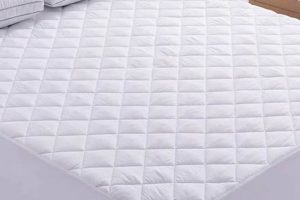
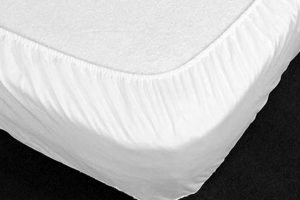
A fabric covering designed to encase a bed’s sleeping surface, offering a barrier against liquids, allergens, and wear. These items are typically constructed from materials like cotton, polyester, or specialized laminates that provide varying degrees of protection and comfort. As an example, consider the scenario of accidental spills; this covering prevents the liquid from soaking into the mattress, preserving its cleanliness and extending its lifespan.
The significance of utilizing such a protective layer lies in its ability to maintain hygiene, reduce allergen accumulation, and safeguard the investment made in a mattress. These items can create a barrier against dust mites, pet dander, and other common allergens, contributing to a healthier sleeping environment. Historically, simpler versions served primarily as safeguards against soiling, but contemporary designs incorporate features like waterproofing, breathability, and enhanced comfort.
Subsequent sections will delve into specific types available, comparing their features and benefits to aid in informed purchasing decisions. Discussion will also cover proper care and maintenance to ensure longevity and effectiveness, as well as explore the impact of these coverings on sleep quality and overall well-being.
Optimal Usage Strategies
The following recommendations aim to maximize the utility and lifespan of a bed’s protective covering. Adhering to these guidelines ensures consistent performance and preserves the hygienic qualities of the sleeping environment.
Tip 1: Select Appropriate Material: Consider specific needs when choosing a type. Waterproof options are suitable for individuals prone to spills or incontinence. Breathable fabrics like cotton or bamboo are preferable for enhanced comfort and temperature regulation.
Tip 2: Ensure Proper Fit: A snug, secure fit prevents slippage and bunching, maximizing comfort and protection. Measure the mattress depth accurately and select a size that corresponds precisely.
Tip 3: Launder Regularly: Regular cleaning removes accumulated dust, allergens, and body oils. Follow the manufacturer’s instructions for washing and drying, typically involving a gentle cycle and low heat.
Tip 4: Address Stains Promptly: Treat spills and stains immediately to prevent permanent discoloration or damage to the protective layer. Use a mild detergent and avoid harsh chemicals that can degrade the fabric.
Tip 5: Utilize a Mattress Pad: Adding a mattress pad on top of the protective layer enhances comfort and provides an additional layer of protection against wear and tear.
Tip 6: Inspect Regularly: Periodically examine the covering for signs of damage, such as tears or thinning. Repair or replace as needed to maintain optimal performance.
Tip 7: Consider Hypoallergenic Options: For individuals with sensitivities, select a covering specifically designed to be hypoallergenic and resistant to dust mites. Look for certifications from reputable organizations.
Following these recommendations promotes a cleaner, healthier sleep environment and prolongs the functional lifespan of the mattress encasement. Consistent adherence to these practices ensures continued protection and hygiene.
The succeeding section provides a comparison of various types and their respective benefits, further assisting in the selection of an appropriate option.
1. Barrier against fluids

The primary function of a bed surface encasement often centers on its ability to act as a barrier against fluids. This attribute is directly related to the item’s capacity to prevent liquids, such as spills, sweat, or other bodily fluids, from penetrating the mattress core. In the absence of such a barrier, these fluids can lead to staining, odor development, and the potential for microbial growth within the mattress. The presence of a waterproof or water-resistant layer, typically achieved through lamination or specialized fabric treatments, becomes critical in preserving the mattress’s condition and hygiene. A straightforward example highlights this: consider the accidental spillage of a beverage on a bed. Without the protective layer, the liquid would seep into the mattress, requiring extensive cleaning or, in severe cases, rendering the mattress unusable. The practical significance, therefore, lies in extending the mattress’s lifespan and maintaining a clean sleeping environment.
Furthermore, the effectiveness of the fluid barrier is influenced by the material composition and construction of the encasement. Some materials offer higher degrees of impermeability than others. For instance, polyurethane laminates provide a reliable waterproof barrier, while tightly woven fabrics treated with water-repellent finishes offer a degree of resistance. The seams and closure mechanisms of the encasement are also critical points of vulnerability. Inadequately sealed seams can allow fluid penetration, diminishing the overall effectiveness of the product. For example, the use of zippered closures with fabric flaps that cover the zipper can provide enhanced fluid protection. Consideration should be given on selecting for these key construction details.
In summary, the fluid barrier functionality of a bed surface encasement is a paramount factor in safeguarding the mattress and promoting a sanitary sleeping environment. While challenges remain in balancing impermeability with breathability and comfort, the ongoing advancements in material science continue to improve the effectiveness and user experience of these protective layers. Understanding this relationship assists with choosing the right product and is integral to making informed purchasing decisions based on specific needs and priorities.
2. Allergen reduction properties
The capacity of a sheet-like mattress covering to mitigate allergens is a central consideration for individuals with sensitivities to dust mites, pet dander, and other common indoor allergens. The primary function of these coverings in this context is to create a physical barrier that prevents allergens from penetrating the mattress core, thereby reducing exposure and minimizing allergic reactions.
- Barrier Functionality
The core mechanism by which these coverings reduce allergens is the physical barrier they provide. A tightly woven fabric encasement prevents dust mites, which thrive in mattresses, from colonizing the mattress fibers. The fabric’s pore size is critical; smaller pores effectively block allergens, while larger pores allow passage. For instance, encasements with pore sizes of 6 microns or less are highly effective in blocking dust mites and their waste products. The effectiveness of this barrier is compromised if the encasement is torn, damaged, or improperly fitted. Regular inspection and maintenance are necessary to ensure continued allergen protection.
- Material Composition and Allergenicity
The inherent properties of the material from which the covering is made also play a role in allergen reduction. Certain synthetic materials, such as microfiber, are less likely to harbor allergens compared to natural fibers like cotton. However, cotton encasements can be effective if tightly woven and properly cared for. Some encasements incorporate antimicrobial treatments to further inhibit the growth of mold and bacteria, which can also contribute to allergic reactions. The choice of material should consider both its barrier properties and its potential to exacerbate or mitigate allergic responses.
- Maintenance and Cleaning Protocols
The efficacy of allergen-reducing coverings is dependent on consistent and proper maintenance. Regular washing removes accumulated allergens from the surface of the encasement, preventing them from becoming airborne and inhaled. Washing in hot water (at least 130F or 54.4C) is recommended to kill dust mites and denature allergens. Failure to wash the encasement regularly can negate its benefits, as allergens will accumulate on the surface and compromise the barrier function. Proper drying techniques are also essential to prevent shrinkage and damage to the material.
- Impact on Indoor Air Quality
By reducing the reservoir of allergens within the mattress, these coverings can contribute to improved indoor air quality. Mattresses can act as significant sources of indoor allergens, and containing these allergens at the source can reduce their dispersal into the surrounding environment. This is particularly beneficial for individuals with asthma or allergic rhinitis, as it can minimize exposure to triggers that exacerbate their symptoms. However, it is important to note that these coverings are just one component of a comprehensive allergen control strategy, which may also include air purifiers, regular vacuuming, and allergen-proof pillow covers.
In summation, the allergen reduction properties of a sheet-like mattress encasement are multifaceted, encompassing barrier functionality, material composition, maintenance protocols, and impact on indoor air quality. The integration of these elements is critical to maximize the effectiveness of these coverings in creating a healthier sleeping environment. The selection and consistent use of such a product represents a proactive approach to managing allergen exposure in the bedroom.
3. Material breathability factors

Material breathability is a crucial determinant of comfort and overall sleep quality when considering sheet-like mattress coverings. This attribute refers to the fabric’s ability to allow air and moisture to pass through, preventing heat buildup and promoting a more regulated sleep environment. The breathability of the material directly impacts the sleeper’s experience, influencing factors such as temperature regulation, moisture management, and ultimately, the quality of rest achieved.
- Fiber Composition and Air Permeability
The type of fiber used in the mattress encasement significantly influences its breathability. Natural fibers like cotton, bamboo, and Tencel exhibit inherently higher air permeability compared to synthetic materials such as polyester or vinyl. For example, cotton fibers possess a natural crimp and hollow structure that allows air to circulate more freely. Conversely, tightly woven synthetic fibers can restrict airflow, leading to increased heat retention and discomfort. The choice of fiber, therefore, directly impacts the breathability and comfort characteristics of the sheet-like covering.
- Weave Density and Fabric Structure
Beyond fiber composition, the weave density and fabric structure also play a pivotal role in determining breathability. Looser weaves, such as percale or linen, allow for greater airflow compared to tighter weaves like sateen. For example, percale cotton features a plain weave that facilitates air circulation and wicks away moisture effectively. In contrast, sateen weaves, while offering a smoother texture, tend to be less breathable due to their denser construction. The selection of weave density should align with the intended use and desired level of breathability to ensure optimal comfort.
- Moisture-Wicking Properties
A breathable mattress encasement effectively manages moisture by wicking it away from the sleeper’s body. Moisture-wicking fabrics transport perspiration to the outer surface of the material, where it can evaporate more readily. Examples of moisture-wicking fibers include microfiber and certain synthetic blends engineered to enhance breathability. By keeping the sleeper dry and comfortable, moisture-wicking properties contribute to a more restful sleep experience. The ability of the material to efficiently manage moisture is a key determinant of overall breathability and comfort.
- Lamination and Waterproofing Treatments
The application of laminates or waterproofing treatments to mattress encasements can compromise breathability if not carefully considered. While waterproofing is essential for protecting the mattress from spills and stains, impermeable layers can restrict airflow and trap heat. Breathable laminates, such as those made from polyurethane with micro-pores, offer a compromise by allowing air and moisture vapor to escape while preventing liquid penetration. The selection of waterproofing treatments should prioritize breathability to maintain comfort and prevent overheating during sleep.
These factorsfiber composition, weave density, moisture-wicking capabilities, and the impact of laminationscollectively determine the breathability of a sheet-like mattress encasement. The consideration of these elements is crucial in selecting a product that effectively balances protection with comfort, ensuring a cool, dry, and restful sleep environment. Choosing breathable options will greatly enhance the value and usability of these protective layers.
4. Secure fitting designs

Secure fitting designs are paramount in ensuring the efficacy of a sheet-like mattress covering. A poorly fitted protector compromises its intended functions, including allergen reduction, fluid protection, and overall hygiene maintenance. The following facets detail the specific design elements that contribute to a secure and effective fit.
- Elasticized Perimeter Bands
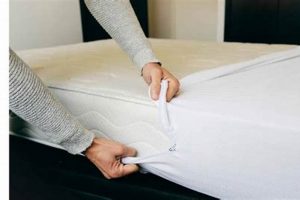
Elasticized perimeter bands are a common design element used to secure the protector to the mattress. These bands, typically constructed from durable elastic, stretch to fit the mattress depth and provide a snug fit around the perimeter. Insufficient elasticity or a poorly designed band can result in slippage, bunching, and exposure of the mattress surface. A well-executed example includes protectors with deep pockets and robust elastic that accommodate thicker mattresses, ensuring consistent coverage even with movement during sleep. The implications of a compromised elastic band include reduced fluid protection and increased allergen exposure.
- Fitted Sheet Style Construction
The fitted sheet style construction mimics the design of a standard fitted sheet, encasing the mattress top and sides. This design approach provides a more secure fit compared to simple mattress pads that merely rest on the surface. The fitted sheet style typically incorporates elasticized corners or a full elastic perimeter to maintain tension and prevent shifting. An example includes protectors with reinforced corners and durable stitching that withstand frequent washing and use. A loose or ill-fitting fitted sheet style construction can lead to discomfort and diminished protection against spills and allergens.
- Zippered Encasement Designs
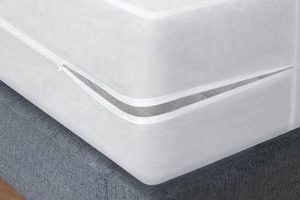
Zippered encasement designs fully enclose the mattress, providing the most secure fit and comprehensive protection. These designs feature a zipper closure that runs along the entire perimeter of the protector, effectively sealing the mattress. Zippered encasements are particularly effective for allergen control, as they prevent dust mites from entering or escaping the mattress. An example includes protectors with high-quality zippers and fabric flaps that cover the zipper to prevent allergen leakage. A compromised zipper or damaged fabric can compromise the integrity of the encasement and reduce its effectiveness.
- Adjustable Strap Systems
Adjustable strap systems offer an alternative method for securing the protector to the mattress, particularly in cases where a fitted sheet style or elasticized bands are insufficient. These systems typically consist of adjustable straps that connect under the mattress, providing additional tension and preventing slippage. Adjustable straps are especially useful for accommodating mattresses of varying thicknesses or irregular shapes. An example includes protectors with durable straps and secure buckles that can be easily adjusted to achieve a custom fit. Failure of the strap system undermines the purpose of using a sheet mattress protector.
In summary, secure fitting designs are a critical aspect of sheet-like mattress coverings, influencing their ability to provide effective protection against fluids, allergens, and wear. The specific design elements employed, such as elasticized bands, fitted sheet style construction, zippered encasements, and adjustable strap systems, directly impact the fit, comfort, and overall performance of the protector. A well-designed and properly fitted protector enhances hygiene, prolongs mattress lifespan, and contributes to a healthier sleep environment.
5. Durability and longevity

Durability and longevity are paramount considerations when evaluating a sheet mattress protector. The protector’s ability to withstand repeated use, laundering, and the stresses of nightly sleep directly impacts its value and overall effectiveness. A durable protector extends the life of the mattress it protects, while a short-lived protector requires frequent replacement, negating its intended cost-saving benefits.
- Material Composition and Weave Density
The composition of the materials used in the protector and the weave density significantly influence its durability. High-quality materials, such as tightly woven cotton, polyester blends, or specialized synthetic fabrics, exhibit greater resistance to tearing, abrasion, and pilling. Higher weave densities, measured in thread count, generally indicate a stronger and more durable fabric. For instance, a protector constructed from a high-thread-count, tightly woven cotton blend is likely to outlast a protector made from a loosely woven, lower-quality material. The implications of inferior materials include reduced resistance to wear and tear, leading to premature failure and the need for frequent replacement.
- Waterproof Membrane Integrity
For waterproof protectors, the integrity of the waterproof membrane is crucial to its longevity. The membrane must withstand repeated flexing, stretching, and washing without cracking, delaminating, or losing its waterproof properties. Examples of durable waterproof membranes include those constructed from thermoplastic polyurethane (TPU), which exhibits greater flexibility and resistance to degradation compared to polyvinyl chloride (PVC). The failure of the waterproof membrane renders the protector ineffective in preventing liquid penetration, compromising its primary function and necessitating replacement.
- Seam Construction and Reinforcement
The strength and durability of the seams directly impact the protector’s overall lifespan. Reinforced seams, constructed with durable thread and employing techniques such as double stitching or overlocking, are less prone to unraveling or tearing under stress. Examples of robust seam construction include protectors with reinforced corners and edges, which are particularly vulnerable to wear and tear. Weak or poorly constructed seams can lead to separation of the fabric panels, compromising the protector’s integrity and reducing its ability to provide adequate protection.
- Resistance to Laundering and Care Requirements
A durable sheet mattress protector must withstand repeated laundering without significant degradation of its materials or performance. The protector should be able to maintain its shape, size, and protective properties after multiple wash and dry cycles. Resistance to shrinking, fading, and loss of elasticity is essential for long-term durability. Adherence to the manufacturer’s care instructions is crucial to maximizing the protector’s lifespan. For instance, using gentle detergents, avoiding high heat drying, and promptly addressing stains can extend the protector’s usability and prevent premature deterioration.
These facets, material composition, waterproof membrane integrity, seam construction, and laundering resistance, are intertwined in determining a sheet mattress protector’s durability and longevity. Considering these elements when selecting a protector ensures that the investment yields long-term benefits, safeguarding the mattress and promoting a clean and healthy sleep environment over an extended period.
Frequently Asked Questions
The following section addresses common inquiries concerning mattress protectors, providing clarity on their functionality, benefits, and proper usage.
Question 1: What is the primary function of a sheet mattress protector?
The principal role of a sheet mattress protector is to safeguard the mattress from fluids, allergens, dust mites, and general wear and tear, thereby extending its lifespan and maintaining hygiene.
Question 2: How often should a sheet mattress protector be laundered?
Regular laundering, typically every one to two months, is recommended to remove accumulated allergens, dust mites, and body oils. More frequent washing may be necessary in cases of spills or incontinence.
Question 3: Does a sheet mattress protector affect mattress breathability?
Certain materials, such as waterproof laminates, can reduce breathability. However, protectors constructed from breathable fabrics like cotton or bamboo minimize this effect, promoting airflow and temperature regulation.
Question 4: Can a sheet mattress protector eliminate the need for mattress cleaning?
While it significantly reduces the need for direct mattress cleaning, a sheet mattress protector does not entirely eliminate it. Periodic vacuuming of the mattress is still advisable to remove dust and debris.
Question 5: Are all sheet mattress protectors hypoallergenic?
Not all protectors are hypoallergenic. Individuals with allergies should seek out protectors specifically designed to be hypoallergenic and resistant to dust mites, often indicated by certifications from relevant organizations.
Question 6: What is the expected lifespan of a sheet mattress protector?
The lifespan varies depending on material quality, construction, and usage. With proper care and regular laundering, a high-quality protector can last for several years, providing ongoing protection and hygiene.
In summary, consistent use and proper maintenance of a sheet mattress protector contribute significantly to mattress longevity and a healthier sleep environment. The selection of an appropriate product should align with individual needs and priorities.
The subsequent section provides a concise overview of key considerations when selecting a bed’s surface encasement, summarizing the essential factors discussed in this article.
Concluding Remarks on Sheet Mattress Protectors
This discourse has thoroughly examined the function, materials, designs, and maintenance of the coverings intended to shield mattresses. From their role as barriers against fluids and allergens to the crucial consideration of breathability and secure fitting, the various facets that determine the effectiveness and longevity of these items have been presented. Careful selection of a sheet mattress protector, adhering to laundering guidelines, and regular inspection for wear are essential for maximizing its benefits.
The investment in a quality sheet mattress protector represents a proactive measure in preserving both the hygiene and lifespan of the underlying mattress. As material science advances, these protective layers continue to evolve, offering enhanced comfort, increased durability, and improved allergen control. Informed selection, based on individual needs and priorities, ensures a cleaner and healthier sleep environment for years to come, therefore it is crucial to implement this decision with full awareness of the information provided herein.