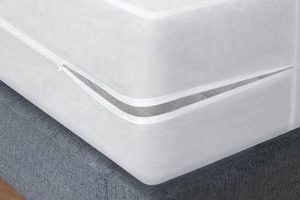
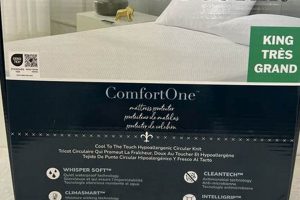
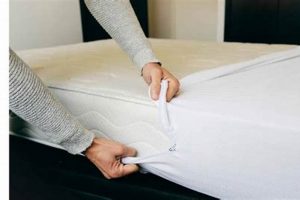
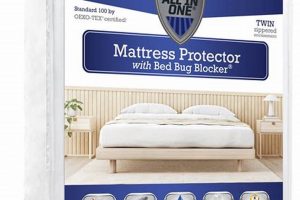
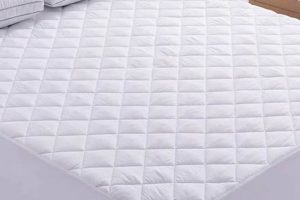
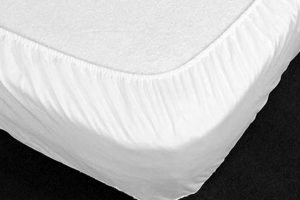
A barrier designed to shield a mattress from liquids and stains, typically constructed with a waterproof membrane, requires specific cleaning methods to maintain its protective qualities and longevity. This type of bedding accessory prevents spills, bodily fluids, and other contaminants from penetrating the mattress, thereby prolonging its lifespan and maintaining a hygienic sleep environment. Correct cleaning ensures continued performance and prevents damage to the waterproof layer.
Employing a protective layer offers several advantages, including safeguarding against allergens and dust mites, which can accumulate within mattresses. The use of a barrier also contributes to preserving the warranty of the mattress, as many warranties are voided by stains or liquid damage. Historically, efforts to protect mattresses involved simple coverings; modern waterproof materials provide superior performance and ease of care.
Proper care involves understanding washing instructions, selecting appropriate detergents, drying effectively, and addressing specific stain removal techniques. The following sections will detail these procedures to ensure the continued utility and cleanliness of this important bedding item.
Cleaning Waterproof Mattress Barriers
The effectiveness and lifespan of a waterproof mattress barrier depend significantly on proper cleaning techniques. Adhering to these guidelines ensures optimal hygiene and continued protection for the underlying mattress.
Tip 1: Consult the Care Label: Always refer to the manufacturer’s instructions on the care label before washing. These instructions provide specific guidance regarding water temperature, detergent type, and drying methods suitable for the particular material composition.
Tip 2: Use Mild Detergent: Harsh chemicals can damage the waterproof membrane. A mild, hypoallergenic detergent is recommended to preserve the integrity of the protective layer and minimize potential skin irritation.
Tip 3: Wash on a Gentle Cycle: A gentle wash cycle minimizes stress on the seams and waterproof layer. High agitation can compromise the barrier’s effectiveness over time.
Tip 4: Avoid Bleach and Fabric Softeners: Bleach can degrade the waterproof coating, and fabric softeners can leave a residue that reduces breathability. Neither should be used during washing.
Tip 5: Tumble Dry on Low Heat: High heat can melt or distort the waterproof material. Tumble drying on a low-heat setting, or even air drying, is preferable. Ensure the barrier is completely dry before placing it back on the mattress to prevent mildew growth.
Tip 6: Promptly Address Stains: Treat stains as soon as possible. Gently blot the affected area with a clean cloth and a mild stain remover. Avoid vigorous rubbing, which can damage the waterproof layer.
Tip 7: Inspect Regularly for Damage: Check the barrier for any tears, punctures, or deterioration. Addressing minor damage promptly can prevent it from worsening and compromising the barrier’s effectiveness.
Proper cleaning safeguards the mattress from spills, allergens, and dust mites, contributing to a healthier sleeping environment. The longevity and effectiveness of this protective layer depend on consistent and appropriate care.
The final section will address specific stain removal techniques and advanced care considerations to maintain the barrier’s protective properties.
1. Membrane Integrity

The ability of a waterproof mattress protector to perform its intended function hinges directly on the integrity of its waterproof membrane. This membrane, typically a thin layer of polyurethane or similar material, acts as the primary barrier against liquids and contaminants. Washing practices must prioritize maintaining this integrity to ensure the protector’s continued effectiveness.
- Detergent Selection and Membrane Degradation
Aggressive detergents containing harsh chemicals can accelerate the breakdown of the waterproof membrane. These chemicals can cause the membrane to become brittle, crack, or delaminate from the underlying fabric. Opting for mild, enzyme-free detergents is essential to minimize this risk. Examples include detergents specifically formulated for delicate fabrics or those labeled as hypoallergenic and free of dyes and perfumes. Damage to the membrane leads to diminished waterproof capabilities.
- Water Temperature and Membrane Stability
Elevated water temperatures during washing can compromise the structural stability of the membrane. Excessive heat can cause the membrane to soften, stretch, or even melt, leading to permanent damage and loss of waterproof properties. Utilizing cold or lukewarm water settings is recommended to preserve membrane integrity. The selection of appropriate water temperature is crucial in preserving the original protective quality of the membrane.
- Agitation Intensity and Physical Stress
High levels of agitation during the wash cycle can subject the membrane to significant physical stress. This stress can result in tears, punctures, or abrasion of the membrane, particularly at seams and edges. Employing a gentle or delicate wash cycle with reduced agitation minimizes the risk of physical damage. The use of gentle cycles and avoiding harsh brushes can lead to the effective life span of the protector.
- Drying Methods and Thermal Damage
The application of high heat during the drying process poses a significant threat to membrane integrity. Excessive heat can cause the membrane to shrink, distort, or even melt, resulting in a loss of waterproof properties and overall protector functionality. Air drying or tumble drying on a very low heat setting is the recommended approach to mitigate thermal damage. The drying methods used determine whether or not a membrane’s integrity will be maintained.
Maintaining the waterproof membrane’s integrity is vital for the proper functioning of a mattress protector. Neglecting the above precautions during cleaning can lead to premature degradation of the membrane, rendering the protector ineffective and necessitating frequent replacements. A systematic and cautious approach to the washing process, as described, can extend the lifespan and efficacy of the protector.
2. Breathability Retention

Breathability retention in a waterproof mattress protector is directly linked to the washing methods employed. While the waterproof membrane inherently restricts airflow, quality protectors are designed with breathable materials to mitigate heat and moisture buildup. Improper washing techniques can compromise this breathability, negating the benefits of the design.
The accumulation of detergent residue within the fabric and membrane pores is a primary cause of reduced breathability. Conventional detergents, particularly those with heavy perfumes or fabric softeners, can leave a film that blocks airflow. High water temperatures can also cause the breathable fibers to constrict or degrade, further reducing permeability. In practical terms, a protector washed improperly may become hot and uncomfortable, leading to disrupted sleep and increased perspiration. This creates a less hygienic sleeping environment and potentially accelerates the degradation of the mattress itself. Correct washing routines, using mild detergents and cooler temperatures, are thus essential for preserving breathability.
Maintaining breathability requires careful selection of cleaning agents and adherence to gentle washing procedures. Ignoring these considerations results in a less comfortable and potentially less hygienic sleep surface, ultimately diminishing the value and function of the protector. Regular, yet mindful, laundering is key to maximizing the lifespan and performance of the mattress protector, particularly in terms of breathability.
3. Delicate Materials

The construction of many waterproof mattress protectors incorporates delicate materials alongside the waterproof membrane to enhance comfort and breathability. These materials often require specialized care during washing to prevent damage and maintain the protector’s intended function.
- Surface Fabrics and Fiber Degradation
Many protectors utilize delicate surface fabrics like bamboo rayon, Tencel, or microfibers for their softness and moisture-wicking properties. Aggressive washing can cause these fibers to break down, leading to pilling, loss of softness, or diminished moisture management. Mild detergents and gentle wash cycles are essential to minimize fiber degradation and preserve the fabric’s texture and performance.
- Waterproof Membrane Lamination and Delamination
The waterproof membrane is often laminated to a fabric backing using adhesives. Harsh chemicals or excessive heat during washing can weaken these adhesives, leading to delamination of the membrane from the fabric. This separation compromises the waterproof barrier and renders the protector ineffective. Following care label instructions regarding water temperature and detergent type is crucial to prevent delamination.
- Seam Construction and Tearing
The seams of a mattress protector are particularly vulnerable during washing. Delicate materials used in the protector’s construction may be prone to tearing or unraveling at the seams if subjected to high agitation or stress. A gentle wash cycle and avoiding overloading the washing machine can help protect the seams from damage.
- Elastic Bands and Loss of Elasticity
Many protectors feature elastic bands to secure them to the mattress. These bands are often made from delicate rubber or synthetic materials that can lose their elasticity if exposed to high heat or harsh chemicals. Washing in cold water and air drying or tumble drying on a low heat setting can help preserve the elasticity of these bands, ensuring a secure fit.
The presence of delicate materials necessitates a cautious approach to laundering a waterproof mattress protector. Adhering to the manufacturer’s care instructions and employing gentle washing techniques are crucial for maintaining the integrity of these materials and prolonging the life of the protector. Failure to do so can result in damage to the protector, compromising its effectiveness and comfort.
4. Seam Protection

Seam protection is a critical element in maintaining the waterproof integrity and overall lifespan of a mattress protector during washing. The seams, where different pieces of fabric are joined, represent inherently weaker points in the structure. During the wash cycle, these areas are subjected to stress from agitation, water pressure, and the weight of the wet material. Insufficient seam protection can lead to unraveling, tearing, or separation of the fabric layers, compromising the waterproof barrier. A common example is the failure of seams along the edges or corners of the protector, resulting in leaks and diminished effectiveness. Therefore, understanding and implementing strategies for seam protection are integral to ensuring the longevity and functionality of a protector.
Effective seam protection during washing involves several key considerations. First, the use of a gentle wash cycle is essential to minimize the stress on the seams. Overloading the washing machine should be avoided, as this increases the force exerted on the seams during agitation. Furthermore, it is advisable to use a mesh laundry bag to encase the protector, providing an additional layer of protection against abrasion and entanglement with other items. The choice of detergent also plays a role; harsh chemicals can weaken the seam threads and adhesive, leading to premature failure. Mild, pH-neutral detergents are preferable. Finally, careful handling during the drying process is important. High heat can weaken the seam adhesives, so low-heat or air-drying methods are recommended. Some premium protectors incorporate reinforced seams or specialized stitching to enhance their durability. The effectiveness of a protector’s seams is often a direct reflection of manufacturing quality and design choices.
In summary, seam protection is a non-negotiable aspect of proper washing practices for waterproof mattress protectors. Neglecting this consideration can lead to seam damage, compromising the waterproof barrier and shortening the lifespan of the protector. By adopting gentle washing techniques, employing protective laundry bags, selecting appropriate detergents, and exercising caution during drying, consumers can significantly extend the functional life of their mattress protectors and ensure continued protection against spills and allergens. The implementation of these seam protection measures should be viewed as an investment in the longevity and hygiene of the sleeping environment.
5. Coating Preservation

Coating preservation is paramount when addressing the question of appropriate washing protocols for waterproof mattress protectors. The waterproof coating, typically a polyurethane layer, is the functional component safeguarding the mattress. Its integrity directly correlates to the protector’s continued effectiveness. Therefore, washing methods must prioritize maintaining the coating’s structure and properties.
- Detergent Selection and Coating Degradation
Aggressive detergents containing bleach, enzymes, or optical brighteners can accelerate the breakdown of the waterproof coating. These substances may cause the coating to become brittle, peel, or lose its waterproof characteristics. Mild, pH-neutral detergents formulated for delicate fabrics are recommended to minimize the risk of coating degradation. Such detergents clean effectively while preserving the integrity of the waterproof layer.
- Water Temperature and Coating Stability
Elevated water temperatures during the wash cycle can compromise the coating’s stability. Excessive heat may cause the coating to soften, stretch, or even melt, leading to permanent damage and loss of waterproof properties. Washing in cold or lukewarm water is advisable to protect the coating from thermal damage. Controlling water temperature is a critical factor in preserving the coating’s performance.
- Agitation Intensity and Coating Abrasion
High levels of agitation during washing can subject the coating to abrasion and physical stress. This can lead to micro-tears or thinning of the coating, reducing its waterproof effectiveness. A gentle wash cycle minimizes the risk of physical damage. The use of a laundry bag further protects the coating from direct contact with other items in the washing machine.
- Drying Methods and Thermal Stress
High-heat drying poses a significant threat to coating preservation. Direct exposure to high temperatures in a dryer can cause the coating to shrink, crack, or delaminate from the underlying fabric. Air drying or tumble drying on a low-heat setting is recommended to minimize thermal stress. Ensuring the protector is completely dry before reuse is essential to prevent mildew growth.
The careful selection of washing methods, with an emphasis on coating preservation, is essential for maintaining the waterproof functionality and extending the lifespan of a mattress protector. Neglecting these considerations can result in premature coating degradation, rendering the protector ineffective and necessitating frequent replacements. A consistent approach to gentle laundering, adhering to manufacturer instructions, is therefore a prudent investment in the hygiene and longevity of the bedding system.
6. Waterproof Layer

The waterproof layer is the core functional component of a mattress protector designed to prevent liquid penetration and maintain a hygienic sleep surface. The efficacy of this layer dictates the overall utility of the protector, and thus, profoundly influences the specific care requirements associated with “how to wash mattress protector waterproof.” Ineffective or improper washing techniques can compromise the integrity of this layer, rendering the protector useless. For example, using harsh detergents containing bleach can degrade the waterproof membrane, diminishing its capacity to repel liquids. Similarly, excessively high temperatures during washing or drying can melt or warp the waterproof material, creating breaches in the protective barrier. Therefore, an understanding of the material composition of the waterproof layer typically polyurethane or a similar synthetic is fundamental to selecting appropriate washing methods.
The type of waterproof layer also influences the washing frequency. Some protectors feature a more robust, albeit less breathable, waterproof layer that can withstand more frequent wash cycles without significant degradation. Conversely, others employ a thinner, more breathable membrane that is more susceptible to damage and requires gentler, less frequent cleaning. Real-world examples illustrate this distinction. A protector used in a household with young children or pets, where spills are more likely, might benefit from a thicker, more durable waterproof layer and a washing protocol designed to accommodate more frequent cleaning. Conversely, a protector used by an adult with no history of spills may require less frequent washing with a focus on preserving the breathability of the material.
In conclusion, the “how to wash mattress protector waterproof” is inextricably linked to the properties and vulnerability of the waterproof layer itself. Understanding the composition and limitations of this layer is crucial for selecting appropriate washing techniques that will maintain its integrity and prolong the life of the protector. Improper washing, guided by a lack of understanding of the waterproof layer’s needs, can quickly negate the protector’s function, necessitating premature replacement and potentially exposing the mattress to damage. Therefore, prioritizing the preservation of the waterproof layer should be the guiding principle in determining appropriate cleaning strategies.
7. Heat Sensitivity
Heat sensitivity is a critical factor to consider when determining appropriate washing procedures. The materials used in waterproof mattress protectors, particularly the waterproof membrane itself, are often susceptible to damage from elevated temperatures. Therefore, understanding the heat sensitivity of these materials is essential for preserving the protector’s integrity and lifespan.
- Membrane Composition and Thermal Degradation
The waterproof membrane is commonly composed of polyurethane or similar synthetic polymers. These materials exhibit varying degrees of heat sensitivity. Exposure to high temperatures can cause the polymer chains to break down, leading to softening, stretching, or even melting of the membrane. This degradation compromises its waterproof properties and can result in permanent damage. Therefore, washing instructions typically advise against using hot water or high-heat drying cycles.
- Adhesive Bonds and Delamination
The waterproof membrane is often adhered to a fabric backing using heat-sensitive adhesives. Excessive heat during washing or drying can weaken these adhesive bonds, causing the membrane to delaminate from the fabric. Delamination compromises the structural integrity of the protector and reduces its ability to effectively block liquids. Lower temperatures help preserve the adhesion and prevent premature failure.
- Elastic Components and Loss of Elasticity
Many protectors utilize elastic bands to ensure a snug fit on the mattress. These elastic components are also susceptible to heat damage. Exposure to high temperatures can cause the elastic to lose its elasticity, resulting in a loose or ill-fitting protector. Reduced elasticity diminishes the protector’s ability to stay in place, potentially exposing the mattress to spills and stains. Cold water washing and low-heat drying help maintain the elasticity of these components.
- Fabric Shrinkage and Distortion
The fabric layers of a mattress protector, particularly those made from natural fibers like cotton, can shrink when exposed to high heat. This shrinkage can distort the shape of the protector and cause it to fit improperly on the mattress. Furthermore, differential shrinkage between the fabric and the waterproof membrane can create stress points that lead to tearing or delamination. Cold water washing and air drying minimize the risk of fabric shrinkage and distortion.
In conclusion, the heat sensitivity of the materials used in waterproof mattress protectors necessitates careful consideration when selecting washing procedures. High temperatures can cause a range of damage, including membrane degradation, adhesive failure, loss of elasticity, and fabric shrinkage. Adhering to recommended washing instructions, which typically emphasize cold water and low-heat or air drying, is crucial for preserving the protector’s waterproof properties, structural integrity, and overall lifespan. A deliberate approach to temperature management during washing is thus fundamental to maintaining the protector’s effectiveness and value.
Frequently Asked Questions
The following questions address common concerns and misconceptions regarding the proper cleaning of waterproof mattress protectors. The information provided aims to ensure optimal maintenance and longevity of these bedding accessories.
Question 1: Can all waterproof mattress protectors be machine washed?
While most modern protectors are machine washable, consulting the manufacturer’s care label is imperative. Specific materials or construction techniques may necessitate hand washing or specialized cleaning methods to prevent damage.
Question 2: What water temperature is recommended for washing?
Cold or lukewarm water is generally advised. High heat can compromise the waterproof membrane and elastic components, leading to shrinkage, delamination, or loss of elasticity.
Question 3: Are specific detergents required?
Mild, hypoallergenic detergents are preferable. Harsh chemicals, bleach, and fabric softeners can degrade the waterproof coating and leave residue that diminishes breathability.
Question 4: Is tumble drying permissible?
Tumble drying on a low-heat setting is acceptable for many protectors. However, air drying is the safest option to minimize the risk of heat damage. Ensure the protector is thoroughly dry before placing it back on the mattress to prevent mildew growth.
Question 5: How frequently should a waterproof mattress protector be washed?
Washing frequency depends on usage and potential exposure to spills or allergens. Generally, washing every 1-2 months is sufficient for routine maintenance. More frequent washing may be necessary in cases of spills or heavy soiling.
Question 6: Can stains be pre-treated?
Stains should be addressed promptly. Gently blot the affected area with a clean cloth and a mild stain remover. Avoid vigorous rubbing, which can damage the waterproof layer. Always test the stain remover on an inconspicuous area first.
These FAQs provide a fundamental understanding of proper washing techniques. Adhering to these guidelines will help preserve the protective qualities and extend the lifespan of the mattress protector.
The subsequent section will summarize key takeaways and offer concluding remarks regarding the importance of proper maintenance.
Maintaining Protection
The preceding discussion has thoroughly explored various facets of proper cleaning protocols. Key aspects emphasize the importance of gentle washing cycles, appropriate detergent selection, and controlled drying temperatures to safeguard the waterproof membrane. Consistent adherence to these guidelines ensures the continued efficacy of this critical bedding component.
Diligent application of these techniques represents a direct investment in both hygiene and mattress longevity. Prioritizing correct washing protocols is not merely a matter of cleanliness, but a proactive measure to protect and extend the lifespan of a valuable household asset.