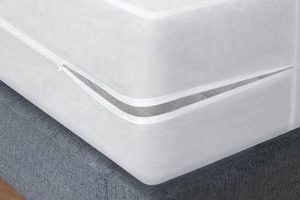
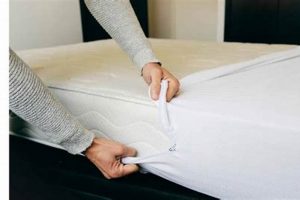
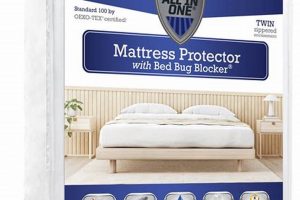
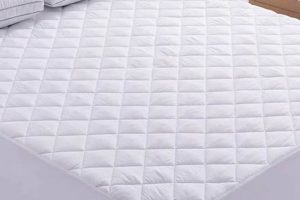
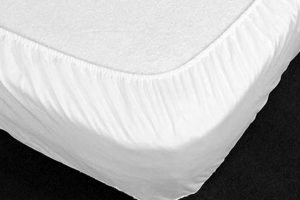
The process of cleaning a moisture-resistant bed covering is a task requiring specific techniques to preserve its protective qualities. This typically involves using a washing machine with a gentle cycle, cold or lukewarm water, and a mild detergent. High heat and harsh chemicals can compromise the waterproof membrane, diminishing its ability to shield the mattress from spills and stains.
Maintaining a clean sleep environment is crucial for hygiene and health. Regular cleaning of this protective layer helps prevent the accumulation of dust mites, allergens, and bacteria, promoting a more restful and sanitary sleeping experience. Furthermore, proper care extends the life of both the protector and the underlying mattress, representing a cost-effective approach to bedding maintenance.
Understanding the specific manufacturer guidelines is paramount before initiating the washing process. Subsequent sections will detail the recommended steps for laundering, drying, and overall care to ensure the longevity and effectiveness of this essential bedding item.
Essential Washing Recommendations
The following guidelines provide crucial information for the proper cleaning and maintenance of moisture-resistant mattress coverings, ensuring both hygiene and longevity of the product.
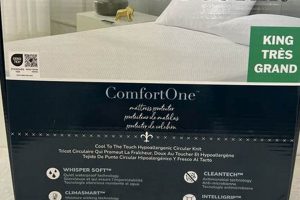
Tip 1: Consult the Manufacturer’s Label: Prior to any washing procedure, carefully review the manufacturer’s instructions for specific cleaning recommendations. Variances in material composition necessitate adherence to these tailored guidelines.
Tip 2: Utilize a Gentle Detergent: Employ a mild, hypoallergenic detergent free from harsh chemicals, bleach, or fabric softeners. These additives can degrade the waterproof layer and compromise its effectiveness.
Tip 3: Select a Delicate Wash Cycle: Opt for a gentle or delicate wash cycle with cold or lukewarm water. High heat can damage the protective membrane and lead to shrinkage.
Tip 4: Avoid Overloading the Washing Machine: Ensure sufficient space within the washing machine to allow for proper rinsing and prevent excessive friction, which can harm the waterproof coating.
Tip 5: Tumble Dry on Low Heat or Air Dry: When drying, use the lowest heat setting on the dryer or, ideally, air dry the covering. Prolonged exposure to high heat can melt or warp the waterproof barrier.
Tip 6: Ensure Complete Dryness Before Use: Prior to placing the protector back on the mattress, verify that it is completely dry. Trapped moisture can lead to mold or mildew growth.
Tip 7: Periodically Check for Damage: Regularly inspect the mattress covering for any tears, punctures, or signs of wear. Promptly address any damage to maintain its protective function.
Following these directives preserves the integrity of the mattress protector and ensures a clean and healthy sleep environment.
In conclusion, the mindful application of these washing techniques will contribute to the extended lifespan and continued functionality of the protective bed covering.
1. Gentle Detergent

The selection of detergent is a critical element in the procedure for cleaning a waterproof mattress protector. Harsh detergents, characterized by the presence of strong chemicals, enzymes, or bleach, pose a direct threat to the integrity of the waterproof membrane. This membrane, typically composed of polyurethane or a similar synthetic material, acts as a barrier against liquids and allergens. Exposure to harsh detergents can lead to the degradation of this protective layer, causing it to crack, peel, or lose its waterproof properties. The use of a “gentle detergent” becomes, therefore, not merely a suggestion but a prerequisite for preserving the functionality of the mattress protector.
A “gentle detergent,” in this context, refers to a cleaning agent formulated with mild surfactants and devoid of aggressive chemicals. These detergents effectively lift dirt and stains without compromising the waterproof barrier. For example, detergents labeled “for delicates” or “hypoallergenic” often fall into this category. Failure to use such a detergent can result in premature failure of the protector, requiring replacement and negating the initial investment in waterproof bedding. Furthermore, residue from harsh detergents can remain embedded in the fabric, potentially causing skin irritation or allergic reactions, especially for individuals with sensitive skin.
In summary, the relationship between a “gentle detergent” and the effective cleaning of a waterproof mattress protector is causal and direct. The former is essential for the latter’s success and longevity. Choosing the appropriate detergent directly impacts the product’s ability to perform its intended function of safeguarding the mattress. The long-term economic and health benefits of utilizing a “gentle detergent” far outweigh any perceived convenience or cost savings associated with using more aggressive cleaning agents.
2. Cold Water

The implementation of cold water in the cleaning regimen of a waterproof mattress protector is predicated on its ability to mitigate thermal damage to the constituent waterproof layer. Elevated water temperatures, such as those encountered in warm or hot wash cycles, induce expansion and subsequent contraction of the synthetic materials comprising the protective membrane. This thermal cycling can lead to the gradual weakening and eventual delamination of the waterproof coating, thus diminishing its efficacy in preventing liquid penetration. Cold water washing, conversely, minimizes these thermal stresses, thereby preserving the structural integrity and extending the functional lifespan of the protector. For instance, consistent hot water washing may cause a polyurethane layer to peel away from the fabric backing, rendering the protector useless after only a few washes.
Moreover, the utilization of cold water offers ancillary benefits beyond mere material preservation. Cold water washing reduces energy consumption compared to warm or hot water cycles, contributing to a lower environmental footprint and reduced utility costs. Furthermore, certain stains, particularly those of biological origin such as blood or urine, are more effectively removed with cold water, as heat can cause these stains to set into the fabric. A practical example involves attempting to remove a bloodstain from a mattress protector; cold water washing, coupled with a gentle stain remover, often yields superior results compared to a hot water wash.
In summation, the correlation between cold water and the sustained performance of a waterproof mattress protector is both demonstrable and significant. The use of cold water serves not only to protect the waterproof membrane from thermal degradation but also offers environmental and stain removal advantages. Therefore, adherence to cold water washing protocols is a critical component in the proper care and maintenance of waterproof mattress protectors, ensuring their continued effectiveness in safeguarding the underlying mattress.
3. Delicate Cycle

The selection of the delicate cycle on a washing machine is a key determinant in the effective and safe laundering of a waterproof mattress protector. Its role is to minimize mechanical stress on the fabric and waterproof membrane, thereby preventing damage and prolonging the protector’s lifespan.
- Reduced Agitation
A delicate cycle employs significantly less agitation than normal or heavy-duty cycles. This reduction in tumbling and friction minimizes the risk of abrasion and tearing of the waterproof layer. For example, aggressive agitation can cause the waterproof coating to separate from the fabric backing, rendering the protector ineffective.
- Slower Spin Speed
The spin cycle extracts water from the washed item. A delicate cycle utilizes a slower spin speed, which reduces the centrifugal force acting upon the protector. High spin speeds can stretch and distort the waterproof membrane, leading to cracks and tears. An instance of this would be observing the protector becoming misshapen or exhibiting stress marks after a wash cycle employing high spin speeds.
- Gentler Water Action
The delicate cycle often incorporates a gentler water fill and drain process. This avoids sudden shocks to the fabric and waterproof membrane. Rapid water expulsion can create undue pressure, potentially weakening the waterproof bond. The gradual introduction and removal of water during a delicate cycle contributes to a more controlled and less stressful wash environment.
- Protection of Waterproofing
Ultimately, the use of a delicate cycle serves to protect the waterproofing properties of the mattress protector. By minimizing mechanical stress and physical strain, it ensures that the membrane remains intact and continues to provide an effective barrier against liquids and allergens. Neglecting this precaution can result in premature failure of the protector and compromise its intended function.
The facets described above collectively underscore the importance of using a delicate cycle when cleaning a waterproof mattress protector. This practice is not merely a suggestion but a necessary step in preserving the integrity of the product and ensuring its continued effectiveness in safeguarding the mattress.
4. Low Heat Drying
The employment of low heat drying techniques is a critical component in the proper cleaning and maintenance of a waterproof mattress protector. The implementation of this method is essential for preserving the structural integrity and functional properties of the waterproof membrane.
- Preventing Membrane Degradation
High heat can compromise the waterproof membrane, commonly made of polyurethane or similar materials. Elevated temperatures can cause the membrane to melt, warp, or delaminate from the fabric backing, thus negating its protective capabilities. For instance, exposing a protector to high dryer heat settings may result in visible cracking or peeling of the waterproof layer, rendering it ineffective against spills.
- Minimizing Fabric Shrinkage
Excessive heat can induce shrinkage in the fabric component of the mattress protector. Shrinkage alters the dimensions of the protector, potentially making it difficult to properly fit the mattress. A protector that has shrunk may pull at the seams, increasing the risk of tears and further compromising its function. A real-world example involves a protector that no longer fully covers the mattress after being dried on high heat, leaving portions of the mattress exposed.
- Preserving Elasticity
Many mattress protectors incorporate elasticized edges or straps to secure them to the mattress. High heat can damage or degrade these elastic components, causing them to lose their elasticity and effectiveness. This results in a loose or ill-fitting protector that may shift during sleep, reducing its protective capacity. An instance of this would be a protector whose elastic straps have become brittle and snapped after repeated high-heat drying cycles.
- Extending Product Lifespan
By minimizing the risk of damage to the waterproof membrane, fabric, and elastic components, low heat drying significantly extends the overall lifespan of the mattress protector. This translates to a more cost-effective solution for mattress protection over time. Failure to adhere to low heat drying recommendations can lead to premature product failure, necessitating more frequent replacements.
The facets detailed above underscore the importance of low heat drying as an integral element in the care and maintenance of a waterproof mattress protector. Employing this technique effectively safeguards the protector’s various components, ensuring its continued ability to protect the mattress and provide a sanitary sleep environment. Neglecting this precaution can result in diminished performance and a shortened lifespan for the product.
5. Avoid Bleach
The proscription against the use of bleach in the cleaning of waterproof mattress protectors is a critical guideline, stemming from the inherent vulnerability of the protector’s materials to the corrosive properties of this chemical.
- Degradation of Waterproof Membrane
The primary reason to avoid bleach is its destructive effect on the waterproof membrane. Bleach, a potent oxidizing agent, can break down the chemical bonds within the synthetic materials (typically polyurethane or vinyl) that constitute the waterproof layer. This degradation can lead to the membrane becoming brittle, cracked, or even dissolving over time, thereby compromising its ability to prevent liquid penetration. The consequences of this degradation are significant, as the mattress is then exposed to potential spills, stains, and allergens, negating the protector’s intended purpose.
- Discoloration and Fabric Weakening
Beyond the waterproof membrane, bleach can also damage the fabric components of the mattress protector. It can cause discoloration, fading, or even weakening of the fibers, especially in protectors made from natural materials like cotton. This weakening can lead to tears or holes in the fabric, further compromising the protector’s integrity and exposing the mattress. The visual impact of discoloration also diminishes the protector’s aesthetic appeal, even if the structural damage is not immediately apparent.
- Irritation and Allergic Reactions
Even after thorough rinsing, trace amounts of bleach can remain embedded in the fabric of the mattress protector. These residual chemicals can cause skin irritation, allergic reactions, or respiratory problems, particularly for individuals with sensitivities to chlorine-based products. This is especially concerning for infants and young children, who are more susceptible to the effects of chemical exposure. Thus, the health risks associated with bleach residue necessitate its avoidance.
- Compromised Stain Resistance
Counterintuitively, while bleach is often used as a stain remover, its application to a waterproof mattress protector can actually reduce its stain resistance in the long run. The degradation of the waterproof membrane and fabric weakening caused by bleach create microscopic pores and fissures where stains can more easily penetrate and become trapped. This makes future stain removal more difficult, ultimately shortening the protector’s lifespan and increasing the likelihood of permanent damage to the underlying mattress.
In summary, the avoidance of bleach in the washing of waterproof mattress protectors is not merely a cautionary note but a fundamental requirement for maintaining the product’s integrity, effectiveness, and the health of those who use it. The detrimental effects of bleach on the waterproof membrane, fabric, and potential for residual irritation far outweigh any perceived benefits it might offer as a cleaning agent.
6. Check Label

The instruction to “Check Label” is inextricably linked to the topic of how to wash a waterproof mattress protector. The manufacturer’s label serves as the primary source of information regarding the specific care requirements for a given protector. Disregarding this information can lead to damage, reduced effectiveness, or even complete ruin of the product. The materials used in waterproof mattress protectors vary widely, and each material type possesses unique cleaning sensitivities. For example, a protector with a polyurethane membrane may require different washing temperatures and drying methods compared to one utilizing a vinyl coating. Thus, “Check Label” represents the foundational step in ensuring proper cleaning and maintenance.
The practical significance of adhering to the label’s instructions is readily apparent in various scenarios. If a label specifies “cold water only,” using hot water can cause the waterproof membrane to delaminate, effectively destroying the protector’s ability to prevent liquid penetration. Similarly, if the label prohibits the use of chlorine bleach, ignoring this warning can lead to discoloration and degradation of the fabric, as previously discussed. In each instance, the act of checking the label and heeding its advice serves as a preventative measure against potential damage. Furthermore, some labels may recommend specific detergents or cleaning agents that are best suited for the protector’s materials, optimizing cleaning efficacy and longevity.
In conclusion, the imperative to “Check Label” is not merely a suggestion but an essential prerequisite for successfully washing a waterproof mattress protector. The manufacturer’s label provides tailored guidance that minimizes the risk of damage and maximizes the product’s lifespan. Failure to consult the label represents a critical oversight that can result in costly replacements and compromised protection of the underlying mattress. Thus, “Check Label” serves as the cornerstone of any responsible and effective mattress protector cleaning protocol.
Frequently Asked Questions
The following questions address common inquiries and misconceptions regarding the proper cleaning procedures for waterproof mattress protectors.
Question 1: How frequently should a waterproof mattress protector be laundered?
The frequency of laundering depends on usage and potential exposure to spills or allergens. Generally, washing every one to two months is advisable. More frequent washing may be necessary if spills occur or if the sleeper suffers from allergies.
Question 2: Is it permissible to use fabric softener when washing a mattress protector?
The use of fabric softener is generally discouraged. Fabric softener can leave a residue on the waterproof membrane, potentially diminishing its breathability and water-resistant properties.
Question 3: Can a waterproof mattress protector be ironed?
Ironing is not recommended. The heat from an iron can damage or melt the waterproof membrane, rendering the protector ineffective. If wrinkles are a concern, consider placing the protector on the mattress immediately after drying.
Question 4: What should be done if a stain persists after washing?
For persistent stains, pre-treating the affected area with a mild stain remover is recommended. Ensure that the stain remover is compatible with the protector’s materials, as indicated on the manufacturer’s label. Avoid harsh chemicals or abrasive scrubbing.
Question 5: How should a waterproof mattress protector be stored when not in use?
The protector should be stored in a clean, dry place, away from direct sunlight. Folding the protector neatly can help prevent creases and wrinkles. Avoid storing it in airtight containers, as this can trap moisture and promote mold growth.
Question 6: What is the best method for removing odors from a waterproof mattress protector?
If odors persist after washing, consider adding a cup of white vinegar to the wash cycle. Vinegar acts as a natural deodorizer and can help eliminate lingering smells. Ensure that the protector is thoroughly rinsed to remove any residual vinegar.
In summary, proper adherence to cleaning guidelines ensures the longevity and continued effectiveness of the waterproof mattress protector.
The subsequent section will detail specific recommendations for dealing with common types of stains.
Conclusion
This exploration of how to wash waterproof mattress protector has underscored the importance of careful adherence to specific cleaning protocols. The use of gentle detergents, cold water, and delicate wash cycles, coupled with low heat or air drying, are critical factors in preserving the integrity of the waterproof membrane and extending the protector’s lifespan. The avoidance of harsh chemicals, such as bleach, is equally crucial to prevent damage and ensure user safety.
Consistent application of these washing techniques will contribute to a cleaner, healthier sleep environment and protect the underlying mattress from spills and allergens. Understanding and implementing these guidelines represents a responsible investment in the longevity and effectiveness of this essential bedding item.