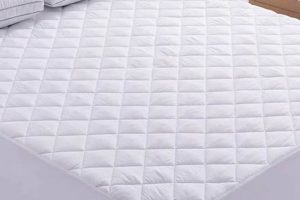
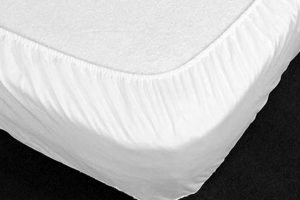
A flexible, impermeable layer designed to shield a sleeping surface from liquids, allergens, and bed bugs constitutes a barrier between the mattress and the user. These coverings are often made from polyvinyl chloride (PVC) and serve as a preventative measure against damage and contamination. For example, in healthcare settings, these protectors are essential for maintaining hygiene standards and preventing the spread of infection.
The utilization of such protective coverings offers several significant advantages. They enhance mattress longevity by preventing staining and degradation from moisture, thereby reducing the frequency of replacement. Historically, these products emerged as a cost-effective solution for extending the life of mattresses in environments where sanitation is paramount. Their adoption has contributed to improved hygiene and reduced healthcare costs associated with mattress replacement.
The subsequent sections will delve into specific features, applications, and maintenance considerations of these coverings, providing a comprehensive overview of their role in mattress protection and hygiene management. This will encompass discussions on material composition, cleaning procedures, and suitability for different environments.
Essential Guidance on Polyvinyl Chloride Mattress Protection
The following guidance addresses the selection, application, and maintenance of mattress coverings constructed from polyvinyl chloride (PVC), emphasizing their role in hygiene and mattress preservation.
Tip 1: Selection Based on Thickness: Prioritize thicker gauge materials for increased durability and resistance to tearing. Thinner gauges may be more susceptible to damage, reducing their protective efficacy.
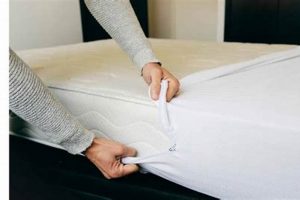
Tip 2: Ensure Proper Fit: A snug fit is crucial to prevent shifting and bunching, which can compromise the protective barrier. Measure the mattress accurately and select a covering with dimensions that precisely match.
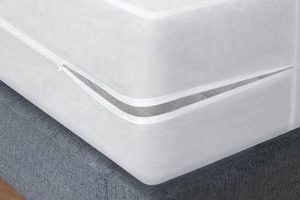
Tip 3: Prioritize Encasement Styles: Encasement models, which fully enclose the mattress, offer superior protection against bed bugs and allergens compared to fitted sheet styles. Consider the environment and potential risks when selecting a style.
Tip 4: Implement Regular Cleaning Protocols: Establish a routine for cleaning the PVC covering with a mild detergent and water solution. Thoroughly dry the surface after cleaning to prevent mildew growth.
Tip 5: Inspect for Damage Regularly: Conduct periodic inspections for tears, punctures, or seam failures. Promptly repair or replace damaged coverings to maintain their protective function.
Tip 6: Consider Breathability in Specific Applications: While PVC is impermeable, consider the use of alternatives or additional layers when prolonged patient contact is anticipated to mitigate potential discomfort associated with limited breathability.
Tip 7: Disposal Considerations: Adhere to local regulations regarding the disposal of PVC products. Inquire about recycling options or responsible disposal methods to minimize environmental impact.
Adhering to these guidelines will optimize the performance and lifespan of PVC mattress coverings, ensuring a consistently hygienic and protected sleeping environment.
The subsequent section will explore advanced materials and innovative designs in mattress protection, providing insights into emerging trends and technologies in this field.
1. Impermeable Barrier

The function of an impermeable barrier is central to the utility of a mattress covering manufactured from polyvinyl chloride (PVC). This characteristic is foundational to its role in safeguarding the mattress core from contaminants.
- Liquid Resistance
Polyvinyl chloride, by its inherent structure, prevents the passage of liquids. This attribute is crucial in environments where spills, incontinence, or bodily fluids are prevalent. In healthcare facilities, the prevention of fluid absorption into the mattress mitigates the risk of bacterial growth and cross-contamination.
- Allergen Protection
The barrier prevents allergens, such as dust mites and pet dander, from penetrating the mattress fibers. This is particularly beneficial for individuals with allergies or respiratory sensitivities. By encapsulating the mattress, the covering reduces allergen exposure and promotes a healthier sleep environment.
- Bed Bug Prevention
A defect-free PVC covering can prevent bed bugs from infesting a mattress. Bed bugs require harborage within the mattress to breed and thrive. An impermeable barrier denies them access, disrupting their life cycle and mitigating the risk of infestation. Regular inspection for tears or punctures is essential to maintain this protective function.
- Stain Prevention
The barrier prevents stains from setting into the mattress fabric. Once a stain penetrates the mattress, it can be difficult or impossible to remove, leading to discoloration and potential degradation of the mattress material. The barrier allows for easy cleaning of spills and prevents long-term staining, maintaining the mattress’s aesthetic appeal and extending its lifespan.
The multifaceted impermeable nature of PVC coverings directly contributes to hygiene, mattress longevity, and a healthier sleeping environment. Its application extends across diverse settings, including hospitals, nursing homes, and residential environments where mattress protection is a priority.
2. Easy Sanitation

The ease with which a mattress covering can be sanitized is a primary consideration in environments where hygiene is paramount. Polyvinyl chloride (PVC) offers inherent properties that facilitate rapid and effective cleaning procedures, contributing to infection control and overall environmental cleanliness.
- Non-Porous Surface
The non-porous nature of PVC prevents the absorption of liquids and contaminants. This surface characteristic allows for the removal of spills, bodily fluids, and other substances with standard cleaning agents. The absence of pores eliminates potential reservoirs for bacterial growth and simplifies the sanitation process.
- Compatibility with Disinfectants
PVC demonstrates compatibility with a range of disinfectants commonly used in healthcare and institutional settings. The material resists degradation from exposure to chemicals such as bleach, alcohol-based solutions, and quaternary ammonium compounds, ensuring effective sanitation without compromising the integrity of the covering.
- Wipe-Down Cleaning Protocol
The smooth surface of PVC facilitates a simple wipe-down cleaning protocol. This method minimizes the time and resources required for sanitation. A clean cloth and appropriate disinfectant solution are typically sufficient to remove surface contaminants and maintain a hygienic environment.
- Reduced Labor Requirements
Compared to traditional mattress cleaning methods, PVC coverings significantly reduce labor requirements. The ability to quickly and effectively sanitize the surface minimizes the need for extensive scrubbing or specialized cleaning equipment. This efficiency contributes to cost savings and improved operational efficiency in high-demand environments.
The combination of these factors underscores the integral role that easy sanitation plays in the selection of PVC mattress coverings. The ability to maintain a clean and hygienic sleep surface contributes to reduced risk of infection, improved patient outcomes, and a more efficient cleaning process. The selection and implementation of appropriate cleaning protocols are essential to maximize the benefits of these coverings.
3. Cost-Effectiveness

The economic advantages associated with mattress coverings of polyvinyl chloride (PVC) stem from a combination of factors that directly influence the lifecycle cost of mattresses and related healthcare or hospitality expenses. The long-term financial implications of utilizing these coverings warrant careful consideration in budgeting and procurement decisions.
- Extended Mattress Lifespan
Protection from fluids, stains, and physical damage significantly prolongs the usable life of mattresses. Reducing the frequency of mattress replacement translates directly into lower capital expenditures for healthcare facilities, hotels, and other institutions that maintain large inventories of beds. For instance, a hospital experiencing high rates of mattress contamination may realize substantial savings by implementing a PVC covering program, thereby mitigating the need for frequent replacements.
- Reduced Cleaning Expenses
The impermeable nature of PVC simplifies cleaning and disinfection procedures, reducing labor costs associated with mattress maintenance. Spills and stains can be easily wiped away, minimizing the need for intensive cleaning processes or specialized equipment. This efficiency translates into lower operational expenses for institutions responsible for maintaining sanitary sleeping environments. Consider a nursing home where staffing resources are limited; the ease of cleaning PVC coverings can significantly reduce the burden on housekeeping staff.
- Lower Risk of Infestation
Prevention of bed bug infestations through the use of encasement-style PVC coverings can avert significant financial losses associated with pest control measures, mattress disposal, and potential liability claims. Remediation of bed bug infestations can be costly and disruptive, involving professional pest control services and temporary relocation of residents or patients. By preventing initial infestation, PVC coverings offer a proactive approach to cost containment. Hotels, in particular, stand to benefit from this preventative measure, as bed bug infestations can severely damage their reputation and result in lost revenue.
- Minimized Allergen Exposure
For individuals with allergies, reducing exposure to dust mites and other allergens within the mattress can lead to decreased healthcare costs associated with allergy management. Fewer allergy-related symptoms may result in reduced doctor visits, prescription medication use, and missed days of work or school. While quantifying these savings can be challenging, the potential for improved health outcomes and reduced healthcare expenditures contributes to the overall cost-effectiveness of PVC coverings.
The cumulative effect of these factors underscores the cost-effectiveness of PVC mattress coverings. While the initial investment may be higher than that of unprotected mattresses, the long-term benefits in terms of reduced replacement costs, cleaning expenses, and potential health-related expenditures can result in significant financial advantages for a variety of institutions and individuals. A comprehensive cost-benefit analysis should be conducted to assess the specific financial implications of utilizing these coverings in a given context.
4. Allergen Control

Effective allergen management in the sleep environment necessitates strategic interventions to mitigate exposure to common triggers. The integration of a specific barrier can significantly reduce the presence of allergens within the mattress core, contributing to improved indoor air quality and reduced sensitization among susceptible individuals.
- Impermeable Barrier to Dust Mites
Dust mites, microscopic arthropods that thrive in bedding, are a primary source of allergens in the sleep environment. The impermeable nature of the vinyl mattress protector prevents dust mites from colonizing the mattress fibers. By denying them access to their primary food source (shed human skin cells), the protector effectively reduces dust mite populations and subsequent allergen production within the mattress.
- Prevention of Allergen Accumulation
Mattresses, over time, accumulate a complex mixture of allergens, including pet dander, mold spores, and pollen. A vinyl mattress protector creates a physical barrier that prevents these allergens from penetrating the mattress fabric. This reduces the overall allergen burden within the mattress and simplifies cleaning procedures, as allergens remain on the surface of the protector and can be easily removed.
- Simplified Cleaning and Allergen Removal
The smooth, non-porous surface of a vinyl mattress protector allows for easy cleaning and allergen removal. Unlike mattresses, which require specialized cleaning methods to remove allergens, the protector can be wiped down with a damp cloth and mild detergent to remove surface contaminants. This simple cleaning protocol helps to maintain a low-allergen sleep environment and reduces the need for professional mattress cleaning services.
- Reduction of Mold and Mildew Growth
Moisture accumulation within a mattress can promote the growth of mold and mildew, both of which are potent allergens. The impermeable barrier of a vinyl mattress protector prevents moisture from penetrating the mattress, thereby inhibiting mold and mildew growth. This is particularly beneficial in humid climates or in situations where spills or accidents are likely to occur.
The multifaceted approach to allergen control facilitated by a vinyl mattress protector contributes to a healthier sleep environment. By preventing allergen accumulation, reducing dust mite populations, and simplifying cleaning procedures, these coverings provide a practical and effective means of minimizing allergen exposure and improving indoor air quality. The implementation of such protective measures is particularly relevant for individuals with allergies, asthma, or other respiratory sensitivities.
5. Bed Bug Prevention

The role of mattress coverings in mitigating bed bug infestations is a significant consideration for property managers, healthcare facilities, and homeowners. Polyvinyl chloride (PVC) mattress protectors offer a specific approach to bed bug prevention, acting as a physical barrier that disrupts the insect’s life cycle and harborage opportunities.
- Encapsulation and Barrier Properties
A properly installed PVC mattress protector fully encases the mattress, preventing bed bugs from accessing the inner fibers. The impermeable nature of the material denies bed bugs harborage within the mattress itself, thereby reducing breeding and nesting sites. Regular inspection and maintenance are necessary to ensure the integrity of the barrier is maintained.
- Detection Facilitation
The smooth, light-colored surface of many PVC mattress protectors simplifies the detection of bed bugs or their fecal matter. Early detection is crucial for effective pest control. Visual inspection of the surface can reveal signs of infestation, prompting timely intervention. This contrasts with the difficulty of detecting bed bugs within the complex layers of a mattress.
- Prevention of Mattress Infestation Spread
In the event of an existing bed bug infestation in a room, a PVC mattress protector can prevent the insects from colonizing a previously uninfested mattress. The protector acts as a containment measure, limiting the spread of the infestation to other furniture or areas. This containment facilitates targeted treatment and reduces the overall scope of the infestation.
- Resistance to Penetration
While not impervious to all damage, PVC provides a level of resistance against bed bug penetration. The tight weave of the material, when intact, makes it difficult for bed bugs to bite through or burrow into the mattress. However, tears or punctures can compromise this protection, highlighting the importance of regular inspections and prompt repairs.
The preventative effects of PVC mattress protectors are contingent upon proper installation, ongoing maintenance, and integration with a comprehensive pest management strategy. While these protectors offer a significant deterrent, they are not a standalone solution and should be combined with other preventative measures, such as regular inspections, vacuuming, and professional pest control services when necessary.
Frequently Asked Questions
The following section addresses common inquiries regarding the use, maintenance, and efficacy of vinyl mattress protectors, providing factual and objective responses to enhance understanding.
Question 1: What is the expected lifespan of a vinyl mattress protector?
The lifespan is contingent upon usage intensity and maintenance practices. Under typical residential conditions, a protector can last from one to five years. Commercial or healthcare settings may experience reduced lifespans due to increased wear and tear. Regular inspection for damage and adherence to cleaning protocols are essential for maximizing longevity.
Question 2: Can a vinyl mattress protector be effectively cleaned?
Surface cleaning with a mild detergent and damp cloth is the recommended procedure. Harsh chemicals or abrasive cleaners should be avoided to prevent material degradation. Thorough drying after cleaning is crucial to prevent mold or mildew growth. Spot cleaning may address minor stains, but persistent or significant soiling may necessitate replacement.
Question 3: Does a vinyl mattress protector alter the comfort of the mattress?
A subtle change in mattress feel may occur, primarily due to the non-breathable nature of vinyl. This can lead to increased heat retention. The degree of comfort alteration is subjective and varies based on individual sensitivity and the thickness of the protector. The use of a mattress pad atop the protector can mitigate this effect.
Question 4: Is a vinyl mattress protector suitable for individuals with allergies?
Vinyl protectors offer a barrier against dust mites and other allergens, making them suitable for allergy sufferers. The protector should fully encase the mattress to prevent allergen penetration. Regular cleaning is essential to remove surface allergens. Individuals with vinyl sensitivities should consider alternative hypoallergenic mattress protectors.
Question 5: Are vinyl mattress protectors fire-resistant?
While vinyl inherently possesses some degree of flame retardancy, it is not universally fire-resistant. Regulatory standards for fire safety vary by region. Compliance with applicable fire safety regulations should be verified before purchasing or utilizing a vinyl mattress protector in commercial or institutional settings.
Question 6: Can a vinyl mattress protector prevent bed bug infestations?
When properly installed and maintained, a vinyl mattress protector can significantly reduce the risk of bed bug infestation. The protector must fully encase the mattress and remain free of tears or punctures. Regular inspection and prompt repair of any damage are essential. A vinyl mattress protector is a component of a comprehensive bed bug prevention strategy, not a standalone solution.
In summary, vinyl mattress protectors provide effective protection against liquids, allergens, and pests, but require diligent maintenance and adherence to recommended cleaning practices for optimal performance and longevity.
The subsequent section will explore alternative mattress protection options, including those made from different materials and offering varying levels of breathability and comfort.
Conclusion
This article has explored the role of coverings in mattress protection, encompassing their composition, benefits, and limitations. These products offer a practical barrier against fluids, allergens, and pests, contributing to extended mattress lifespan and improved hygiene, with careful attention to product selection, proper installation, and regular maintenance is paramount to realizing their intended protective functions.
The decision to utilize coverings should be based on a comprehensive assessment of individual needs and environmental factors. Further research and consideration of alternative materials and designs may lead to enhanced performance and sustainability in mattress protection strategies. The ultimate objective remains the preservation of mattress integrity and the promotion of a healthy sleep environment.