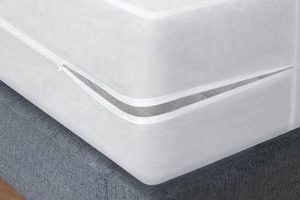
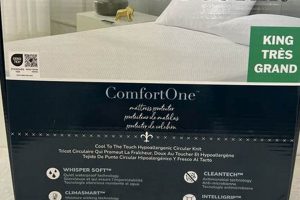
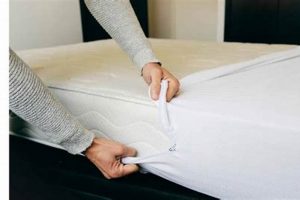
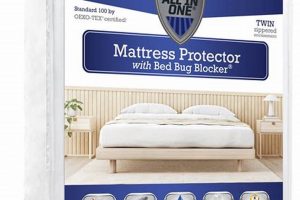
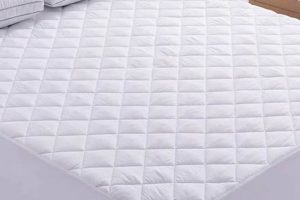
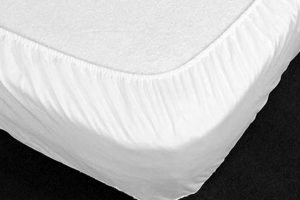
The question of whether both a mattress pad and a mattress protector are necessary for optimal bedding is a common consideration for individuals seeking to maximize the lifespan and comfort of their mattress. A mattress protector serves primarily as a barrier against liquids, stains, dust mites, and allergens, preventing these elements from penetrating the mattress itself. A mattress pad, conversely, offers an additional layer of cushioning and comfort, altering the feel of the mattress surface.
Employing both items yields synergistic benefits. The protector safeguards the investment in the mattress, maintaining its warranty and hygiene. The pad enhances comfort, potentially mitigating pressure points and improving sleep quality. Historically, bedding protection focused solely on preventing soiling, but modern materials science has expanded the functionality to include allergen control and thermal regulation. The combined use of a protector and a pad represents a comprehensive approach to mattress care and sleep enhancement.
The following sections will delve into the specific functions of mattress protectors and pads, evaluating their individual contributions to mattress longevity, hygiene, and overall sleep experience. This exploration will allow for a well-informed decision regarding the necessity of each item in a bedding arrangement.
Selecting Mattress Protection
The following recommendations offer guidance on choosing appropriate mattress protection to ensure a clean, comfortable, and durable sleep surface. Considering individual needs and priorities is crucial in determining whether both a mattress pad and a mattress protector are warranted.
Tip 1: Assess Protection Needs: Evaluate the primary concern. If safeguarding against spills and allergens is paramount, a waterproof mattress protector is essential. If enhancing comfort is the primary goal, a mattress pad with desired cushioning qualities should be prioritized.
Tip 2: Prioritize Waterproofing: Opt for a waterproof protector, especially for children’s beds or individuals prone to spills. Look for protectors made with polyurethane or other waterproof membranes that prevent liquids from seeping into the mattress.
Tip 3: Consider Material Composition: Mattress pads and protectors are available in various materials, including cotton, memory foam, and synthetic blends. Consider the material’s breathability, hypoallergenic properties, and ease of care.
Tip 4: Check for a Secure Fit: Ensure that the mattress protector and pad fit snugly and securely on the mattress. Fitted protectors and pads with deep pockets are less likely to shift during sleep, providing consistent protection and comfort.
Tip 5: Evaluate Comfort Enhancements: If seeking added comfort, explore mattress pads with features such as fiberfill, memory foam, or down alternatives. These materials can provide pressure relief and improve sleep quality.
Tip 6: Read Reviews and Compare Products: Before purchasing, research different brands and models of mattress protectors and pads. Read customer reviews to gain insights into the products’ performance, durability, and value.
Tip 7: Maintain Cleanliness Regularly: Regardless of whether a pad or protector is used, regular cleaning is vital. Wash protectors according to the manufacturer’s instructions to maintain their effectiveness and hygiene.
These guidelines provide a framework for making informed decisions about mattress protection. By addressing specific needs and considering the features of available products, one can ensure optimal mattress care and enhanced sleep quality.
The subsequent sections will provide a summary that encapsulates the arguments on whether both a protector and pad are necessary, or whether one can suffice.
1. Hygiene Maintenance

Hygiene maintenance in the context of mattresses directly relates to safeguarding the sleep environment against contaminants and promoting a healthy rest surface. The effectiveness of hygiene practices depends on the application of suitable protective measures.
- Fluid Barrier Protection
Mattress protectors, particularly those with waterproof membranes, provide a vital barrier against bodily fluids such as sweat, urine, and blood. These fluids can penetrate the mattress, creating a breeding ground for bacteria and mold. The protector’s ability to block these fluids preserves the mattress’s integrity and cleanliness. Incontinence situations exemplify the necessity of this fluid barrier.
- Allergen Mitigation
Mattress pads and protectors act as a barrier against dust mites, a common allergen. Dust mites thrive in mattresses, feeding on dead skin cells. By encasing the mattress, these coverings limit the mites’ access to their food source and reduce allergen exposure. Individuals with allergies or asthma often find significant relief from using hypoallergenic protectors and pads.
- Stain Prevention
Stains not only detract from the appearance of a mattress but also can indicate the presence of contaminants. Mattress protectors prevent stains from occurring, preserving the mattress’s resale value and preventing the need for professional cleaning. Spilled beverages or accidental food debris can easily stain an unprotected mattress.
- Odor Control
The accumulation of moisture and bacteria within a mattress can lead to unpleasant odors. Mattress protectors, particularly those with antimicrobial properties, help control odor by inhibiting the growth of odor-causing microorganisms. Regular use of a protector can significantly reduce the likelihood of musty or stale odors developing within the mattress.
The above facets underscore the importance of mattress protectors and, to a lesser extent, mattress pads in hygiene maintenance. While pads offer a degree of surface cleanliness, the primary defense against fluids, allergens, and odors lies with the mattress protector. The decision to employ both should be guided by the specific need for enhanced protection and sanitation within the sleep environment.
2. Comfort Enhancement
The notion of “Comfort Enhancement,” when evaluating mattress protection, involves augmenting the subjective sleep experience beyond mere hygiene and preservation. It considers how layers atop a mattress contribute to factors such as pressure relief, temperature regulation, and overall tactile satisfaction. Determining if both a pad and a protector are required often hinges on the desired level of comfort modification.
- Pressure Point Alleviation
Mattress pads, typically thicker than protectors, often incorporate materials like memory foam or fiberfill designed to distribute weight more evenly. This redistribution reduces concentrated pressure on areas such as the shoulders and hips, potentially alleviating discomfort and improving sleep quality. Individuals experiencing pain or stiffness may benefit significantly from the added cushioning.
- Temperature Regulation
Certain mattress pads are constructed with materials that promote airflow and wick away moisture, contributing to temperature regulation during sleep. Materials such as breathable cotton or specialized synthetic blends can help prevent overheating and maintain a more consistent sleep environment. This is particularly relevant for individuals who tend to sleep hot or reside in warmer climates. A basic mattress protector, while essential, does not typically offer this benefit.
- Surface Feel Modification
The surface feel of a mattress can significantly impact sleep comfort. A mattress pad can alter a mattress’s feel, making a firm mattress feel softer or providing a plusher surface. Individuals seeking a specific texture or level of firmness can use a pad to customize their sleep surface. A protector primarily functions to safeguard the mattress and does not generally change its inherent feel.
- Noise Reduction
Some mattresses can generate noise when shifting positions during sleep. A mattress pad can act as a buffer, absorbing some of this movement and reducing noise. This is particularly beneficial for light sleepers or individuals sharing a bed. While not the primary function, the added layer of a pad can contribute to a quieter sleep environment.
These considerations highlight the role of mattress pads in comfort enhancement, a domain largely separate from the protective functions of a mattress protector. The decision to employ both should stem from a desire to actively modify the sleep surface to achieve a higher level of comfort beyond what a mattress alone can provide. For those primarily concerned with hygiene and mattress preservation, a protector may suffice. However, if comfort is a key priority, a pad becomes a valuable addition.
3. Mattress Warranty
The presence and validity of a mattress warranty often play a crucial role in the decision regarding whether additional protective measures, such as a mattress pad and/or a mattress protector, are necessary. Warranty terms frequently dictate the required conditions for maintaining coverage, potentially influencing purchasing choices.
- Stain Protection Requirements
Many mattress warranties explicitly state that the presence of stains, regardless of origin, will void the warranty. This provision emphasizes the importance of a mattress protector as a preventative measure. A protector acts as a barrier, preventing liquids and other substances from reaching the mattress and causing irreparable staining. Without adequate stain protection, any defect in the mattress, even if unrelated to the stain, may not be covered under the warranty.
- Liquid Damage Exclusion
Mattress warranties commonly exclude damage resulting from liquid spills or moisture penetration. This exclusion underscores the need for a waterproof mattress protector. Even seemingly minor spills can seep into the mattress core, leading to mold growth and structural damage. A waterproof protector mitigates this risk, preserving the warranty and extending the mattress’s lifespan. It is important to note that a mattress pad alone typically does not offer sufficient liquid protection.
- Approved Accessory Stipulations
Some mattress manufacturers specify that only certain types of mattress protectors or pads are approved for use without voiding the warranty. These stipulations may relate to the materials used in the protector or pad, its thickness, or its breathability. Failure to comply with these stipulations can result in the warranty becoming invalid. It is therefore crucial to consult the warranty documentation and adhere to the manufacturer’s guidelines when selecting mattress accessories.
- Maintenance and Care Directives
Mattress warranties often include directives regarding proper maintenance and care, such as regular rotation and cleaning. While these directives may not directly relate to the use of a mattress protector or pad, they highlight the importance of adhering to the manufacturer’s recommendations to maintain warranty coverage. Neglecting these directives can be grounds for warranty denial, even if a protector or pad is in use.
In conclusion, the terms of a mattress warranty frequently necessitate the use of a mattress protector, particularly one that is waterproof and stain-resistant. Adhering to the warranty’s stipulations regarding approved accessories and maintenance practices is essential for preserving coverage and maximizing the mattress’s lifespan. While a mattress pad may offer added comfort, it is often the mattress protector that serves as the primary safeguard against warranty-voiding damage.
4. Allergen Control

The management of allergens within the sleep environment is a critical consideration for individuals susceptible to respiratory sensitivities. The integration of mattress pads and mattress protectors plays a significant role in mitigating allergen exposure and fostering a more healthful sleep experience.
- Dust Mite Barrier
Mattress protectors, particularly those with tightly woven fabrics and impermeable membranes, serve as a physical barrier against dust mites. These microscopic organisms thrive in mattresses, feeding on shed skin cells and releasing allergenic proteins in their waste. Encasement effectively limits mite colonization and prevents allergens from migrating to the sleep surface. Without such a barrier, allergen concentrations can build over time, exacerbating respiratory symptoms and allergic reactions. The inclusion of a mattress pad beneath the protector may further enhance this barrier effect.
- Allergen Impermeability
Beyond dust mites, mattresses can accumulate other allergens, including pet dander, pollen, and mold spores. Mattress protectors constructed from hypoallergenic materials prevent these allergens from penetrating the mattress core. This impermeability is crucial in maintaining a cleaner sleep environment, particularly for individuals with seasonal allergies or pet sensitivities. While some mattress pads may possess hypoallergenic properties, they typically lack the full protective capabilities of a dedicated protector.
- Washability and Maintenance
The ability to regularly wash mattress protectors and pads is essential for maintaining allergen control. Frequent laundering removes accumulated allergens, preventing their build-up and reducing exposure. Select protectors and pads that are machine washable and dryer safe for ease of maintenance. Adherence to recommended washing instructions ensures the sustained effectiveness of these items in minimizing allergen levels within the sleep environment.
- Material Selection
The choice of materials for both mattress protectors and pads influences their effectiveness in allergen control. Opt for hypoallergenic materials, such as tightly woven cotton, microfiber, or synthetic blends. Avoid materials known to attract allergens or promote microbial growth. The selection of appropriate materials contributes to a healthier and more comfortable sleep environment for individuals with sensitivities.
The aforementioned considerations demonstrate that mattress protectors are a cornerstone of allergen control within the sleep environment. While mattress pads may contribute to comfort and some degree of allergen reduction, the primary defense against allergens lies with the protective barrier afforded by a mattress protector. The decision to utilize both should be guided by the severity of individual allergies and the desired level of environmental control.
5. Cost-Effectiveness

The cost-effectiveness of employing both a mattress pad and a mattress protector is a multifaceted consideration that extends beyond the initial purchase price. It involves assessing the long-term financial implications of mattress preservation, hygiene maintenance, and comfort enhancement in relation to the combined cost of these accessories.
- Mattress Longevity vs. Replacement Costs
The primary cost-effectiveness argument for using both a pad and a protector rests on the potential to extend the mattress’s lifespan. Mattresses represent a significant household investment. Premature degradation due to stains, spills, or wear necessitates replacement, incurring substantial expense. The combined protection offered by a pad and a protector can mitigate these risks, potentially delaying the need for replacement and offsetting the initial cost of the accessories. The degree of cost savings depends on the quality of the mattress and the extent to which the pad and protector prevent damage.
- Warranty Preservation and Repair Avoidance
As previously noted, many mattress warranties are contingent upon maintaining a stain-free and hygienic sleep surface. Failure to do so can void the warranty, leaving the owner responsible for repair or replacement costs, even in cases of manufacturing defects. Investing in a mattress pad and protector can safeguard the warranty, providing a financial safety net against unforeseen issues. Furthermore, the protective layers can minimize the need for professional cleaning or repair services, representing further cost savings.
- Hygiene-Related Health Expenses
The hygienic benefits of a mattress pad and protector can indirectly contribute to cost-effectiveness by reducing the likelihood of allergy-related health expenses. By minimizing dust mite populations and preventing the accumulation of allergens, these accessories can alleviate respiratory symptoms and reduce the need for medication or medical interventions. While difficult to quantify precisely, the potential for improved health and reduced healthcare costs is a relevant consideration.
- Upfront Investment vs. Long-Term Savings
The decision to purchase both a mattress pad and a protector involves an upfront investment. However, the long-term savings associated with mattress preservation, warranty protection, and potential health benefits can outweigh the initial cost. A cost-benefit analysis, considering the individual’s sleeping habits, environmental factors, and health sensitivities, can help determine whether the combined use of these accessories represents a cost-effective strategy.
In summary, the cost-effectiveness of using both a mattress pad and a protector hinges on a long-term perspective that considers the potential savings associated with mattress longevity, warranty preservation, hygiene maintenance, and health benefits. While an initial investment is required, the potential for offsetting these costs through reduced replacement expenses, repair avoidance, and improved health outcomes justifies the combined use of these accessories for many individuals.
Frequently Asked Questions
This section addresses common inquiries regarding the use of mattress pads in conjunction with mattress protectors. Clarification of these points aids in making informed decisions about bedding protection and comfort.
Question 1: Is a mattress protector truly necessary if a mattress pad is already in use?
While a mattress pad offers a degree of comfort and cushioning, it generally does not provide adequate protection against liquids, stains, and allergens. A dedicated mattress protector, particularly one with a waterproof membrane, is essential for safeguarding the mattress against these potential damages.
Question 2: Can a mattress pad fulfill the warranty requirements typically associated with mattress protectors?
Generally, no. Mattress warranties often stipulate the use of a waterproof mattress protector to prevent stains and liquid damage. A mattress pad alone typically does not meet these requirements, and its use without a protector may void the warranty.
Question 3: Are there specific types of mattresses that particularly benefit from the use of both a pad and a protector?
Mattresses made from materials that are difficult to clean, such as memory foam, or those that are particularly susceptible to damage from liquids and stains, benefit most from the combined use of a pad and a protector. Additionally, individuals with allergies or sensitivities often find relief from the enhanced allergen protection provided by both layers.
Question 4: How often should mattress pads and protectors be cleaned to maintain their effectiveness?
Mattress protectors should be washed every one to two months, or more frequently if spills or accidents occur. Mattress pads can be washed less frequently, typically every two to three months. Refer to the manufacturer’s instructions for specific cleaning recommendations.
Question 5: Do all mattress protectors offer the same level of protection, and how does one choose the most effective option?
Mattress protectors vary in their level of protection. Waterproof protectors with tightly woven fabrics offer the best defense against liquids, stains, and allergens. Look for protectors that are specifically labeled as waterproof and hypoallergenic. Reading customer reviews and comparing product specifications can also aid in selecting the most effective option.
Question 6: Is there a scenario where a mattress pad alone is sufficient without a protector?
In situations where the primary concern is enhancing comfort and there is minimal risk of spills or stains, a mattress pad alone may suffice. However, it is important to recognize that this approach forgoes the protective benefits afforded by a dedicated mattress protector, potentially compromising the mattress’s longevity and warranty.
The decision to utilize both a mattress pad and a protector is a personal one that should be based on individual needs, priorities, and risk tolerance. Understanding the specific benefits and limitations of each item is essential for making an informed choice.
The subsequent section will provide a concluding summary, consolidating the key points discussed regarding the necessity of a mattress pad in conjunction with a mattress protector.
Do I Need a Mattress Pad with a Mattress Protector?
The preceding sections have explored the multifaceted question of whether a mattress pad is necessary in conjunction with a mattress protector. The analysis indicates that while a mattress protector is typically essential for safeguarding the mattress against stains, liquids, allergens, and potential warranty invalidation, the necessity of a mattress pad depends on individual comfort preferences and specific needs. If the primary concern is enhancing comfort, modifying the mattress’s feel, or adding a layer of pressure relief, a mattress pad is a valuable addition. However, if the focus is solely on protecting the mattress and maintaining warranty compliance, a high-quality mattress protector may suffice.
Ultimately, the decision to employ both a pad and a protector represents a holistic approach to mattress care and sleep enhancement. Individuals should carefully consider their personal priorities, assess their risk tolerance, and weigh the potential benefits against the associated costs. Informed decision-making will result in a sleep environment that is both protected and conducive to restful sleep.