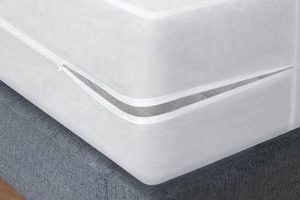
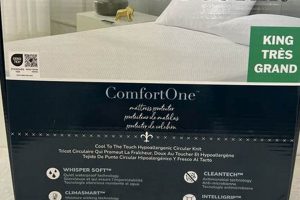
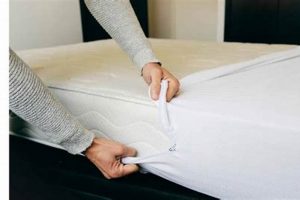
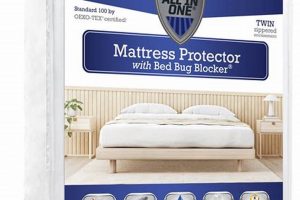
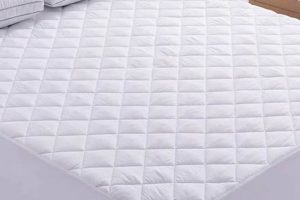
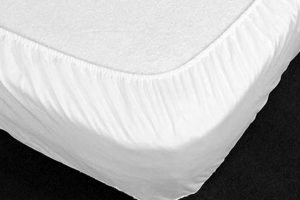
These encasements offer a complete barrier against allergens, bed bugs, dust mites, and fluids. They typically feature a zippered closure that fully encloses the mattress. As an example, consider individuals with allergies who seek comprehensive protection, or hotels aiming to safeguard their investment from potential infestations and spills.
Their value lies in their ability to extend the lifespan of a mattress by preventing damage from various sources. Historically, simpler mattress covers provided only limited protection, whereas these fully enclosed options represent a significant advancement in hygiene and preservation. They are particularly beneficial in environments where cleanliness and durability are paramount.
The following sections will delve into the different types of materials used in their construction, proper installation techniques, cleaning and maintenance guidelines, and key considerations when selecting an appropriate option for specific needs.
Essential Considerations for Zip Mattress Encasements
The selection and maintenance of these protective encasements are crucial for optimal performance and longevity. Careful attention to detail during the selection and care processes will maximize the benefits derived from their use.
Tip 1: Material Selection: Prioritize materials based on individual needs. For allergy sufferers, hypoallergenic fabrics are paramount. Consider waterproof options for situations where fluid protection is essential, such as for children or the elderly.
Tip 2: Accurate Sizing: Precise measurements of the mattress are necessary to ensure a snug and secure fit. An improperly sized encasement can compromise its protective capabilities.
Tip 3: Installation Technique: Employ proper installation techniques, ensuring the encasement is fully sealed around the mattress. Check the zipper closure for complete engagement to prevent gaps.
Tip 4: Regular Cleaning: Adhere to the manufacturer’s cleaning instructions. Consistent cleaning, typically involving washing and drying, is necessary to maintain hygiene and effectiveness.
Tip 5: Zipper Maintenance: Inspect the zipper regularly for damage. A malfunctioning zipper compromises the integrity of the encasement. Prompt repair or replacement is advised if issues arise.
Tip 6: Consider Breathability: If comfort is a concern, especially in warmer climates, opt for materials that promote breathability. This can help regulate temperature and prevent overheating during sleep.
Tip 7: Look for Certifications: Seek out encasements that have certifications related to allergen resistance or waterproof capabilities. These certifications provide an added level of assurance about the product’s performance.
Adherence to these guidelines will ensure the long-term effectiveness of the encasement in protecting the mattress and promoting a cleaner, healthier sleep environment. They maximize protection and longevity.
The subsequent sections will examine troubleshooting common issues and addressing frequently asked questions.
1. Complete Enclosure

Complete enclosure is a defining characteristic and functional imperative of a zip mattress protector. The zippered design enables the encasement to fully envelop the mattress, creating a sealed barrier. This is not merely a covering but a comprehensive defense mechanism. Without complete enclosure, the primary function of preventing allergen penetration, bed bug infestation, and fluid absorption would be significantly compromised. For example, a protector with gaps would allow dust mites to proliferate within the mattress core, negating its intended hypoallergenic properties.
The effectiveness of the zip closure mechanism is directly proportional to the integrity of the complete enclosure. A compromised zipper or poorly sealed seam renders the entire protector less effective. In practical application, consider the healthcare industry, where strict hygiene standards demand that mattresses are fully shielded from contaminants to prevent the spread of infection. Similarly, in residential settings, complete enclosure ensures a healthier sleep environment for individuals with allergies or sensitivities.
Therefore, the concept of complete enclosure is not merely a feature but the foundation upon which the zip mattress protector’s value proposition rests. Understanding its significance is crucial for both manufacturers in design considerations and for consumers in selecting appropriate products. Challenges remain in ensuring consistent manufacturing quality and providing clear instructions for proper installation and maintenance, emphasizing the critical role of zipper integrity and seam construction.
2. Barrier Protection

Barrier protection constitutes a core function of zip mattress protectors. It defines their capacity to shield the mattress from a range of external factors that can compromise its hygiene and longevity. This defensive capability is paramount in various environments, from residential bedrooms to healthcare facilities.
- Fluid Impermeability
Fluid impermeability represents a critical aspect of barrier protection. Zip mattress protectors prevent liquids, such as spills and bodily fluids, from penetrating the mattress core. This is essential in preventing the growth of mold, mildew, and bacteria, which can thrive in damp environments. For instance, in hospitals, waterproof protectors safeguard mattresses from contamination, aiding infection control.
- Allergen Resistance
Allergen resistance is crucial for individuals with sensitivities. These protectors act as a barrier against dust mites, pet dander, and pollen, preventing them from accumulating within the mattress. By minimizing exposure to allergens, they contribute to improved indoor air quality and reduced allergic reactions. A practical example includes their use in homes with pets or allergy sufferers.
- Bed Bug Prevention
Bed bug prevention is a significant benefit of zip mattress protectors. The sealed encasement prevents bed bugs from infesting the mattress and provides no harbor for their eggs. This is particularly valuable in hotels and apartments, where bed bug infestations can be challenging to control. A preventative approach using protectors significantly reduces the risk of costly and disruptive infestations.
- Dust Mite Blocking
This benefit is essential for maintaining a hygienic sleep environment. These protectors create a barrier that stops dust mites and their waste products from permeating the mattress. Considering that dust mites are a major trigger for allergies and asthma, this blocking function is crucial for improving respiratory health. This feature is especially beneficial in nurseries and children’s bedrooms, where maintaining a clean and allergen-free sleeping surface is vital.
These diverse protective mechanisms collectively underscore the value of zip mattress protectors. Their ability to provide a robust barrier against a spectrum of threats ensures the mattress remains clean, hygienic, and durable, ultimately extending its lifespan and promoting a healthier sleep environment. The strategic use of these protectors, therefore, represents a proactive approach to maintaining both hygiene and mattress integrity.
3. Zippered Security
Zippered security represents the critical element that enables a zip mattress protector to fulfill its intended protective function. The effectiveness of the encasement as a barrier against allergens, bed bugs, and fluids hinges directly on the integrity and secure closure of its zipper system. A compromised zipper negates the protector’s purpose, allowing unwanted elements to penetrate the mattress core.
The secure closure achieved through a robust zipper mechanism provides a continuous, impermeable barrier. This design feature ensures that the mattress is fully encased, preventing infestations and fluid damage. For instance, in healthcare settings, where strict hygiene protocols are paramount, a malfunctioning zipper could lead to mattress contamination, increasing the risk of infection transmission. Similarly, in residential environments, a faulty zipper can compromise allergen protection, leading to respiratory issues for sensitive individuals.
Therefore, the quality and reliability of the zipper are indispensable to the performance of a zip mattress protector. The choice of zipper material, its construction, and its ease of use all contribute to the overall effectiveness of the product. Zippered security provides a safeguard, its functionality determines whether the claims of protection are realized. Challenges include ensuring durability over repeated use and addressing potential weaknesses in the zipper’s design. The industry has a responsibility to uphold the security features in their products.
4. Allergen Defense
Allergen defense is a critical attribute of zip mattress protectors, directly addressing the prevalence of indoor allergens and their impact on respiratory health and overall well-being. These encasements serve as a primary line of defense against common allergens found within the sleep environment.
- Dust Mite Barrier
Dust mites, microscopic organisms that thrive in mattresses, are a leading cause of allergic reactions and asthma. Zip mattress protectors create an impermeable barrier, preventing dust mites from colonizing the mattress core and restricting their allergenic waste products from reaching the sleeper. For instance, individuals with dust mite allergies often experience reduced symptoms, such as sneezing and congestion, upon using a protector.
- Pet Dander Containment
Pet dander, another potent allergen, easily accumulates in bedding. Zip mattress protectors prevent pet dander from embedding within the mattress fibers, simplifying its removal during routine cleaning. This is particularly relevant for pet owners seeking to minimize allergen exposure in the bedroom.
- Pollen Shielding
Pollen, carried indoors by air currents and clothing, can settle onto mattresses and trigger allergic reactions. Zip mattress protectors prevent pollen grains from penetrating the mattress, creating a less allergenic sleep surface. This benefit is especially valuable during peak pollen seasons.
- Mold Spore Inhibition
Mold spores, often present in humid environments, can proliferate within mattresses, especially if moisture is present. Waterproof zip mattress protectors prevent moisture from reaching the mattress, inhibiting mold growth and reducing the presence of allergenic mold spores. This is particularly important in damp climates or for individuals prone to night sweats.
These protective features collectively underscore the significance of zip mattress protectors in mitigating allergen exposure. By creating a physical barrier against dust mites, pet dander, pollen, and mold spores, these encasements contribute to a healthier sleep environment for allergy sufferers and those seeking to minimize their risk of allergic reactions. The strategic implementation of zip mattress protectors represents a proactive approach to allergen management within the home.
5. Bed Bug Prevention

The function of bed bug prevention is intrinsically linked to zip mattress protectors. Bed bugs, nocturnal insects that feed on human blood, can infest mattresses and create significant discomfort and sanitation concerns. A zip mattress protector acts as a physical barrier, preventing bed bugs from infesting the mattress core. The encasement’s sealed design denies the insects access to harborage within the mattress fibers. For example, in multi-unit dwellings such as apartment buildings, the risk of bed bug transmission between units is reduced when mattresses are protected with such encasements.
Furthermore, zip mattress protectors facilitate early detection and management of existing bed bug infestations. The smooth, light-colored surface of the encasement allows for easier visual inspection for bed bugs or their fecal matter. If an infestation is detected, the mattress protector can be removed, treated, and replaced, preventing the need to discard the entire mattress. Hotels, for example, employ zip mattress protectors as a proactive measure, minimizing the impact of potential infestations on their operations and guest satisfaction.
In summary, zip mattress protectors are an essential tool for bed bug prevention and management. Their ability to deny harborage, facilitate detection, and contain infestations makes them a valuable asset in various settings. While proper selection, installation, and maintenance are vital for effectiveness, the practical significance of zip mattress protectors in mitigating bed bug risks is well-established.
6. Fluid Resistance
Fluid resistance is a critical feature of zip mattress protectors, addressing the inevitable exposure of mattresses to liquids and the potential damage that can result. This property is crucial in maintaining hygiene, preventing the growth of mold and bacteria, and extending the lifespan of the mattress itself.
- Waterproof Membrane
The waterproof membrane is often the key component providing fluid resistance. This layer, typically made of polyurethane or similar materials, prevents liquids from penetrating the protector and reaching the mattress. Examples include protecting against spills from drinks, accidental wetting by children, or incontinence issues in elderly care. The membrane’s effectiveness is measured by its ability to withstand liquid exposure without leakage.
- Sealed Seams and Zipper
While the membrane provides the primary barrier, sealed seams and a waterproof zipper are vital for complete fluid resistance. Unsealed seams or a non-waterproof zipper can allow liquids to seep through, compromising the protector’s effectiveness. These elements are especially important in preventing fluid accumulation in the corners and along the edges of the mattress.
- Breathability Considerations
Effective fluid resistance must be balanced with breathability. A completely impermeable protector can trap moisture and heat, leading to discomfort. Many fluid-resistant protectors incorporate breathable materials that allow air to circulate while still blocking liquids. This feature enhances user comfort and prevents the buildup of moisture that can promote microbial growth.
- Cleaning and Maintenance
Proper cleaning and maintenance are essential for preserving fluid resistance. Regular washing according to the manufacturer’s instructions helps remove accumulated spills and stains, preventing them from compromising the waterproof membrane. Harsh chemicals and excessive heat during washing or drying can damage the membrane and reduce its effectiveness over time.
These integrated features collectively contribute to the fluid resistance of zip mattress protectors, safeguarding the mattress from damage and promoting a cleaner, healthier sleep environment. This functionality is vital in various settings, from households with children to healthcare facilities, ensuring that the mattress remains protected from spills and accidents.
7. Longevity Extension

The concept of longevity extension, as applied to mattresses, is intrinsically linked to the protective function of zip mattress protectors. These encasements serve as a primary defense against factors that contribute to mattress degradation, thereby prolonging its usable lifespan. The following points detail aspects of this relationship.
- Mitigation of Wear and Tear
Daily use subjects mattresses to considerable wear and tear. Body weight, movement, and friction contribute to compression and structural breakdown over time. Zip mattress protectors provide a barrier that minimizes these effects by distributing weight more evenly and reducing direct abrasion. This protection is similar to how a case protects a phone from scratches and impacts.
- Prevention of Internal Contamination
The accumulation of dust mites, allergens, and bodily fluids within a mattress can compromise its hygiene and structural integrity. These contaminants foster microbial growth and accelerate material breakdown. Zip mattress protectors create a sealed environment, preventing these substances from penetrating the mattress core. For instance, a protector can prevent sweat and skin cells from accumulating inside the mattress, which helps to maintain its freshness and structural integrity over the long term.
- Protection Against Stains and Odors
Stains and odors not only detract from the aesthetic appeal of a mattress but also indicate the presence of contaminants that can degrade its materials. Zip mattress protectors provide a barrier against spills, accidents, and odors, preventing them from permeating the mattress fabric. This protection helps to maintain the mattress’s appearance and prolong its perceived lifespan. For example, a protector can prevent a coffee spill from staining and permanently damaging the mattress.
- Reduced Need for Replacement
By addressing the factors that contribute to mattress degradation, zip mattress protectors ultimately reduce the need for frequent mattress replacements. This not only saves costs but also minimizes environmental impact by decreasing waste. The effectiveness translates to a prolonged period of utility. Consider it analogous to regular maintenance on a car, that extends the car’s usable life.
These properties collectively demonstrate the role of zip mattress protectors in extending the lifespan of mattresses. The protective barrier they provide addresses both hygienic concerns and physical wear, ultimately offering a cost-effective solution for preserving the integrity of the mattress over time.
Frequently Asked Questions
This section addresses common inquiries regarding zip mattress protectors, offering insights into their functionality, selection, and care.
Question 1: What is the primary benefit of using a zip mattress encasement?
The primary benefit is complete protection of the mattress from allergens, bed bugs, fluids, and dust mites, thus extending its lifespan and promoting a healthier sleep environment.
Question 2: How does one determine the correct size encasement for their mattress?
Accurate measurements of the mattress’s length, width, and depth are necessary. The encasement should match these dimensions to ensure a snug and secure fit.
Question 3: What materials are commonly used in the construction of these encasements, and what are their respective advantages?
Common materials include cotton, polyester, and polyurethane. Cotton offers breathability, polyester provides durability, and polyurethane delivers waterproofing.
Question 4: How often should a zip mattress encasement be cleaned?
Encasements should be cleaned regularly, typically every one to two months, or more frequently if spills or accidents occur. Adherence to the manufacturer’s instructions is essential.
Question 5: Can a zip mattress encasement completely eliminate bed bug infestations?
While encasements prevent bed bugs from infesting the mattress, they do not eliminate existing infestations within the surrounding environment. Integrated pest management strategies are required for complete eradication.
Question 6: Are all zip mattress encasements waterproof?
Not all encasements are waterproof. Those designed for fluid protection will feature a waterproof membrane. It is imperative to verify this specification when selecting an encasement for that purpose.
Proper selection and consistent maintenance will maximize the encasement’s benefits and ensure its long-term effectiveness.
The following section will address troubleshooting common issues and provide further insights into specific product features.
Concluding Observations on Zip Mattress Protectors
The preceding exploration has detailed the multifaceted benefits and considerations surrounding zip mattress protectors. These encasements provide a comprehensive defense against allergens, bed bugs, and fluids, extending the life of the mattress and promoting a healthier sleep environment. Their effectiveness hinges on careful selection, proper installation, and consistent maintenance, ensuring the integrity of the protective barrier.
Given the significant investment in sleep surfaces and the potential health implications of inadequate protection, the selection of an appropriate mattress encasement is a matter deserving of careful consideration. A proactive approach to mattress protection ensures long-term hygiene and reduces the potential for costly replacements or pest management interventions.