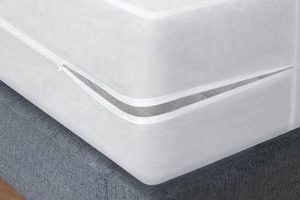
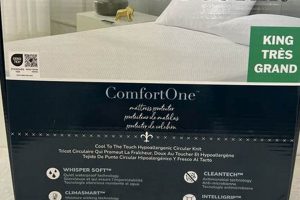
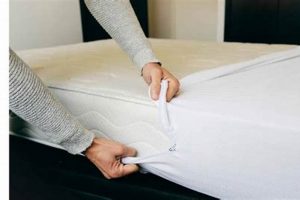
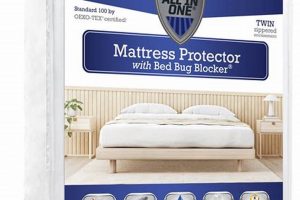
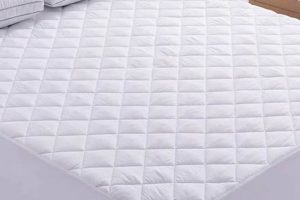
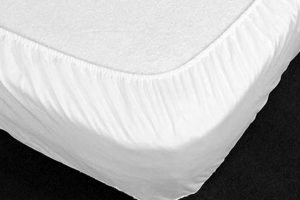
Reactions to bedding accessories designed to shield a sleeping surface can manifest as skin irritation, respiratory distress, or other hypersensitive responses. These reactions are triggered by materials used in the barrier’s construction, such as synthetic fabrics, chemical treatments, or accumulated allergens trapped within its layers. For instance, an individual might experience itching, sneezing, or difficulty breathing after prolonged contact with a newly purchased or improperly cleaned covering.
Addressing potential sensitivities stemming from these protective covers is vital for promoting restful sleep and maintaining overall well-being. Historically, concerns have revolved around dust mite proliferation in bedding, but contemporary understanding acknowledges the role of volatile organic compounds (VOCs) and specific material compositions in eliciting adverse reactions. Utilizing appropriate products contributes significantly to a healthier sleep environment, mitigating potential triggers and promoting improved respiratory health.
The subsequent sections will delve into the common causes of these hypersensitivities, identify potential symptoms, and outline strategies for selecting suitable and allergy-friendly bedding solutions. Further exploration will examine preventative measures, cleaning protocols, and alternative options to ensure a comfortable and healthy sleep experience for individuals prone to such reactions.
The following guidelines assist individuals seeking to minimize adverse reactions associated with impermeable bedding layers. Careful consideration of material composition and maintenance protocols can significantly mitigate potential irritants.
Tip 1: Material Selection: Opt for covers constructed from natural, breathable materials such as organic cotton, bamboo, or Tencel. These fabrics are less likely to contain irritating chemicals and promote airflow, reducing moisture buildup.
Tip 2: Avoidance of Synthetics: Minimize exposure to synthetic materials like vinyl or polyurethane. These materials can off-gas VOCs and may trigger hypersensitive responses in susceptible individuals.
Tip 3: Certification Verification: Seek products certified by reputable organizations such as Oeko-Tex Standard 100 or GOTS (Global Organic Textile Standard). These certifications ensure minimal chemical residues and adherence to stringent environmental standards.
Tip 4: Regular Cleaning: Maintain a rigorous cleaning schedule. Wash the cover frequently, adhering to the manufacturer’s instructions, using hypoallergenic detergents. High-temperature washing can effectively eliminate dust mites and other allergens.
Tip 5: Thorough Drying: Ensure the bedding encasement is completely dry before reuse. Residual moisture promotes mold and mildew growth, exacerbating respiratory sensitivities.
Tip 6: Allergen Barrier Properties: Investigate products specifically designed as allergen barriers. These products feature tightly woven fabrics that prevent dust mites and other allergens from penetrating the mattress.
Tip 7: Consider Professional Cleaning: For ingrained stains or lingering odors, consider professional cleaning services specializing in allergen removal. This ensures a deeper and more effective cleaning process.
Adhering to these recommendations minimizes the risk of adverse reactions, fostering a healthier sleep environment. By prioritizing material selection, maintenance, and certification, individuals can effectively manage potential triggers and enhance overall well-being.
The subsequent section will examine diagnostic approaches for identifying the root cause of bedding-related sensitivities, as well as explore alternative bedding configurations for individuals with persistent concerns.
1. Material Composition

The materials used in manufacturing a bedding encasement are fundamental in determining its potential to trigger adverse reactions. Hypersensitivity responses are often directly linked to specific fibers, coatings, or treatments applied during the manufacturing process. For example, a cover made primarily of synthetic latex may cause contact dermatitis in individuals with latex sensitivities. Similarly, polyvinyl chloride (PVC), frequently employed in waterproof barriers, can release volatile organic compounds (VOCs) that irritate the respiratory system and skin.
Understanding the material composition allows for targeted selection of appropriate products. Natural fibers like organic cotton, bamboo, and Tencel are generally considered hypoallergenic due to their breathability and reduced reliance on chemical treatments. Conversely, tightly woven microfiber fabrics can effectively block dust mites without relying on potentially irritating chemical coatings. A practical application of this knowledge involves carefully reviewing product labels and material specifications prior to purchase, actively seeking out certifications such as Oeko-Tex Standard 100, which indicates rigorous testing for harmful substances. Cases of alleviated allergic symptoms after switching from a synthetic cover to one made of organic cotton underscore the direct impact of material choice.
In summary, the materials constituting a bedding protector play a crucial role in its potential to elicit adverse reactions. By prioritizing natural, breathable fabrics and avoiding known irritants like PVC and synthetic latex, individuals can significantly reduce their risk of experiencing hypersensitivity symptoms. This proactive approach, combined with a commitment to certified products and transparent labeling, is essential for creating a sleep environment conducive to health and well-being. Challenges persist in accurately identifying all potential irritants, highlighting the importance of continued research and consumer awareness.
2. Chemical Treatments

Residues from chemical treatments applied during the manufacture of impermeable bedding layers represent a significant etiology in hypersensitivity responses. These treatments, intended to impart desirable characteristics such as stain resistance, fire retardancy, or antimicrobial properties, often involve substances known to elicit adverse reactions in susceptible individuals. Formaldehyde-based resins, commonly employed for wrinkle resistance, and perfluorinated compounds (PFCs), used for water repellency, are examples of such chemicals that can off-gas over time, leading to respiratory irritation, skin rashes, or systemic effects. The proximity of these treated surfaces to the respiratory system during sleep heightens the risk of exposure and subsequent sensitization.
The link between chemical treatments and adverse reactions is well-documented in scientific literature and substantiated by anecdotal evidence. For example, cases of allergic contact dermatitis attributed to specific dyes used in textile manufacturing have been reported. Similarly, the application of flame retardants containing organophosphates has been associated with neurological and endocrine disruption. The practical significance of this understanding lies in enabling informed consumer choices. Selecting products certified to be free of harmful chemicals, such as those bearing the Oeko-Tex Standard 100 label, provides a degree of assurance regarding minimal chemical residue. Furthermore, opting for natural, untreated materials where possible mitigates the risk of exposure to potentially sensitizing substances. Thorough washing of new bedding protectors before initial use can also help remove residual chemicals.
In summary, chemical treatments applied to mattress protectors are a critical factor in understanding and preventing hypersensitivity responses. The presence of formaldehyde, PFCs, and other potentially irritating substances can trigger a range of adverse effects. By prioritizing certifications, opting for natural materials, and implementing pre-use washing protocols, individuals can significantly reduce their exposure and minimize the risk of allergic reactions. Challenges remain in identifying and regulating all potentially harmful chemicals used in textile manufacturing, highlighting the ongoing need for research and stricter regulatory oversight to protect consumer health.
3. Dust Mite Accumulation

Dust mite accumulation within and around bedding accessories, specifically mattress protectors, frequently exacerbates hypersensitivity responses in susceptible individuals. These microscopic arthropods thrive in warm, humid environments and subsist on shed skin cells, rendering bedding an ideal habitat. The accumulation of dust mites, along with their allergenic fecal matter and body fragments, permeates the fabric of the protector and can trigger allergic rhinitis, atopic dermatitis, and asthma. For instance, an individual with a pre-existing dust mite sensitivity may experience increased nasal congestion, pruritus, or wheezing after prolonged exposure to a protector harboring a significant dust mite population. The protector, while intended to shield the mattress, paradoxically serves as a reservoir for these allergens if not properly maintained. This accumulation necessitates regular cleaning and proactive mitigation strategies to minimize exposure.
The design and material of the mattress encasement influence the extent of dust mite proliferation. Protectors constructed from tightly woven fabrics or incorporating allergen barrier technology effectively impede dust mite penetration and accumulation. However, protectors with porous weaves or those made of materials that retain moisture create a more hospitable environment for dust mites. Practical applications of this understanding include selecting protectors with a pore size small enough to prevent dust mite passage and implementing regular washing protocols. High-temperature laundering effectively eliminates dust mites and their allergens. Vacuuming the mattress and protector periodically also reduces surface accumulation. Furthermore, maintaining low humidity levels within the sleeping environment inhibits dust mite growth.
In summary, dust mite accumulation constitutes a significant component of hypersensitivity responses associated with mattress protectors. The accumulation of mites and their allergenic byproducts can trigger or exacerbate respiratory and dermatological conditions. Implementing appropriate selection criteria, regular cleaning protocols, and environmental controls are crucial for minimizing dust mite populations and mitigating associated allergic reactions. The challenge lies in consistently adhering to these preventative measures and addressing underlying environmental factors that contribute to dust mite proliferation, thereby promoting a healthier sleep environment.
4. VOC Off-gassing

Volatile Organic Compound (VOC) off-gassing from mattress protectors presents a significant contributor to adverse reactions, often categorized under the broader term of mattress protector hypersensitivity. These compounds, released from synthetic materials and chemical treatments, can irritate the respiratory system and skin, leading to a range of uncomfortable symptoms.
- Source Materials and Chemical Composition
Synthetic materials like polyurethane and vinyl, commonly used in waterproof mattress protectors, are prime sources of VOCs. Adhesives, flame retardants, and stain-resistant treatments also contribute to the emission of these compounds. For instance, a newly purchased protector might emit a distinct chemical odor, indicative of ongoing off-gassing. Prolonged exposure, especially in a poorly ventilated room, can trigger symptoms.
- Specific VOCs and Health Effects
Common VOCs released from mattress protectors include formaldehyde, toluene, and benzene. Formaldehyde, often used in adhesives and textile finishes, is a known irritant and potential carcinogen. Toluene and benzene can cause headaches, dizziness, and respiratory irritation. The severity of the reaction depends on the concentration of the VOCs, the duration of exposure, and individual sensitivity.
- Impact on Respiratory Health
VOCs can irritate the mucous membranes of the respiratory tract, leading to coughing, wheezing, and shortness of breath. Individuals with pre-existing respiratory conditions, such as asthma or COPD, are particularly vulnerable to these effects. Chronic exposure may exacerbate these conditions and impair lung function. The small, enclosed space of a bedroom further concentrates the VOCs, increasing the potential for adverse reactions.
- Skin Irritation and Allergic Reactions
Direct contact with VOC-emitting mattress protectors can cause skin irritation, rashes, and allergic contact dermatitis. Certain VOCs act as irritants, directly damaging the skin cells, while others trigger an immune response, leading to an allergic reaction. Individuals with sensitive skin or pre-existing skin conditions, such as eczema, are at higher risk. Symptoms may include itching, redness, and blistering.
The connection between VOC off-gassing and hypersensitivity responses underscores the importance of selecting mattress protectors made from natural, low-VOC materials. Opting for certified organic cotton or wool protectors minimizes the risk of exposure to harmful chemicals. Furthermore, airing out new protectors before use and ensuring adequate ventilation in the bedroom can reduce VOC concentrations and mitigate potential adverse effects, thus alleviating symptoms related to a mattress protector allergy.
5. Inadequate Cleaning
The insufficient or improper cleaning of mattress protectors directly correlates with increased instances of hypersensitivity reactions. Organic matter, allergens, and microbial organisms accumulate within the fabric of these protective layers, creating a conducive environment for irritant and allergenic proliferation.
- Accumulation of Allergens
Dust mites, pet dander, pollen, and mold spores embed themselves within the protector’s fibers. These substances, if not regularly removed through proper cleaning, become concentrated allergens. For instance, dust mite feces, a potent allergen, accumulates over time in unwashed protectors, triggering allergic rhinitis in sensitive individuals. This ongoing exposure exacerbates respiratory symptoms and compromises sleep quality.
- Microbial Proliferation
Moisture and body fluids absorbed by the mattress protector foster the growth of bacteria and fungi. These microorganisms release volatile organic compounds (VOCs) and produce allergenic byproducts, contributing to respiratory irritation and skin reactions. An improperly dried protector, for example, can become a breeding ground for mold, leading to respiratory distress in susceptible individuals.
- Retention of Body Oils and Sweat
Human perspiration, sebum, and shed skin cells accumulate within the fabric of the protector. These organic materials serve as a food source for dust mites and microorganisms, further exacerbating allergen proliferation. The breakdown of these substances also releases irritating compounds that can trigger skin rashes and eczema flare-ups. A protector that is not frequently washed retains these substances, creating a persistent source of irritation.
- Ineffective Cleaning Practices
Using inadequate washing temperatures or inappropriate detergents fails to effectively remove allergens and microorganisms. Insufficient drying allows residual moisture to promote microbial growth. For example, washing a protector in cold water with a standard detergent may not eliminate dust mites or mold spores. Additionally, failing to thoroughly dry the protector creates an ideal environment for microbial recolonization. The resulting residue contributes to ongoing exposure and continued hypersensitivity reactions.
The composite effect of allergen accumulation, microbial proliferation, and the retention of body fluids due to inadequate cleaning directly impacts the likelihood and severity of mattress protector hypersensitivity. Regular, thorough cleaning using appropriate methods and hypoallergenic detergents remains essential for mitigating these risks and maintaining a healthy sleep environment. Prolonged neglect perpetuates a cycle of exposure, reinforcing the adverse impact on vulnerable individuals.
Frequently Asked Questions
The following questions address common concerns regarding adverse reactions to mattress protectors. The information provided aims to offer clarity and guide informed decision-making regarding bedding selection and maintenance.
Question 1: What are the common indicators of a mattress protector allergy?
Symptoms can manifest as skin irritation (rashes, itching), respiratory distress (coughing, wheezing, nasal congestion), or systemic effects (headaches, fatigue). The presentation varies depending on the individual’s sensitivity and the specific allergen involved.
Question 2: Which materials in mattress protectors are most likely to trigger allergic reactions?
Synthetic materials such as vinyl, polyurethane, and latex are common culprits. Chemical treatments, including flame retardants and stain repellents, can also elicit adverse responses. Natural latex may pose a risk for individuals with latex allergies.
Question 3: How frequently should a mattress protector be cleaned to minimize allergic reactions?
A mattress protector should be washed every one to two months, or more frequently if exposed to spills, sweat, or other contaminants. Adherence to the manufacturer’s washing instructions is crucial.
Question 4: Are there specific types of detergents recommended for washing mattress protectors to avoid allergic reactions?
Hypoallergenic, fragrance-free detergents are recommended. Avoid detergents containing dyes, enzymes, or other additives that may irritate sensitive skin or respiratory systems. A thorough rinse cycle is essential to remove detergent residue.
Question 5: Can a mattress protector truly prevent dust mites from reaching the mattress?
Yes, if the protector is specifically designed as an allergen barrier and features a pore size small enough to prevent dust mite passage. A tightly woven fabric with a pore size of 6 micrometers or less is generally considered effective.
Question 6: What steps can be taken to reduce VOC off-gassing from a new mattress protector?
Air out the protector in a well-ventilated area for several days before use. Washing the protector before use can also help to remove residual chemicals. Choosing protectors certified as low-VOC minimizes exposure to harmful compounds.
These FAQs provide fundamental guidance for understanding and managing mattress protector hypersensitivity. By addressing these common questions, individuals can make informed choices to mitigate potential risks and promote healthier sleep environments.
The subsequent section will provide information on identifying specific allergens through diagnostic testing and explore alternative bedding options for individuals with persistent sensitivity issues.
In Conclusion
This examination has elucidated the multifaceted nature of “mattress protector allergy,” detailing the various factors contributing to hypersensitivity responses. From material composition and chemical treatments to dust mite accumulation, VOC off-gassing, and inadequate cleaning, the potential sources of irritation have been comprehensively explored. Understanding these elements is paramount for mitigating adverse reactions and promoting a healthy sleep environment.
The information presented underscores the critical need for informed consumer choices and proactive preventative measures. Prioritizing certified, low-allergen materials, adhering to rigorous cleaning protocols, and maintaining optimal environmental conditions within the sleep space are essential for minimizing the risks associated with bedding encasements. Continued awareness and diligent implementation of these strategies are vital for safeguarding the well-being of individuals susceptible to “mattress protector allergy.”