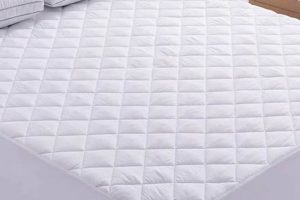
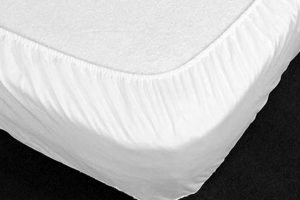
The ability to machine dry a mattress protector depends entirely on its construction materials. Certain fabrics and waterproof membranes are susceptible to damage from high heat, while others are specifically designed to withstand dryer cycles. Examination of the care label is paramount to prevent shrinkage, melting, or delamination.
Proper care extends the lifespan of bedding. Adhering to manufacturer instructions prevents unnecessary wear and tear, preserving the protector’s functionality and maintaining hygiene. Historically, mattress protectors were often made of materials that required line drying; advancements in textile technology have broadened the range of dryer-safe options available.
The subsequent sections will detail specific material considerations, offer practical drying guidelines, and highlight the potential consequences of improper care practices for mattress protectors.
Drying Mattress Protectors
Proper handling during drying is essential for preserving the integrity and longevity of mattress protectors. Adherence to the following guidelines will minimize the risk of damage.
Tip 1: Consult the Care Label. The manufacturer’s instructions are the definitive guide for appropriate drying methods. Disregarding these guidelines can void warranties and compromise the protector’s performance.
Tip 2: Consider the Material. Protectors made with natural fibers like cotton often tolerate low heat settings. Those incorporating waterproof membranes, particularly plastic-based ones, generally require air drying or tumble drying on a no-heat setting.
Tip 3: Use Low Heat. When machine drying is permissible, select the lowest heat setting available. Excessive heat can degrade the waterproof barrier, causing cracking or peeling.
Tip 4: Tumble Dry on Delicate. If the care label permits machine drying, opt for the delicate cycle to minimize agitation and stress on the fabric and seams.
Tip 5: Avoid Overdrying. Extended drying cycles can lead to shrinkage or damage. Remove the protector promptly once it is dry.
Tip 6: Air Drying as an Alternative. Line drying or laying the protector flat to air dry is often the safest option, especially for delicate or waterproof materials. Ensure the protector is completely dry before placing it back on the mattress to prevent mold or mildew growth.
Tip 7: Inspect for Damage. Before placing the protector back on the bed, carefully examine it for any signs of wear, cracking, or separation of the waterproof layer. Early detection of damage allows for timely repair or replacement.
Following these precautions ensures that the protector continues to safeguard the mattress effectively while maintaining its original quality and performance.
The final section will address common problems and troubleshooting advice related to drying mattress protectors.
1. Material Composition

The material composition of a mattress protector is a primary determinant of its suitability for machine drying. The fiber types and construction methods directly influence heat resistance, dimensional stability, and overall durability under dryer conditions. Therefore, understanding these components is paramount when considering whether machine drying is appropriate.
- Cotton and Natural Fibers
Protectors made primarily of cotton, bamboo, or other natural fibers generally exhibit moderate heat resistance. However, even these materials can shrink or warp if subjected to excessively high temperatures. Blends with synthetic fibers can alter this behavior, often improving durability but potentially increasing heat sensitivity depending on the specific synthetic component. Improper drying can result in reduced size and altered fit.
- Polyester and Synthetic Blends
Polyester and other synthetic materials are commonly used in mattress protectors for their durability and water resistance. However, the heat sensitivity of these materials varies widely. Some polyester blends can withstand moderate dryer temperatures, while others may melt or deform. The specific blend ratio significantly impacts the protector’s ability to tolerate machine drying. Deterioration can compromise the waterproof barrier.
- Waterproof Membranes (Polyurethane, TPU)
The waterproof membrane is a critical component, often consisting of polyurethane (PU) or thermoplastic polyurethane (TPU). These materials provide a barrier against liquids but are often susceptible to heat damage. High dryer temperatures can cause the membrane to crack, peel, or delaminate from the fabric backing, rendering the protector ineffective. Lower heat or air drying is typically recommended to preserve membrane integrity.
- Specialized Fabrics and Treatments
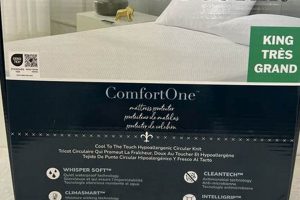
Some mattress protectors incorporate specialized fabrics or treatments designed for enhanced performance. These may include antimicrobial finishes, cooling technologies, or stain-resistant coatings. The impact of machine drying on these features varies depending on the specific treatment and fabric type. High heat can degrade or remove certain finishes, diminishing the protector’s intended benefits. Care labels provide specific guidance on maintaining these features.
In summary, the specific materials used in a mattress protectors construction directly dictate its ability to withstand machine drying. Disregarding the recommended drying methods based on these materials can lead to irreversible damage, shortening the lifespan of the protector and compromising its functionality. Careful attention to the care label, which outlines material-specific instructions, is essential for proper maintenance.
2. Care Label Instructions

The care label serves as the definitive guide for appropriate handling, directly addressing whether a mattress protector is suitable for machine drying. These instructions, provided by the manufacturer, are based on rigorous testing and evaluation of the specific materials and construction of the protector. Disregarding these guidelines can lead to irreversible damage, rendering the protector ineffective and potentially voiding any warranties. The care label acts as the primary source of information on the protector’s heat resistance and appropriate drying methods.
For example, a care label might specify “Tumble Dry Low” indicating that machine drying is permissible, but only at a low heat setting. Alternatively, it could state “Do Not Tumble Dry” or “Air Dry Only”, signifying that machine drying is prohibited due to the heat sensitivity of the materials. The absence of explicit drying instructions should be interpreted with caution; in such cases, air drying is generally the safest approach. Compliance with these instructions prevents shrinkage, melting, or delamination of the waterproof membrane, thereby preserving the protector’s functionality and extending its lifespan.
In conclusion, adherence to the care label instructions is not merely a suggestion but a critical requirement for the proper maintenance of a mattress protector. These instructions directly determine whether machine drying is a viable option and provide essential guidance for preserving the protector’s integrity. Neglecting this aspect introduces significant risks, potentially compromising both the protector’s performance and its longevity.
3. Waterproof Layer Type

The type of waterproof layer significantly influences the compatibility of a mattress protector with machine drying. Different materials exhibit varying degrees of heat resistance, making the waterproof layer a primary consideration when determining appropriate care procedures.
- Polyurethane (PU) Membranes
Polyurethane membranes are a common choice for waterproofing due to their cost-effectiveness and flexibility. However, PU is generally heat-sensitive. High dryer temperatures can cause it to crack, peel, or delaminate from the fabric backing. This degradation compromises the waterproof barrier, rendering the protector ineffective. Therefore, protectors with PU membranes often require air drying or tumble drying on a no-heat setting.
- Thermoplastic Polyurethane (TPU) Membranes
Thermoplastic polyurethane offers improved durability and flexibility compared to traditional PU. While TPU possesses slightly better heat resistance, it remains susceptible to damage from high dryer temperatures. Extended exposure to heat can still lead to degradation of the membrane, reducing its waterproof capabilities. Lower heat settings or air drying are generally recommended to prolong the lifespan of TPU-based protectors.
- Polyethylene (PE) Films
Polyethylene films are sometimes used in less expensive mattress protectors. PE exhibits poor heat resistance and is prone to melting or deformation at relatively low temperatures. Machine drying is almost always contraindicated for protectors with PE films. Exposure to heat can cause irreversible damage, rendering the protector unusable.
- Breathable Laminates
Some advanced mattress protectors utilize breathable laminates, combining a waterproof membrane with a breathable fabric layer. These laminates aim to provide both protection and comfort. The heat resistance of these laminates depends on the specific materials used in their construction. Care labels provide crucial guidance on the suitability of machine drying for protectors with breathable laminates.
In summary, the material comprising the waterproof layer is a critical factor determining dryer compatibility. PU and PE are generally heat-sensitive, requiring air drying, while TPU and breathable laminates may tolerate low heat, subject to care label instructions. Understanding the waterproof layer type allows informed decisions regarding dryer use, maximizing the protector’s lifespan and effectiveness.
4. Heat Sensitivity
Heat sensitivity, defined as a material’s propensity to degrade or change properties under elevated temperatures, is a critical factor in determining whether a mattress protector can be safely placed in a dryer. The various materials used in protectors exhibit differing levels of heat resistance, directly impacting the protector’s durability and functionality after exposure to dryer heat.
- Fiber Composition Degradation
Different fibers respond variably to heat. Natural fibers, such as cotton, may shrink excessively, altering the protector’s fit and effectiveness. Synthetic fibers, like certain polyesters, can melt or deform at high temperatures, causing permanent damage. This degradation undermines the integrity of the fabric and its ability to protect the mattress.
- Waterproof Membrane Delamination
Waterproof membranes, often made of polyurethane (PU) or thermoplastic polyurethane (TPU), are particularly susceptible to heat damage. High dryer temperatures can cause the membrane to separate from the fabric layer, a process known as delamination. Once delaminated, the protector loses its waterproof properties, rendering it ineffective against spills and stains.
- Finish and Treatment Alteration
Many mattress protectors include specialized finishes, such as antimicrobial or stain-resistant coatings. Exposure to high heat can degrade these treatments, diminishing or eliminating their intended benefits. This alteration affects the protector’s ability to maintain hygiene and resist stains, impacting its overall value.
- Seam and Binding Weakening
The seams and bindings of a mattress protector are critical for its structural integrity. High heat can weaken the adhesives and threads used in these areas, leading to fraying, separation, and eventual failure of the seams. A weakened seam compromises the protector’s ability to provide complete coverage and protection for the mattress.
The implications of heat sensitivity directly influence the suitability of machine drying for mattress protectors. Understanding the heat resistance of the protector’s constituent materials is essential for making informed decisions about drying methods. Adhering to care label instructions, which specify appropriate drying temperatures, is crucial for preserving the protector’s functionality and extending its lifespan. Choosing air drying over machine drying is often a safer option, particularly for protectors with heat-sensitive components.
5. Shrinkage Potential
Shrinkage potential is a primary concern when considering dryer use for mattress protectors. The degree to which a protector’s materials contract under heat directly influences its fit, performance, and overall lifespan. Understanding this potential is crucial to determine the appropriate drying method and prevent irreversible damage.
- Fiber Type and Shrinkage Rates
Different fibers exhibit varying shrinkage rates when exposed to heat. Natural fibers, particularly cotton, are known to shrink significantly, often by several percentage points. Synthetic fibers generally shrink less, but certain types can still be susceptible. The specific blend of fibers in a mattress protector determines its overall shrinkage potential. Excessive shrinkage compromises the protector’s fit and ability to adequately cover the mattress.
- Weave and Knit Construction
The weave or knit construction of the fabric also influences shrinkage. Loosely woven or knitted fabrics tend to shrink more than tightly woven fabrics. This is because the fibers have more room to contract within the fabric structure. Understanding the fabric construction helps predict how the protector will behave under dryer conditions and informs drying choices.
- Pre-Shrinking Treatments
Some mattress protectors undergo pre-shrinking treatments during manufacturing to minimize shrinkage after washing and drying. These treatments involve subjecting the fabric to heat and moisture to stabilize the fibers. However, even with pre-shrinking, some residual shrinkage may still occur. The effectiveness of the pre-shrinking treatment varies depending on the specific process and materials used.
- Impact on Waterproof Membrane
Shrinkage of the fabric can exert stress on the waterproof membrane, potentially causing it to crack, peel, or delaminate. If the fabric shrinks significantly while the membrane remains relatively stable, the membrane may become detached from the fabric backing. This separation compromises the protector’s waterproof properties and reduces its effectiveness.
Considering the interplay of fiber type, fabric construction, pre-shrinking treatments, and the impact on the waterproof membrane, it becomes evident that shrinkage potential is a key determinant in whether a mattress protector can be safely dried in a machine. The care label should always be consulted to determine the recommended drying method and minimize the risk of irreversible shrinkage and damage.
6. Membrane Integrity
The integrity of the waterproof membrane is a central concern when assessing whether a mattress protector can be safely machine dried. The membrane’s ability to withstand heat and maintain its structural integrity directly influences the protector’s continued effectiveness as a barrier against liquids and allergens.
- Heat-Induced Degradation
Elevated temperatures within a dryer can accelerate the degradation of the waterproof membrane, particularly those composed of polyurethane (PU) or polyethylene (PE). Heat exposure can cause the membrane to become brittle, crack, or even melt, compromising its waterproof properties. This degradation directly reduces the protector’s ability to prevent liquids from reaching the mattress, negating its primary function.
- Delamination from Fabric Backing
Dryer heat can weaken the adhesive bond between the waterproof membrane and the fabric backing of the mattress protector. This weakening leads to delamination, where the membrane separates from the fabric. Delamination not only compromises the waterproof barrier but also creates pockets where moisture and allergens can accumulate, fostering an unhygienic environment.
- Impact on Membrane Flexibility
Maintaining membrane flexibility is crucial for the comfort and performance of a mattress protector. Excessive heat can cause the membrane to stiffen and lose its elasticity. A stiff membrane can create noise and discomfort during sleep, reducing the overall user experience. Furthermore, a less flexible membrane is more prone to cracking and tearing, further compromising its integrity.
- Chemical Changes within the Membrane
High temperatures can induce chemical changes within the polymer structure of the waterproof membrane. These changes can alter the membrane’s chemical resistance, making it more susceptible to damage from cleaning agents or bodily fluids. This increased vulnerability can shorten the lifespan of the protector and necessitate more frequent replacements.
The relationship between membrane integrity and the advisability of machine drying is therefore direct. Damaged membranes, resulting from improper drying, render the protector ineffective. Proper care, as indicated on the care label, is essential to preserve the membrane’s integrity, ensuring the continued protection of the mattress and promoting a hygienic sleep environment. Alternatives such as air drying minimize stress on the membrane, maximizing its operational life.
7. Machine Drying Alternatives

When the suitability of placing a mattress protector in a dryer is questionable, exploring alternative drying methods becomes essential. The decision not to machine dry stems from material sensitivities to heat, as detailed on the care label. The selection of alternatives directly impacts the protector’s longevity and functional performance. These options primarily include air drying, which, if executed correctly, prevents the potential damage associated with machine drying.
Air drying typically involves hanging the protector on a clothesline or laying it flat on a clean, dry surface. The choice depends on the protector’s size and construction. Hanging allows for efficient airflow and reduces drying time, while laying flat prevents stretching, particularly important for protectors with elasticized edges or delicate waterproof membranes. In either scenario, avoiding direct sunlight is recommended to prevent color fading or material degradation over extended periods. Real-world examples include individuals with memory foam mattress protectors who choose to air dry to preserve the foam’s structure and prevent it from becoming brittle due to dryer heat. Understanding these nuances allows informed decisions that prioritize the protector’s integrity.
The effective implementation of machine drying alternatives provides a safeguard against heat-induced damage, upholding the intended performance and longevity of mattress protectors. Adherence to air-drying best practices ensures not only the maintenance of waterproof properties but also the overall hygiene and comfort of the sleeping environment. While seemingly straightforward, careful execution maximizes the benefits, offsetting potential downsides associated with machine drying. This approach reinforces the fundamental principle of prioritizing material-specific care to optimize product lifespan and functionality.
Frequently Asked Questions
The following addresses common inquiries regarding the compatibility of mattress protectors with machine drying, providing clarity on proper care procedures and potential risks.
Question 1: Can all mattress protectors be safely dried in a machine?
No, the ability to machine dry a mattress protector is contingent upon its material composition and the manufacturer’s instructions. Care labels must be consulted to determine appropriate drying methods.
Question 2: What are the potential consequences of disregarding the care label instructions?
Ignoring care label instructions can lead to shrinkage, melting, delamination of the waterproof membrane, or degradation of specialized finishes, compromising the protector’s functionality and potentially voiding warranties.
Question 3: Which materials are most susceptible to damage from dryer heat?
Polyurethane (PU) and polyethylene (PE) waterproof membranes, along with certain synthetic fibers, exhibit high heat sensitivity and are prone to melting, cracking, or delamination when exposed to high dryer temperatures.
Question 4: Is low heat drying always a safe option for mattress protectors?
While low heat reduces the risk of damage compared to high heat, it is not universally safe. Even low heat can cause shrinkage or gradual degradation of heat-sensitive materials. Care label recommendations supersede generalizations.
Question 5: What are the benefits of air drying a mattress protector?
Air drying minimizes the risk of heat damage, preserving the integrity of the waterproof membrane, preventing shrinkage, and extending the protector’s lifespan. It is the safest option for delicate or heat-sensitive materials.
Question 6: How can one determine if a mattress protector has been damaged by improper drying?
Signs of damage include cracking or peeling of the waterproof membrane, separation of the membrane from the fabric backing, excessive shrinkage, and a loss of waterproof properties.
Proper care and adherence to manufacturer guidelines are crucial for maximizing the lifespan and performance of mattress protectors. Recognizing material sensitivities and selecting appropriate drying methods mitigates the risk of irreversible damage.
The subsequent section will provide a summary of key considerations and actionable steps for ensuring the proper care of mattress protectors.
Concluding Remarks
The preceding exploration has underscored the complex considerations surrounding whether a mattress protector is dryer-compatible. The determination hinges primarily on material composition, as detailed on the care label. Disregarding these instructions presents risks, ranging from diminished waterproof capabilities to complete product failure.
Therefore, due diligence is paramount. Before initiating any drying process, the protector’s care label should be consulted. When uncertainty persists, favoring air drying preserves the investment and ensures continued mattress protection. The longevity and efficacy of this product class depend on informed care practices.