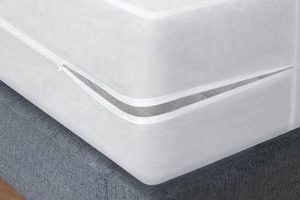
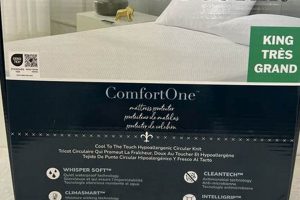
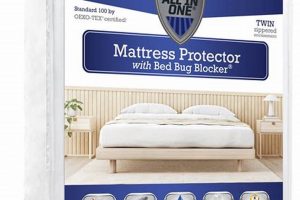
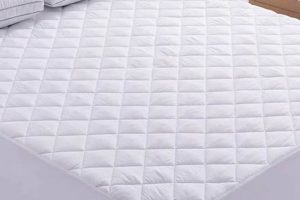
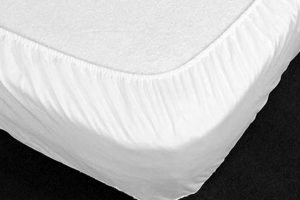
A covering designed to safeguard a king-sized bed from spills, stains, and wear, while also incorporating features to regulate temperature and promote a cooler sleep environment, represents a significant advancement in bedding technology. This type of product typically utilizes breathable fabrics and specialized construction to facilitate airflow and dissipate heat. For instance, a protector might employ a tightly woven, waterproof membrane laminated to a layer of moisture-wicking fabric like Tencel or bamboo.
The proliferation of these protectors stems from a growing awareness of hygiene, allergy concerns, and the desire for enhanced sleep quality. They offer a practical solution to extend the lifespan of the underlying mattress, preventing costly replacements. Moreover, individuals who experience night sweats or live in warmer climates find that the temperature-regulating properties contribute to a more comfortable and restful night. Historically, simple cotton sheets served as the primary form of mattress protection; however, modern materials and manufacturing processes have led to significantly improved performance in terms of both protection and thermal management.
Understanding the key features to consider when selecting a protector, the specific materials used in its construction, and its proper maintenance is essential for maximizing its benefits and ensuring its longevity. Subsequent discussion will elaborate on these crucial aspects, providing a comprehensive guide for prospective purchasers.
Selecting and Maintaining a King-Sized Mattress Protector with Cooling Properties
Maximizing the benefits of a king-sized mattress protector designed for temperature regulation requires careful consideration during the selection process and diligent adherence to proper maintenance procedures. The following tips provide guidance to ensure optimal performance and longevity.
Tip 1: Material Evaluation is Paramount: Prioritize protectors constructed from breathable materials such as Tencel, bamboo rayon, or specialized polyester blends designed for moisture-wicking. These materials promote airflow and facilitate heat dissipation, contributing to a cooler sleep environment. Examine the product label for detailed information regarding fabric composition.
Tip 2: Waterproof Barrier Integrity is Essential: While breathability is crucial, the protector must also provide effective liquid impermeability to safeguard the mattress from spills and stains. Look for protectors with a thin, laminated waterproof membrane, ideally polyurethane, that does not compromise airflow. A compromised barrier renders the protector ineffective.
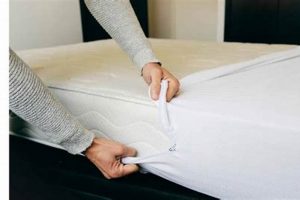
Tip 3: Fit and Securement are Non-Negotiable: A properly fitting protector ensures complete coverage and prevents shifting during sleep. Opt for protectors with deep pockets that accommodate the thickness of the mattress. Securement methods, such as elasticized bands or fitted skirts, are crucial for maintaining the protector’s position.
Tip 4: Independent Testing and Certifications Provide Assurance: Look for protectors that have undergone independent laboratory testing for breathability, waterproofing, and allergen resistance. Certifications such as OEKO-TEX Standard 100 indicate that the product has been tested for harmful substances.
Tip 5: Regular Cleaning is Imperative: Follow the manufacturer’s instructions for washing and drying the protector. Regular cleaning removes accumulated body oils, sweat, and dust mites, maintaining hygiene and optimizing the protector’s performance. Avoid using harsh detergents or bleach, which can damage the waterproof membrane or breathable fabrics.
Tip 6: Prompt Spill Response is Critical: In the event of a spill, immediately blot the affected area with a clean, absorbent cloth. Delaying response allows liquids to penetrate the protector, potentially compromising its effectiveness and damaging the mattress.
Tip 7: Consider Hypoallergenic Properties: For individuals with allergies or sensitivities, selecting a protector with hypoallergenic properties is crucial. These protectors are designed to minimize dust mite accumulation and allergen exposure, promoting a healthier sleep environment. Look for protectors treated with antimicrobial agents.
Adhering to these guidelines ensures that the chosen mattress protector effectively safeguards the underlying mattress, promotes a comfortable and hygienic sleep environment, and delivers sustained performance over its intended lifespan.
The subsequent section will delve into the practical considerations surrounding the installation and ongoing care of the selected protector, further reinforcing the commitment to optimal product utilization.
1. Breathable fabric composition

Breathable fabric composition constitutes a fundamental element of a mattress protector engineered to deliver cooling benefits for king-sized beds. The efficacy of a mattress protector in mitigating heat retention is intrinsically linked to the fabric’s capacity to facilitate air circulation and moisture wicking. Materials such as Tencel lyocell, derived from wood pulp, possess inherent breathability characteristics, allowing for the efficient exchange of air and dissipation of body heat. Similarly, bamboo-derived rayon exhibits a porous structure, enabling superior moisture absorption and subsequent evaporation, contributing to a drier and cooler sleep surface. Without such a fabric composition, the protector effectively becomes an insulator, trapping heat and exacerbating discomfort, thereby negating any purported cooling effects.
The choice of fabric directly impacts the microclimate established between the sleeper and the mattress. Non-breathable materials, such as vinyl or tightly woven synthetic fabrics lacking permeability, impede the natural thermoregulatory processes of the human body during sleep. This leads to elevated skin temperature, increased perspiration, and a heightened likelihood of disrupted sleep cycles. Conversely, a breathable fabric promotes convective heat transfer, drawing heat away from the body and promoting evaporative cooling as moisture is wicked away. For example, a mattress protector utilizing a blend of cotton and polyester, while offering some level of breathability, may not perform as effectively as one composed entirely of Tencel, particularly in humid environments or for individuals prone to night sweats.
In summary, the breathable fabric composition is not merely a desirable attribute but an essential prerequisite for a mattress protector aiming to provide demonstrable cooling performance on a king-sized bed. The selection of appropriate materials, characterized by inherent breathability and moisture-wicking capabilities, dictates the protector’s ability to regulate temperature, promote a comfortable sleep environment, and ultimately contribute to enhanced sleep quality. The absence of such a composition renders the ‘cooling’ designation unsubstantiated and ineffective.
2. Waterproof, yet breathable barrier
The presence of a waterproof, yet breathable barrier is critical to the functionality of a mattress protector designed to deliver cooling benefits for king-sized beds. This seemingly paradoxical combination of properties addresses two primary concerns: safeguarding the mattress from liquid damage and facilitating the transfer of heat and moisture away from the sleeper.
- Mechanism of Breathable Waterproofing
The effectiveness of a waterproof, yet breathable barrier relies on specialized membrane technology, typically employing microporous or hydrophilic materials. Microporous membranes, such as those made from expanded polytetrafluoroethylene (ePTFE), contain pores large enough to allow water vapor to pass through but small enough to prevent liquid water from penetrating. Hydrophilic membranes, on the other hand, absorb moisture vapor on one side and release it on the other through a chemical process. Both technologies enable the protector to remain waterproof while maintaining breathability, a key factor in cooling performance.
- Impact on Thermal Regulation
A non-breathable waterproof layer, like vinyl, traps heat and moisture against the body, leading to discomfort and disrupted sleep. A breathable waterproof barrier, however, allows for the evaporation of perspiration, which cools the body. This is crucial for individuals who experience night sweats or live in warmer climates, as it contributes to a more stable and comfortable sleep temperature. The protector’s ability to manage moisture is directly linked to its cooling capabilities.
- Material Selection and Performance
The specific materials used in the barrier significantly influence its performance. Polyurethane laminates are commonly used due to their balance of waterproofing and breathability. However, the quality of the laminate and the manufacturing process can affect its effectiveness. Higher-quality laminates offer better breathability without compromising waterproofing. The choice of face fabric, such as Tencel or bamboo, further contributes to the overall breathability and cooling effect of the protector.
- Durability and Longevity
The waterproof, yet breathable barrier’s durability is essential for the long-term protection of the mattress. Repeated washing and wear can degrade the membrane, reducing its waterproofing and breathability. Proper care, including following the manufacturer’s instructions for washing and drying, is crucial to maintaining the barrier’s integrity. The use of harsh detergents or high heat can damage the membrane, compromising its functionality.
In conclusion, the waterproof, yet breathable barrier is not merely a feature but a fundamental requirement for a mattress protector claiming to offer cooling benefits for king-sized beds. Its ability to prevent liquid penetration while facilitating moisture transfer directly impacts the sleeper’s comfort and the protector’s overall effectiveness in regulating temperature. The choice of materials, manufacturing processes, and proper care all contribute to the long-term performance of this essential component.
3. Secure and proper fit

A secure and proper fit is inextricably linked to the overall effectiveness of a king-sized mattress protector designed to provide cooling benefits. The absence of a snug and accurate fit compromises the functionality of the protector, negating its intended purpose. A loose or ill-fitting protector shifts and bunches, disrupting airflow and potentially creating areas of concentrated heat. For instance, a protector that slides off the corners of the mattress not only fails to provide comprehensive protection against spills and stains but also obstructs the breathable materials from effectively dissipating heat, rendering the cooling properties negligible. This directly impacts the user’s sleep quality, diminishing the intended benefit of a cooler sleep environment.
The importance of a secure fit extends beyond mere aesthetic considerations. A properly fitted protector maintains a smooth, even surface, allowing for consistent airflow across the entire mattress. This uniform airflow is essential for the temperature-regulating technologies employed in cooling protectors to function optimally. Furthermore, a secure fit prevents the accumulation of moisture and body oils in specific areas, which can degrade the mattress over time and create a breeding ground for dust mites and allergens. Examples of securement methods include deep pockets designed to accommodate thicker mattresses, elasticized bands that grip the mattress edges, and fitted skirts that encase the mattress completely. The effectiveness of these methods hinges on precise measurements and adherence to manufacturer guidelines during installation.
In summary, a secure and proper fit is not merely an ancillary feature but a critical prerequisite for a king-sized cooling mattress protector to perform as intended. Its role in maintaining consistent airflow, preventing moisture accumulation, and ensuring comprehensive protection directly impacts the protector’s ability to deliver a cooler, more hygienic sleep environment. Any compromise in fit diminishes the overall value and effectiveness of the protector, highlighting the need for careful selection and installation.
4. Hypoallergenic properties

The integration of hypoallergenic properties into a king-sized mattress protector designed for cooling is a significant consideration for individuals with sensitivities or allergies. This feature aims to mitigate the presence of common allergens within the sleep environment, contributing to improved respiratory health and overall well-being.
- Dust Mite Resistance
A primary function of hypoallergenic mattress protectors is to create a barrier against dust mites, microscopic organisms that thrive in bedding and feed on dead skin cells. These mites and their fecal matter are potent allergens. Tightly woven fabrics and specialized membranes prevent dust mites from penetrating the protector and colonizing the mattress. For instance, protectors with pore sizes smaller than 10 microns effectively block dust mite passage, reducing allergen exposure for sensitive individuals. This is crucial, as dust mite allergies can manifest as rhinitis, asthma, or eczema.
- Allergen Barrier Functionality
Beyond dust mites, hypoallergenic protectors also impede the accumulation of other allergens such as pet dander, mold spores, and pollen. These airborne allergens can settle on bedding and trigger allergic reactions. The protector acts as a shield, preventing these allergens from reaching the mattress and creating a reservoir for prolonged exposure. An example is the use of a protector in a household with pets; the protector minimizes pet dander from embedding into the mattress fibers, reducing the frequency of allergic episodes.
- Material Composition and Sensitivity
The materials used in the construction of hypoallergenic protectors are carefully selected to minimize the risk of allergic reactions. Common choices include organic cotton, bamboo rayon, and hypoallergenic polyester blends. These materials are less likely to contain allergenic compounds compared to conventional fabrics treated with chemical finishes. For example, individuals with chemical sensitivities may benefit from protectors certified by OEKO-TEX Standard 100, indicating that the product has been tested for harmful substances and meets strict human-ecological requirements.
- Antimicrobial Treatment and Mold Prevention
Some hypoallergenic protectors incorporate antimicrobial treatments to inhibit the growth of mold, mildew, and bacteria. These microorganisms can exacerbate allergies and respiratory problems. The antimicrobial agents, such as silver ions or zinc pyrithione, create an inhospitable environment for microbial growth, reducing the risk of allergen production. An example is the use of a protector with antimicrobial properties in humid climates, where mold growth is more prevalent. This helps to maintain a cleaner and healthier sleep surface.
The integration of these hypoallergenic properties into a king-sized cooling mattress protector is a multifaceted approach to allergen management in the bedroom. By creating a barrier against dust mites, allergens, and microbial growth, these protectors contribute to a more comfortable and healthier sleep environment for individuals with sensitivities, enhancing the overall effectiveness of the cooling features in promoting restful sleep.
5. Effective heat dissipation

Effective heat dissipation is an inextricable component of any mattress protector marketed with cooling properties, particularly those designed for king-sized beds. The larger surface area of a king mattress inherently generates and retains more body heat compared to smaller sizes. Consequently, a mattress protector lacking efficient heat dissipation mechanisms will fail to deliver the promised cooling effect, potentially leading to discomfort and disrupted sleep. The relationship is causal: efficient heat dissipation directly results in a cooler sleeping surface. The importance is evident in the context of thermoregulation during sleep; the human body naturally lowers its core temperature, and a mattress protector that hinders this process can impede restful sleep. For example, a traditional cotton mattress protector, while absorbent, lacks the specialized weaves and materials necessary to effectively vent heat, leading to heat build-up. In contrast, protectors incorporating phase-change materials or open-weave constructions facilitate the outward flow of heat, creating a more comfortable sleep environment. An understanding of this principle is practically significant for consumers seeking genuine cooling benefits, as it allows them to prioritize protectors with demonstrable heat dissipation capabilities.
The practical application of effective heat dissipation within mattress protectors involves various design and material considerations. Open-weave fabrics, such as those employing spacer knit technology, create air channels that promote convective heat transfer. Phase-change materials (PCMs), integrated into the fabric or fill, absorb excess body heat and release it when the body temperature drops, creating a dynamic cooling effect. Furthermore, moisture-wicking properties, often achieved through specialized fiber blends, enhance heat dissipation by facilitating the evaporation of perspiration, a natural cooling mechanism. For example, a mattress protector utilizing a combination of Tencel fabric, known for its moisture-wicking capabilities, and a PCM layer offers a synergistic effect, maximizing both heat absorption and evaporation. The practical implications are tangible: users report experiencing reduced night sweats, improved sleep onset latency, and a more consistent sleep temperature throughout the night. Real-world testing consistently demonstrates the superior performance of protectors incorporating these features compared to those relying solely on traditional materials.
In summary, effective heat dissipation is not merely a supplementary feature, but a fundamental requirement for a mattress protector to be legitimately classified as “cooling,” especially for king-sized beds. The capacity to actively manage heat, through appropriate materials and construction, determines the product’s ability to regulate temperature and promote a comfortable sleep environment. A challenge lies in accurately quantifying and communicating the heat dissipation capabilities of different protectors, as marketing claims may not always reflect actual performance. Nevertheless, a thorough understanding of the underlying principles empowers consumers to make informed decisions and prioritize protectors that genuinely deliver on their promises of a cooler night’s sleep. The connection to the broader theme of sleep hygiene is evident: effective heat dissipation contributes to a more conducive sleep environment, promoting better sleep quality and overall well-being.
Frequently Asked Questions
This section addresses common inquiries concerning king-sized mattress protectors designed to offer cooling properties. The information presented aims to clarify misconceptions and provide a comprehensive understanding of these products.
Question 1: Does a “cooling” mattress protector eliminate the need for air conditioning?
A “cooling” mattress protector is not a substitute for air conditioning. It is designed to regulate temperature and enhance breathability, potentially reducing heat retention; however, it cannot lower the ambient temperature of the room. Its effectiveness is contingent upon the existing environmental conditions.
Question 2: How often should a king-sized cooling mattress protector be washed?
The recommended washing frequency is dependent on usage and manufacturer guidelines. Generally, a protector should be washed every one to two months to remove accumulated body oils, sweat, and dust mites. More frequent washing may be necessary for individuals with allergies or those who perspire heavily.
Question 3: Are all waterproof mattress protectors breathable?
Not all waterproof mattress protectors are breathable. Traditional waterproof protectors, such as those made from vinyl, often lack breathability, which can lead to heat retention. Protectors marketed as “cooling” typically employ breathable waterproof membranes that allow for air circulation.
Question 4: Can a cooling mattress protector be used with a heated mattress pad?
The compatibility of a cooling mattress protector with a heated mattress pad varies. It is advisable to consult the manufacturer’s instructions for both products. In some cases, the cooling properties of the protector may counteract the effects of the heated pad. Proper layering is essential to maintain both functionality and safety.
Question 5: How does the material of the protector affect its cooling ability?
The material significantly influences a protector’s cooling ability. Breathable fabrics such as Tencel, bamboo rayon, and specialized polyester blends facilitate air circulation and moisture wicking, promoting a cooler sleep environment. Materials with inherent thermal conductivity properties, like certain infused gels, can also contribute to heat dissipation.
Question 6: Will a cooling mattress protector alter the feel of the underlying mattress?
A cooling mattress protector may subtly alter the feel of the underlying mattress, depending on its thickness and construction. A thin, flexible protector is less likely to significantly change the mattress feel compared to a thicker, more structured one. However, the comfort benefits associated with temperature regulation may outweigh any perceived change in feel.
The selection and proper maintenance of a mattress protector designed for cooling requires careful consideration of individual needs and product specifications. Understanding the underlying principles of heat regulation and material properties is essential for maximizing its benefits.
Subsequent discussion will explore advanced technologies employed in mattress protection, offering further insights into product innovation and performance.
Conclusion
The preceding exploration has detailed various facets of the mattress protector king cooling. It emphasized the importance of breathable materials, waterproof yet breathable barriers, a secure fit, hypoallergenic properties, and effective heat dissipation mechanisms. The functionality and long-term performance are contingent upon the interplay of these factors, and prospective purchasers should prioritize these considerations. Understanding the material science and construction methods employed in these products is paramount for making an informed decision.
The demand for bedding solutions that address temperature regulation and hygiene is expected to persist. Continued research and development in material science may yield further advancements in mattress protector technology. Consumers are encouraged to remain informed and prioritize products that offer verifiable performance and lasting value, and to routinely assess their requirements.