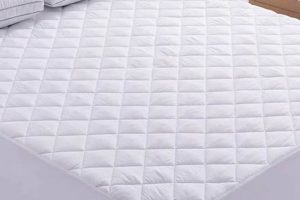
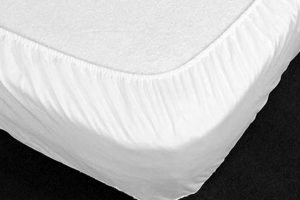
These items function as barriers against liquids, allergens, dust mites, and bed bugs, extending the lifespan of a standard single bed’s sleeping surface. They are typically made of waterproof or water-resistant materials, often incorporating breathable membranes to prevent overheating and maintain comfort. For example, a child prone to bedwetting would benefit significantly from the use of this protective layer.
Their use contributes to a more hygienic sleeping environment, mitigating potential health risks associated with allergens and pests. They offer protection for the investment in bedding, preventing staining and damage that can void warranties. Historically, rudimentary versions existed in the form of simple cotton pads, but contemporary iterations employ advanced technologies and materials for superior performance and durability. This provides peace of mind and reduces the need for frequent mattress replacements.
The following sections will delve into the specific types available, key features to consider when purchasing, proper care instructions, and address frequently asked questions related to their use and effectiveness in maintaining a clean and protected sleep surface.
Tips for Selecting and Using Twin Mattress Protectors
Proper selection and usage are crucial to maximizing the benefits of bedding protection. Consider these guidelines to ensure optimal performance and longevity of the mattress and the protector itself.
Tip 1: Material Selection: Prioritize breathable materials such as cotton terry or bamboo rayon with a waterproof membrane backing. This minimizes heat retention and promotes airflow, crucial for comfort throughout the night. Avoid protectors made solely of plastic or vinyl, as they lack breathability.
Tip 2: Waterproofing Integrity: Verify the level of waterproofing offered. Look for protectors that explicitly state they are waterproof, not just water-resistant. Investigate the construction method of the waterproof layer. Laminated layers are generally more durable than coated ones.
Tip 3: Allergen Barrier Properties: For allergy sufferers, select a protector specifically designed to block allergens, dust mites, and other irritants. Ensure the protector has a tightly woven construction and is laboratory tested to confirm its allergen-blocking capabilities.
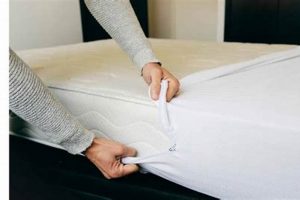
Tip 4: Proper Fit and Installation: Confirm the protector’s dimensions accurately match the dimensions of the twin mattress. Install the protector according to the manufacturer’s instructions, ensuring a snug and secure fit to prevent shifting or bunching during sleep.
Tip 5: Regular Cleaning and Maintenance: Adhere to the manufacturer’s recommended washing instructions. Regularly launder the protector, typically every one to two months, to maintain hygiene and remove accumulated allergens and dust mites. Avoid using harsh chemicals or bleach, which can compromise the waterproof layer.
Tip 6: Warranty Considerations: Review the warranty offered by the manufacturer. A longer warranty period generally indicates higher quality and confidence in the product’s durability and performance. Understand the specific terms and conditions of the warranty, including coverage for defects in materials or workmanship.
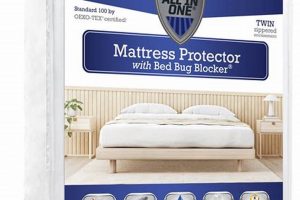
Tip 7: Bed Bug Resistance: If bed bug protection is a primary concern, choose a protector specifically labeled as bed bug proof. These protectors have tightly sealed seams and zippers to prevent bed bugs from entering or escaping the mattress.
By following these tips, individuals can ensure they select the most suitable bedding protection for their needs, contributing to a healthier and more comfortable sleep environment. Implementing proper maintenance practices will also maximize the lifespan of both the protector and the mattress it safeguards.
The following section will provide answers to frequently asked questions to further clarify the role and usage of these important bedding accessories.
1. Waterproof barrier
A waterproof barrier constitutes a primary function of twin mattress protectors, acting as a safeguard against liquid intrusion and subsequent damage to the underlying mattress. Its effectiveness is paramount in maintaining the integrity and longevity of the sleep surface.
- Prevention of Staining and Odor
The impermeable layer prevents liquids, such as spills, sweat, or bodily fluids, from penetrating the mattress fibers. This action directly inhibits the formation of stains, which can be difficult, if not impossible, to remove. Furthermore, preventing liquid absorption mitigates the development of unpleasant odors caused by bacterial growth within the mattress. This is especially critical in environments with children, pets, or individuals with incontinence.
- Protection Against Allergen Proliferation
A damp mattress creates an ideal environment for the growth of mold, mildew, and dust mites. These allergens can exacerbate respiratory issues and allergic reactions. The waterproof barrier in twin mattress protectors effectively denies these allergens the moisture they require to thrive, thus promoting a healthier sleep environment. Clinical studies demonstrate a correlation between reduced allergen exposure and improved respiratory health.
- Preservation of Mattress Warranty
Many mattress warranties are voided if the mattress is stained or damaged by liquids. Utilizing a waterproof barrier acts as a preventative measure, ensuring the mattress remains in pristine condition and the warranty remains valid. This represents a tangible financial benefit, as premature mattress replacement can be avoided.
- Enhancement of Mattress Lifespan
By shielding the mattress core from moisture and contaminants, the waterproof barrier contributes significantly to extending the mattress’s useful life. Preventing internal damage and degradation maintains the structural integrity of the mattress, delaying the need for replacement. Over time, this represents a considerable cost savings.
In summary, the waterproof barrier is an indispensable element of twin mattress protectors. Its ability to prevent staining, control allergens, preserve warranty, and extend mattress lifespan underscores its critical role in maintaining a hygienic and cost-effective sleep environment. Without this feature, the mattress is vulnerable to irreversible damage and accelerated wear.
2. Allergen Control

The intersection of allergen control and twin mattress protectors is characterized by a cause-and-effect relationship wherein the protector serves as a physical barrier to mitigate allergen exposure. Mattresses, by their porous nature, accumulate dust mites, pet dander, mold spores, and other allergens. These substances trigger allergic reactions in susceptible individuals, ranging from mild nasal congestion to severe respiratory distress. The implementation of a properly designed twin mattress protector interrupts this cycle by preventing allergens from penetrating the mattress core, thereby reducing the overall allergen load in the sleep environment. This protective action is particularly significant for individuals with asthma, eczema, or other sensitivities. For example, a child with a dust mite allergy may experience a marked reduction in nighttime coughing and wheezing when sleeping on a bed equipped with an allergen-impermeable protector.
Allergen control as a component of twin mattress protectors extends beyond simple barrier function. High-quality protectors employ tightly woven fabrics with pore sizes small enough to impede the passage of even microscopic allergens. Some incorporate antimicrobial treatments to further inhibit the growth of mold and bacteria, further minimizing potential irritants. Real-life examples include clinical trials demonstrating the efficacy of allergen-impermeable mattress encasements in reducing asthma symptoms in children and adults. Furthermore, the regular laundering of protectors helps to remove accumulated surface allergens, maintaining a clean and allergen-free sleep environment. This proactive approach contributes to improved sleep quality and overall well-being.
In summary, the utilization of twin mattress protectors as a tool for allergen control provides tangible benefits for individuals with allergies and sensitivities. The primary challenge lies in selecting protectors that offer verified allergen impermeability and maintain breathability for optimal comfort. By understanding the mechanisms of allergen accumulation and the protective capabilities of mattress encasements, informed choices can be made to create a healthier and more restful sleep environment. This understanding is intrinsically linked to the broader theme of preventive healthcare, emphasizing the importance of proactive measures in mitigating environmental triggers and promoting overall well-being.
3. Bed Bug Defense

The ability of twin mattress protectors to serve as a barrier against bed bug infestations constitutes a significant feature, particularly in densely populated areas or environments with high turnover of occupants. These protectors, when properly designed and implemented, prevent bed bugs from both infesting a clean mattress and escaping from an already-infested one.
- Encapsulation as a Prevention Method
Protectors designed for bed bug defense fully encase the mattress, creating a sealed barrier that denies bed bugs access to the mattress core. This encapsulation effectively prevents bed bugs from establishing a colony within the mattress fibers, where they can be difficult to eradicate. The zippers on these protectors are typically designed to be bed bug-proof, preventing the pests from entering or exiting through the zipper teeth. A real-world example includes hotels utilizing these protectors to proactively prevent infestations, thus minimizing potential liability and maintaining guest satisfaction.
- Containment of Existing Infestations
In situations where a mattress is already infested, a bed bug-proof protector can trap the existing bed bugs inside. While this does not kill the bed bugs, it prevents them from escaping and spreading to other areas of the room or to other furniture. This containment strategy can be an effective component of a broader bed bug eradication plan, preventing the infestation from escalating. For instance, a landlord might use these protectors to contain an infestation in one apartment unit, preventing it from spreading to adjacent units.
- Material Properties and Durability
The effectiveness of a bed bug protector hinges on the material used and its durability. The fabric must be tightly woven and resistant to tearing or punctures, as even a small opening can compromise the barrier. High-quality protectors are typically made from durable, tightly woven polyester or polyethylene materials. Regularly inspecting the protector for damage is crucial to ensure its continued effectiveness. An example of this includes the textile industry developing new material to defend against bedbugs.
- Integration with Treatment Strategies
Bed bug defense through the use of mattress protectors is most effective when integrated with other treatment strategies, such as professional pest control services and thorough cleaning of the surrounding environment. The protector serves as a passive barrier, while active treatments target bed bugs in other areas of the room. This integrated approach provides a comprehensive solution to bed bug infestations. A homeowner might use a bed bug-proof mattress protector in conjunction with professional heat treatments to eliminate a widespread infestation.
The implementation of twin mattress protectors specifically designed for bed bug defense is a proactive and valuable strategy in preventing and managing bed bug infestations. The protectors’ effectiveness relies on proper selection, installation, and maintenance, as well as integration with other pest control measures. The long-term benefits include reduced risk of infestation, improved sleep hygiene, and potential cost savings associated with preventing extensive pest control treatments and mattress replacements.
4. Breathability
Breathability, in the context of twin mattress protectors, refers to the capacity of the material to permit the circulation of air and moisture vapor. This characteristic is paramount to maintaining a comfortable sleep environment and preventing the accumulation of heat and humidity within the bedding system.
- Regulation of Body Temperature
A breathable mattress protector allows for the dissipation of body heat, preventing overheating during sleep. When the sleep surface lacks breathability, trapped heat can lead to discomfort, night sweats, and disrupted sleep patterns. Materials like cotton, bamboo, and certain synthetic blends are chosen for their inherent breathability, promoting airflow and regulating temperature.
- Prevention of Moisture Accumulation
Breathable materials facilitate the evaporation of moisture, such as perspiration, preventing it from accumulating within the mattress. Excessive moisture can foster the growth of mold, mildew, and bacteria, leading to unpleasant odors and potential health concerns. Protectors with breathable membranes allow moisture vapor to escape while preventing liquid penetration.
- Impact on Sleep Quality
The breathability of a mattress protector directly affects sleep quality. A comfortable sleep environment, characterized by regulated temperature and minimal moisture, promotes restful sleep. Conversely, a non-breathable protector can lead to discomfort and restlessness, disrupting sleep cycles and reducing overall sleep quality. Studies have demonstrated a correlation between breathable bedding and improved sleep duration and efficiency.
- Material Composition and Construction
The breathability of a mattress protector is largely determined by its material composition and construction. Tightly woven fabrics, such as vinyl or plastic, lack breathability and trap heat and moisture. Conversely, materials with open weaves or specialized membranes allow for greater airflow. The construction of the protector, including the layering of materials, also influences its overall breathability.
The integration of breathability into twin mattress protectors is a critical design consideration, balancing protection against liquids and allergens with the need for a comfortable and hygienic sleep environment. The selection of appropriate materials and construction techniques is essential to achieving optimal breathability and maximizing the benefits of the protector.
5. Proper fit

The concept of a proper fit is paramount to the effective function and utility of twin mattress protectors. A protector that does not conform precisely to the dimensions of the mattress compromises its protective capabilities and can lead to discomfort and premature wear.
- Full Coverage and Protection
A correctly sized protector ensures complete coverage of the mattress surface, including the sides and corners. This full encapsulation is crucial for preventing liquids, allergens, and pests from reaching the mattress. Conversely, an ill-fitting protector may leave portions of the mattress exposed, rendering it vulnerable to damage and contamination. Example: A protector that is too small will not cover the entire mattress, leaving edges and corners exposed to spills and stains.
- Secure and Stable Positioning
A properly fitted protector maintains a secure and stable position on the mattress, preventing shifting, bunching, or slipping during use. Movement of the protector can create discomfort and disrupt sleep. Furthermore, a displaced protector compromises its ability to provide consistent protection. Example: A protector that is too large may bunch up under the sheets, creating an uneven sleep surface and diminishing its protective capabilities.
- Preservation of Mattress Integrity
An improperly fitted protector can contribute to premature wear and tear of the mattress. A loose protector may rub against the mattress surface, causing abrasion and damage to the fabric. A tight protector can overstretch the mattress, potentially compromising its structural integrity. Example: A protector that is too tight can compress the mattress, altering its shape and reducing its comfort level over time.
- Compatibility with Bedding and Accessories
A well-fitted protector is compatible with standard bedding and accessories, such as fitted sheets and mattress pads. An improperly sized protector can interfere with the proper fit of these items, leading to discomfort and inconvenience. Example: A protector that is too thick or bulky may make it difficult to fit a standard fitted sheet over the mattress.
In conclusion, the emphasis on a proper fit underscores the necessity of accurate measurement and careful selection when purchasing twin mattress protectors. The benefits of complete coverage, secure positioning, preservation of mattress integrity, and compatibility with bedding all contribute to the overall effectiveness and value of the protector as a long-term investment in sleep hygiene and mattress protection.
Frequently Asked Questions Regarding Twin Mattress Protectors
This section addresses common inquiries regarding twin mattress protectors, providing clear and concise information to assist in informed decision-making.
Question 1: Are all twin mattress protectors waterproof?
No, not all protectors offer complete waterproofing. Some are water-resistant, providing limited protection against spills. Verify the product description to ensure the protector is explicitly labeled as “waterproof” for comprehensive liquid barrier capabilities.
Question 2: How often should a twin mattress protector be washed?
Generally, washing every one to two months is recommended for hygiene purposes. However, consult the manufacturer’s instructions for specific care guidelines, as washing frequency may vary depending on the material and construction of the protector.
Question 3: Can a twin mattress protector eliminate bed bugs?
A mattress protector alone cannot eliminate an existing bed bug infestation. However, a bed bug-proof protector can encase the mattress, preventing bed bugs from entering or escaping, thus aiding in containment and control efforts when used in conjunction with professional pest control services.
Question 4: Do twin mattress protectors affect mattress comfort?
Some protectors, particularly those made from thicker or less breathable materials, may slightly alter the feel of the mattress. Opting for protectors made from breathable fabrics like cotton or bamboo can minimize any noticeable change in comfort.
Question 5: Will a twin mattress protector void my mattress warranty?
Using a mattress protector generally does not void a mattress warranty. In fact, many mattress manufacturers recommend using a protector to prevent stains and damage that could otherwise invalidate the warranty. However, always review the specific terms and conditions of the mattress warranty for clarification.
Question 6: What is the difference between a mattress protector and a mattress encasement?
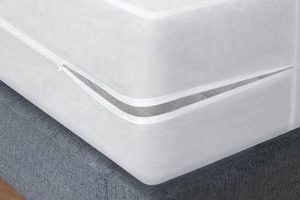
A mattress protector typically covers the top surface and sides of the mattress, similar to a fitted sheet. A mattress encasement, on the other hand, completely surrounds the entire mattress, zipping closed to provide all-encompassing protection. Encasements are often preferred for bed bug and allergen control.
In summary, twin mattress protectors serve as a valuable investment in mattress hygiene and longevity. Selecting the appropriate type and adhering to proper care instructions ensures optimal performance and protection.
The subsequent section will provide a comparative analysis of various twin mattress protector brands and models, highlighting key features and performance metrics to facilitate informed purchasing decisions.
Conclusion
This exploration has underscored the significant role of twin mattress protectors in safeguarding bedding investments and promoting sleep hygiene. The multifaceted benefits, encompassing waterproof barriers, allergen control, bed bug defense, breathability considerations, and the necessity of a proper fit, collectively contribute to an extended mattress lifespan and a more sanitary sleep environment. The informed selection and diligent maintenance of these protectors are paramount to realizing their full potential.
The implementation of appropriate bedding protection strategies reflects a commitment to both economic prudence and personal well-being. The continued innovation in material science and protector design suggests an ongoing evolution in this product category, warranting continued attention from consumers seeking to optimize their sleep environment and protect their investments. The responsible procurement and utilization of these products represent a tangible step toward promoting a healthier and more sustainable lifestyle.