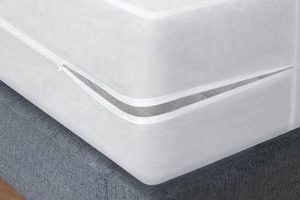
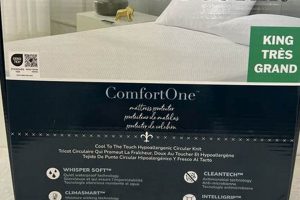
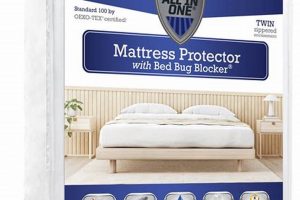
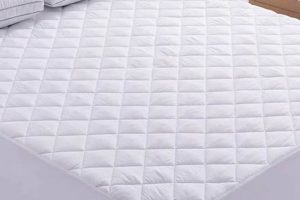
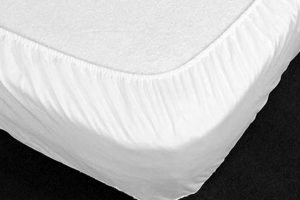
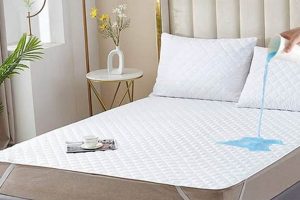
The central question addresses the washability of mattress protectors. These protective covers, designed to shield mattresses from spills, stains, and allergens, are commonly constructed from materials such as cotton, polyester, or polyurethane laminates. Considering their function, which inherently exposes them to potential soiling, understanding their cleanability is paramount.
Maintaining a clean sleeping environment is crucial for hygiene and overall health. A clean mattress protector extends the lifespan of the mattress itself by preventing the penetration of liquids and the accumulation of dust mites. Regular laundering of these items helps to remove allergens and bacteria, contributing to a healthier sleep experience. The ability to easily care for and clean this bedding component has significantly impacted mattress hygiene practices over time.
The subsequent sections will delve into specific cleaning instructions, material considerations, and drying methods to ensure the effective and appropriate maintenance of these essential bedding items. This will provide a detailed guide to achieving optimal hygiene and longevity of mattress protection.
Cleaning Mattress Protectors
Proper care ensures the longevity and effectiveness of mattress protectors. The following guidelines offer a structured approach to maintaining these essential bedding items.
Tip 1: Consult the Care Label: Always refer to the manufacturer’s instructions before cleaning. The care label provides specific recommendations regarding water temperature, detergent type, and drying methods suitable for the protector’s material composition.
Tip 2: Pre-Treat Stains: Address any visible stains prior to washing. Use a mild stain remover or a solution of diluted detergent. Gently blot the affected area and allow the solution to sit for a few minutes before proceeding with the wash cycle.
Tip 3: Use a Gentle Detergent: Opt for a mild, hypoallergenic detergent to avoid damaging the protector’s fibers or causing allergic reactions. Harsh chemicals and bleach should generally be avoided.
Tip 4: Wash on a Gentle Cycle: Select the gentle or delicate cycle on the washing machine. This reduces the risk of abrasion and potential damage to the protector’s waterproof lining, if present.
Tip 5: Consider Water Temperature: While some protectors can withstand warm water, cold water is often the safest option. Hot water can potentially shrink or degrade certain materials, particularly polyurethane laminates.
Tip 6: Tumble Dry on Low Heat: If the care label permits machine drying, use the lowest heat setting. Excessive heat can compromise the integrity of the protector’s waterproof membrane or cause shrinkage. Alternatively, air drying is a preferred method.
Tip 7: Ensure Complete Drying: Before placing the protector back on the mattress, ensure it is completely dry. Dampness can lead to mold and mildew growth, negating the hygienic benefits of cleaning.
Following these recommendations helps maintain the integrity of mattress protectors and ensures a cleaner, healthier sleeping environment. Regular maintenance also contributes to the extended lifespan of the protector, offering long-term value.
The concluding section will provide a summary of the key considerations for the optimal care of mattress protectors, reinforcing the importance of proper cleaning techniques.
1. Material Type

The composition of a mattress protector significantly influences its washability. Different materials respond variably to cleaning processes, dictating optimal washing methods and impacting overall durability. Selecting the appropriate cleaning approach based on material is essential.
- Cotton Protectors
Cotton protectors are generally more tolerant of higher washing temperatures and more robust agitation. This is because cotton fibers are naturally durable and less prone to damage from heat. Washing cotton protectors in warm water can effectively remove stains and allergens. They can also typically withstand machine drying on medium heat, contributing to ease of care.
- Polyester Protectors
Polyester protectors exhibit different characteristics. While generally durable, polyester is susceptible to damage at high temperatures. Washing polyester protectors requires lower heat and milder detergents. Excessive heat can lead to shrinkage or fiber degradation. Air drying is often preferable to machine drying to preserve the material’s integrity. These protectors are also more stain-resistant than cotton, but require more cleaning if stained.
- Waterproof Protectors with Polyurethane Laminates
Mattress protectors incorporating a waterproof layer, typically a polyurethane laminate, demand specific care. High heat can delaminate or damage the waterproof membrane, compromising its functionality. Cold or lukewarm water, gentle detergents, and air drying are essential to maintaining the protector’s waterproof properties. Aggressive washing can create cracks in the membrane.
- Specialty Fiber Protectors (e.g., Bamboo, Tencel)
Protectors made from specialty fibers like bamboo or Tencel require gentle handling. These materials are known for their softness and moisture-wicking properties, but they can be delicate. Cold water washing and air drying are typically recommended to prevent shrinkage or damage. Harsh detergents should be avoided to preserve the fiber’s natural qualities.
Ultimately, material composition dictates the acceptable washing parameters for mattress protectors. Careful attention to these material-specific considerations ensures effective cleaning while minimizing the risk of damage, maximizing the lifespan of the protector. These guidelines underscore the importance of consulting the care label and adjusting cleaning practices accordingly.
2. Care Label

The care label serves as the definitive guide for determining whether and how a mattress protector can be washed. It is a direct communication from the manufacturer, providing crucial information about the protector’s material composition and the recommended cleaning procedures. Failure to adhere to these guidelines can lead to damage, reducing the protector’s effectiveness and lifespan. For example, attempting to machine wash a protector specifically labeled for hand washing only will likely result in irreversible damage to the material, rendering it unusable.
The presence of specific symbols or written instructions on the care label dictates the acceptable water temperature, detergent type, and drying methods. These instructions are not arbitrary; they are based on the material’s reaction to various cleaning agents and temperatures. Consider a protector with a waterproof membrane. The care label will explicitly warn against high heat, as it can compromise the membrane’s integrity, causing it to crack or delaminate. Similarly, a protector made of delicate natural fibers may require specialized detergents to prevent damage or discoloration. Ignoring these stipulations results in reduced cleaning and ineffective protection.
In summary, the care label is an indispensable resource for proper maintenance of mattress protectors. Adhering to the guidelines detailed on the label ensures effective cleaning while preventing damage, ultimately preserving the protector’s functionality and extending its lifespan. Ignoring the care label poses a significant risk of rendering the protector ineffective, negating its purpose of safeguarding the mattress from spills, stains, and allergens.
3. Water Temperature

Water temperature exerts a considerable influence on the efficacy and safety of laundering mattress protectors. Selecting the appropriate temperature is pivotal in removing soils and allergens while safeguarding the protector’s structural integrity.
- Material Degradation
Elevated water temperatures can degrade certain materials commonly found in mattress protectors. Specifically, polyurethane laminates used for waterproofing are susceptible to damage from excessive heat, potentially causing delamination or cracking. This damage compromises the protector’s primary function of preventing liquid penetration. Examples of this include warped waterproof coating due to hot water washing and damaged laminated surfaces after hot water washing.
- Fiber Shrinkage
Natural fibers, such as cotton, are prone to shrinkage when exposed to hot water. Shrinkage can alter the protector’s fit, rendering it incompatible with the mattress. While some preshrinking processes mitigate this risk, consistent exposure to high temperatures can still result in dimensional changes. A protector that has shrunk will no longer fit the mattress and offer protection. If one uses a king size protector on a king size mattress, but the protector has shrunk, then it will no longer fit the bed correctly.
- Detergent Activation
Water temperature affects the efficacy of detergents. Some detergents are formulated to perform optimally at specific temperatures. Enzymes in certain detergents, for example, function best in warm water, enhancing their ability to break down stains and soils. Failure to use the recommended water temperature can hinder the detergent’s cleaning power, resulting in incomplete soil removal. In cold water, some detergents may not dissolve properly. Thus, cold water could hinder stain removal.
- Colorfastness
High water temperatures can accelerate dye fading, particularly in colored mattress protectors. This can lead to discoloration and an aesthetically unappealing appearance. While fading does not necessarily compromise the protector’s functionality, it can impact its perceived cleanliness. Inexpensive dyes can easily run and make the mattress protector look old. This is because lower quality dyes may not be effective at retaining color after cleaning.
In summary, water temperature is a critical factor in whether mattress protectors can be washed effectively and safely. Adhering to the manufacturer’s recommendations regarding water temperature, as indicated on the care label, minimizes the risk of material degradation, shrinkage, reduced detergent efficacy, and color fading. The result is a clean, functional protector that continues to safeguard the mattress.
4. Detergent selection

The choice of detergent is inextricably linked to the effective cleaning and maintenance of mattress protectors. Inappropriate detergent selection can compromise the integrity of the protector’s materials, potentially diminishing its protective capabilities or shortening its lifespan. The fundamental consideration is the material composition of the protector, as different fibers and laminates exhibit varying sensitivities to chemical exposure. For instance, harsh detergents containing bleach or enzymes may degrade waterproof membranes or damage delicate natural fibers, such as those found in bamboo or Tencel protectors. Conversely, using an insufficiently powerful detergent may fail to adequately remove stains, allergens, and accumulated soils, negating the primary purpose of regular cleaning. Thus, detergent selection directly influences the effectiveness of the cleaning process, either enhancing or impeding the desired outcome.
Practical application necessitates considering specific detergent types in relation to common mattress protector materials. For protectors with waterproof layers, mild, hypoallergenic detergents are often recommended to prevent damage to the laminate. These detergents typically lack harsh chemicals that can cause cracking or delamination. Similarly, for protectors made of natural fibers, detergents formulated for delicate fabrics are preferable. These detergents often have a neutral pH and are free of enzymes that can break down the fibers. Using these specified detergents is essential for material and product longevity. The consequence of ignoring these material-specific requirements can be costly, resulting in the premature replacement of damaged protectors and the potential exposure of the mattress to contaminants.
In summary, detergent selection is a crucial component of effective mattress protector maintenance. The relationship between the protector’s material and the detergent’s chemical composition determines the success of the cleaning process. By carefully considering the specific requirements of the protector, an appropriate detergent can be chosen to maximize cleaning efficacy while preserving the material’s integrity. This conscientious approach ensures a cleaner, healthier sleep environment and extends the useful life of the mattress protector.
5. Drying method

The drying method employed after washing significantly impacts a mattress protector’s integrity and lifespan. Whether the protector can be effectively washed is intrinsically linked to how it is dried. Incorrect drying can negate the benefits of washing, causing damage that renders the protector unusable or less effective. A primary consideration is the material composition; materials such as polyurethane laminates, commonly found in waterproof protectors, are susceptible to damage from high heat. For instance, machine drying on high heat can cause the laminate to melt, crack, or delaminate, compromising its ability to prevent liquids from penetrating the mattress. This, in effect, makes the washing process futile if the protector’s functionality is subsequently destroyed during drying. Thus, understanding and adhering to recommended drying methods is a critical component of successful mattress protector maintenance.
Specific drying methods include air drying, tumble drying on low heat, and professional cleaning. Air drying, often considered the safest option, involves hanging the protector in a well-ventilated area, allowing it to dry naturally. This method avoids the risks associated with high heat. Tumble drying on low heat is permissible for some protectors, but requires careful monitoring to prevent overheating. The care label provides specific guidance on whether machine drying is acceptable and, if so, the appropriate temperature setting. Professional cleaning, while less common, may be necessary for protectors with complex constructions or delicate materials. Each method presents distinct advantages and disadvantages, but the underlying principle remains consistent: preserving the protector’s integrity is paramount. Consider the example of a cotton mattress protector that shrinks significantly when exposed to high heat in a dryer, therefore the protector can no longer be used.
In summary, the connection between the drying method and the ability to wash mattress protectors successfully is undeniable. Selecting the appropriate drying method, based on the protector’s material and the manufacturer’s recommendations, is essential for maintaining its functionality and extending its lifespan. Failure to adhere to these guidelines can lead to irreversible damage, negating the benefits of washing. The careful selection and implementation of a suitable drying method, therefore, represent a critical step in ensuring the effective and long-term performance of mattress protectors. The overall goal is to ensure that all precautions were taken during the drying process.
6. Frequency needed
The relationship between the necessity of cleaning mattress protectors and the ability to clean them is intrinsically linked by hygiene, maintenance, and lifespan considerations. The frequency needed for washing a protector is directly proportional to its exposure to contaminants and its material composition. Greater exposure to spills, sweat, allergens, or dust mites necessitates more frequent laundering. Materials that readily absorb moisture and harbor allergens also require more frequent washing to maintain a hygienic sleep environment. The very ability to wash the protector allows for the repeated removal of these contaminants, thus supporting the prolonged use of the protector. Failure to wash the protector with sufficient frequency can lead to the accumulation of allergens, stains, and odors, thereby compromising its protective function and potentially affecting the sleeper’s health. For example, an individual with allergies may experience exacerbated symptoms if a mattress protector laden with dust mites is not washed regularly. The practical consequence of ignoring appropriate frequency is a reduced ability of the protector to maintain a clean sleep surface.
The influence of material on the required washing frequency is significant. Cotton protectors, known for their breathability, may require more frequent washing due to their absorbent nature. Waterproof protectors, while resistant to liquid penetration, can still accumulate surface contaminants and require regular cleaning to prevent odor buildup. Furthermore, the intended use of the protector also dictates the washing frequency. A protector used in a guest room, experiencing infrequent use, will require less frequent washing than one used nightly by a child or someone prone to night sweats. Therefore, assessing both the material and the usage patterns is crucial in determining the appropriate washing schedule. For instance, a protector used by an incontinent individual may require daily washing to prevent mattress damage and maintain hygiene. Ignoring the connection between material, usage, and washing frequency can result in either excessive laundering, which may prematurely degrade the protector, or insufficient cleaning, leading to a compromised sleep environment.
In summary, the frequency needed to wash mattress protectors is a critical determinant of their long-term effectiveness and contribution to a clean sleep surface. It is influenced by material type, usage patterns, and individual hygiene needs. The ability to wash these protectors regularly allows for the removal of contaminants, contributing to a healthier sleep environment and extending the lifespan of both the protector and the mattress. Challenges arise in balancing the need for frequent cleaning with the desire to avoid premature wear and tear. Adhering to the manufacturer’s recommendations and considering individual circumstances is paramount in establishing an appropriate washing schedule. Therefore, the need for more or less washing is an important consideration.
7. Stain pre-treatment
The effectiveness of laundering mattress protectors is significantly enhanced by stain pre-treatment. The ability to wash the protector does not guarantee complete stain removal; embedded or set-in stains often require specific intervention prior to the general wash cycle. Pre-treatment serves as a targeted attack on blemishes, loosening the staining agents and preventing them from permanently bonding with the fabric fibers. Failure to pre-treat may result in residual staining, rendering the wash cycle less effective and potentially shortening the protectors usable lifespan. An instance of this is the ineffective removal of blood stains if not addressed promptly with a cold water soak and stain remover before machine washing. The practical consequence of neglecting pre-treatment is a less hygienic sleeping environment and the potential for permanent disfigurement of the protector.
Various methods of stain pre-treatment exist, each tailored to different stain types and fabric compositions. Enzymatic stain removers are particularly effective against organic stains, such as blood, sweat, or urine, breaking down the complex molecules into smaller, more easily washable components. Solvent-based stain removers are suitable for oil-based stains, dissolving the greasy residue. Mild detergents, diluted in water, can be used for general stain removal, acting as a gentle pre-wash. The choice of pre-treatment agent should be guided by the nature of the stain and the manufacturer’s recommendations for the protector material. For example, using bleach on a colored protector can lead to irreversible discoloration, whereas a targeted application of an enzymatic stain remover might effectively lift an organic stain without damaging the fabric. This targeted approach increases the likelihood of a successful wash cycle and preserves the protector’s aesthetic appeal.
In summary, stain pre-treatment is an integral component of a comprehensive mattress protector cleaning strategy. It directly influences the ultimate cleanliness and longevity of the protector. While the capacity to wash mattress protectors provides a means of general cleaning, pre-treatment addresses stubborn stains that would otherwise persist. Successful pre-treatment requires careful selection of appropriate cleaning agents and adherence to manufacturer’s guidelines, ensuring that the protector’s integrity is maintained while maximizing stain removal efficacy. Ignoring pre-treatment can lead to less effective washing and the potential for permanent stains, underscoring the practical significance of this often-overlooked step.
Frequently Asked Questions
This section addresses common inquiries regarding the cleaning and maintenance of mattress protectors, providing guidance on ensuring both hygiene and longevity.
Question 1: Is every mattress protector washable?
Not all mattress protectors are created equal; washability depends on the materials used. Consult the care label for specific instructions.
Question 2: What water temperature is appropriate for washing a mattress protector?
The care label specifies the recommended water temperature. Generally, cold or lukewarm water is preferred to prevent damage to the protector’s materials.
Question 3: Can bleach be used to clean a mattress protector?
Bleach is often detrimental to mattress protector materials, particularly waterproof laminates and delicate fabrics. Consult the care label for specific recommendations.
Question 4: How often should a mattress protector be washed?
Washing frequency depends on usage and material. A general guideline is every one to two months, or more frequently if spills or accidents occur.
Question 5: Can mattress protectors be tumble dried?
Some protectors can be tumble dried on low heat. High heat can damage waterproof membranes and cause shrinkage. Air drying is often the safest option.
Question 6: What type of detergent should be used?
A mild, hypoallergenic detergent is generally recommended. Harsh detergents can damage the protector’s fibers and cause allergic reactions.
Following these guidelines contributes to the effective maintenance of mattress protectors, ensuring a cleaner sleep environment and extending the product’s lifespan.
The subsequent section will offer a checklist for mattress protector cleaning process, emphasizing key considerations for optimal care.
Conclusion
The preceding exploration has addressed the crucial question: can mattress protectors be washed? The affirmative response is contingent upon material composition, adherence to manufacturer’s instructions as detailed on the care label, and the employment of appropriate cleaning agents and methods. Successful laundering, encompassing stain pre-treatment, water temperature selection, detergent choice, and drying technique, directly impacts the protector’s longevity and its ability to effectively safeguard the mattress.
The informed consumer recognizes that regular and proper cleaning is not merely a matter of hygiene, but a vital component of responsible bedding maintenance. Neglecting these considerations risks compromising the sleep environment and diminishing the long-term value of both the mattress protector and the underlying mattress. The implementation of established best practices is therefore paramount to ensuring a clean, healthy, and protected sleep surface.