A standard-sized bed, often referred to as a double, measures approximately 54 inches wide and 75 inches long. This sleeping surface offers more space than a twin but less than a queen. An example of its use is in a guest room where space is limited, or for a single sleeper desiring additional room to stretch out.
The importance of this particular size lies in its versatility. It can comfortably accommodate a single adult and, in a pinch, can also serve as a bed for two smaller individuals. Historically, this dimension was a common standard for bedrooms, providing a balance between maximizing floor space and offering adequate sleeping area.
Having established the dimensions and utility of this common bed size, the following discussion will delve into specific aspects, including comparisons with other sizes, considerations for choosing the correct frame, and optimal bedding options to enhance sleep quality.
Tips for Selecting a Suitable Bed
The following guidelines offer practical advice for selecting a sleeping surface of this particular dimension to ensure comfort, durability, and suitability for individual needs and spatial constraints.
Tip 1: Consider Room Dimensions: Before purchasing this bed size, carefully measure the intended room. Ensure sufficient space for movement around the bed and for other furniture items, as this bed size takes significant floor area.
Tip 2: Assess Sleeper Needs: This size typically accommodates a single adult comfortably. Evaluate the sleeper’s size and sleeping habits (e.g., sprawling) to determine if this dimension provides sufficient space. If the individual is tall or tends to move significantly during sleep, consider a larger size.
Tip 3: Evaluate Mattress Type: Explore different mattress types (e.g., innerspring, memory foam, latex) within this size category. Each type offers varying levels of support, comfort, and temperature regulation. Conduct research and, if possible, test different mattresses to find the most suitable option.
Tip 4: Invest in a Quality Frame: Choose a sturdy and supportive bed frame designed for this specific dimension. A proper frame ensures mattress longevity, prevents sagging, and provides adequate support. Ensure the frame slats are closely spaced to provide even support.
Tip 5: Select Appropriate Bedding: Opt for bedding sets specifically designed for this size. Properly fitted sheets, comforters, and blankets enhance comfort and contribute to a well-made bed. Consider the material and thread count for optimal comfort and durability.
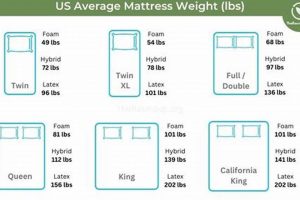
Tip 6: Consider Weight Capacity: Pay attention to the specified weight capacity of both the mattress and the bed frame. Exceeding these limits can compromise the structural integrity and shorten the lifespan of the sleep system.
Tip 7: Check the Foundation: Ensure the mattress has a proper foundation or box spring. An adequate foundation will not only extend the life of the mattress, but it also aids in providing the support needed for the end user.
By following these guidelines, individuals can make an informed decision when selecting a sleeping surface of this particular dimension, leading to improved sleep quality and long-term satisfaction.
The subsequent sections will explore specific brands and models, providing detailed reviews and comparisons to further assist in the decision-making process.
1. Dimensions

The specification of 54 inches by 75 inches is fundamental to defining this specific bed size. These dimensions are the industry standard, distinguishing it from other common sizes like twin, queen, and king. Understanding these measurements is crucial for selecting appropriate bedding, frames, and for space planning within a bedroom.
- Room Size Compatibility
The specified dimensions dictate the suitability of the bed for various room sizes. The 54″ x 75″ footprint is often optimal for smaller bedrooms or guest rooms where space is a premium. Its compactness allows for the inclusion of other essential furniture without overcrowding the room. In contrast, larger beds may dominate such spaces, hindering movement and usability. For example, a small apartment with an 8′ x 10′ bedroom would be well-suited for this size.
- Single Sleeper Accommodation
The dimensions provide ample sleeping space for a single adult. The 54-inch width offers sufficient room for comfortable movement and prevents feeling confined during sleep. While a twin size may be too narrow for some adults, this presents a compromise between space efficiency and sleeping comfort. However, for couples or individuals who prefer extensive personal space, a larger size may be more appropriate.
- Frame and Bedding Considerations
The precise measurements necessitate the selection of appropriately sized bed frames and bedding. A frame designed for this dimensions ensures proper support and prevents mattress sagging or instability. Similarly, sheets, comforters, and blankets must be specifically tailored to these dimensions to ensure a proper fit and prevent excessive overhang or insufficient coverage. Using bedding intended for a larger or smaller size can compromise comfort and aesthetics.
- Weight Distribution and Support
The dimensions are critical when considering the mattress’s ability to distribute weight evenly. A 54″ x 75″ mattress must be designed to provide adequate support across the entire surface area. Manufacturers take these dimensions into account when engineering the internal structure and materials of the mattress to prevent sagging or uneven wear. Insufficient support can lead to discomfort, poor sleep quality, and premature mattress degradation.
In conclusion, the precise dimensions of 54 inches by 75 inches are not merely arbitrary figures; they define a specific bed size that is intrinsically linked to room size compatibility, sleeper accommodation, frame and bedding requirements, and weight distribution characteristics. Recognizing the significance of these dimensions is essential for making an informed decision when selecting a sleeping surface tailored to individual needs and spatial constraints.
2. Sleeper Capacity

The specification “Sleeper Capacity: One adult” is a key characteristic in understanding the utility and application of this standard bed size. This designation directly influences its suitability for various individuals and living situations, shaping expectations regarding comfort and space utilization.
- Single Occupancy Comfort
The dimensions of this bed size are optimized for a single adult sleeper. The width allows for freedom of movement and prevents a feeling of constraint during sleep. While a twin bed may prove too narrow for some adults, this size offers a balanced compromise between space conservation and sleeping comfort. This factor is especially relevant for individuals residing in apartments or smaller homes where maximizing space is paramount. For example, a single professional living in a studio apartment often finds this an ideal size for both sleeping and allocating space for a living area.
- Guest Room Accommodation
This sleeping surface frequently serves as an appropriate choice for guest rooms intended for single visitors. The size provides sufficient comfort for a short-term stay without occupying excessive floor space. Its versatility makes it a practical option for accommodating varying guest needs, providing a suitable sleeping arrangement for individuals who may not require the expansive dimensions of a queen or king-sized bed. As an illustration, a spare bedroom in a family home might utilize this size to provide comfortable accommodation for visiting relatives or friends.
- Transitioning Children/Teenagers
As children transition from a twin bed to a larger sleeping surface, this size offers a suitable upgrade that provides more space without necessitating a significant increase in room size. This is an appealing option for growing children or teenagers who require additional room to stretch out during sleep. It represents a gradual step towards adult-sized bedding while still remaining proportional to the bedroom dimensions. For instance, a growing teenager moving out of a small room may opt for this size to improve their overall sleeping space and comfort.
- Limitations for Couples
While this size can, in some cases, accommodate two adults, it is generally not recommended for regular use by couples. The limited width provides significantly less personal space compared to larger options, potentially leading to discomfort and disrupted sleep. It is generally more practical for one person to sleep comfortably. A couple might temporarily use this option, but would typically prefer a larger size for longer-term use.
These facets collectively illustrate how the “Sleeper Capacity: One adult” designation shapes the application and value of this particular bed size. It serves as a practical and versatile option for single sleepers, guest rooms, and growing children, while also highlighting its limitations for couples seeking more spacious sleeping arrangements.
3. Space Efficiency
The attribute of space efficiency in smaller bedrooms is a primary consideration when evaluating this bed size. Its dimensions represent a compromise between sleeping comfort and conservation of living space, making it a practical choice for environments where square footage is limited.
- Optimal Footprint Utilization
This size allows for a functional bedroom layout, even in constrained spaces. Its relatively compact footprint permits the inclusion of other essential furniture, such as dressers, desks, or seating, without overcrowding the room. This balance is crucial for maintaining a comfortable and usable living area. Consider, for example, a studio apartment or a small guest room where maximizing floor space is essential; this dimension allows occupants to meet the needs of these dwellings without sacrificing the essentials.
- Adaptability to Multifunctional Spaces
In spaces serving multiple purposes, such as home offices or combined living and sleeping areas, the efficiency of this bed size is particularly advantageous. Its footprint allows for easy integration into a variety of layouts, providing a dedicated sleeping area without dominating the entire room. This adaptability is valuable for individuals who require a flexible living environment. For instance, a spare room used as both a guest room and a home office can accommodate this bed size without significantly impeding workspace functionality.
- Reduced Obstruction of Movement
Compared to larger bed sizes, this reduces obstruction of movement within a room, contributing to a more open and accessible environment. The reduced footprint allows for easier navigation around the bed, minimizing the risk of bumping into furniture and improving overall room flow. This factor is particularly important in smaller bedrooms where space is at a premium and ease of movement is highly valued. In a child’s bedroom, this would provide a safer and more accessible environment for both play and rest.
- Enhanced Aesthetic Balance
The space-saving nature of this size often results in a more balanced and aesthetically pleasing room composition. The bed does not overwhelm the available space, allowing other design elements to contribute to the overall visual appeal. This is important for creating a harmonious and inviting bedroom environment. In a modern and minimalist room, this may be a better match to the overall design of the dwelling.
These facets demonstrate how the space efficiency of this bed size directly contributes to its suitability for smaller bedrooms. By optimizing footprint utilization, adapting to multifunctional spaces, reducing obstruction of movement, and enhancing aesthetic balance, this dimensions provides a practical and comfortable sleeping solution for individuals living in constrained environments.
4. Cost-Effectiveness

The economic advantage of this standard bed size, positioned as a budget-friendly option, stems from several factors that contribute to its overall affordability, from initial purchase price to long-term maintenance costs.
- Lower Initial Investment
Generally, this standard bed size presents a lower initial purchase price compared to larger sizes, such as queen or king. Reduced material requirements during manufacturing translate directly into lower production costs, which are then reflected in the retail price. This makes the size an accessible option for individuals or families operating within a constrained budget. For instance, students furnishing their first apartment or individuals setting up a guest room may find this a more manageable expense compared to larger alternatives.
- Reduced Bedding Costs
Bedding and accessories designed for this sleeping surface are typically less expensive than those for larger sizes. Smaller dimensions require less fabric for sheets, comforters, and blankets, leading to lower production costs and, consequently, lower retail prices. This can result in significant savings over the lifespan of the bed, particularly for individuals who frequently replace or update their bedding. For example, replacing a complete bedding set for this size is noticeably more affordable than replacing a similar set for a king-sized bed.
- Frame Affordability
Bed frames designed for this bed size often carry a lower price tag compared to larger frames. The reduced size and weight requirements typically translate into simpler designs and reduced material usage, resulting in lower manufacturing costs. This makes finding a suitable and supportive frame more accessible to budget-conscious consumers. Purchasing a platform bed designed for this size versus a queen is a typical example.
- Lower Transportation Costs
The smaller size and lighter weight of this bedding standard can contribute to lower transportation costs, whether purchased online or in-store. Shipping fees are often calculated based on dimensions and weight, and the reduced size of this sleeping surface can result in lower delivery charges. Similarly, transporting the bed in a personal vehicle is often easier and less expensive compared to larger sizes. This can become relevant when moving from one residence to another.
Collectively, these facets highlight the economic advantages associated with this sleeping surface. The lower initial investment, reduced bedding costs, frame affordability, and potentially lower transportation costs contribute to its position as a budget-friendly option. This makes it a practical choice for individuals or families seeking a comfortable and functional sleeping solution without incurring the higher expenses associated with larger bed sizes. For instance, it is possible to upgrade to a quality mattress within this dimensions, while staying within the confines of a set budget.
5. Versatility
The versatility of this sleeping surface, particularly within guest rooms and limited living areas, is a direct consequence of its dimensions and design. Its size strikes a balance, offering adequate sleeping space for a single adult while minimizing its physical footprint. This characteristic makes it a practical choice for environments where space efficiency is paramount. Guest rooms, by nature, are often secondary spaces that must accommodate occasional visitors without permanently sacrificing valuable square footage. A bed of this dimension provides a comfortable sleeping area without overwhelming the room, allowing it to retain its utility for other purposes when not in use. Similarly, in small apartments or studios, where every square foot must be carefully considered, its dimensions allows residents to furnish the essentials without crowding the room. For example, a multi-purpose room may utilize this bedding size so that it may be easily moved when being used as an exercise room, while still being on hand when needed for guests to sleep.
Further illustrating this versatility is the ease with which this bed size can be integrated into various room layouts. Unlike larger beds, which often dictate the arrangement of other furniture, this sleeping dimension provides greater flexibility in positioning and room design. In a guest room, this flexibility may translate into the ability to include additional seating, storage, or a desk without compromising the room’s functionality. In a small apartment, the bed may be positioned against a wall or in a corner to maximize floor space, leaving room for a living area or workspace. These considerations highlight the practical application of this space saving dimension, addressing the logistical and design challenges presented by limited square footage.
In summary, the versatility of this sleeping surface within guest rooms and small spaces is a key element of its overall utility. Its carefully considered dimensions make it a practical and adaptable choice for environments where space efficiency and flexibility are critical. Understanding this versatility allows consumers to make informed decisions, selecting a bed that meets their specific needs while optimizing the use of limited living space. One potential challenge remains the possibility that it is not large enough for all guests that may visit a home, or to comfortably fit a couple, and this should be weighed against its other benefits. However, by knowing the limitations, consumers can more comfortably choose what is right for them.
Frequently Asked Questions About this Standard Bed Size
This section addresses common inquiries regarding the dimensions, usage, and suitability of this standard-sized bed, offering concise and informative answers.
Question 1: What distinguishes this specific bed from other standard sizes, such as twin or queen?
This specific bed, often called a “double,” occupies a space between the twin and queen sizes. It is wider than a twin (approximately 39 inches) but narrower and shorter than a queen (approximately 60 inches wide and 80 inches long). This results in a bed suitable for one adult, providing more space than a twin but requiring less floor space than a queen.
Question 2: Is this bed suitable for couples?
While it can technically accommodate two adults, it is generally not recommended for regular use by couples. The limited width (approximately 54 inches) provides significantly less personal space compared to larger options, potentially leading to discomfort and disrupted sleep. Queen and king sizes are more appropriate for couples seeking comfortable sleeping arrangements.
Question 3: What are the ideal room dimensions for accommodating this bed?
A minimum room size of 10 feet by 10 feet is generally recommended to comfortably accommodate this bed along with other essential furniture items. Smaller rooms may feel cramped, while larger rooms offer greater flexibility in furniture placement. It is advisable to measure the room and plan the layout before purchasing to ensure adequate space.
Question 4: What types of bedding are required for this bed size?
Bedding specifically designed for this bed size is required to ensure a proper fit. Standard bedding sets typically include fitted sheets, flat sheets, pillowcases, and comforters or duvets. Using bedding intended for a larger or smaller bed size can result in improper fit and reduced comfort.
Question 5: Does this bed size have weight restrictions?
Yes, both the mattress and the bed frame have specified weight capacities. Exceeding these limits can compromise the structural integrity and shorten the lifespan of the sleep system. It is important to consult the manufacturer’s specifications to ensure that the combined weight of the sleeper(s) and bedding does not exceed the recommended weight limits.
Question 6: What are the common mattress types available in this bed size?
A variety of mattress types are available in this size, including innerspring, memory foam, latex, and hybrid models. Each type offers varying levels of support, comfort, and temperature regulation. The selection of a specific mattress type should be based on individual preferences and sleeping needs.
In summary, understanding the specific characteristics and limitations of this standard bed size is essential for making an informed decision. Factors such as sleeper capacity, room dimensions, bedding requirements, weight restrictions, and mattress types should be carefully considered to ensure optimal comfort and satisfaction.
The following section will delve into specific brand recommendations and model comparisons to further assist in the purchasing process.
Defining the Utility of a Bed of this Dimension
The preceding exploration of “what is a full mattress” has detailed its dimensions, capacity, spatial efficiency, cost-effectiveness, and versatility. It serves as a balanced option, more spacious than a twin yet more compact than a queen. The sleeping surface comfortably accommodates a single adult and suits smaller rooms. Its affordability and adaptability render it a pragmatic choice for various needs.
The significance of this understanding lies in informed decision-making. Recognizing the characteristics of “what is a full mattress” enables consumers to select a sleep solution tailored to individual requirements and spatial constraints. Continued evaluation of evolving mattress technologies and individual needs remains crucial for maximizing sleep quality and long-term satisfaction with this bed size.

![Best Simmons Full Mattress [Guide & Reviews] | Organic & Natural Mattress Buyer’s Guide: Non-Toxic Sleep Solutions](https://mattressworldpa.com/wp-content/uploads/2025/07/th-2917-300x200.jpg "Best Simmons Full Mattress [Guide & Reviews] Organic & Natural Mattress Buyer’s Guide: Non-Toxic Sleep Solutions")