![Best Full Bunk Bed Mattress [Comfort & Safety]](data:image/svg+xml;base64,PHN2ZyB4bWxucz0iaHR0cDovL3d3dy53My5vcmcvMjAwMC9zdmciIHdpZHRoPSI0NzQiIGhlaWdodD0iODkiIHZpZXdCb3g9IjAgMCA0NzQgODkiPjxyZWN0IHdpZHRoPSIxMDAlIiBoZWlnaHQ9IjEwMCUiIHN0eWxlPSJmaWxsOiNjZmQ0ZGI7ZmlsbC1vcGFjaXR5OiAwLjE7Ii8+PC9zdmc+ "Best Full Bunk Bed Mattress [Comfort & Safety] Organic & Natural Mattress Buyer’s Guide: Non-Toxic Sleep Solutions")
A sleeping surface designed to fit the dimensions of a double-sized frame specifically constructed for elevated sleeping arrangements. These mattresses are typically used in situations where space efficiency is paramount, such as dormitories, children’s rooms, or vacation rentals. They measure approximately 54 inches wide and 75 inches long, mirroring the standard double-size dimensions but are often subject to height restrictions to comply with bunk bed safety guidelines.
Choosing the appropriate sleeping surface for elevated beds is critical for safety and comfort. The reduced headroom on the top bunk necessitates careful consideration of the mattress’s thickness to ensure adequate clearance between the sleeper and the upper structure. Furthermore, a properly sized sleeping platform prevents shifting and potential falls, contributing to a safer sleep environment. Historically, these space-saving bed configurations have evolved from utilitarian designs to incorporating features that prioritize occupant well-being and aesthetic appeal.
The subsequent sections will delve into various aspects of these specialized sleeping surfaces, including construction materials, safety regulations, and selection criteria to facilitate informed purchasing decisions.
Selecting an Appropriate Sleeping Surface for Bunk Beds
The selection process for a sleeping surface designed for double bunk bed frames requires careful consideration of several key factors. Prioritizing safety, comfort, and durability is essential for maximizing the utility of this space-saving furniture arrangement.
Tip 1: Measure Height Clearance: Accurately measure the distance between the top of the upper bunk’s support slats and the top of the guardrail. Ensure the selected mattress, when placed on the frame, leaves at least 5 inches of clearance above the top of the sleeping surface. Failure to adhere to this measurement significantly increases the risk of falls.
Tip 2: Adhere to Weight Limits: Consult the bunk bed frame manufacturer’s specified weight capacity for both the upper and lower bunks. Selecting a sleeping surface that, when combined with the occupant’s weight, exceeds these limits can compromise the structural integrity of the frame and create a hazardous situation.
Tip 3: Prioritize Flame Resistance: Confirm that the selected sleeping surface meets or exceeds all applicable flammability standards, such as those set by the Consumer Product Safety Commission (CPSC). Look for labeling that indicates compliance with these regulations. Fire safety is paramount, especially in multi-occupancy settings.
Tip 4: Consider Mattress Type: Evaluate the suitability of different mattress types, such as innerspring, memory foam, or latex, based on individual comfort preferences and the specific needs of the occupant. For example, memory foam may be preferable for pressure relief, while innerspring models may offer better support.
Tip 5: Inspect Edge Support: Examine the edge support of the mattress. A sturdy edge helps prevent roll-off, enhances stability, and provides a more usable sleeping area. This is particularly important for upper bunks, where the risk of falling is greater.
Tip 6: Factor in Thickness: The mattress’s thickness affects headroom on the upper bunk. A thinner mattress is often recommended to maximize the available space and ensure comfortable movement for the person sleeping on top.
Tip 7: Ensure a Snug Fit: A sleeping surface that fits snugly within the bunk bed frame is essential. Avoid gaps between the mattress and the frame, as these can create pinch points or potential fall hazards.
These tips highlight the importance of selecting a bunk bed sleeping surface that meets stringent safety standards while also delivering optimal comfort. Paying attention to these factors contributes to a safer and more enjoyable sleeping experience.
The subsequent section will examine various manufacturers and models available on the market, further assisting in the selection process.
1. Dimensions

The precise dimensions of a sleeping surface intended for a double bunk bed configuration are of paramount importance. Deviations from the specified measurements can compromise safety, comfort, and the overall structural integrity of the bed frame. Adherence to standardized measurements is not merely a suggestion but a critical requirement for ensuring the safe and effective use of the bed.
- Standard Length and Width
A standard double bunk bed sleeping surface is typically 54 inches wide and 75 inches long. These dimensions must align precisely with the interior frame of the bunk bed. Any discrepancy, even a minor one, can lead to instability, uneven weight distribution, and an increased risk of the sleeping surface dislodging from the frame. For example, a mattress that is too narrow may shift during use, creating a gap that could result in a fall, while a mattress that is too long may not fit within the frame, causing structural stress and potential damage.
- Thickness Limitations
The thickness of a bunk bed sleeping surface is subject to limitations imposed by safety regulations and practical considerations. Excessive thickness reduces the available headroom on the upper bunk, increasing the risk of head injuries. Conversely, insufficient thickness may compromise comfort and support, potentially leading to discomfort or back pain. The selection of thickness should therefore balance the need for adequate support with the requirement for sufficient headroom, typically adhering to a maximum thickness specified by the bunk bed manufacturer.
- Impact on Weight Distribution
The dimensions directly influence the distribution of weight across the bunk bed frame. An improperly sized sleeping surface can create concentrated stress points, potentially weakening the frame over time. Consistent and even weight distribution is essential for maintaining the structural integrity of the bed and ensuring the safety of its occupants. This necessitates precise adherence to dimensional specifications to prevent localized stress and promote overall stability.
- Consequences of Mismatched Dimensions
Failing to match the sleeping surface dimensions to the bunk bed frame can result in a range of adverse consequences. These include increased risk of falls, compromised structural stability of the bed, reduced comfort for the sleeper, and potential violation of safety regulations. A meticulously measured and fitted sleeping surface is not merely an aesthetic consideration but a fundamental safety requirement.
In summary, the dimensions of a double bunk bed sleeping surface are a critical determinant of safety, comfort, and structural integrity. Strict adherence to standardized measurements and consideration of thickness limitations are essential for ensuring the safe and effective use of bunk beds.
2. Thickness

The thickness of a sleeping surface significantly impacts its suitability for use on a double bunk bed. This parameter is directly related to both safety and comfort, influencing factors such as available headroom on the upper bunk and the overall support provided to the sleeper. In bunk bed configurations, excessive mattress thickness can substantially reduce the vertical space between the sleeping surface and the upper bunk frame, potentially leading to head injuries. Conversely, insufficient thickness may compromise support, resulting in discomfort and inadequate spinal alignment.
Regulatory bodies, such as the Consumer Product Safety Commission (CPSC), provide guidelines regarding maximum mattress thickness for bunk beds to mitigate safety risks. For example, a bunk bed with a low upper rail might necessitate a thinner mattress to ensure adequate headroom. The material composition of the mattress also interacts with its thickness; a dense memory foam mattress might offer sufficient support even at a reduced thickness compared to a less dense innerspring model. The interplay between thickness and material is crucial for optimizing both safety and comfort. For instance, in dormitory settings where bunk beds are common, the chosen mattress thickness should align with the average height of residents to guarantee safe and comfortable use for a wide range of individuals.
Therefore, selecting a double bunk bed sleeping surface necessitates a careful evaluation of its thickness, considering both regulatory guidelines and the physical characteristics of the intended users. A balance must be struck between minimizing the risk of head injuries and ensuring adequate support for restful sleep. A well-chosen mattress thickness contributes significantly to the overall safety and functionality of the bunk bed.
3. Material

The material composition of a sleeping surface for double bunk bed frames is a critical determinant of its overall performance, influencing factors such as comfort, durability, support, and safety. The selection of materials impacts not only the sleeper’s immediate experience but also the long-term value and suitability of the mattress.
- Foam Density and Composition
Foam, commonly used in sleeping surfaces, varies significantly in density and composition. High-density memory foam offers superior pressure relief and body contouring, promoting spinal alignment and reducing discomfort. Conversely, lower-density foams may degrade more rapidly, compromising long-term support and leading to sagging. Polyurethane foam, often used as a base layer, provides a stable foundation, while gel-infused foams can regulate temperature, enhancing sleep comfort. The specific blend of foams directly affects the overall feel and performance of the sleeping surface, influencing its suitability for different sleepers and applications. For example, a higher density foam would be suitable for a heavier person on the lower bunk, whereas a lower density foam could work for a child on the upper bunk.
- Innerspring Coil Systems
Innerspring systems, consisting of interconnected or individually wrapped coils, contribute significantly to the support and responsiveness of the sleeping surface. Coil gauge, the thickness of the wire used in the coils, affects firmness and durability. Higher gauge coils provide a firmer feel and greater resistance to compression, while lower gauge coils offer a softer, more yielding support. The configuration of the coils, such as Bonnell, offset, or pocketed coils, also influences motion isolation and contouring. Pocketed coils, for instance, minimize motion transfer, making them suitable for shared sleeping arrangements. The type of innerspring system directly impacts the feel of the sleeping surface, which is essential in the overall comfort of the bed.
- Fabric Coverings and Fire Retardants
The fabric covering of a sleeping surface serves multiple functions, including enhancing comfort, regulating temperature, and providing a protective barrier against allergens and dust mites. Common materials include cotton, polyester, and rayon blends. Natural fibers, such as cotton and bamboo, offer breathability and moisture-wicking properties, while synthetic fibers may provide increased durability and stain resistance. In addition to comfort and hygiene, fabric coverings must comply with flammability standards, often achieved through the application of fire-retardant chemicals. The composition of the fabric covering and the inclusion of fire retardants directly influence the safety and comfort of the sleeping surface. The choice of a natural flame retardant like wool or silica will impact the cost of the bed.
- Edge Support Systems
Edge support systems reinforce the perimeter of the sleeping surface, preventing sagging and enhancing stability. These systems may consist of reinforced foam rails, steel perimeter wires, or specialized coil configurations. Adequate edge support expands the usable sleeping area and prevents roll-off, particularly important in bunk bed configurations. The type and effectiveness of the edge support system directly influence the comfort and safety of the sleeping surface, contributing to a more stable and secure sleeping environment. A good edge support system will help with getting in and out of a bunk bed as well, especially for older users.
The material components of a sleeping surface for double bunk bed frames represent a complex interplay of factors influencing comfort, support, durability, and safety. Careful consideration of these materials is essential for selecting a product that meets the specific needs and preferences of the user, ensuring a comfortable and secure sleeping experience. The interaction of materials will determine how well the mattress fits the frame.
4. Support

The relationship between support and a double bunk bed sleeping surface is fundamental to user well-being and safety. Support, in this context, refers to the ability of the sleeping surface to maintain proper spinal alignment, distribute weight evenly, and prevent excessive sagging. These attributes directly influence the sleeper’s comfort, reduce the risk of musculoskeletal issues, and enhance overall sleep quality. A sleeping surface lacking adequate support may lead to discomfort, back pain, and compromised sleep, particularly detrimental in developing children and adolescents who frequently use bunk beds. For example, a double bunk bed sleeping surface composed of low-density foam may compress excessively under the sleeper’s weight, causing spinal misalignment and discomfort. Conversely, a sleeping surface with a robust innerspring system or high-density foam core provides consistent support, minimizing pressure points and promoting healthy spinal posture.
The practical significance of adequate support extends to safety considerations within a bunk bed environment. Sagging sleeping surfaces increase the risk of rolling off the bed, especially from the upper bunk. A firm, supportive surface maintains a more stable sleeping platform, reducing the likelihood of falls and injuries. Additionally, proper support can enhance the longevity of the sleeping surface itself. A sleeping surface that retains its shape and firmness over time provides consistent comfort and reduces the need for frequent replacement. This is particularly important in institutional settings, such as dormitories or summer camps, where bunk beds are subjected to heavy use. To select an appropriate support for this use case, ensure that it includes high density foams.
In summary, the provision of adequate support is an indispensable feature of any double bunk bed sleeping surface. It directly impacts comfort, safety, and long-term durability. Selecting a sleeping surface with appropriate support characteristics is essential for promoting healthy sleep, preventing injuries, and maximizing the value of the bunk bed investment. A lack of support can lead to adverse health outcomes, reduced safety, and diminished product lifespan, underscoring the critical importance of this factor in the selection process.
5. Safety

The integration of safety measures into the design and selection of sleeping surfaces for double bunk beds is a paramount concern. These measures encompass various aspects, ranging from material flammability to structural stability, all aimed at minimizing potential risks to occupants. The inherent elevated nature of bunk beds necessitates stringent safety protocols to prevent falls, injuries, and other hazards.
- Flame Retardancy Standards
Compliance with federal flammability standards, such as those outlined by the Consumer Product Safety Commission (CPSC), is crucial. These standards mandate that mattress materials resist ignition and self-extinguish within a specified timeframe. Failure to adhere to these standards elevates the risk of fire-related injuries, particularly in environments where bunk beds are prevalent, such as dormitories and children’s rooms. For example, a mattress lacking proper fire-retardant treatments can rapidly ignite in the event of a fire, posing a significant threat to occupants.
- Edge Support and Fall Prevention
Robust edge support systems are essential for preventing falls from bunk beds. A well-designed edge support system, often consisting of reinforced foam or steel perimeter wires, provides a stable sleeping surface and prevents roll-off, especially from the upper bunk. Inadequate edge support increases the risk of occupants accidentally falling during sleep, leading to potential injuries. This is particularly important in shared sleeping environments, where movement during sleep is common.
- Mattress Thickness and Guardrail Height
The relationship between sleeping surface thickness and guardrail height is critical for fall prevention. Excessive mattress thickness reduces the effective height of the guardrail, diminishing its ability to prevent occupants from falling out of bed. Regulatory guidelines specify maximum mattress thicknesses to ensure adequate guardrail protection. A mattress that is too thick can compromise the safety of the upper bunk, especially for younger children who may be more prone to accidental falls.
- Material Toxicity and Allergen Control
The selection of non-toxic and hypoallergenic materials minimizes the risk of adverse health effects. Certain mattress materials may contain volatile organic compounds (VOCs) or allergens that can trigger respiratory problems or skin irritations. Certifications such as Oeko-Tex Standard 100 indicate that a mattress has been tested for harmful substances and is safe for use. Prioritizing materials that are free from harmful chemicals is especially important for children and individuals with sensitivities.
These safety facets are integral to the selection and use of sleeping surfaces in double bunk bed configurations. Adherence to flammability standards, robust edge support, appropriate mattress thickness relative to guardrail height, and the use of non-toxic materials are essential measures for ensuring the safety and well-being of bunk bed occupants. Neglecting these safety considerations can significantly increase the risk of injuries and health hazards, underscoring the critical importance of prioritizing safety in the selection process.
6. Weight
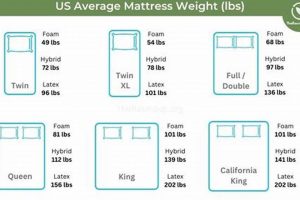
The weight of a double bunk bed sleeping surface is a crucial factor affecting both the structural integrity of the bed frame and the overall safety of its occupants. The frame is engineered to withstand a specific load, comprising the combined weight of the mattress and the individuals using the bed. Exceeding this weight limit can compromise the frame’s structural integrity, potentially leading to instability, damage, or even collapse. For example, a double bunk bed frame designed to support a maximum weight of 250 pounds per bunk may fail if loaded with a heavier sleeping surface and two adults exceeding that limit, resulting in a hazardous situation. The weight of the mattress should be carefully considered in conjunction with the intended users’ weights to ensure compliance with the manufacturer’s specifications. If these specifications are not followed, it may void the warranty of the bunk bed.
Furthermore, the weight distribution across the sleeping surface impacts its performance and longevity. Uneven weight distribution can lead to localized sagging or compression, compromising support and comfort. A heavier mattress may exacerbate this issue, particularly in areas where occupants tend to concentrate their weight. This effect can be mitigated by selecting a double bunk bed sleeping surface constructed from high-density materials that resist compression and distribute weight evenly across the frame. For instance, a sleeping surface with a high-density foam core and reinforced edge support is better equipped to withstand the concentrated weight of a sleeper, preventing sagging and maintaining proper spinal alignment. Additionally, consider that even weight distribution will make it easier to make up the bed.
In conclusion, the weight of a double bunk bed sleeping surface is a critical parameter that must be carefully considered to ensure the safety, stability, and longevity of the bed frame. Compliance with weight limits, selection of materials that promote even weight distribution, and regular inspection of the frame for signs of stress or damage are essential measures for mitigating potential risks. A thorough understanding of the weight-related factors is vital for ensuring a safe and comfortable sleeping environment for all occupants, and prolonging the usefulness of the bed set.
7. Durability

The durability of a sleeping surface tailored for double bunk bed frames directly influences its long-term performance and cost-effectiveness. These mattresses are subjected to unique stressors compared to those used in conventional bed setups. The elevated position of the upper bunk, combined with frequent use and potential weight fluctuations, places greater demands on the mattress’s structural integrity and material resistance. A durable mattress maintains its shape, support, and comfort level over an extended period, resisting sagging, compression, and wear. This is particularly important in environments with high occupancy rates or users who may subject the mattress to more rigorous use, such as children or those with mobility limitations. For instance, a well-constructed innerspring mattress with reinforced edge support can withstand repeated weight loading and minimize the risk of edge collapse, while a high-density foam mattress resists compression and retains its shape over time. A product made for durability should not be easily damaged and that will save money in the long run.
Furthermore, the durability of a double bunk bed sleeping surface affects its overall safety. A mattress that deteriorates rapidly may lose its structural integrity, increasing the risk of rolling off the bed or creating uneven sleeping surfaces. In institutional settings, such as dormitories or summer camps, where bunk beds are heavily utilized, durable mattresses are essential for maintaining a safe and hygienic sleeping environment. These mattresses must withstand frequent cleaning and sanitizing, as well as resist staining and odor absorption. Choosing materials that are resistant to microbial growth and easy to clean contributes to a healthier sleeping surface and extends the mattress’s lifespan. The durability feature is key for maintaining the hygiene level of the sleeping surfaces.
In conclusion, the durability of a sleeping surface designed for double bunk bed frames is a critical factor influencing its performance, safety, and long-term value. Selecting a mattress constructed from high-quality, resilient materials and designed to withstand the unique stressors of a bunk bed environment is essential for ensuring a comfortable, safe, and cost-effective sleeping solution. Neglecting durability considerations can lead to premature mattress failure, increased risk of injuries, and higher replacement costs, underscoring the importance of prioritizing durability in the selection process. A sleeping surface with great durability will make you confident with your purchase.
Frequently Asked Questions
The subsequent section addresses common inquiries regarding sleeping surfaces designed for double bunk bed configurations. This information aims to provide clarity and assist in making informed purchasing decisions.
Question 1: What are the standard dimensions for a sleeping surface intended for a double bunk bed?
The standard dimensions are typically 54 inches in width and 75 inches in length, mirroring the dimensions of a standard double-size sleeping surface. However, thickness must be carefully considered due to bunk bed safety requirements.
Question 2: Is a specialized sleeping surface required for bunk beds, or can any standard double sleeping surface be used?
A specialized sleeping surface is recommended due to height restrictions and safety concerns. Standard double mattresses may exceed the permissible thickness, reducing guardrail effectiveness.
Question 3: What is the maximum recommended thickness for a sleeping surface used on the upper bunk of a bunk bed?
The maximum recommended thickness varies based on the bunk bed’s design and guardrail height. Generally, it should not exceed 8 inches to ensure adequate guardrail protection. Consult the bunk bed manufacturer’s specifications for precise guidelines.
Question 4: What type of material is best suited for a bunk bed sleeping surface, considering safety and comfort?
Materials that combine support and fire resistance are optimal. High-density foam or innerspring models with fire-retardant treatments are commonly recommended.
Question 5: How does the weight of the sleeping surface affect the stability and safety of the bunk bed frame?
Excessive weight can compromise the frame’s structural integrity. Adhering to the manufacturer’s weight limit is essential to prevent damage or collapse.
Question 6: Are there specific safety certifications to look for when purchasing a sleeping surface for a double bunk bed?
Yes, certifications such as those from the Consumer Product Safety Commission (CPSC) and Oeko-Tex Standard 100 indicate compliance with safety and flammability standards.
These FAQs underscore the importance of considering specific factors when selecting a sleeping surface for double bunk bed arrangements. Prioritizing safety, dimensions, and material composition is crucial.
The subsequent section will provide information on maintaining and caring for a bunk bed sleeping surface to prolong its lifespan.
Conclusion
The preceding analysis has comprehensively examined the multifaceted considerations involved in selecting a full bunk bed mattress. Key aspects, including dimensions, thickness, material composition, support, safety regulations, weight limitations, and durability, have been explored to provide a thorough understanding of the factors influencing optimal mattress selection for these specialized bed configurations. This examination highlights the necessity of informed decision-making to ensure both user comfort and structural safety.
The choice of an appropriate full bunk bed mattress transcends mere comfort; it is a critical element in promoting safety and well-being within the sleeping environment. Prioritizing adherence to safety standards, careful consideration of weight limits, and selection of durable materials are paramount. Future advancements in material science and manufacturing processes may further enhance the safety and comfort of these essential components of space-efficient sleeping arrangements. Diligence in selection and maintenance remains the responsibility of consumers and institutions alike.
![Best Simmons Full Mattress [Guide & Reviews] | Organic & Natural Mattress Buyer’s Guide: Non-Toxic Sleep Solutions](https://mattressworldpa.com/wp-content/uploads/2025/07/th-2917-300x200.jpg "Best Simmons Full Mattress [Guide & Reviews] Organic & Natural Mattress Buyer’s Guide: Non-Toxic Sleep Solutions")