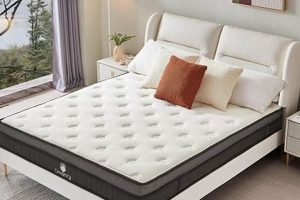
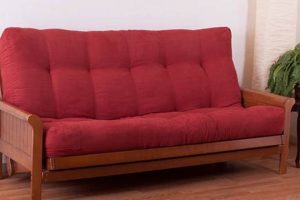
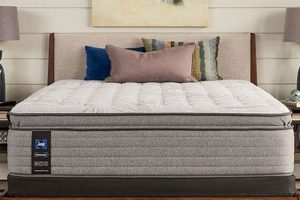
A sleeping platform commonly found in recreational vehicles that measures approximately 54 inches wide and 75 inches long is a standard fitting. This size offers a balance between sleeping space and maximizing available room within the confines of a camper. It’s wider than a twin but narrower than a queen, making it suitable for single sleepers seeking extra space or couples who prioritize compactness.
Employing this specific dimension in a camper offers several advantages. It allows for more efficient floor plan designs, preserving valuable living space. Furthermore, the availability of bedding and accessories designed for these dimensions is extensive. Historically, these sizes were adopted to optimize comfort in the limited space of early campers, a design principle that continues to influence modern RV construction.
The subsequent sections will delve into the factors to consider when selecting such a sleep surface, material options, and methods for optimizing comfort within the confined spaces of a recreational vehicle. We will also explore durability aspects, ensuring longevity and sustained support for the user.
Camper Full Size Mattress
Proper selection and maintenance of a camper sleep surface are crucial for comfort and longevity during travel. These tips address key considerations to optimize the sleeping experience within the confines of a recreational vehicle.
Tip 1: Consider Density. A higher-density foam or innerspring unit provides superior support and resists compression over time, particularly important for prolonged use. Verify the density specifications before purchase.
Tip 2: Evaluate Material Breathability. Materials that promote airflow, such as open-cell foam or fabrics with moisture-wicking properties, help regulate temperature and minimize discomfort from trapped humidity.
Tip 3: Measure Dimensions Accurately. Precise measurements are essential. Confirm that the selected unit precisely fits the designated space within the camper. Minor discrepancies can lead to discomfort or installation issues.
Tip 4: Investigate Cover Durability. The cover material should be resistant to abrasion, tearing, and staining. A durable cover extends the life of the sleep surface and protects against spills and wear.
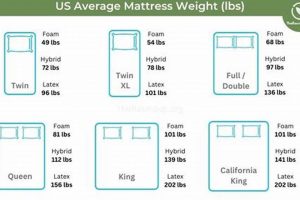
Tip 5: Assess Weight Considerations. The weight of the unit contributes to the overall load of the camper. Prioritize lightweight materials without compromising support to optimize fuel efficiency and handling.
Tip 6: Incorporate a Mattress Protector. A waterproof mattress protector safeguards against spills and accidents, preventing moisture damage and prolonging the unit’s lifespan.
Tip 7: Rotate Regularly. Periodic rotation of the sleep surface distributes wear evenly and prevents localized compression, extending its useful life.
Following these guidelines will improve comfort, enhance durability, and optimize the overall sleeping experience within a camper. Selecting the appropriate materials and ensuring proper maintenance is crucial to comfort during travel.
The next section will address common questions and concerns regarding sleep surfaces in recreational vehicles, providing practical solutions for enhanced comfort and convenience.
1. Dimensions

The term “dimensions,” when applied to a camper sleeping platform, directly relates to its physical size and its compatibility with the interior space of a recreational vehicle. Proper consideration of dimensions is paramount for both comfort and efficient space utilization.
- Length and Width Constraints
The standard dimensions of a platform designed for these spaces, approximately 54 inches wide by 75 inches long, are intentionally chosen to balance sleeping area with available square footage. Deviations from these dimensions may render the unit unsuitable for designated areas or restrict movement within the camper.
- Thickness and Vertical Space
The thickness of the unit impacts headroom, especially in campers with low ceilings or overhead storage. A thicker unit may provide more comfort, but it can also reduce the usable height within the sleeping area, potentially leading to a cramped feeling.
- Weight Distribution and Support Base
Dimensions also play a role in weight distribution. A larger surface area distributes weight more evenly across the supporting structure, preventing localized stress and potential damage. The dimensions must align with the support base to ensure stability and prevent sagging.
- Accessibility and Maneuverability
The overall dimensions must be considered in relation to access points and internal pathways within the camper. An oversized sleeping platform may obstruct doorways or narrow corridors, hindering movement and potentially posing a safety hazard.
Therefore, precise adherence to specified dimensions and a comprehensive understanding of their implications are crucial for selecting a comfortable, functional, and safe camper sleeping platform. Improper dimensions can compromise comfort, reduce usable space, and potentially damage the RV’s interior.
2. Density

Density, in the context of a recreational vehicle sleep surface, refers to the mass per unit volume of the core material, typically foam or a combination of materials. It is a crucial indicator of support, durability, and long-term performance.
- Support and Pressure Relief
Higher density materials generally offer greater support, distributing weight more evenly across the surface. This reduces pressure points and minimizes discomfort, particularly important for side sleepers or individuals with back pain. Lower density materials, while potentially softer initially, are more prone to compression and may not provide adequate support over time. The choice of density directly impacts the quality of sleep experienced within the confines of a camper.
- Durability and Longevity
A higher density unit resists compression and deformation, maintaining its shape and support characteristics over extended periods of use. This is particularly critical in a camper, where the sleeping platform may be subjected to frequent use and varying environmental conditions. Low-density materials are more susceptible to breakdown, leading to sagging, reduced support, and a shorter lifespan.
- Weight Considerations
Density is directly proportional to weight. Higher density materials are heavier, which can impact the overall load of the camper. It’s necessary to balance the benefits of increased density with weight restrictions to optimize fuel efficiency and handling. Lightweight, high-density foams are available, but typically come at a higher cost.
- Cost and Value
Higher density units typically command a higher price point due to the increased material costs and manufacturing processes involved. However, the increased durability and extended lifespan often make them a more cost-effective investment in the long run. Lower density options may be cheaper initially, but require more frequent replacement, leading to higher overall costs.
In summary, density is a critical factor to consider when choosing a camper sleeping surface. It directly impacts support, durability, weight, and cost. Careful evaluation of these factors ensures a comfortable, long-lasting, and cost-effective sleep solution for recreational vehicle travel.
3. Materials

The composition of a recreational vehicle sleeping platform is intrinsically linked to its overall performance and suitability for use within a camper. Material selection dictates comfort, durability, weight, and thermal properties, directly influencing the sleeping experience. For instance, open-cell foam offers enhanced breathability compared to closed-cell variants, mitigating heat retention during warmer months. Similarly, a hybrid design incorporating both memory foam and innerspring elements can provide a balance of pressure relief and support, addressing diverse sleeper preferences.
The selection of appropriate materials also has practical implications for the longevity of the unit. A durable cover material, resistant to abrasion and moisture, can significantly extend the lifespan, particularly in the challenging environment of a camper. Real-life examples include the use of antimicrobial fabrics to inhibit mold growth and the application of water-resistant coatings to protect against spills. Furthermore, the overall weight is a critical consideration, as lightweight materials contribute to improved fuel economy and easier handling of the recreational vehicle.
In conclusion, the choice of materials is a paramount factor in determining the suitability of a sleeping platform for a camper. Careful consideration of material properties, ranging from breathability to durability, is crucial for optimizing comfort, longevity, and overall value. Understanding the inherent trade-offs between different material options is essential for making informed decisions and ensuring a satisfactory sleeping experience while traveling.
4. Weight

The weight of a camper sleep surface is a critical parameter directly affecting the overall performance and efficiency of a recreational vehicle. The relationship is causal: increasing the weight of the mattress contributes to an increase in the vehicle’s gross weight, impacting fuel consumption, handling, and potentially exceeding weight limits. Consequently, careful consideration of a mattress’s weight is vital during the selection process. For example, a high-density memory foam unit, while providing superior comfort, often weighs significantly more than a traditional innerspring. This difference can translate into noticeable fuel efficiency reductions over extended journeys.
Furthermore, weight contributes to the vehicle’s center of gravity. A heavier mattress, especially if positioned in an elevated sleeping area, raises the center of gravity, making the camper more susceptible to sway and instability, particularly in windy conditions or during sudden maneuvers. Practical application of this understanding involves selecting lightweight materials like latex or hybrid foams, specifically designed to minimize weight without sacrificing support. Mattress construction also plays a role, with simpler designs typically weighing less than multi-layered configurations.
In summary, weight is not merely a specification to be noted but an integral performance parameter directly influencing a recreational vehicle’s operation and safety. While comfort remains paramount, the adverse effects of excessive mattress weight on fuel economy and vehicle stability necessitate a balanced approach. Selecting the lightest option that meets individual comfort needs, while considering the vehicle’s weight limits and handling characteristics, represents a practical and informed decision.
5. Durability

Durability, in the context of a recreational vehicle sleep surface, signifies the ability of the unit to withstand prolonged use and environmental stressors without significant degradation of its support or comfort characteristics. It is a critical performance parameter directly influencing the long-term value and satisfaction associated with the product.
- Material Resistance to Compression
The core materials, typically foam or innerspring systems, must exhibit resistance to permanent compression. Repeated compression from body weight leads to sagging and reduced support, diminishing comfort and potentially causing musculoskeletal issues. High-density foams or tempered steel coils are examples of materials designed to mitigate this effect, prolonging the useful life of the unit. Failure to consider this can lead to premature replacement.
- Cover Fabric Abrasion Resistance
The cover fabric must withstand repeated abrasion from movement and contact with bedding. Low-quality fabrics wear quickly, developing tears and exposing the internal components to moisture and contaminants. Durable materials, such as tightly woven polyester blends with high thread counts, offer increased resistance to abrasion and extend the cover’s lifespan. This is especially relevant in the tight confines of a camper.
- Resistance to Moisture and Environmental Factors
Campers are often exposed to varying temperature and humidity levels, increasing the risk of mold growth and material degradation. Moisture-resistant materials, such as closed-cell foams or fabrics treated with antimicrobial agents, help prevent these issues. Proper ventilation within the camper also minimizes moisture buildup, contributing to the overall durability of the sleep surface. Inadequate protection can accelerate the breakdown of materials and create unsanitary conditions.
- Seam and Construction Integrity
The seams and overall construction of the mattress must be robust enough to withstand repeated stress and movement. Weak seams or poorly constructed internal components are prone to failure, leading to discomfort and reduced support. Reinforced seams and quality construction techniques, such as quilted stitching, contribute to the unit’s overall durability and resistance to wear and tear.
These facets highlight that the durability of a camper sleeping platform is a multifaceted attribute dependent on material quality, construction techniques, and environmental factors. Selecting a unit designed to withstand these challenges ensures long-term comfort, minimizes the need for frequent replacement, and provides a cost-effective sleeping solution for recreational vehicle travel.
6. Breathability

Breathability, concerning a camper full size mattress, is a critical attribute that influences thermal comfort and hygiene within the typically confined space of a recreational vehicle. The capacity of a mattress to facilitate air circulation directly affects temperature regulation and moisture dissipation, impacting the sleeping environment.
- Material Permeability and Airflow
The inherent permeability of mattress materials, such as foam and fabric, governs airflow. Open-cell foam structures permit greater air circulation compared to closed-cell counterparts, mitigating heat retention. Similarly, woven fabrics with larger pore sizes enhance ventilation. Real-world implications include reduced sweating and improved temperature regulation, leading to more restful sleep. Conversely, impermeable materials restrict airflow, creating a warm, humid environment conducive to discomfort and microbial growth. For instance, traditional memory foam, known for its conforming properties, often exhibits limited breathability unless specifically engineered with ventilation channels or alternative open-cell formulations.
- Moisture Management and Evaporation
Breathable mattresses facilitate the evaporation of moisture generated during sleep, preventing the buildup of humidity within the mattress core. This reduces the risk of mold and mildew growth, which can compromise hygiene and cause allergic reactions. Practical examples include mattresses incorporating moisture-wicking fabrics or those designed with ventilation layers to promote airflow around the sleeper. The ability to effectively manage moisture is particularly important in campers, where humidity levels can fluctuate significantly due to environmental conditions and limited ventilation.
- Temperature Regulation and Comfort
Effective breathability directly contributes to temperature regulation, maintaining a comfortable sleeping temperature throughout the night. Mattresses that allow for air circulation help dissipate body heat, preventing overheating during warmer months. Conversely, in colder climates, breathable mattresses can still help regulate temperature by preventing the buildup of moisture, which can lead to a chilling effect. Examples of this are mattresses incorporating natural fibers like wool, which offer both insulation and breathability. This helps regulate temperature in all seasons.
- Construction and Ventilation Design
Mattress construction techniques play a crucial role in enhancing breathability. Ventilation channels, perforated foam layers, and strategically placed air vents can promote airflow throughout the mattress core. Hybrid mattresses, combining innerspring systems with foam layers, often offer improved breathability compared to solid foam mattresses due to the open structure of the innerspring unit. Manufacturers often employ these strategies to mitigate the inherent breathability limitations of certain materials, such as dense memory foam.
These facets of breathability are intrinsically linked to the overall comfort and hygiene of a camper full size mattress. Selecting materials and construction techniques that prioritize air circulation and moisture management is essential for creating a more comfortable and healthy sleeping environment within the confined space of a recreational vehicle. Prioritizing breathability helps provide improved comfort.
7. Support

The attribute of “support” is paramount when evaluating a sleep surface for recreational vehicles. The limited space and potential for prolonged use necessitate careful consideration of the sleep surface’s ability to maintain proper spinal alignment and pressure distribution.
- Spinal Alignment and Ergonomics
The primary function of support in a mattress is to maintain the natural curvature of the spine, minimizing strain and preventing musculoskeletal discomfort. A camper full size mattress lacking adequate support can lead to back pain, stiffness, and disrupted sleep. Ergonomic design principles dictate that the sleeping surface should conform to the body’s contours while providing consistent support across the entire surface. For example, a mattress that sags in the center will misalign the spine, causing lower back pain. The ergonomic performance of such a mattress is crucial.
- Pressure Distribution and Comfort
Effective support also involves distributing body weight evenly to minimize pressure points. Concentrated pressure on areas such as the hips and shoulders can restrict blood flow and cause discomfort, leading to tossing and turning during sleep. A camper full size mattress that conforms to the body’s shape while maintaining overall support reduces pressure points, promoting restful sleep. Examples include mattresses incorporating memory foam or latex, which distribute weight more effectively than traditional innerspring units. Mattress’ conforming properties influence weight distribution.
- Edge Support and Usable Surface Area
Edge support refers to the firmness and stability of the mattress perimeter. Strong edge support maximizes the usable sleeping surface and prevents the sensation of rolling off the bed. This is particularly important in a camper, where space is limited. A camper full size mattress with weak edge support reduces the effective sleeping area and can compromise safety. Features such as reinforced edges or perimeter coils enhance edge support, increasing the usability of the sleeping surface. Stronger edges make the most of limited space.
- Long-Term Durability and Support Maintenance
The ability of a camper full size mattress to maintain its support characteristics over time is critical. Repeated use and compression can degrade the materials, leading to sagging and reduced support. High-density foams and durable innerspring systems are designed to resist compression and maintain their shape and support characteristics for longer periods. Selecting a mattress with durable construction and high-quality materials ensures consistent support and prolongs the lifespan of the unit, minimizing the need for frequent replacement. High quality maintains support for extended time.
In conclusion, the attribute of support in a camper full size mattress is a multifaceted consideration encompassing spinal alignment, pressure distribution, edge support, and long-term durability. Selecting a mattress that addresses these aspects ensures a comfortable, ergonomic, and sustainable sleep solution for recreational vehicle travel. Prioritizing support ultimately enhances sleep quality, maximizes usability of the limited space, and promotes long-term value.
Frequently Asked Questions
This section addresses common inquiries and concerns related to selecting and utilizing a sleeping platform with specified dimensions inside a recreational vehicle.
Question 1: What are the standard dimensions of a recreational vehicle sleep surface?
The typical dimensions are approximately 54 inches in width and 75 inches in length. However, specific measurements may vary depending on the manufacturer and RV model. Verification of interior space is crucial prior to purchase.
Question 2: What is the ideal foam density for sustained use?
A density of 2.5 pounds per cubic foot or higher is generally recommended for foam-based sleep surfaces intended for frequent use. This density provides adequate support and resists compression over time.
Question 3: How can breathability of a mattress be optimized within a camper?
Selecting materials with open-cell structures or incorporating ventilation channels enhances breathability. Mattress protectors with moisture-wicking properties also contribute to improved airflow.
Question 4: What is the typical weight range for such a sleep surface?
The weight varies depending on the materials and construction, but a range of 40 to 70 pounds is typical. Lightweight options, such as latex or certain foam blends, minimize the vehicle’s overall load.
Question 5: How frequently should this sleeping surface be rotated?
Rotation every three to six months is recommended to distribute wear evenly and prevent localized compression. This practice extends the lifespan and maintains support characteristics.
Question 6: What factors contribute to the durability?
High-density core materials, abrasion-resistant cover fabrics, and reinforced seams are key factors. Proper maintenance, including the use of a mattress protector, also enhances durability.
In essence, understanding the dimensions, materials, and maintenance requirements of this kind of sleep surface is paramount for optimizing comfort and longevity within the confines of a recreational vehicle.
The subsequent section will explore the implications of this choice relative to common recreational vehicle layouts and designs, providing insight for informed integration decisions.
Camper Full Size Mattress
The preceding discussion has explored the nuances of the “camper full size mattress,” focusing on dimensions, density, materials, weight, durability, and support. These elements collectively define the comfort, longevity, and suitability of this component within the confined space of a recreational vehicle. Prudent selection necessitates careful consideration of each factor, balancing individual preferences with practical constraints.
The decision regarding a “camper full size mattress” should not be approached lightly. It represents an investment in both physical well-being and the overall enjoyment of the travel experience. By prioritizing quality construction and appropriate material selection, one can mitigate potential discomfort and ensure a more restful journey. This commitment to informed decision-making is essential for maximizing the value and utility of the recreational vehicle for years to come.
![Best Simmons Full Mattress [Guide & Reviews] | Organic & Natural Mattress Buyer’s Guide: Non-Toxic Sleep Solutions](https://mattressworldpa.com/wp-content/uploads/2025/07/th-2917-300x200.jpg "Best Simmons Full Mattress [Guide & Reviews] Organic & Natural Mattress Buyer’s Guide: Non-Toxic Sleep Solutions")