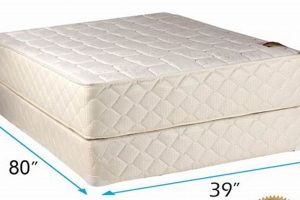
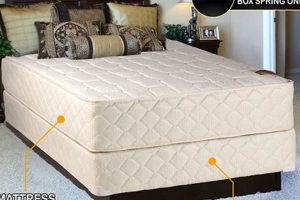
A complete bedding ensemble typically incorporates a mattress, designed for sleeping, along with a foundation, commonly referred to as a box spring. This foundation provides support and elevates the mattress to a comfortable height. These sets are frequently available in standard sizes, offering a coordinated sleep surface. An example would be a 54-inch wide mattress paired with a matching foundation designed to fit within a standard double bed frame.
The integration of both components is essential for optimal sleep comfort and mattress longevity. The foundation absorbs impact and distributes weight, preventing premature wear and tear on the mattress. Historically, such sets were the standard in bedding; contemporary iterations may involve platform beds or adjustable bases as alternatives to the traditional foundation. Utilizing a matching set ensures proper support and can contribute to better sleep posture.
The subsequent sections will elaborate on the specific features and considerations when selecting appropriate sleep solutions, discussing aspects such as material composition, support systems, and factors influencing purchasing decisions. Further analysis will also include a comparison of different mattress types and foundation options available in the market.
Tips for Selecting a Full Mattress Set with Box Spring
The selection of a suitable bed is a critical decision impacting sleep quality and overall well-being. Careful consideration should be given to various factors before making a purchase. Below are several key points to assist in the selection process.
Tip 1: Assess Support Needs: Evaluate individual sleep preferences and body weight. Firmer mattresses are generally recommended for back and stomach sleepers, while softer surfaces may suit side sleepers. The box spring should provide adequate support without sagging.
Tip 2: Consider Mattress Type: Familiarize oneself with different mattress constructions, including innerspring, memory foam, latex, and hybrid models. Each type offers unique characteristics regarding comfort, support, and temperature regulation.
Tip 3: Evaluate Box Spring Construction: Inspect the quality of the box spring’s frame and support structure. A sturdy frame and tightly spaced support slats contribute to mattress longevity and prevent premature sagging.
Tip 4: Check Dimensions: Ensure the set conforms to standard “full” dimensions (approximately 54 inches wide by 75 inches long) to guarantee compatibility with existing bed frames and bedroom layout.
Tip 5: Factor in Budget: Determine a realistic budget and explore options within that range. Compare prices from different retailers and consider promotional periods to maximize value. Balance cost with quality and long-term durability.
Tip 6: Read Reviews: Consult consumer reviews and ratings to gain insights into the experiences of other purchasers. Pay attention to comments regarding comfort, support, durability, and potential issues.
Tip 7: Inquire About Warranty: Understand the terms of the manufacturer’s warranty, including coverage periods and any limitations. A comprehensive warranty provides assurance against defects and premature failure.
Prioritizing these guidelines can significantly enhance the likelihood of selecting a suitable bedding solution, resulting in improved sleep quality and overall satisfaction. Remember to evaluate one’s own specific needs and preferences to optimize this crucial purchase.
The subsequent sections will delve into specific brands and models, offering a comparative analysis of available options and further guidance for making an informed decision.
1. Support System

The support system is a fundamental element within a complete bedding unit, directly impacting the overall comfort and longevity of the sleeping surface. The function of a box spring or foundation is to provide a stable and level platform, thereby distributing weight evenly and preventing premature sagging of the mattress. Without adequate support, the mattress’s internal structure is compromised, potentially leading to uneven wear, discomfort, and reduced lifespan. For example, an innerspring mattress placed directly on the floor will likely exhibit accelerated wear in areas of concentrated pressure due to the absence of distributed support.
The interaction between the mattress and foundation determines the overall support characteristics of the sleeping surface. A firm mattress paired with a flexible foundation will exhibit a different feel compared to the same mattress placed atop a rigid platform. Understanding this dynamic allows for tailored comfort. Moreover, the type of support system within the mattress itself, whether it be coil springs, pocketed coils, or a dense foam core, influences how effectively the mattress and foundation work together. For example, a mattress featuring pocketed coils benefits from a foundation that allows individual spring compression, optimizing pressure relief.
The integrity of the support system is paramount for sustained comfort and orthopedic support. Inadequate support can contribute to poor spinal alignment and discomfort, potentially exacerbating existing back problems. By recognizing the interdependent nature of the mattress and foundation, and by selecting components designed to complement each other, individuals can ensure a more comfortable and supportive sleep environment. The subsequent sections will explore specific support system types and their suitability for various mattress configurations, offering further insights into this critical aspect of bedding selection.
2. Material Composition

The material composition of a complete bedding unit, including both the mattress and foundation, exerts a direct influence on the overall performance, durability, and suitability of the sleep surface. The choice of materials affects factors such as comfort, support, temperature regulation, and resistance to allergens. For example, the use of high-density memory foam in the mattress construction can significantly enhance pressure relief, conforming to the body’s contours and reducing pressure points. Conversely, the selection of low-quality materials in the box spring, such as flimsy wood or poorly secured coils, can compromise the foundation’s structural integrity, potentially leading to sagging and reduced mattress lifespan.
The materials comprising a mattress are diverse, encompassing innerspring coils, various foam types (memory foam, polyurethane foam, latex), and natural fibers like cotton and wool. Each material contributes distinct characteristics. Innerspring systems provide support and bounce, while foam layers offer cushioning and contouring. Latex offers a balance of support and responsiveness and is known for its durability. The foundation typically consists of a wooden or metal frame covered in fabric, often containing coils or slats for support. The quality and arrangement of these components in the foundation directly impact its ability to adequately support the mattress. A real-world example is a mattress utilizing a natural latex comfort layer combined with a pocketed coil system, supported by a foundation with tightly spaced wooden slats; this configuration may offer optimal comfort and support, coupled with enhanced breathability.
Understanding the interplay between the materials within the mattress and foundation is essential for making an informed purchasing decision. Selecting a unit comprised of durable, high-quality materials maximizes longevity and overall value. Furthermore, considering individual preferences, such as sensitivity to allergens or a desire for enhanced temperature regulation, is paramount. While high-quality materials often correspond to a higher price point, the long-term benefits, including improved sleep quality and reduced replacement costs, justify the initial investment. The material selection should always be aligned with the intended usage and the unique needs of the sleeper. The next aspect to consider involves the size dimensions of these coordinated components and their overall impact.
3. Size Dimensions

The “full mattress set with box spring,” also referred to as a double bed, adheres to standardized size dimensions, which are critical for compatibility and functionality. Inconsistent dimensions lead to ill-fitting bedding, unstable support, and potential damage to both the mattress and bed frame. The standard measurement for a full-size mattress is approximately 54 inches in width and 75 inches in length. The box spring, acting as a foundation, must correspond precisely to these dimensions to ensure proper weight distribution and prevent mattress overhang, which compromises edge support. For example, a box spring that is narrower than the mattress will cause the sides of the mattress to sag, reducing its useful lifespan and potentially causing discomfort.
Variations, even slight ones, in the size dimensions can present practical challenges. Bed frames designed for a full-size mattress will not accommodate a mattress or box spring that deviates significantly from the standard. This is particularly relevant when purchasing replacement components; a newly acquired box spring that is slightly oversized can render an existing bed frame unusable without modifications. Furthermore, accurately knowing the dimensions is vital when selecting appropriate bedding, such as sheets and comforters, ensuring a proper fit and preventing excessive fabric overhang or insufficient coverage. This is more than just aesthetics; it affects comfort and sleep quality.
In summary, adherence to standardized size dimensions is paramount for the proper functioning and longevity of a “full mattress set with box spring.” Inconsistencies in size not only compromise the structural integrity of the bedding ensemble but also impact comfort and overall user satisfaction. Precise measurements are essential for ensuring compatibility with bed frames and bedding accessories, ultimately contributing to a more stable and comfortable sleep environment. The following section will discuss Durability Expectations of our complete bed solution.
4. Durability Expectations

Durability expectations are intrinsically linked to the value proposition of a full mattress set with box spring. The anticipation of a long-lasting, supportive sleep surface directly influences purchasing decisions. Lower-quality materials and construction inevitably lead to premature sagging, reduced support, and, consequently, a shortened lifespan. The expectation that a full mattress set will provide years of reliable service is a primary driver of consumer behavior. For example, a set with reinforced edges and a high-density foam core is often perceived as more durable, justifying a potentially higher initial cost. Failure to meet these durability expectations results in dissatisfaction and a need for earlier replacement, increasing the overall cost of ownership.
The interaction between the mattress and the box spring also affects overall durability. A substandard box spring can accelerate the wear and tear on the mattress by failing to provide adequate support. Uneven weight distribution, due to a weak or damaged box spring, causes localized stress on the mattress, leading to indentations and reduced comfort over time. Regular rotation of the mattress, in conjunction with a robust box spring, is a common practice aimed at extending its lifespan and maintaining consistent support. Another example is a mattress with an innerspring system where coils fail prematurely due to insufficient support from the box spring, indicating a failure in the coordinated design and construction of the set.
In conclusion, durability expectations are a critical determinant of satisfaction with a full mattress set and box spring. Selecting a set constructed from high-quality materials and featuring a robust design maximizes the likelihood of meeting these expectations, translating into a longer-lasting and more comfortable sleep experience. Manufacturers that prioritize durability and offer comprehensive warranties instill confidence in consumers. These points are pivotal in balancing upfront costs with long-term value, underlining the practical significance of prioritizing durability in the selection process.
5. Warranty Coverage

Warranty coverage is a critical component of a full mattress set and box spring purchase. It serves as a manufacturer’s assurance regarding the quality and expected lifespan of the product, mitigating potential risks associated with defects and premature wear.
- Scope of Coverage
The scope of coverage dictates which specific defects or issues are eligible for repair or replacement. Commonly covered issues include sagging beyond a specified threshold, structural defects in the box spring frame, and broken or detached coils. However, coverage often excludes normal wear and tear, stains, burns, or damage resulting from improper use. Understanding the specific exclusions is as important as knowing what is covered.
- Duration of Warranty
The duration of the warranty period varies significantly among manufacturers, ranging from a few years to upwards of ten years or even longer. A longer warranty period generally indicates greater confidence in the product’s durability. However, it is important to note that some warranties are prorated, meaning the consumer’s responsibility for repair or replacement costs increases over time. Scrutinizing the terms and conditions related to proration is essential.
- Claims Process
The claims process outlines the steps a consumer must take to initiate a warranty claim. This typically involves contacting the manufacturer or retailer, providing proof of purchase, and documenting the defect with photographs or a physical inspection. Compliance with the specified claims process is crucial for successful resolution. Failure to adhere to the prescribed procedures can result in denial of the claim.
- Manufacturer Responsibilities
The warranty defines the manufacturer’s responsibilities in the event of a valid claim. This may include repairing the defective mattress or box spring, providing a replacement of equal or similar value, or offering a refund. The specific remedies available vary depending on the terms of the warranty. It is important to understand the manufacturer’s obligations and the consumer’s recourse in case of a covered defect.
Comprehensive warranty coverage offers peace of mind and protects the consumer’s investment in a full mattress set and box spring. Thoroughly reviewing the warranty terms and conditions prior to purchase allows for informed decision-making and a clearer understanding of the manufacturer’s commitment to product quality and customer satisfaction.
6. Price Point
The price point of a full mattress set and box spring is a multifaceted determinant influenced by materials, construction, brand reputation, and retail markup. The cost directly correlates with the quality and durability expected from the product. A lower price typically indicates the use of less expensive materials, potentially reducing the lifespan and comfort level of the set. Conversely, a higher price frequently reflects superior materials, advanced construction techniques, and enhanced features, such as targeted support zones or advanced cooling technology. For example, a set utilizing high-density memory foam and individually wrapped coils will likely command a higher price due to the increased material and manufacturing costs. The price point is, therefore, not merely a figure but a reflection of inherent value and expected performance.
The practical significance of understanding the price point lies in making informed purchasing decisions that align with individual needs and budgetary constraints. Consumers should weigh the trade-offs between upfront cost and long-term value, considering factors such as expected usage frequency and desired comfort level. A guest room mattress set, for instance, may not require the same level of investment as a set intended for daily use. Evaluating price in conjunction with factors such as warranty coverage, trial periods, and retailer reputation allows consumers to optimize their purchase and minimize the risk of buyer’s remorse. Real-life examples illustrate this: a budget-conscious buyer may opt for a basic innerspring set with a shorter warranty, while a comfort-focused individual might choose a more expensive memory foam set with a longer lifespan and enhanced features.
In summary, the price point serves as a crucial indicator of quality, durability, and overall value within the context of full mattress sets and box springs. It is imperative to consider the interplay between price, features, and long-term performance to ensure a satisfactory purchase that meets individual needs and expectations. The challenge lies in discerning genuine value from marketing hype, necessitating diligent research and a clear understanding of the factors that contribute to the final cost. Understanding is paramount to aligning investment with long-term satisfaction.
7. Sleep Compatibility

Sleep compatibility refers to the degree to which a complete bed unit meets an individual’s specific sleep needs and preferences. A mismatch between these elements results in disrupted sleep, discomfort, and potential long-term health implications. The selection of the correct set significantly influences sleep quality. For example, a sleeper prone to overheating may require a mattress with enhanced breathability paired with a foundation that promotes airflow. A set failing to address this need leads to restless nights and diminished sleep quality. Therefore, a comprehensive understanding of individual sleep requirements is essential for optimizing the purchase.
The components play distinct but interconnected roles in achieving sleep compatibility. The mattress provides the primary support and comfort layer, conforming to the body’s contours and alleviating pressure points. The box spring contributes to overall support, absorbing shock and distributing weight evenly. The combination of these components should align with an individual’s sleep position (side, back, stomach), body weight, and any pre-existing orthopedic conditions. An example is a side sleeper requiring a softer mattress to accommodate shoulder and hip pressure, coupled with a foundation that provides sufficient give to prevent spinal misalignment. A firmer mattress may be more appropriate for a back sleeper, ensuring proper spinal support. Moreover, the selection of appropriate bedding, such as sheets and pillows, further contributes to overall sleep compatibility by regulating temperature and providing additional comfort.
The optimization is paramount for achieving restorative sleep and maintaining long-term health. A poorly chosen unit can exacerbate existing conditions and lead to chronic sleep deprivation. Therefore, careful consideration of individual needs and preferences, coupled with a thorough understanding of the materials and construction of complete sleep solutions, is essential. Consumers facing challenges should consult with sleep specialists or bedding experts for personalized recommendations. The practical implication of this knowledge is that investing in a compatible unit is not merely a purchase; it is an investment in well-being.
Frequently Asked Questions
The following questions address common inquiries and misconceptions regarding complete mattress and foundation ensembles. The information provided aims to clarify essential aspects related to purchase, maintenance, and performance.
Question 1: What constitutes a “full mattress set with box spring”?
A “full mattress set with box spring” comprises a mattress, typically measuring 54 inches wide by 75 inches long, and a matching foundation, often referred to as a box spring. The foundation is designed to provide support and elevate the mattress to a comfortable height.
Question 2: Is a box spring necessary for all mattresses?
While traditionally paired with innerspring mattresses, a box spring is not always required. Platform beds and adjustable bases offer alternative support systems. However, using a box spring with a compatible mattress can enhance support and extend the mattress’s lifespan.
Question 3: How do I determine the appropriate firmness level?
The ideal firmness level is subjective and depends on individual sleep preferences, body weight, and sleep position. Firmer mattresses are often recommended for back and stomach sleepers, while softer mattresses may be more suitable for side sleepers.
Question 4: What is the average lifespan?
The lifespan of a “full mattress set with box spring” varies depending on materials, construction, and usage. However, a well-maintained set typically lasts between seven and ten years. Regular rotation and the use of a mattress protector can prolong its lifespan.
Question 5: How should a full mattress set be properly maintained?
Proper maintenance involves regular rotation (every three to six months), the use of a mattress protector to prevent stains and spills, and avoiding jumping or standing on the mattress. The box spring should be inspected periodically for signs of damage or sagging.
Question 6: What are the key differences between innerspring, memory foam, and hybrid mattresses?
Innerspring mattresses utilize coil springs for support, memory foam mattresses conform to the body’s shape for pressure relief, and hybrid mattresses combine both technologies. Each type offers unique advantages regarding comfort, support, and temperature regulation.
In summation, understanding the fundamental aspects of these ensembles enables consumers to make informed decisions aligned with individual needs and preferences. Careful consideration of the factors addressed above contributes to enhanced sleep quality and long-term satisfaction.
The succeeding section will delve into brand-specific recommendations and comparative analyses of available models, providing additional guidance for selecting the optimal bedding solution.
Conclusion
This exploration of the coordinated sleep system has addressed fundamental aspects ranging from material composition to durability expectations. The information presented highlights the importance of selecting components that meet individual needs and preferences, ensuring both comfort and long-term value. Factors such as support system design, warranty coverage, and size dimensions play critical roles in optimizing performance and satisfaction. Proper selection contributes directly to improved sleep quality and overall well-being.
Ultimately, the decision to invest in a suitable sleeping solution is a significant one. Continued awareness and informed decision-making are essential for navigating the complexities of the bedding market. Prioritizing quality, durability, and compatibility with individual sleep requirements will ensure that the chosen “full mattress set with box spring” provides years of restorative rest.
![Upgrade Your Sleep: Twin Mattress & Box Spring Set - [Year] | Organic & Natural Mattress Buyer’s Guide: Non-Toxic Sleep Solutions](https://mattressworldpa.com/wp-content/uploads/2025/07/th-3528-300x200.jpg "Upgrade Your Sleep: Twin Mattress & Box Spring Set - [Year] Organic & Natural Mattress Buyer’s Guide: Non-Toxic Sleep Solutions")