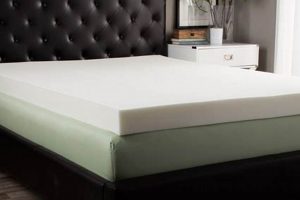
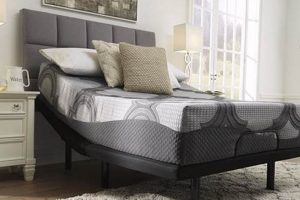
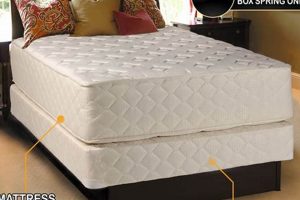
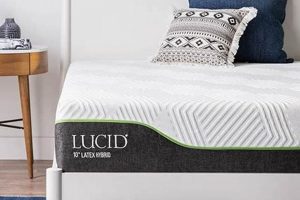
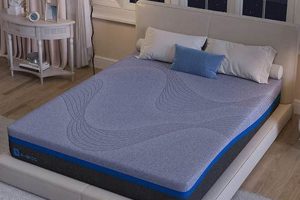
Mattress thickness, often measured in inches, influences several aspects of sleep experience. A mattress measuring ten inches in depth differs notably from one measuring twelve inches, primarily in support, comfort, and overall profile. The variation impacts suitability for different body types and sleep preferences.
Deeper mattresses, such as those measuring twelve inches, generally offer increased support and a more substantial feel. This can be beneficial for individuals requiring enhanced pressure relief or those who prefer a higher sleeping surface. Historically, thicker mattresses have been associated with luxury and enhanced durability due to the increased material used in their construction.
Understanding the nuances of mattress depth is crucial when selecting a sleep surface. The following sections will delve into specific advantages and disadvantages of these two common mattress heights, considering factors such as material composition, optimal use cases, and compatibility with various bed frames.
Considerations for Selecting Mattress Thickness
Choosing between mattresses of varying thicknesses requires careful evaluation of individual needs and preferences. The following tips offer guidance in making an informed decision.
Tip 1: Assess Body Weight and Sleep Position: Individuals with higher body weights generally benefit from thicker mattresses, such as a twelve-inch model, as they provide greater support and prevent bottoming out. Side sleepers may also prefer a thicker mattress to allow for adequate shoulder and hip cushioning, minimizing pressure points.
Tip 2: Evaluate Bed Frame Compatibility: A thicker mattress may impact the overall bed height. Ensure the selected mattress complements the bed frame to achieve a comfortable height for ease of getting in and out of bed. Consider the added height from a box spring or foundation.
Tip 3: Understand Material Composition: The types of materials used within the mattress influence its performance. High-density foams or substantial coil systems often contribute to increased thickness and improved support. Inquire about the density and construction of each layer within the mattress.
Tip 4: Account for Budget Constraints: Thicker mattresses typically require more materials and labor, which can translate to a higher price point. Determine a budget beforehand and explore options that offer the best value within the desired thickness range.
Tip 5: Consider Partner Preferences: If sharing a bed, consider the needs and preferences of both individuals. A thicker mattress may better accommodate varying body weights and sleep positions, reducing motion transfer and promoting undisturbed sleep.
Tip 6: Evaluate Edge Support: Thicker mattresses often provide enhanced edge support, which is crucial for individuals who sleep near the edge of the bed or require assistance when getting in and out of bed. Stronger edge support prevents sagging and maximizes the usable sleep surface.
Selecting the appropriate mattress thickness is paramount for achieving optimal sleep quality and comfort. Careful consideration of these factors will aid in making an informed decision that aligns with individual needs and preferences.
The next section will explore specific scenarios and product recommendations based on the insights discussed.
1. Support and comfort

The variation in thickness between a ten-inch and a twelve-inch mattress directly influences support and comfort levels. A thicker mattress, such as the twelve-inch model, typically incorporates additional layers of support foam or a more substantial coil system. This added depth contributes to enhanced pressure relief, particularly for heavier individuals or those who sleep on their side. The increased material provides greater cushioning and reduces the likelihood of “bottoming out,” where the sleeper’s weight compresses the mattress to the point of contacting the underlying foundation. Conversely, a ten-inch mattress may offer sufficient support for lighter individuals or those who prefer a firmer sleep surface, but may lack the conforming comfort of a thicker alternative.
Consider an individual weighing over 200 pounds. A ten-inch mattress, especially one constructed with lower-density foams, may exhibit premature sagging and inadequate spinal alignment. In contrast, the increased thickness of a twelve-inch mattress can distribute weight more effectively, maintaining proper spinal alignment and reducing the risk of back pain. Similarly, a side sleeper’s shoulders and hips require adequate space to sink into the mattress, relieving pressure points. A thicker mattress allows for this necessary compression without compromising overall support. These differences directly affect sleep quality and long-term musculoskeletal health.
In summary, the relationship between mattress thickness, support, and comfort is critical to the overall sleep experience. A twelve-inch mattress often delivers superior support and comfort due to its increased material depth, though this advantage may not always be necessary for every individual. Selecting the appropriate thickness requires careful consideration of body weight, sleeping position, and personal preferences to ensure optimal sleep and minimize potential discomfort or health issues.
2. Suitability body types

The appropriateness of a mattress thickness, specifically the variations between ten and twelve inches, is directly linked to body type. Individuals with different body masses and statures require varying levels of support to maintain proper spinal alignment and pressure distribution during sleep. A thinner, ten-inch mattress may prove adequate for individuals of smaller stature and lower body weight, providing sufficient support without excessive sinkage. However, for individuals with higher body mass, a ten-inch mattress may compress excessively, leading to discomfort, inadequate support, and potential spinal misalignment. This can manifest as back pain, restless sleep, and overall diminished sleep quality.
In contrast, a twelve-inch mattress generally offers enhanced support and pressure relief, making it more suitable for a broader range of body types, particularly those with higher body mass. The additional thickness allows for a more robust support core and greater cushioning, which can effectively distribute weight and minimize pressure points. For instance, a person weighing over 250 pounds may experience significantly improved comfort and support on a twelve-inch mattress compared to a ten-inch model. Similarly, individuals with broad shoulders or hips often find that the extra depth of a twelve-inch mattress allows for better contouring and pressure relief, especially when sleeping on their side.
The practical significance of understanding the relationship between body type and mattress thickness lies in optimizing sleep quality and preventing potential health issues. Selecting a mattress that is ill-suited to one’s body type can lead to chronic pain, sleep disturbances, and reduced overall well-being. Therefore, considering body mass, sleeping position, and individual comfort preferences is essential when evaluating the suitability of ten and twelve-inch mattresses. While a ten-inch mattress may suffice for some, a twelve-inch model often provides a more versatile and supportive option for a wider range of body types, ultimately promoting better sleep and improved health.
3. Compatibility bed frames
Mattress height significantly influences the overall aesthetics and functionality of a bed setup. Variations in mattress thickness, specifically between ten and twelve inches, directly impact compatibility with various bed frame styles, affecting factors such as headboard visibility, ease of entry and exit, and overall bedroom aesthetics.
- Headboard Height and Visibility
The height of the headboard in relation to the mattress is a crucial consideration. A thicker, twelve-inch mattress can obscure a low-profile headboard, diminishing its visual impact. Conversely, a ten-inch mattress may leave an excessive gap, creating an unbalanced appearance. Consider the headboard’s design and height to ensure that the chosen mattress thickness complements it effectively. For example, a platform bed with an integrated headboard may require a thinner mattress to maintain visibility, whereas a taller, ornate headboard may be better suited to a thicker mattress.
- Bed Rail Height and Mattress Enclosure
Bed rails play a vital role in containing the mattress and preventing movement. The height of the bed rails must be compatible with the mattress thickness to ensure a secure and aesthetically pleasing fit. A mattress that is too thick may protrude excessively above the rails, compromising stability and visual appeal. Conversely, a mattress that is too thin may appear lost within the frame. Measure the bed rail height and account for any box spring or foundation to determine the optimal mattress thickness for a flush and secure fit. A bed frame designed for an adjustable base, for example, might have different rail height considerations.
- Ease of Entry and Exit
The overall height of the bed, including the mattress, significantly impacts ease of entry and exit. A bed that is too high can be challenging for individuals with mobility limitations or shorter stature, while a bed that is too low may require excessive bending and strain. The choice between a ten-inch and a twelve-inch mattress can influence the final bed height by two inches, which can be a significant factor for some individuals. Older adults, for example, may prefer a lower bed height to minimize the risk of falls, whereas taller individuals may prefer a higher bed height for greater comfort.
- Aesthetic Harmony and Room Proportion
The mattress thickness contributes to the overall aesthetic harmony of the bedroom. A bulky, twelve-inch mattress may overwhelm a small room with low ceilings, creating a sense of confinement. Conversely, a thinner, ten-inch mattress may appear insufficient in a larger room with high ceilings. Consider the room’s proportions and existing furniture to select a mattress thickness that enhances the overall aesthetic balance. A minimalist bedroom design might benefit from a lower-profile, ten-inch mattress, while a more traditional or opulent design may accommodate a thicker, twelve-inch mattress.
Ultimately, the selection of mattress thickness should be carefully considered in conjunction with the bed frame to ensure optimal functionality, aesthetics, and user comfort. Understanding the interplay between mattress height and bed frame design is essential for creating a cohesive and well-proportioned sleep environment.
4. Material density

Material density, measured in pounds per cubic foot (PCF), significantly influences the performance characteristics and longevity of mattresses. Regarding the “difference between 10 and 12 inch mattress” models, density plays a crucial role in determining support, comfort, and durability. A higher density foam or coil unit within either a ten or twelve-inch mattress generally translates to increased resistance to compression and deformation over time. This is due to a greater amount of material packed into the same volume, providing more robust support. For example, a 5 PCF memory foam layer in a twelve-inch mattress will offer superior pressure relief and resistance to body impressions compared to a 3 PCF memory foam layer in a ten-inch mattress, assuming all other factors are equal.
The impact of density is evident in the practical applications of both mattress types. A ten-inch mattress with high-density foam may be suitable for individuals of lighter weight or those who prefer a firmer feel, as it provides adequate support without excessive sinking. Conversely, a twelve-inch mattress, even with moderately dense materials, can accommodate a wider range of body weights and sleep preferences due to its increased overall thickness and potential for incorporating multiple layers with varying densities. Consider the case of a mattress designed for couples with differing body weights. A twelve-inch mattress with high-density support core and medium-density comfort layers can effectively minimize motion transfer and provide customized support for each individual, a feat that would be challenging to achieve with a lower-density ten-inch mattress.
In conclusion, understanding the interplay between material density and mattress thickness is essential when evaluating the “difference between 10 and 12 inch mattress” options. While thickness contributes to overall support and comfort potential, the density of the materials used directly influences the mattress’s long-term performance and suitability for specific individuals. Challenges arise in accurately assessing density without physical inspection or detailed product specifications, underscoring the importance of researching brands and models thoroughly before making a purchase. Ultimately, the ideal combination of thickness and density depends on individual needs and preferences, but prioritizing higher density materials generally leads to greater durability and satisfaction.
5. Price implications

The thickness of a mattress, whether ten or twelve inches, directly influences its manufacturing cost and, consequently, its retail price. Increased material usage, more complex construction techniques, and potentially higher shipping costs associated with thicker mattresses contribute to a noticeable price differential. Understanding these implications is crucial for consumers making informed purchasing decisions.
- Material Costs and Quantities
A twelve-inch mattress, by definition, requires a greater volume of raw materials compared to its ten-inch counterpart. This includes foam, coils, fabric, and any additional comfort or support layers. The increased material quantity naturally translates to higher production expenses. For example, a mattress manufacturer might spend 20% more on raw materials for a twelve-inch mattress with comparable components to a ten-inch model. This increased cost is then passed on to the consumer through a higher retail price.
- Complexity of Construction
Thicker mattresses often incorporate more intricate layer designs and construction techniques to optimize support, comfort, and durability. These may involve specialized quilting patterns, zoned support systems, or advanced edge support mechanisms. The more complex the construction, the greater the labor and manufacturing time required, which adds to the overall cost. The integration of specialized features, such as individually wrapped coils or gel-infused memory foam, further elevates the price.
- Shipping and Handling Expenses
Mattress size and weight directly impact shipping and handling costs. A thicker, twelve-inch mattress is typically heavier and bulkier than a ten-inch mattress, requiring more resources for transportation and delivery. Retailers often factor these increased shipping expenses into the final price, particularly for online purchases that involve direct-to-consumer shipping. The use of specialized packaging and handling procedures to protect thicker mattresses during transit can also contribute to higher costs.
- Perceived Value and Marketing
Mattress retailers frequently associate thicker mattresses with superior quality, enhanced comfort, and longer lifespan. This perception of increased value allows them to justify higher prices and market these mattresses as premium products. While thicker mattresses may indeed offer certain advantages, consumers should be aware that price is not always a definitive indicator of quality. It is essential to carefully evaluate the materials, construction, and performance characteristics of both ten and twelve-inch mattresses to determine the best value for their individual needs and budget.
The price differential between ten and twelve-inch mattresses reflects a combination of factors, including increased material costs, more complex construction techniques, and potentially higher shipping expenses. Consumers should carefully weigh these price implications against their individual needs and preferences, considering factors such as body weight, sleep position, and desired comfort level. Blindly opting for a thicker mattress based solely on perceived value may not always be the most cost-effective or practical decision.
Frequently Asked Questions Regarding Mattress Thickness Variations
This section addresses common inquiries concerning distinctions between mattresses with ten-inch and twelve-inch profiles. It aims to provide clarity and informed guidance for prospective mattress purchasers.
Question 1: What are the primary benefits of a twelve-inch mattress over a ten-inch mattress?
A twelve-inch mattress typically offers enhanced support and comfort due to the increased volume of materials. This can be particularly beneficial for individuals with higher body weights or those who prefer a plusher sleep surface. The additional thickness often allows for more sophisticated layer constructions, improving pressure relief and motion isolation.
Question 2: Does mattress thickness directly correlate with mattress quality?
While a thicker mattress may indicate a higher level of materials and potentially more complex construction, thickness alone does not guarantee superior quality. Material density, construction techniques, and component quality are all significant factors. A high-quality ten-inch mattress can outperform a poorly constructed twelve-inch mattress.
Question 3: How does mattress thickness affect bed height and overall bedroom aesthetics?
Mattress thickness significantly influences bed height, impacting ease of entry and exit. A thicker mattress may require a lower-profile bed frame to maintain a comfortable height. Furthermore, mattress thickness can affect the visibility of a headboard; a very thick mattress can obscure a low-profile headboard, while a thinner mattress may create an undesirable gap.
Question 4: Are there specific bed frame types that are better suited for ten-inch or twelve-inch mattresses?
Platform beds and adjustable bases often work well with both ten-inch and twelve-inch mattresses. However, it is crucial to consider the height of the bed frame and the desired overall bed height. Bed frames with high side rails may not be suitable for thicker mattresses, as the mattress may protrude excessively.
Question 5: Does a thicker mattress always mean a firmer mattress?
Thickness does not inherently dictate firmness. The firmness level is primarily determined by the type and density of the materials used in the comfort layers and support core. A twelve-inch mattress can be designed to be plush, medium-firm, or firm, depending on the specific materials and construction.
Question 6: How does the warranty or lifespan typically compare between ten-inch and twelve-inch mattresses?
The warranty and expected lifespan are primarily determined by the quality of materials and construction, not solely by the mattress thickness. A well-constructed ten-inch mattress can have a comparable lifespan to a twelve-inch mattress made with lower-quality materials. Check warranty terms for specifics on coverage and expected performance.
In conclusion, while mattress thickness is a notable factor to consider, it should not be the sole determinant in the purchasing decision. Careful evaluation of material quality, construction, and individual needs remains paramount.
The subsequent section will delve into practical considerations for selecting the optimal mattress thickness based on individual circumstances.
Difference Between 10 and 12 Inch Mattress
This exploration of the “difference between 10 and 12 inch mattress” has illuminated crucial distinctions. The analysis underscores that while thickness contributes to perceived comfort and support, material density, construction methods, and individual needs ultimately dictate suitability. A twelve-inch mattress is not inherently superior; its advantages are conditional based on factors such as body weight, sleep position, and bed frame compatibility. Understanding these nuances is critical.
Consumers are encouraged to prioritize comprehensive research, considering all factors discussed herein, to make informed decisions. Evaluating mattress specifications and seeking professional guidance are recommended steps to ensure optimal sleep quality and long-term satisfaction. Choosing wisely is vital for long-term health and comfort.