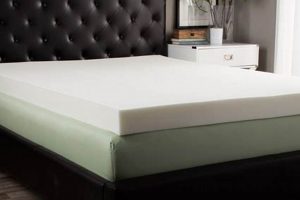
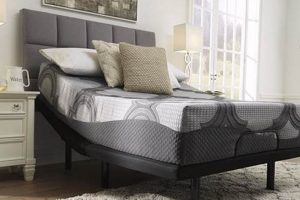
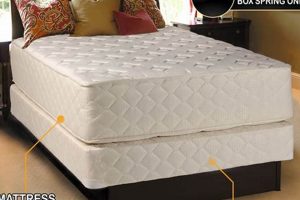
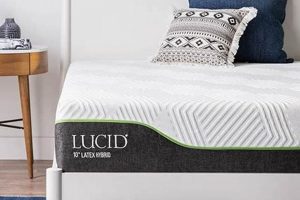
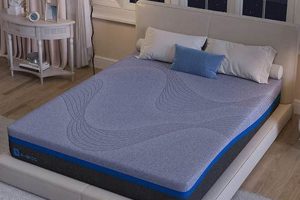
A fitted sheet designed for a 15-inch mattress is a bedding item specifically tailored to accommodate mattresses with a depth, or thickness, of approximately 15 inches. These sheets are designed with deeper pockets than standard fitted sheets to ensure a snug and secure fit around the mattress. As an example, a queen-size fitted sheet labeled for a 15-inch mattress would fit a queen-size mattress that is 15 inches thick.
The correct fitted sheet size is crucial for sleep comfort and the longevity of both the sheet and the mattress. A properly fitted sheet prevents the sheet from slipping off the mattress during the night, which can disrupt sleep and damage the fabric over time. Furthermore, using the correct size ensures the mattress remains protected from dirt, spills, and wear and tear, potentially extending its lifespan. Historically, fitted sheet sizes have evolved alongside mattress sizes, with deeper pockets becoming increasingly common as mattresses have grown thicker due to the addition of padding and pillow tops.
The subsequent sections will delve into how to measure mattress depth accurately, explore the various types of fitted sheets available for deeper mattresses, provide guidance on selecting the appropriate fabric and material, and offer tips for ensuring a secure and comfortable fit.
Tips for Selecting the Right Fitted Sheet
Choosing the appropriate fitted sheet ensures a comfortable sleep experience and protects the mattress. The following tips provide guidance for selecting a fitted sheet tailored for a 15-inch mattress.
Tip 1: Measure Mattress Depth Accurately: Before purchasing a fitted sheet, measure the mattress’s depth from the highest point to the bottom seam. Inaccurate measurements can lead to ill-fitting sheets.
Tip 2: Consider Pocket Depth Specifications: Pay close attention to the fitted sheet’s pocket depth as stated on the packaging or product description. Sheets labeled for 15-inch mattresses should ideally accommodate this depth precisely or provide a small allowance (e.g., up to 17 inches) for easier fitting.
Tip 3: Choose Quality Elastic: The elastic around the fitted sheet’s perimeter is critical for ensuring a secure fit. Opt for sheets with strong, durable elastic that will not easily stretch out or lose its elasticity after repeated washings. Consider elastic all around the sheet, rather than just at the corners.
Tip 4: Prioritize Corner Construction: Reinforced corners enhance the sheet’s durability and prevent tearing, particularly when frequently stretched over the mattress. Check for double-stitched or otherwise reinforced corners.
Tip 5: Factor in Mattress Pad Thickness: If using a mattress pad or protector, include its thickness when determining the appropriate fitted sheet size. The additional depth of the pad should be factored into the required pocket depth.
Tip 6: Read Product Reviews: Before making a purchase, review feedback from other customers regarding the sheet’s fit, durability, and overall quality. Real-world experiences can provide valuable insights.
Tip 7: Opt for Deep Pocket Options: If unsure about the exact mattress depth or using a thicker mattress pad, selecting a fitted sheet marketed as “deep pocket” or “extra deep pocket” may provide a more accommodating fit.
Adhering to these guidelines will facilitate the selection of a fitted sheet that fits securely, prolongs the life of the mattress, and contributes to a more restful sleep.
The final section will summarize the information discussed and reiterate the importance of selecting the correct fitted sheet.
1. Pocket Depth

Pocket depth is a critical parameter in determining the suitability of a fitted sheet for a 15-inch mattress. It refers to the measurement from the sheet’s corner seam to its deepest point, indicating the maximum mattress thickness the sheet can accommodate. A sheet with insufficient pocket depth will not adequately cover the mattress, resulting in slippage, discomfort, and accelerated wear. Conversely, excessive pocket depth, while less problematic, can lead to a loose and wrinkled fit, detracting from both comfort and aesthetics.
The causal relationship is straightforward: the pocket depth of a fitted sheet directly dictates its ability to secure and properly encase a mattress of a given thickness. For instance, if a fitted sheet is labeled as having a 12-inch pocket depth and is used on a 15-inch mattress, it will be impossible to stretch the sheet adequately to cover the mattress’s corners. This stretching places undue stress on the sheet’s seams and elastic, leading to premature failure. Furthermore, the exposed portion of the mattress becomes vulnerable to soiling and damage. The practical significance lies in ensuring that consumers choose sheets with the correct pocket depth to optimize both comfort and mattress protection. In situations where a mattress topper is utilized, the combined thickness of the mattress and topper must be considered when selecting the appropriate pocket depth.
In summary, pocket depth is a fundamental component of a fitted sheet’s design and a key determinant of its compatibility with a specific mattress. Its careful consideration is essential for achieving a secure, comfortable, and aesthetically pleasing bedding arrangement. Overlooking this parameter can result in compromised sleep quality and reduced lifespan of both the fitted sheet and the mattress itself.
2. Mattress Measurement

Mattress measurement is inextricably linked to determining the correct fitted sheet size, particularly in the context of a 15-inch mattress. Accurate measurement of the mattress’s dimensions, specifically its thickness or depth, is the foundational step in selecting a fitted sheet that will provide a secure and proper fit. The failure to obtain precise measurements directly leads to the selection of an inappropriate fitted sheet size, resulting in either a sheet that is too small and cannot adequately cover the mattress or a sheet that is too large and fits loosely, compromising comfort and protection. For example, if a mattress is erroneously measured as 12 inches thick when it is actually 15 inches, a standard fitted sheet designed for a 12-inch mattress will be purchased. This sheet will be incapable of stretching to fully cover the mattress, leading to corner slippage and potential damage to both the sheet and the mattress.
Further practical significance is observed in the context of modern mattresses, which often incorporate features such as pillow tops, memory foam layers, and convoluted foam. These additions can significantly alter the overall thickness of the mattress, necessitating a more precise measurement than might be required for a traditional innerspring mattress. Furthermore, variations in manufacturing tolerances can also lead to discrepancies between a mattress’s advertised thickness and its actual dimensions. Therefore, reliance solely on the manufacturer’s specifications without independent verification can lead to errors in fitted sheet selection. A real-life example would be a consumer purchasing a “15-inch mattress” only to find, upon accurate measurement, that it is closer to 16 inches due to a thick pillow top. In such a case, a fitted sheet specifically designed for a 15-inch mattress may still prove insufficient, and a deeper pocket sheet would be necessary.
In conclusion, accurate mattress measurement serves as the cornerstone of proper fitted sheet selection. Neglecting this step introduces significant risk of purchasing an incompatible sheet, undermining both sleep comfort and mattress longevity. The challenges associated with variations in mattress construction and manufacturing tolerances underscore the importance of independent verification of mattress dimensions prior to selecting a fitted sheet, particularly when addressing the specific requirements of a 15-inch mattress.
3. Elastic Quality

Elastic quality plays a pivotal role in ensuring the secure fit and long-term performance of a fitted sheet, particularly when used with a 15-inch mattress. Given the increased depth required to accommodate such mattresses, the elastic’s ability to maintain tension and prevent slippage is paramount. Substandard elastic can negate the benefits of an appropriately sized sheet.
- Type of Elastic
Different types of elastic are utilized in fitted sheets, each possessing varying degrees of elasticity, durability, and resistance to degradation. Knitted elastic, for example, generally offers greater stretch and recovery compared to woven elastic. In the context of a 15-inch mattress, where the sheet is subjected to considerable tension, a higher-quality elastic, such as knitted elastic with a high thread count, is essential to prevent premature stretching and loss of elasticity. This ensures the sheet remains securely in place over time, preventing it from riding up or slipping off the corners of the mattress. An inferior elastic will quickly lose its ability to grip, rendering the sheet ineffective.
- Elastic Placement and Coverage
The design of the elastic band’s placement significantly impacts its effectiveness. Sheets with elastic only at the corners are more prone to slippage compared to those with elastic encompassing the entire perimeter. A full perimeter elastic distributes tension evenly, providing a more secure and consistent grip on the mattress. For a 15-inch mattress, a full perimeter elastic is highly recommended, as it mitigates the stress on individual points and ensures uniform tension distribution. Imagine a scenario where a sheet only has elastic at the corners; the central portion of the sheet is more likely to come loose, especially with movement during sleep.
- Elastic Durability and Resistance to Degradation
The lifespan of a fitted sheet’s elastic is directly affected by its resistance to factors such as heat, moisture, and laundering. Inferior elastic is susceptible to rapid degradation when exposed to these elements, leading to loss of elasticity and premature failure. High-quality elastic, on the other hand, is engineered to withstand these stresses, maintaining its integrity and functionality over extended periods. Consider the frequent washing of bed linens; if the elastic degrades with each wash cycle, the sheet’s ability to fit a 15-inch mattress properly will diminish quickly. Selecting sheets with durable, laundry-resistant elastic is therefore crucial for long-term performance and cost-effectiveness.
- Elastic Tension and Recovery
The initial tension of the elastic and its ability to recover its original shape after being stretched are critical factors in determining its suitability for a 15-inch mattress. An elastic band with insufficient tension will fail to provide adequate grip, while an elastic that loses its recovery quickly will become slack and ineffective. A high-quality elastic should exhibit both sufficient initial tension and excellent recovery properties, ensuring a snug and secure fit even after repeated stretching and use. A practical example is observing how well the elastic rebounds after stretching it; a resilient elastic indicates a higher likelihood of sustained performance on a thicker mattress.
In conclusion, elastic quality is a non-negotiable factor when selecting a fitted sheet for a 15-inch mattress. The type of elastic, its placement and coverage, its durability, and its tension and recovery properties collectively determine the sheet’s ability to provide a secure, comfortable, and long-lasting fit. Compromising on elastic quality can negate the benefits of an appropriately sized sheet and lead to premature replacement, highlighting the importance of careful consideration during the selection process.
4. Corner Construction

Corner construction is a critical element in the overall design and functionality of a fitted sheet, particularly when the sheet is intended for use with a 15-inch mattress. The corners of a fitted sheet are subjected to the greatest stress and strain as they are stretched and secured over the mattress’s edges. Poorly constructed corners are prone to tearing, ripping, or seam failure, leading to premature sheet degradation and an insecure fit. A direct causal relationship exists between the quality of corner construction and the sheet’s ability to withstand the forces exerted upon it by a thicker mattress. For example, a sheet with single-stitched, minimally reinforced corners will likely fail more quickly than a sheet with double-stitched, reinforced corners when used on a 15-inch mattress due to the increased tension.
The practical significance of robust corner construction is further amplified by the dynamics of sleep. Normal movement during sleep creates friction and pressure on the fitted sheet, particularly at the corners. Over time, this repeated stress weakens the fabric and seams, accelerating wear and tear. The incorporation of features such as reinforced patches, elastic binding, or deeper corner pockets can significantly enhance the sheet’s durability and prevent corner slippage. As an illustration, a fitted sheet designed with a gusseted corner, which provides extra fabric to accommodate the mattress’s depth, will offer a more secure and stable fit compared to a sheet with a simple, flat corner. Furthermore, techniques like mitered corners, where the fabric is precisely folded and sewn to create a stronger seam, are also indicative of superior corner construction.
In conclusion, corner construction represents a pivotal factor in determining the longevity and performance of a fitted sheet intended for a 15-inch mattress. Weak corners compromise the sheet’s ability to provide a secure and comfortable fit, leading to premature failure and reduced lifespan. Careful attention to corner reinforcement techniques and design features is therefore essential when selecting a fitted sheet, ensuring it can withstand the stresses associated with a thicker mattress and provide sustained performance over time.
5. Fabric Type

Fabric type directly influences the performance and suitability of a fitted sheet for a 15-inch mattress. The inherent characteristics of different fabrics, such as their elasticity, breathability, durability, and shrinkage potential, dictate how well the sheet conforms to and maintains its fit on a thicker mattress. The cause-and-effect relationship is evident: the selection of an inappropriate fabric can negate the benefits of an otherwise correctly sized fitted sheet. For example, a fitted sheet made of non-stretch cotton, despite being designed for a 15-inch mattress, may prove difficult to install and prone to tearing under the increased tension required to secure it over the mattress corners. In contrast, a fitted sheet constructed from a fabric with inherent elasticity, such as a cotton-polyester blend or a knit fabric, is more likely to stretch and conform to the mattress contours without undue stress, resulting in a more secure and comfortable fit.
Further illustrating the importance of fabric type is its impact on breathability and temperature regulation. A 15-inch mattress, often incorporating layers of padding or memory foam, may retain more heat than a traditional innerspring mattress. Consequently, the choice of a breathable fabric, such as percale cotton or linen, becomes critical for promoting airflow and preventing overheating during sleep. Conversely, a fitted sheet made from a less breathable synthetic fabric can exacerbate heat retention, leading to discomfort and disrupted sleep. Real-life examples abound: individuals who sleep hot often report greater satisfaction with cotton or linen fitted sheets compared to polyester or microfiber options, even when both sheet types are correctly sized for the mattress. The practical significance lies in recognizing that fabric type is not merely an aesthetic consideration but a functional factor that directly affects the sleeping experience.
In conclusion, fabric type represents a critical component in the selection of a fitted sheet for a 15-inch mattress. The inherent properties of the fabric, including its elasticity, breathability, and durability, influence its ability to conform to the mattress, regulate temperature, and withstand the stresses associated with a thicker profile. While accurate sizing remains essential, the choice of fabric can significantly enhance or detract from the sheet’s overall performance and contribute to a more comfortable and restful sleep experience. Understanding the interplay between fabric type and mattress thickness is, therefore, paramount for informed purchasing decisions.
6. Shrinkage Factor

The shrinkage factor is a significant consideration when selecting a fitted sheet, particularly for a 15-inch mattress. The potential for fabric shrinkage during laundering can drastically alter the fit of a sheet, negating the benefits of accurate initial sizing. Therefore, understanding and accounting for this factor is crucial for ensuring long-term usability and a proper fit.
- Fabric Composition and Shrinkage Rates
Different fabric types exhibit varying degrees of shrinkage. Natural fibers such as cotton and linen are generally more prone to shrinkage than synthetic fibers like polyester or microfiber. Unprocessed cotton can shrink as much as 3-5% after the first wash, while pre-shrunk or treated cotton experiences significantly less shrinkage. In the context of a fitted sheet for a 15-inch mattress, this means a standard cotton sheet may become too small after washing, making it difficult to stretch over the mattress corners. Selecting pre-shrunk fabrics or blends with lower shrinkage rates mitigates this issue. As an example, a fitted sheet labeled to fit mattresses up to 16 inches deep might be necessary to compensate for anticipated shrinkage of a 15-inch deep mattress.
- Washing and Drying Methods
The methods employed for washing and drying fitted sheets significantly impact the degree of shrinkage. High water temperatures and prolonged tumble drying on high heat accelerate fabric shrinkage. Conversely, washing in cold water and air-drying or tumble-drying on low heat minimizes shrinkage. For a fitted sheet designed for a 15-inch mattress, adhering to gentle washing and drying practices is essential to preserve its original dimensions. A real-life scenario involves a consumer who purchases a correctly sized fitted sheet but subsequently washes and dries it on high heat, resulting in significant shrinkage that renders the sheet unusable. Following care instructions provided by the manufacturer is therefore crucial.
- Sheet Construction and Weave
The construction and weave of the fabric also influence its shrinkage behavior. Tightly woven fabrics tend to shrink less than loosely woven fabrics. Similarly, knitted fabrics may exhibit different shrinkage patterns compared to woven fabrics. The tighter the weave, the less room the fibers have to move and contract. A tightly woven percale cotton fitted sheet for a 15-inch mattress is likely to maintain its shape better than a loosely woven flannel sheet. Considering these construction details during the purchase process can help minimize the impact of shrinkage on the sheet’s fit.
- Pre-Shrinking and Fabric Treatments
Many manufacturers employ pre-shrinking processes or apply fabric treatments to reduce the likelihood of shrinkage during laundering. These treatments involve subjecting the fabric to controlled washing and drying cycles during production to stabilize its dimensions. Fitted sheets marketed as “pre-shrunk” or “shrink-resistant” are generally less prone to significant shrinkage after washing. However, even with these treatments, a small degree of shrinkage may still occur. Consumers should always check the product description for information regarding pre-shrinking and treatment processes when selecting a fitted sheet for a 15-inch mattress. Purchasing a sheet advertised as pre-shrunk offers increased assurance of a consistent fit over time.
In summary, the shrinkage factor is a non-negligible consideration when choosing the “what size fitted sheet for 15 inch mattress”. The fabric composition, washing and drying methods, sheet construction, and pre-shrinking treatments all influence the sheet’s susceptibility to shrinkage. Accounting for these factors ensures a better long-term fit and prolongs the usability of the fitted sheet on a 15-inch mattress, mitigating potential fit issues caused by fabric contraction.
Frequently Asked Questions
The following questions address common inquiries regarding fitted sheet selection for mattresses with a 15-inch depth. Accurate fitted sheet selection is essential for both comfort and mattress protection. These questions provide guidance to facilitate informed purchasing decisions.
Question 1: How crucial is it to accurately measure the mattress depth before purchasing a fitted sheet labeled “what size fitted sheet for 15 inch mattress?”
Accurate measurement is paramount. Discrepancies between the stated mattress depth and the actual depth, even by a small margin, can lead to an ill-fitting sheet. Such discrepancies can result in slippage, discomfort, and accelerated wear on the sheet. Direct measurement using a measuring tape is recommended over reliance on manufacturer specifications.
Question 2: Is there a tolerance range for pocket depth when selecting what size fitted sheet for 15 inch mattress?
A slight tolerance, typically up to two inches, is acceptable. A sheet with a pocket depth of 16 or 17 inches can often accommodate a 15-inch mattress without significant issues. However, excessive pocket depth should be avoided, as it can result in a loose or wrinkled fit. The best approach is to match the pocket depth as closely as possible to the actual mattress depth.
Question 3: What are the implications of using a fitted sheet with insufficient pocket depth on what size fitted sheet for 15 inch mattress?
Using a fitted sheet with insufficient pocket depth places undue stress on the sheet’s seams and elastic, leading to premature failure. The sheet is more likely to slip off the corners of the mattress, exposing it to dirt and potential damage. Furthermore, the discomfort caused by a poorly fitting sheet can disrupt sleep.
Question 4: Which fabric types are generally recommended for what size fitted sheet for 15 inch mattress, considering both comfort and durability?
Percale cotton, sateen cotton, and high-quality cotton-polyester blends are generally recommended. Percale offers breathability and a crisp feel, while sateen provides a softer, silkier texture. Cotton-polyester blends offer a balance of durability, wrinkle resistance, and affordability. The ideal choice depends on individual preferences and priorities.
Question 5: How does the quality of elastic impact the performance of a fitted sheet on what size fitted sheet for 15 inch mattress?
Elastic quality is a critical determinant of the sheet’s ability to maintain a secure fit over time. Sheets with weak or low-quality elastic are prone to slippage, requiring frequent adjustments. Opting for sheets with durable, high-tension elastic that encircles the entire perimeter ensures a more secure and consistent grip on the mattress.
Question 6: Does the presence of a mattress topper or pad influence the required pocket depth of what size fitted sheet for 15 inch mattress?
Yes. The thickness of any mattress topper or pad must be included when determining the appropriate pocket depth. Failing to account for the added thickness will result in a sheet that is too small to fit properly. The combined thickness of the mattress and any additions should be measured accurately before selecting a fitted sheet.
In summary, careful measurement, consideration of fabric type and elastic quality, and attention to the presence of mattress toppers are essential for selecting an appropriate fitted sheet for a 15-inch mattress. These considerations contribute to both comfort and the longevity of the sheet and mattress.
The next section will summarize the key points discussed in this guide.
what size fitted sheet for 15 inch mattress
This exploration has clarified the critical elements in choosing “what size fitted sheet for 15 inch mattress”. Accurate mattress measurement, pocket depth consideration, elastic quality assessment, scrutiny of corner construction, appropriate fabric selection, and awareness of the shrinkage factor have been detailed. Ignoring these factors compromises sheet fit and longevity, directly affecting comfort and mattress protection. A properly selected fitted sheet safeguards the mattress and promotes undisturbed rest.
Selecting the appropriate sheet demands diligence and informed decision-making. Investing time in understanding these specifications translates to tangible benefits: extended mattress life, enhanced sleep quality, and sustained satisfaction with the bedding ensemble. Prioritizing these elements ensures an informed purchase of “what size fitted sheet for 15 inch mattress” and lasting value.