![Best 15 Inch Mattress [Guide]: Sleep Better Tonight!](data:image/svg+xml;base64,PHN2ZyB4bWxucz0iaHR0cDovL3d3dy53My5vcmcvMjAwMC9zdmciIHdpZHRoPSI0NzQiIGhlaWdodD0iMTAwIiB2aWV3Qm94PSIwIDAgNDc0IDEwMCI+PHJlY3Qgd2lkdGg9IjEwMCUiIGhlaWdodD0iMTAwJSIgc3R5bGU9ImZpbGw6I2NmZDRkYjtmaWxsLW9wYWNpdHk6IDAuMTsiLz48L3N2Zz4= "Best 15 Inch Mattress [Guide]: Sleep Better Tonight! Organic & Natural Mattress Buyer’s Guide: Non-Toxic Sleep Solutions")
A sleeping surface measuring fifteen inches in height represents a significant investment in sleep quality. These mattresses typically incorporate multiple layers of foam, coils, or a combination thereof, designed to provide enhanced support and comfort. As an example, consider a hybrid model utilizing a pocketed coil system topped with several inches of memory foam to achieve the specified overall thickness.
The heightened profile often translates to improved spinal alignment, reduced pressure points, and increased durability. The additional material can offer superior motion isolation, minimizing disturbances from a partner’s movements. Historically, thicker bedding has been associated with luxury and greater perceived value, evolving from basic straw-filled ticking to sophisticated multi-layered constructions.
The following sections will explore the various construction types, material compositions, ideal sleeper profiles, and potential considerations, such as compatibility with existing bed frames, when selecting a mattress of this dimension.
Considerations for Fifteen-Inch Mattresses
Optimal utilization of a fifteen-inch mattress requires careful consideration of several factors to ensure a beneficial and appropriate sleeping environment.
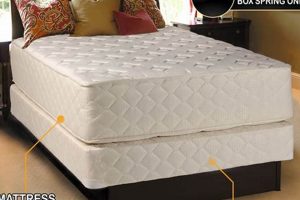
Tip 1: Foundation Compatibility: Evaluate the existing bed frame and foundation. A platform bed or a low-profile box spring may be necessary to maintain an appropriate overall bed height and prevent difficulty entering or exiting the bed.
Tip 2: Sheet Depth: Standard sheets may not adequately fit a mattress of this thickness. Invest in deep-pocket sheets specifically designed for mattresses exceeding 14 inches in height to avoid slippage and ensure a proper fit.
Tip 3: Weight Capacity of Bed Frame: The increased weight of a fifteen-inch mattress, especially those constructed with dense materials like memory foam, can place significant stress on the bed frame. Verify that the frame’s weight capacity is sufficient to support both the mattress and the occupants.
Tip 4: Room Height Considerations: In rooms with lower ceilings, a taller mattress can create a feeling of confinement. Assess the room’s dimensions to ensure the chosen mattress height complements the space and does not negatively impact the overall aesthetic.
Tip 5: Motion Isolation Evaluation: A primary benefit of thicker mattresses is often enhanced motion isolation. Prioritize models featuring materials known for their ability to absorb movement, such as high-density memory foam or individually wrapped coils, particularly if sharing the bed.
Tip 6: Edge Support Assessment: Evaluate the edge support construction. Mattresses with reinforced edges prevent sagging and provide a stable surface for sitting or sleeping near the perimeter, maximizing usable sleep space.
Tip 7: Temperature Regulation: Due to the increased density, internal temperature regulation becomes crucial. Look for mattresses incorporating cooling technologies such as gel-infused foam, breathable fabrics, or open-cell structures to mitigate heat retention and promote a comfortable sleep temperature.
Careful attention to these details will help maximize the benefits and longevity of a fifteen-inch mattress, ensuring a restful and supportive sleep experience.
The subsequent section will delve into the different types of fifteen-inch mattresses and their suitability for specific sleep needs.
1. Height and Support

A direct correlation exists between the height of a mattress and its potential for providing optimal support. A fifteen-inch mattress, by virtue of its increased vertical dimension, offers greater opportunity to incorporate multiple layers of varying density and composition. This layering allows for a more sophisticated support system than thinner alternatives. For example, a thicker mattress might contain a robust core of high-density foam or individually wrapped coils to provide foundational support, topped by layers of conforming memory foam or latex for pressure relief. The taller profile allows for a greater differentiation between these zones, enhancing overall comfort and spinal alignment.
The added height enables the inclusion of specialized support features that would be impractical in a thinner design. These might include enhanced lumbar support zones designed to maintain proper spinal curvature, or specialized edge support systems that prevent sagging and maximize the usable sleep surface. In practical terms, this translates to reduced back pain, improved sleep posture, and increased longevity of the mattress itself. Furthermore, the height can also accommodate a greater degree of motion isolation, as thicker layers of material can more effectively absorb and dampen movement.
In summary, the height of a mattress is not merely an aesthetic consideration but a key factor in its ability to deliver effective support. The fifteen-inch mattress represents a design threshold that allows for the incorporation of multiple support layers and specialized features, ultimately contributing to improved sleep quality and overall well-being. Understanding this connection is crucial when selecting a mattress intended to provide long-term comfort and orthopedic benefits.
2. Material Composition

The material composition of a fifteen-inch mattress is paramount to its performance, determining its comfort level, support characteristics, temperature regulation capabilities, and overall durability. The increased thickness inherent in a fifteen-inch profile allows for a more complex layering and combination of materials, each contributing unique properties.
- Foam Density and Type
The density of foam layers, whether memory foam, polyurethane foam, or latex, significantly impacts support and longevity. Higher density foams offer greater resistance to compression and deformation over time, providing superior support and durability. The type of foam also dictates its feel and responsiveness. Memory foam conforms closely to the body, offering pressure relief but potentially trapping heat. Latex, conversely, is more responsive and breathable.
- Coil System Architecture
For hybrid mattresses incorporating coils, the design and configuration of the coil system are critical. Individually wrapped or pocketed coils minimize motion transfer and provide targeted support by conforming independently to body contours. The gauge (thickness) and type of steel used in the coils influence firmness and overall support. Furthermore, the arrangement of coils, such as zoned support systems, can provide enhanced support in specific areas, like the lumbar region.
- Cover Fabric and Quilting
The cover fabric, often composed of cotton, polyester, or specialized blends, contributes to breathability, moisture-wicking, and surface feel. Quilting patterns add additional cushioning and influence airflow. Materials with inherent cooling properties, such as Tencel or infused fibers, can help regulate temperature and enhance comfort.
- Transition and Support Layers
Fifteen-inch mattresses often incorporate transition layers positioned between the comfort layers and the support core. These layers serve to progressively distribute weight and prevent abrupt transitions in firmness, contributing to a more comfortable and supportive sleeping experience. Materials like convoluted foam or specialized polyfoams are frequently used in these transition zones.
The interplay of these materials within the fifteen-inch framework dictates the mattress’s overall performance. A careful selection and arrangement of materials, tailored to specific sleep preferences and needs, is essential to maximizing the benefits of a mattress of this height. The increased thickness offers opportunities for sophisticated design, but also necessitates careful consideration of material properties to ensure optimal comfort, support, and longevity.
3. Edge reinforcement

Edge reinforcement in a fifteen-inch mattress is a critical structural component directly influencing both the comfort and longevity of the product. The increased height and density of a fifteen-inch mattress necessitate robust edge support to prevent premature sagging and maintain a consistent sleep surface across the entire mattress. Without adequate reinforcement, the edges of the mattress are susceptible to compression under pressure, particularly from individuals sitting on the edge or sleeping near the perimeter. This compression can lead to a sloping or uneven surface, reducing usable sleeping space and potentially causing discomfort or postural issues. For example, a fifteen-inch memory foam mattress lacking edge reinforcement may exhibit significant edge collapse within a relatively short period, particularly for individuals of higher weight. The practical significance lies in maintaining a consistent level of support and preventing the mattress from losing its shape and structural integrity over time.
Several methods are employed to achieve effective edge reinforcement. High-density foam encasements, steel perimeter rods, or specialized coil configurations along the edges are common solutions. These reinforcements provide a supportive barrier that resists compression and maintains the mattress’s shape. The effectiveness of these methods varies depending on the materials used and the construction techniques employed. Steel perimeter rods, for example, offer superior stability and resistance to deformation compared to foam encasements alone. Hybrid mattresses often utilize a combination of coil reinforcement and foam encasements to achieve a balance of support and comfort. Proper edge reinforcement ensures that the mattress provides consistent support from edge to edge, maximizing the usable sleep surface and preventing the feeling of rolling off the bed. This is especially important for couples sharing a bed, as it allows both individuals to utilize the full width of the mattress without experiencing discomfort or instability.
In conclusion, edge reinforcement is not a superfluous feature but rather an essential element in the design and construction of a fifteen-inch mattress. Its absence or inadequacy can significantly compromise the mattress’s performance and longevity, leading to reduced comfort, decreased usable sleep surface, and premature degradation of the product. Selecting a fifteen-inch mattress with robust and well-designed edge reinforcement is a crucial step in ensuring a comfortable, supportive, and durable sleep experience. Understanding the different types of edge reinforcement and their relative effectiveness allows consumers to make informed decisions that align with their individual needs and preferences.
4. Temperature regulation

Effective temperature regulation within a fifteen-inch mattress is paramount for optimal sleep comfort. The increased material density inherent in such mattresses presents a greater challenge in dissipating heat, potentially leading to discomfort and disrupted sleep patterns. The following facets outline the crucial considerations for achieving effective temperature regulation in these mattresses.
- Material Selection and Breathability
The materials used in the construction of the mattress significantly impact its breathability and ability to dissipate heat. Open-cell foam structures, breathable fabrics like Tencel or cotton, and the incorporation of natural fibers such as wool promote airflow and reduce heat retention. In contrast, traditional memory foam, without modifications, can trap heat due to its closed-cell structure. For example, a fifteen-inch mattress utilizing a combination of open-cell latex and a breathable cover will generally exhibit superior temperature regulation compared to one constructed entirely of dense, non-breathable memory foam. This material selection directly influences the sleeper’s comfort and ability to maintain a consistent body temperature throughout the night.
- Cooling Technologies and Infusions
Various cooling technologies are often incorporated into fifteen-inch mattresses to mitigate heat buildup. Gel infusions in memory foam, phase-change materials that absorb and release heat, and copper or graphite particles designed to conduct heat away from the body are common examples. These technologies aim to create a cooler sleep surface and prevent the accumulation of heat near the sleeper. However, the effectiveness of these technologies can vary depending on the specific material and its concentration within the mattress. A mattress with a high concentration of gel-infused memory foam, for instance, may provide a more noticeable cooling effect compared to one with a minimal amount.
- Airflow and Ventilation Design
The internal design of the mattress can significantly impact airflow and ventilation. Features such as convoluted foam layers, strategically placed air channels, or the use of individually wrapped coils promote air circulation and prevent the build-up of heat and moisture. For example, a hybrid mattress with individually wrapped coils allows for greater airflow compared to a solid foam core, contributing to a cooler and more comfortable sleeping environment. The design emphasis on ventilation can be particularly important for sleepers who tend to overheat during the night.
- Cover Fabric and Moisture Wicking
The cover fabric plays a crucial role in wicking away moisture and promoting breathability. Fabrics with moisture-wicking properties, such as performance knits or bamboo-derived materials, help to draw sweat away from the body, preventing it from accumulating on the sleep surface. A breathable cover fabric, combined with effective internal ventilation, creates a more comfortable and hygienic sleep environment. The choice of cover fabric is thus an integral component of the overall temperature regulation system in a fifteen-inch mattress. For example, a mattress with a cotton blend cover may wick moisture better than a synthetic fabric cover.
In conclusion, effective temperature regulation within a fifteen-inch mattress is a complex interplay of material selection, cooling technologies, ventilation design, and cover fabric properties. Choosing a mattress that prioritizes these features is essential for ensuring a comfortable and restful sleep, particularly for individuals prone to overheating. Failure to address temperature regulation adequately can negate other benefits associated with a thicker mattress, such as enhanced support and pressure relief.
5. Foundation compatibility
The compatibility between a fifteen-inch mattress and its foundation is a critical factor determining the mattress’s longevity, performance, and the sleeper’s overall comfort. A mismatch between the mattress and foundation can lead to uneven support, accelerated wear, and even voided warranties. The weight and density of a fifteen-inch mattress, particularly those constructed with materials like memory foam or latex, require a robust and appropriately designed foundation to provide adequate support. For example, placing a heavy fifteen-inch mattress on a weak or sagging box spring can cause the mattress to deform prematurely, leading to discomfort and reduced lifespan. The importance of foundation compatibility extends beyond mere support; it also influences airflow, temperature regulation, and the overall height of the sleeping surface. An unsuitable foundation can restrict airflow, contributing to heat build-up within the mattress and diminishing the effectiveness of cooling technologies. A lack of understanding regarding appropriate foundation types is a common cause of dissatisfaction among consumers who invest in high-quality, thicker mattresses.
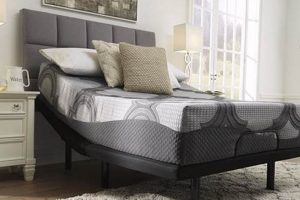
Practical examples underscore the significance of this compatibility. Platform beds, with their solid or closely-spaced slat systems, are generally well-suited for fifteen-inch mattresses, providing uniform support across the entire surface. Conversely, traditional box springs, especially older models with coil-based support, may not provide sufficient support for the increased weight and density of a modern fifteen-inch mattress. Adjustable bed frames represent another crucial consideration. While many fifteen-inch mattresses are compatible with adjustable bases, it is essential to verify the mattress’s flexibility and construction to ensure it can conform to the base’s articulation without damage. Failing to do so can result in tears, compression damage, or reduced functionality of the adjustable base. Furthermore, the height of the foundation influences the overall bed height, impacting ease of entry and exit, particularly for individuals with mobility limitations. The selection process should, therefore, involve careful consideration of the foundation’s material, construction, weight capacity, and compatibility with the intended mattress type.
In summary, foundation compatibility is not an optional consideration but an integral component of optimizing the performance and lifespan of a fifteen-inch mattress. Ignoring this aspect can negate the benefits associated with a higher-quality mattress and lead to premature wear, discomfort, and compromised sleep quality. Addressing foundation compatibility requires careful assessment of the mattress’s weight, density, and construction, along with a thorough evaluation of the foundation’s support capabilities and overall height. The interaction between these two elements is vital for ensuring a stable, comfortable, and long-lasting sleep system.
Frequently Asked Questions about Fifteen-Inch Mattresses
The following questions address common concerns and misconceptions surrounding mattresses measuring fifteen inches in height. These answers provide objective information to aid in informed decision-making.
Question 1: Does the thickness of a fifteen-inch mattress automatically guarantee superior comfort?
No. While increased thickness allows for more complex layering of materials, comfort is subjective and dependent on individual preferences and the specific combination of materials used. A thicker mattress does not inherently equate to superior comfort.
Question 2: Are special sheets required for a fifteen-inch mattress?
Yes. Standard sheets typically lack the depth necessary to adequately fit a mattress of this thickness. Deep-pocket sheets designed for mattresses exceeding fourteen inches are generally required to ensure a secure and proper fit.
Question 3: Will a fifteen-inch mattress work with any bed frame?
Not necessarily. The increased height of the mattress may affect the overall bed height, potentially making it difficult to enter or exit the bed. Additionally, the bed frame must possess sufficient weight capacity to support the mattress and its occupants. Platform beds and low-profile foundations are often recommended.
Question 4: Does a fifteen-inch mattress sleep hotter than thinner mattresses?
Potentially. The increased material density can hinder airflow and contribute to heat retention. However, mattresses incorporating cooling technologies, such as gel-infused foam or breathable fabrics, can mitigate this effect.
Question 5: Is edge support more critical in a fifteen-inch mattress compared to thinner models?
Yes. The increased height and weight of a fifteen-inch mattress make edge support more crucial to prevent sagging and maintain a consistent sleep surface. Mattresses with reinforced edges offer improved stability and maximize usable sleeping space.
Question 6: Does a fifteen-inch mattress always offer better motion isolation?
Not automatically. While thicker mattresses often provide enhanced motion isolation, the effectiveness depends on the materials used. Mattresses with individually wrapped coils or high-density memory foam generally offer superior motion isolation compared to those with interconnected coils or less dense materials.
In summary, while a fifteen-inch mattress offers potential benefits, such as enhanced support and comfort, its suitability depends on individual preferences, proper foundation compatibility, and the specific materials used in its construction. Careful consideration of these factors is essential for making an informed purchasing decision.
The concluding section will present a summary of the key considerations and actionable steps for selecting a suitable mattress.
Conclusion
This exploration of the 15 inch mattress has highlighted critical factors influencing its suitability. The analysis spanned material composition, support mechanisms, temperature regulation, foundation compatibility, and edge reinforcement. Understanding these aspects is paramount to making an informed purchasing decision. A heightened profile does not automatically guarantee superior comfort or performance; these are contingent on careful selection of materials and construction techniques aligned with individual needs and preferences.
The decision to invest in a mattress of this dimension should be approached with diligence. Assessing personal sleep requirements, evaluating existing bed frames, and scrutinizing product specifications are essential steps. By prioritizing comprehensive understanding over superficial attributes, consumers can effectively navigate the market and select a mattress that provides lasting comfort and support.