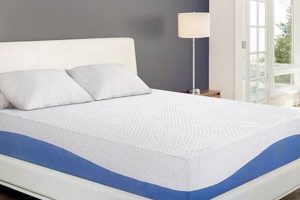
The presence of fungal growth on viscoelastic polyurethane bedding presents a potential health hazard and can compromise the structural integrity of the foam. This phenomenon occurs when microscopic organisms colonize the material, often in environments with high humidity and inadequate ventilation, leading to visible discoloration and a musty odor.
Addressing this issue promptly is crucial for maintaining a healthy sleep environment. Ignoring the problem can result in respiratory irritation, allergic reactions, and the deterioration of the mattress, ultimately shortening its lifespan and potentially necessitating replacement. Historically, awareness of indoor air quality and its impact on health has driven research into mitigating such microbial growth in bedding materials.
The following sections will explore the conditions that foster this growth, methods for its detection, and effective strategies for remediation and prevention, aiming to provide actionable insights for safeguarding the sleep environment.
Mitigation Strategies for Microbial Growth on Viscoelastic Bedding
The following recommendations are designed to minimize the risk of fungal proliferation within viscoelastic polyurethane bedding materials, thereby contributing to a healthier sleep environment and extending the lifespan of the mattress.
Tip 1: Ensure Adequate Ventilation: Proper airflow is essential for reducing moisture accumulation. Maintain sufficient space between the mattress and the bed frame, and periodically elevate the mattress to allow air circulation underneath. Consider using a slatted bed frame to promote ventilation.
Tip 2: Control Humidity Levels: High humidity creates a conducive environment for fungal development. Utilize dehumidifiers, particularly in damp climates or during periods of increased humidity. Aim to maintain indoor humidity levels below 60%.
Tip 3: Employ a Mattress Protector: A waterproof and breathable mattress protector can serve as a barrier against moisture, spills, and body fluids, preventing them from penetrating the foam. Select a protector specifically designed for viscoelastic mattresses.
Tip 4: Regularly Vacuum the Mattress: Routine vacuuming removes dust, skin cells, and other organic matter that can serve as a food source for fungal organisms. Use a vacuum cleaner with a HEPA filter for optimal effectiveness.
Tip 5: Utilize Sunlight for Disinfection: Exposure to direct sunlight can help inhibit fungal growth. Periodically, if feasible, expose the mattress to sunlight for a few hours, ensuring protection of the foam from excessive UV exposure to prevent material degradation.
Tip 6: Address Spills Immediately: Promptly clean any spills or accidents that occur on the mattress. Use a mild detergent and a clean cloth to absorb the liquid, and allow the area to dry completely before covering it.
Tip 7: Consider Antimicrobial Treatments: Explore the use of antimicrobial sprays or treatments specifically formulated for mattresses. Ensure the product is safe for use on viscoelastic foam and follow the manufacturer’s instructions carefully.
Implementing these preventative measures will significantly reduce the likelihood of microbial growth on viscoelastic bedding, promoting a healthier and more comfortable sleep experience.
The subsequent sections will delve into specific cleaning protocols and address advanced cases of fungal contamination, providing further guidance for maintaining a hygienic sleep surface.
1. Moisture Intrusion

Moisture intrusion represents a primary catalyst for the development of fungal colonies within viscoelastic polyurethane bedding. This material, characterized by its open-cell structure, readily absorbs and retains liquids, creating an environment conducive to microbial growth. Spills, perspiration, and elevated ambient humidity serve as common sources of this unwanted moisture. When these liquids permeate the mattress, they provide the necessary hydration for fungal spores to germinate and proliferate.
The consequences of unchecked moisture intrusion extend beyond mere surface discoloration. As fungal colonies expand within the foam matrix, they can compromise the material’s structural integrity, leading to a loss of support and comfort. Furthermore, the metabolic byproducts of these organisms can release volatile organic compounds (VOCs) into the surrounding air, potentially triggering allergic reactions or respiratory irritation in susceptible individuals. Real-world examples include situations where mattresses exposed to chronic dampness in poorly ventilated rooms exhibit extensive internal colonization, necessitating costly replacement.
Effective management of moisture is therefore paramount in preventing fungal issues. Implementing preventative measures such as using waterproof mattress protectors, ensuring adequate ventilation, and promptly addressing spills can significantly reduce the risk of colonization. Recognizing the direct link between moisture intrusion and the proliferation of fungal organisms within viscoelastic mattresses highlights the importance of proactive environmental control to safeguard both the lifespan of the bedding and the health of the sleep environment.
2. Ventilation Deficiency

Ventilation deficiency directly contributes to conditions conducive to the proliferation of fungal organisms within viscoelastic polyurethane mattresses. Inadequate airflow impedes the evaporation of moisture absorbed by the foam, creating a persistently humid microenvironment. This sustained dampness provides an ideal substrate for fungal spores to germinate and colonize the mattress interior. For example, a memory foam mattress placed directly on a solid platform bed, without any provision for under-mattress air circulation, is significantly more susceptible to internal fungal growth compared to one supported by a slatted frame.
The absence of sufficient ventilation not only accelerates fungal development but also hinders the effectiveness of any remedial cleaning efforts. Without adequate airflow to facilitate drying, cleaning agents and residual moisture can become trapped within the foam, potentially exacerbating the problem. Homes with poor overall air circulation, particularly in bedrooms, present a higher risk. Consider cases where individuals who consistently experience night sweats or live in humid climates find that their mattresses develop fungal issues despite regular cleaning, indicating that ventilation deficiency negates the benefits of other preventative measures.
In conclusion, addressing ventilation deficiency is a critical aspect of preventing and managing fungal growth in memory foam mattresses. Implementing strategies such as utilizing slatted bed frames, ensuring adequate spacing between the mattress and surrounding furniture, and employing dehumidifiers in humid env
ironments can significantly mitigate the risk. Recognizing the interconnectedness of moisture accumulation and inadequate airflow is essential for maintaining a healthy sleep environment and preserving the integrity of the mattress.
3. Spore Proliferation

The phenomenon of spore proliferation represents a fundamental aspect of fungal growth on viscoelastic mattresses. Fungal spores, microscopic reproductive units, are ubiquitous in indoor environments. These spores remain dormant until conditions become favorable, specifically the presence of moisture, organic matter (such as dead skin cells), and a suitable temperature range. Viscoelastic foam, owing to its porous nature, can readily accumulate these factors, thereby creating an environment that encourages spore germination and subsequent colony formation. The process initiates when airborne spores land on the mattress surface or penetrate its interior, particularly in areas subjected to spills or high humidity.
Spore proliferation progresses through a series of stages, beginning with germination, followed by hyphal growth (the formation of filamentous structures), and culminating in the establishment of a mycelial network. This network expands across and within the foam, digesting organic material and releasing metabolic byproducts that contribute to musty odors and allergenic compounds. A common example involves mattresses in humid climates, where elevated moisture levels trigger rapid spore germination, leading to visible staining and a characteristic musty smell. The intensity of spore proliferation is directly proportional to the availability of moisture and nutrients, highlighting the significance of maintaining a dry and clean sleep surface to inhibit fungal development.
Understanding the dynamics of spore proliferation is crucial for effective prevention and remediation strategies. Measures aimed at reducing moisture, improving ventilation, and minimizing the accumulation of organic matter directly target the conditions that favor spore germination and growth. Furthermore, this understanding informs the selection of appropriate cleaning agents and techniques designed to eradicate existing fungal colonies and prevent future outbreaks. Ignoring the underlying mechanism of spore proliferation renders mitigation efforts less effective and increases the likelihood of recurrence, underscoring the practical significance of this knowledge in maintaining a healthy sleep environment.
4. Allergenic Response

Exposure to fungal organisms residing within viscoelastic bedding can trigger a range of adverse reactions in susceptible individuals. These reactions, collectively termed the “allergenic response,” stem from the body’s immune system overreacting to the presence of fungal spores, hyphal fragments, and metabolic byproducts. This immune response can manifest in various forms, impacting respiratory, dermatological, and systemic health.
- Respiratory Irritation
Inhalation of fungal spores released from a colonized mattress can induce respiratory symptoms such as coughing, wheezing, shortness of breath, and nasal congestion. Individuals with pre-existing respiratory conditions, such as asthma or allergic rhinitis, are particularly vulnerable to these effects. The continuous exposure to fungal allergens during sleep can exacerbate these conditions, leading to chronic respiratory distress. For example, a person with a known sensitivity to Aspergillus spores may experience nightly asthma attacks linked to the presence of this fungus in their bedding.
- Dermatological Reactions
Direct contact with a contaminated mattress can elicit skin reactions characterized by itching, redness, rash, and eczema. The allergenic proteins present in fungal spores and hyphal fragments can trigger a localized inflammatory response in the skin. Individuals with sensitive skin or a history of atopic dermatitis are at increased risk of developing these contact dermatitis reactions. An example involves a child developing an unexplained rash on their back and shoulders, later traced to fungal growth on their mattress.
- Systemic Effects
In some cases, exposure to fungal allergens can trigger systemic effects, affecting the entire body. These effects may include fatigue, headache, fever, and muscle aches. While less common than respiratory or dermatological symptoms, systemic reactions can significantly impact an individual’s overall well-being. Individuals with compromised immune systems are more prone to experiencing these severe allergic reactions. A case study might detail an immunocompromised patient developing flu-like symptoms persisting over several weeks, eventually attributed to chronic exposure to fungal contaminants in their sleeping environment.
- Cross-Reactivity
The phenomenon of cross-reactivity further complicates the allergenic response. Proteins found in certain fungal species share structural similarities with proteins found in other allergens, such as pollen or dust mites. This structural similarity can lead to the immune system mistakenly reacting to one allergen because of prior sensitization to another. For instance, an individual allergic to Alternaria mold may also exhibit an allergic reaction to certain types of food or outdoor molds, broadening the range of potential triggers for their allergic symptoms.
The multifaceted nature of the allergenic response underscores the importance of proactively addressing fungal growth within viscoelastic mattresses. By understanding the potential health implications and implementing preventative measures, individuals can minimize their exposure to fungal allergens and mitigate the risk of adverse reactions. Ignoring this potential health hazard can lead to chronic discomfort and diminished quality of life.
5. Material Degradation

Fungal colonization within viscoelastic polyurethane bedding directly precipitates material degradation, altering the foam’s physical properties and shortening its lifespan. The fungi secrete enzymes that break down the polymer structure of the foam, leading to a loss of elasticity, support, and overall integrity. This degradation manifests as crumbling, softening, and discoloration of the affected areas. A practical example involves observing sections of a memory foam mattress used in a humid environment exhibit a marked indentation and loss of rebound, significantly diminishing its ability to provide adequate support.
The extent of material degradation is directly proportional to the duration and severity of fungal infestation. Prolonged exposure to fungal enzymes weakens the foam matrix, creating pockets of structural weakness that can compromise the mattress’s ability to distribute weight evenly. This uneven support can lead to discomfort and potentially contribute to musculoskeletal issues. Furthermore, the degraded foam particles become a source of dust and allergens, exacerbating indoor air quality concerns. In extreme cases, extensive fungal damage can render the mattress unusable, necessitating premature replacement. For instance, a mattress heavily infested with Stachybotrys chartarumtrong> (black mold) may exhibit widespread crumbling and structural failure, posing a significant health and safety risk.
Understanding the causal link between fungal colonization and material degradation underscores the importance of proactive prevention and timely remediation. Implementing strategies to control moisture, improve ventilation, and address fungal growth at its earliest stages can significantly prolong the lifespan of viscoelastic bedding and maintain its structural integrity. Neglecting these preventive measures increases the likelihood of irreversible material damage, resulting in both economic loss and potential health hazards.
6. Odor Emission

Odor emission serves as a readily detectable indicator of microbial activity within viscoelastic bedding. The volatile organic compounds (VOCs) released as metabolic byproducts of fungal growth generate distinct and often unpleasant odors that permeate the surrounding environment, signaling a potential problem that warrants further investigation and remediation.
- Metabolic Byproducts
Fungi, during their life cycle, generate a range of VOCs as they break down organic matter within the foam. These compounds, including alcohols, ketones, and terpenes, contribute to the characteristic musty or earthy odors associated with fungal contamination. The specific blend of VOCs varies depending on the fungal species present and the substrate composition. For example, Stachybotrys chartarum, commonly known as black mold, produces potent VOCs with a distinctive musty and pungent aroma. These odors are not only indicative of fungal presence but can also contribute to indoor air quality issues and potentially trigger respiratory irritation in susceptible individuals.
- Odor Intensity as an Indicator
The intensity of odor emission often correlates with the extent of fungal colonization. A faint, barely perceptible musty smell may indicate early-stage fungal growth, whereas a strong, pervasive odor suggests a more established and widespread infestation. Regular monitoring of odor levels can serve as an early warning system, prompting timely intervention to prevent further fungal proliferation. However, it is important to note that the absence of a noticeable odor does not necessarily guarantee the absence of fungal contamination, as some species may produce minimal or less readily detectable VOCs. Therefore, odor detection should be considered alongside other diagnostic methods, such as visual inspection and professional mold testing.
- Impact on Sleep Environment
The presence of unpleasant odors emanating from a viscoelastic mattress can significantly compromise the sleep environment. These odors can disrupt sleep patterns, cause discomfort, and potentially trigger headaches or nausea. Individuals may find it difficult to relax and fall asleep in a room permeated by a persistent musty smell. Furthermore, the association of these odors with potential health hazards can induce anxiety and psychological distress, further negatively impacting sleep quality. Addressing odor emission is therefore essential for creating a healthy and restful sleep environment, promoting overall well-being.
- Differentiating Odors
Distinguishing the specific type of odor can provide clues about the nature and source of contamination. A musty or earthy smell is commonly associated with mold growth, while a sour or ammonia-like odor may indicate bacterial activity. Identifying the dominant odor can help narrow down the potential causes and guide the selection of appropriate remediation strategies. However, it is important to exercise caution when attempting to identify fungal species based solely on odor, as the olfactory characteristics of different species can overlap. Professional mold testing is recommended for accurate identification and assessment of the extent of contamination.
In summary, odor emission serves as a valuable, albeit not definitive, indicator of fungal activity within viscoelastic mattresses. The presence of musty or unpleasant odors should prompt a thorough inspection and, if necessary, professional testing and remediation to ensure a healthy sleep environment and prevent further damage to the bedding material.
7. Remediation Urgency
The presence of fungal growth within viscoelastic polyurethane mattresses necessitates prompt and decisive action. This “Remediation Urgency” arises from the potential for rapid fungal proliferation, the associated health risks, and the progressive degradation of the mattress material. Delaying intervention allows the fungal colony to expand, releasing increasing quantities of allergenic spores into the indoor air, exacerbating respiratory issues, and potentially triggering systemic reactions. Furthermore, prolonged exposure to fungal enzymes accelerates the breakdown of the foam matrix, compromising its structural integrity and shortening its usable lifespan. The “Remediation Urgency” is therefore a critical component of managing the problem, reflecting the interconnectedness of health, material integrity, and economic considerations. A real-life example involves cases where individuals experiencing persistent respiratory symptoms disregarded a visible patch on their mattress, only to later discover extensive fungal colonization requiring professional remediation and potential medical intervention.
Effective remediation strategies require a multi-faceted approach tailored to the severity of the infestation. Minor surface growth may be addressed with targeted cleaning solutions and improved ventilation. However, deep-seated or widespread colonization often necessitates professional cleaning services or even mattress replacement. The selection of appropriate remediation methods is influenced by factors such as the type of fungus involved, the extent of the affected area, and the sensitivity of the individuals using the mattress. Importantly, containment measures should be implemented to prevent the spread of spores during the cleaning process. Proper disposal of heavily contaminated mattresses is also essential to avoid further environmental contamination. The financial implications of delayed remediation can be substantial, potentially exceeding the cost of proactive preventative measures or early intervention.
In conclusion, “Remediation Urgency” is paramount in mitigating the adverse effects of fungal growth on viscoelastic mattresses. The rapid progression of fungal colonization, the associated health hazards, and the potential for irreversible material damage underscore the need for timely and decisive action. While preventative measures are the most effective long-term strategy, prompt remediation is essential when fungal growth is detected. This proactive approach safeguards both the health of the sleep environment and the longevity of the bedding material, ultimately contributing to improved well-being and reduced economic burden. Challenges in effective remediation often stem from delayed detection and inadequate assessment of the extent of fungal growth, highlighting the need for increased awareness and readily accessible resources on proper mattress maintenance and fungal identification.
Frequently Asked Questions
The following addresses common inquiries regarding the identification, prevention, and remediation of fungal contamination in viscoelastic polyurethane bedding materials.
Que
stion 1: What factors primarily contribute to fungal growth within memory foam mattresses?
Elevated humidity, inadequate ventilation, and the presence of organic matter, such as dead skin cells and bodily fluids, create a conducive environment for fungal spores to germinate and proliferate.
Question 2: Is visual inspection sufficient for detecting fungal contamination?
While visible staining and discoloration may indicate fungal presence, fungal colonies can develop within the mattress interior before becoming apparent on the surface. A musty odor often accompanies such hidden growth.
Question 3: Can sunlight effectively eliminate fungal growth on a mattress?
Direct sunlight possesses disinfecting properties and can inhibit fungal growth. However, prolonged exposure to ultraviolet radiation can degrade the foam. Sun exposure should be limited and monitored.
Question 4: Are all mattress protectors equally effective in preventing fungal contamination?
Waterproof and breathable mattress protectors offer the best defense against moisture intrusion, a primary driver of fungal growth. Non-breathable protectors can trap moisture, potentially exacerbating the problem.
Question 5: What cleaning agents are suitable for removing fungal growth from a memory foam mattress?
Mild detergents and diluted solutions of vinegar or hydrogen peroxide can be used to clean affected areas. Harsh chemicals may damage the foam and should be avoided. Thorough drying is essential post-cleaning.
Question 6: When is professional remediation or mattress replacement necessary?
Extensive or deep-seated fungal colonization, particularly when accompanied by strong odors or health symptoms, warrants professional remediation. In cases of severe contamination, mattress replacement may be the most prudent option.
Consistent monitoring, preventative measures, and prompt action are crucial for maintaining a hygienic and healthy sleep environment.
The subsequent section will explore advanced cleaning protocols and address complex cases of fungal contamination, providing further guidance for safeguarding the sleep surface.
Conclusion
The preceding discussion has elucidated the various facets of mold on memory foam mattress, ranging from the conditions that foster its development to the potential health implications and degradation of the bedding material. The importance of preventative measures, such as controlling humidity and ensuring adequate ventilation, has been emphasized, as has the necessity of prompt remediation when fungal growth is detected. Recognizing the indicators of fungal presence, implementing appropriate cleaning techniques, and seeking professional assistance when required are all critical components of maintaining a healthy sleep environment.
The issue of mold on memory foam mattress represents a significant concern for both individual well-being and responsible home maintenance. Continued vigilance, coupled with adherence to established best practices, will contribute to minimizing the risk of fungal contamination and ensuring a safe and restful sleep experience. Prioritizing these measures remains essential for safeguarding long-term health and preserving the integrity of viscoelastic bedding.
![Best Softest Memory Foam Mattress For [Year]: Reviews & Guide | Organic & Natural Mattress Buyer’s Guide: Non-Toxic Sleep Solutions](https://mattressworldpa.com/wp-content/uploads/2025/07/th-4148-300x200.jpg "Best Softest Memory Foam Mattress For [Year]: Reviews & Guide Organic & Natural Mattress Buyer’s Guide: Non-Toxic Sleep Solutions")