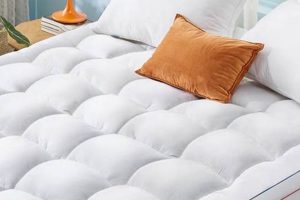
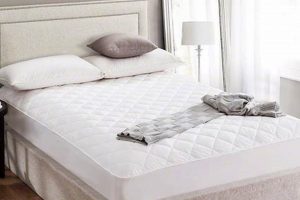
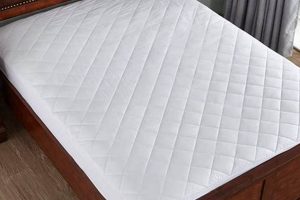
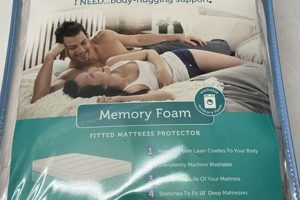
These products serve as an additional layer of cushioning placed atop a recreational vehicle’s sleeping surface. Designed primarily for enhancing comfort, they address common issues associated with standard RV mattresses, such as inadequate support or firmness. These additions can be crafted from various materials including memory foam, latex, or fiberfill, and are available in sizes tailored to fit common RV bed dimensions. For instance, a short queen mattress within a travel trailer might benefit from a specialized pad designed to improve sleep quality during travel.
The significance of such enhancements lies in their ability to mitigate discomfort and promote restful sleep. Adequate rest is crucial for both physical and mental well-being, particularly when undertaking extended road trips or outdoor adventures. Historically, RV mattresses have been known for their cost-effectiveness rather than their ergonomic design. Therefore, investing in a supplementary layer offers a practical and affordable solution to elevate the sleeping experience, contributing to improved health and safety while on the road. These products also protect the underlying mattress from wear and tear, extending its lifespan and preserving its cleanliness.
Understanding the different types of materials, construction methods, and available sizes is essential for selecting the most suitable product. Further discussion will delve into the specific considerations for choosing the right one, including factors like thickness, density, and compatibility with different RV mattress types. Examining these characteristics will enable informed purchasing decisions that optimize comfort and durability.
Tips for Selecting High-Quality Mattress Enhancements for Recreational Vehicles
Choosing the correct mattress enhancement for a trailer requires careful consideration to ensure both comfort and longevity. The following guidelines provide essential advice for making an informed purchase.
Tip 1: Measure the Mattress Dimensions Accurately. Before purchasing, meticulously measure the length, width, and depth of the existing RV mattress. RV mattresses often deviate from standard residential sizes, necessitating precise measurements to guarantee a proper fit and prevent overhang or insufficient coverage.
Tip 2: Evaluate Material Composition. Different materials offer varying degrees of support, temperature regulation, and durability. Memory foam provides excellent contouring and pressure relief, while latex offers superior breathability and resilience. Fiberfill options are generally more affordable but may lack the long-term support of foam or latex. Analyze the intended use and individual preferences to determine the most suitable material.
Tip 3: Consider Thickness and Density. The thickness and density of the enhancement directly impact its performance. A thicker, denser pad provides greater cushioning and support. However, excessively thick options may create difficulties with fitted sheets or contribute to overheating. Strike a balance between comfort and practicality based on climate and personal comfort preferences.
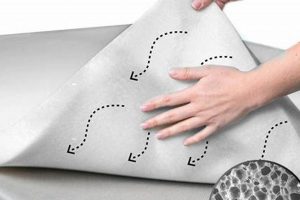
Tip 4: Assess Breathability and Temperature Regulation. RVs are often subject to fluctuating temperatures. Select materials and designs that promote airflow and prevent heat buildup. Look for features such as ventilated foam or moisture-wicking covers to enhance breathability and maintain a comfortable sleeping temperature.
Tip 5: Prioritize Durability and Washability. RV mattresses endure considerable wear and tear during travel. Opt for enhancements constructed from robust materials with reinforced stitching. Furthermore, select options with removable, machine-washable covers to facilitate easy cleaning and maintain hygiene.
Tip 6: Read Reviews and Seek Recommendations. Before finalizing a purchase, thoroughly research customer reviews and seek recommendations from other RV owners. Real-world experiences can provide valuable insights into the product’s performance, durability, and overall value.
Selecting the right mattress enhancement can significantly improve the sleeping experience within a recreational vehicle. By carefully considering dimensions, materials, thickness, breathability, and durability, one can ensure a comfortable and restful night’s sleep while on the road.
The next section of this article will explore specific brands and models of mattress enhancements available for RVs, providing a comparative analysis to aid in the decision-making process.
1. Size and Fit
The dimensions of the recreational vehicle sleeping surface dictate the required dimensions of a supplemental sleeping pad. Precise measurements are critical to ensure optimal comfort and performance. Undersized pads leave portions of the mattress exposed, negating the intended cushioning effect and potentially leading to uneven support. Conversely, oversized pads can bunch up, creating discomfort and impeding proper bedding placement. The selection of a correctly sized pad directly influences the quality of sleep and the overall lifespan of the RV mattress.
For example, a “short queen” mattress, commonly found in many travel trailers, requires a pad specifically designed for its unique dimensions (typically shorter than a standard queen). Using a standard queen-sized pad on a short queen mattress results in overhang, creating uncomfortable lumps and requiring constant adjustment. Similarly, a full-sized pad placed on a twin bed would not only be impractical but could also present a safety hazard. Accurately specifying the size and fit avoids these issues, ensuring a secure and comfortable sleeping surface. Moreover, a properly sized pad allows for secure fitted sheet placement, preventing slippage and maintaining a clean and hygienic sleeping environment.
In summary, meticulous attention to size and fit is paramount when selecting a recreational vehicle mattress pad. Accurate measurement and selection tailored to the specific RV mattress dimensions guarantee maximum comfort, support, and lifespan. Challenges associated with improper sizing, such as discomfort and hygiene issues, are avoided, contributing to a more restful and enjoyable travel experience. This crucial aspect is directly linked to the overall satisfaction and functionality of these RV accessories.
2. Material Composition
The material composition of a recreational vehicle mattress pad directly influences its comfort, durability, and performance characteristics. The selection of specific materials dictates the level of support provided, temperature regulation capabilities, and the overall lifespan of the product. For example, memory foam, a common material in higher-end pads, offers excellent pressure relief by conforming to the body’s contours. However, its density can also trap heat, leading to discomfort in warmer climates. Latex, conversely, provides a more resilient and breathable alternative,
but may not offer the same degree of pressure relief as memory foam. The choice of material, therefore, should align with the intended use, climate conditions, and individual preferences.
Fiberfill represents a more economical option, offering a softer surface feel but generally lacking the long-term support and durability of foam or latex. The type of fiber used (e.g., polyester, cotton) also affects its properties. Polyester fiberfill is typically more resistant to mildew and moisture, making it suitable for the potentially humid environment within a recreational vehicle. Furthermore, the outer cover material plays a crucial role in breathability and ease of maintenance. Materials such as cotton or bamboo promote airflow and can be easily washed, contributing to a more hygienic sleeping environment. The construction of the pad, including the stitching and quilting patterns, also impacts how the materials perform over time. Reinforced stitching prevents shifting and bunching, ensuring consistent support across the entire surface.
In conclusion, the careful consideration of material composition is paramount when selecting a mattress pad for a recreational vehicle. Understanding the properties of different materials and their impact on comfort, durability, and maintenance allows for a more informed purchasing decision. The interplay between the core material, the outer cover, and the construction methods dictates the overall performance and longevity of the pad, ultimately influencing the quality of sleep and the overall travel experience. Ignoring the material aspects of the component means exposing oneself to premature wear, lack of support, and a decline in sleep quality.
3. Thickness and Density

Thickness and density are fundamental characteristics that significantly influence the performance and comfort provided by recreational vehicle mattress pads. These parameters determine the degree of cushioning, support, and pressure relief offered, ultimately impacting sleep quality within the mobile environment.
- Impact on Support
Increased thickness and density generally correlate with enhanced support. A thicker pad, particularly when composed of high-density materials like memory foam, provides a greater barrier against the underlying mattress, preventing sinkage and promoting proper spinal alignment. Insufficient thickness or density may result in the sleeper feeling the contours of the existing mattress, negating the intended benefits of the pad. The role of the pad is not just to add cushioning, but to offer structural support that compensates for shortcomings in the original mattress.
- Pressure Relief Capacity
Density directly affects the pad’s ability to distribute weight and alleviate pressure points. High-density materials compress less under pressure, thereby spreading the load across a broader surface area. This is particularly relevant for side sleepers, who tend to experience concentrated pressure on the shoulders and hips. A dense, thick pad minimizes these pressure points, reducing discomfort and promoting better circulation. Thin or low-density pads offer minimal pressure relief, potentially exacerbating existing discomforts.
- Thermal Regulation Implications
Thickness and density can influence the pad’s thermal properties. Denser materials often retain more heat, potentially leading to overheating during warmer months. Conversely, thinner pads or those constructed with breathable materials like ventilated foam or latex allow for better airflow, promoting a cooler sleeping environment. RV owners in warmer climates should prioritize breathable options to avoid discomfort caused by heat retention. Material choice is critical, a thick but breathable pad would offer more support, pressure relief capacity and better thermal regulation implications.
- Durability and Longevity
Higher density materials generally exhibit greater resistance to compression and deformation over time. A dense pad will maintain its shape and support characteristics for a longer duration compared to a low-density alternative. Thickness also contributes to durability, as a thicker pad has more material to withstand wear and tear. Selecting a pad with sufficient thickness and density is an investment in long-term comfort and support, minimizing the need for frequent replacements and ensuring continued sleep quality during extended travel.
The interplay between thickness and density is a crucial consideration in the selection process. While both attributes contribute to enhanced comfort and support, their impact on thermal regulation and durability must also be carefully evaluated. A well-chosen combination of thickness and density ensures a comfortable, supportive, and long-lasting sleeping surface within the unique environment of a recreational vehicle.
4. Support and Comfort

The dual imperatives of support and comfort represent critical determinants in evaluating the efficacy of recreational vehicle sleeping surfaces. These factors directly influence the restorative potential of rest periods, particularly during extended travel. The effectiveness of mattress pads designed for trailers is intrinsically linked to their ability to deliver both adequate support and a comfortable sleeping experience, mitigating the potential for discomfort and promoting overall well-being.
- Spinal Alignment and Posture
Optimal support necessitates the maintenance of proper spinal alignment throughout the sleep cycle. Mattress pads designed with appropriate firmness and contouring can help prevent excessive curvature or strain on the spine, reducing the risk of back pain and promoting healthy posture. Inadequate support can lead to misalignment, resulting in discomfort and potential long-term health issues. Examples of this would be a memory foam topper that is dense and firm enough to support the back. A mattress pad that doesn’t provide enough spinal alignment can cause lower back pain, neck pain and the likelihood of a fitful night’s sleep.
- Pressure Point Reduction
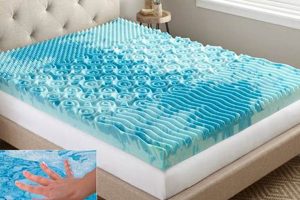
Comfort is significantly enhanced through the reduction of pressure points. Mattress pads that effectively distribute body weight minimize concentrated pressure on areas such as the shoulders, hips, and knees. This reduces discomfort and promotes improved circulation, preventing the numbness or tingling sensations that can disrupt sleep. Pads made from materials like latex or memory foam are frequently employed for their pressure-relieving qualities. An example of pressure point reduction could be a gel infused mattress pad. Without pressure point reduction the body can suffer from poor blood circulation, unnecessary tossing and turning, and overall discomfort.
- Motion Isolation
In shared sleeping environments, motion isolation becomes a crucial comfort factor. Mattress pads that effectively absorb and isolate movement prevent disturbances caused by a partner’s shifting or repositioning during the night. This feature is particularly valuable in the confined space of a trailer, where movement can be easily transmitted across the sleeping surface. Motion isolation is best exhibited in individually pocketed coil mattress pads or solid memory foam pads. Motion transfer in a mattress pad can interrupt sleep, which in turn makes for less comfortable travels.
- Therm
al Regulation and BreathabilityComfort is also heavily influenced by the ability of a mattress pad to regulate temperature and promote breathability. Materials that allow for adequate airflow prevent the buildup of heat and moisture, creating a cooler and more comfortable sleeping environment. Overheating can disrupt sleep and lead to discomfort. Natural fibers, like bamboo and cotton, are used for their thermal capabilities. Lack of thermal regulation capabilities can lead to hot spots throughout the night leading to a more unrestful sleep.
The multifaceted interplay between support and comfort dictates the ultimate effectiveness of trailer mattress pads. Addressing spinal alignment, pressure point reduction, motion isolation, and thermal regulation collectively contributes to a sleeping surface that fosters restorative rest and promotes overall well-being during travel. Conversely, neglecting these factors can lead to discomfort, disrupted sleep, and potentially adverse health consequences. Trailer mattress pads should be properly selected to optimize support and comfort for each traveler’s personal needs.
5. Ease of Maintenance

The property of ease of maintenance constitutes a critical consideration in the selection and utilization of trailer mattress pads. These accessories, frequently subjected to the rigors of travel and variable environmental conditions, necessitate features that facilitate straightforward cleaning and upkeep. The long-term viability and hygienic integrity of these pads are directly proportional to the ease with which they can be maintained.
- Removable and Washable Covers
The presence of a removable and washable cover significantly simplifies the cleaning process. Spills, stains, and accumulated dust or debris can be addressed by simply removing the cover and laundering it according to the manufacturer’s instructions. Materials resistant to shrinking, fading, and damage from common laundry detergents are preferable. This feature minimizes the need for professional cleaning services, reducing both time and expense. Without a removable cover, keeping your trailer mattress pads clean can be a stressful endeavor.
- Material Resistance to Stains and Odors
The inherent resistance of the pad’s constituent materials to stains and odors plays a crucial role in minimizing maintenance requirements. Materials such as treated polyester or closed-cell foams exhibit lower absorption rates, reducing the likelihood of permanent staining or the retention of unpleasant odors. This characteristic is particularly important in the confined space of a trailer, where ventilation may be limited. Choosing resistant materials for the construction of your trailer mattress pads is a worthwhile investment.
- Antimicrobial Properties
The inclusion of antimicrobial properties within the mattress pad’s materials or construction inhibits the growth of bacteria, mold, and mildew. This feature not only contributes to a more hygienic sleeping environment but also reduces the frequency of cleaning required to maintain a sanitary condition. Antimicrobial treatments can be integrated into the fibers or applied as a surface coating. This is especially helpful given the humid temperatures of some RV traveling destinations. Antimicrobial capabilities in trailer mattress pads are an essential feature.
- Lightweight Construction
While not directly related to cleaning, lightweight construction facilitates easier handling and maneuvering of the mattress pad, simplifying tasks such as airing out the mattress or rotating the pad for even wear. A lighter pad requires less effort to remove and replace, making maintenance less physically demanding. Trailer mattress pads built with light materials are a worthwhile consideration.
In conclusion, the property of ease of maintenance is a multifaceted attribute encompassing factors from removable covers to antimicrobial properties. By prioritizing these characteristics during the selection process, trailer owners can ensure the long-term cleanliness, hygiene, and overall usability of their mattress pads. Neglecting these considerations can lead to increased maintenance burdens, reduced lifespan, and compromised sleeping conditions.
Frequently Asked Questions about Trailer Mattress Pads
This section addresses common inquiries regarding the selection, use, and maintenance of trailer mattress pads. The information provided aims to clarify key considerations for optimal performance and longevity.
Question 1: What is the expected lifespan of a trailer mattress pad?
The lifespan is contingent upon material composition, usage frequency, and maintenance practices. High-density foam or latex pads, when properly cared for, may last five to seven years. Lower-density fiberfill options typically exhibit a shorter lifespan of two to three years. Regular cleaning and protection from excessive moisture can extend the usable life.
Question 2: How does one determine the appropriate thickness for a trailer mattress pad?
The optimal thickness depends on individual comfort preferences and the existing mattress’s condition. A thicker pad (3-4 inches) provides greater cushioning and support, particularly for worn or uncomfortable mattresses. Thinner pads (1-2 inches) may suffice for newer mattresses or individuals who prefer a firmer sleeping surface. Considering the weight limitations within a trailer is also advisable.
Question 3: Are trailer mattress pads compatible with electric blankets?
Compatibility varies depending on the pad’s material. Memory foam, due to its density, may impede heat distribution and reduce the electric blanket’s effectiveness. Latex or fiberfill pads generally pose fewer compatibility issues. Always consult both the mattress pad’s and the electric blanket’s manufacturer guidelines before combined use.
Question 4: How often should a trailer mattress pad be cleaned?
The frequency of cleaning depends on usage and environmental factors. At a minimum, the pad should be aired out every three to six months to prevent moisture buildup and odor retention. Removable covers should be laundered according to the care instructions, typically every one to three months. Spills or stains should be addressed promptly to prevent permanent damage.
Question 5: Can a trailer mattress pad rectify a sagging or uneven RV mattress?
A mattress pad can provide temporary relief from minor sagging or unevenness. However, it is not a permanent solution for severely deteriorated mattresses. A thick, high-density pad may offer improved support and cushioning, but replacement of the original mattress is often necessary for optimal comfort and spinal alignment.
Question 6: What is the recommended method for storing a trailer mattress pad when not in use?
The pad should be thoroughly cleaned and dried before storage. It should be rolled or folded loosely and stored in a dry, well-ventilated area. Avoid compressing the pad excessively, as this can damage the materials and reduce its effectiveness. Using a breathable storage bag can protect the pad from dust and pests.
Selecting and maintaining trailer mattress pads involves careful consideration of factors such as material, thickness, cleaning practices, and storage methods. Proper attention to these details ensures optimal comfort, longevity, and hygiene.
The subsequent section will explore specific prod
uct recommendations and comparative analyses to assist in making informed purchasing decisions.
Concluding Remarks on Trailer Mattress Pads
This exploration of trailer mattress pads has illuminated their multifaceted role in enhancing the comfort and longevity of recreational vehicle sleeping surfaces. Key considerations, including size and fit, material composition, thickness and density, support and comfort, and ease of maintenance, have been thoroughly examined to provide a comprehensive understanding of their impact. The appropriate selection and meticulous upkeep of these pads contribute significantly to the overall travel experience, fostering restful sleep and promoting physical well-being.
The continued innovation in materials and design methodologies promises further advancements in trailer mattress pad technology. Trailer owners should diligently evaluate individual needs and preferences when navigating the increasingly diverse product landscape. Prioritizing quality and durability over purely economical factors ensures a worthwhile investment that yields long-term benefits, ultimately contributing to safer and more enjoyable journeys.