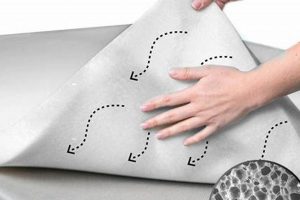
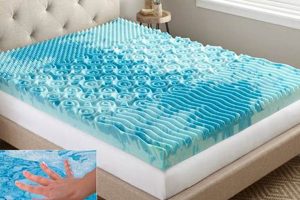
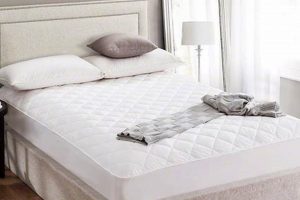
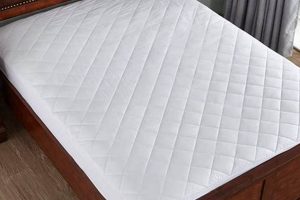
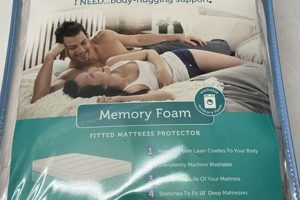
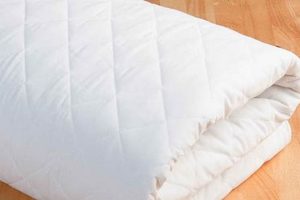
These bedding accessories serve as a protective layer placed atop a mattress, designed to enhance comfort and prolong the mattress’s lifespan. Constructed from various materials, these pads often incorporate features such as cushioning, waterproofing, or temperature regulation, contributing to an improved sleep environment.
The utilization of such pads presents several advantages. They can add a layer of plushness to a firm mattress, effectively alleviating pressure points and promoting better spinal alignment. Moreover, they act as a barrier against spills, stains, and allergens, thus safeguarding the underlying mattress and minimizing the need for frequent cleaning or replacement. Historically, similar mattress enhancements have existed in simpler forms, evolving over time with advancements in materials and manufacturing techniques to meet diverse consumer needs.
The subsequent sections will delve into specific types, materials, and features commonly associated with these mattress enhancements, providing a detailed analysis of their performance characteristics and suitability for different sleep preferences.
Optimizing the Use of Mattress Pads
The following recommendations aim to maximize the benefits and lifespan of mattress pads, ensuring optimal sleep quality and mattress protection.
Tip 1: Assess Mattress Condition Before Purchase. Prior to acquiring a mattress pad, evaluate the underlying mattress for existing damage or wear. A mattress pad cannot rectify significant structural issues; it primarily enhances comfort and protection of a mattress in reasonable condition.
Tip 2: Choose Material Based on Specific Needs. Mattress pads are available in various materials, each offering distinct advantages. Consider factors such as allergy sensitivity (hypoallergenic materials), temperature regulation (cooling gel-infused options), and desired level of cushioning (memory foam or down alternatives) when selecting a suitable material.
Tip 3: Ensure Proper Fit and Secure Attachment. A correctly sized mattress pad with secure attachment mechanisms (e.g., elastic straps, fitted skirts) is crucial. An ill-fitting pad can shift during sleep, compromising comfort and protection. Measure the mattress dimensions accurately before purchase and select a pad with appropriate depth.
Tip 4: Implement a Regular Cleaning Schedule. Regular cleaning is essential for maintaining hygiene and extending the lifespan of the mattress pad. Follow the manufacturer’s instructions for washing or spot-cleaning. Promptly address spills and stains to prevent permanent damage.
Tip 5: Utilize a Mattress Protector Underneath. For enhanced protection against spills and allergens, consider using a waterproof mattress protector underneath the mattress pad. This layering approach provides a comprehensive defense against potential damage to the mattress.
Tip 6: Rotate or Flip Regularly. Periodic rotation or flipping (if applicable) of the mattress pad can promote even wear and prevent compression in specific areas. This practice helps maintain consistent comfort and extends the pad’s usable life.
Tip 7: Consider Pad Thickness and Support. The thickness and density of the mattress pad will influence its level of support. Individuals seeking enhanced pressure relief may opt for thicker, more cushioned pads, while those prioritizing firm support may prefer thinner options.
Adhering to these guidelines can optimize the functionality and longevity of mattress pads, contributing to a cleaner, more comfortable sleep environment and prolonged mattress life.
The subsequent sections will explore specific maintenance procedures and troubleshooting techniques related to common mattress pad issues.
1. Enhanced Comfort
Enhanced comfort, in the context of bedding, directly relates to the subjective experience of improved sleep quality and physical well-being. Mattress pads play a significant role in augmenting the comfort level of a sleep surface, addressing concerns such as pressure points, temperature regulation, and overall support.
- Pressure Point Alleviation
Mattress pads, particularly those constructed from memory foam or plush fiberfill, distribute body weight more evenly across the mattress surface. This reduces concentrated pressure on areas like the hips, shoulders, and knees, leading to diminished discomfort and improved circulation. Individuals experiencing joint pain or stiffness may find significant relief through the use of a strategically chosen pad.
- Temperature Regulation
Certain mattress pad materials, such as those infused with cooling gel or utilizing breathable fabrics like cotton or bamboo, promote better airflow and dissipate heat. This mitigates the buildup of body heat during sleep, preventing overheating and night sweats. Temperature-regulating pads are particularly beneficial for individuals residing in warmer climates or those prone to nocturnal perspiration.
- Motion Isolation
Mattress pads, particularly those with a dense construction, can absorb and minimize motion transfer across the mattress. This is especially advantageous for couples, as it reduces the disruption caused by one partner’s movements during the night. Effective motion isolation leads to more uninterrupted and restful sleep.
- Surface Softening
A primary function of mattress pads is to add a layer of softness to a firm or aging mattress. This additional cushioning can enhance the overall comfort level and improve the sleep experience. Individuals who find their current mattress too rigid may benefit from the added plushness provided by a well-chosen pad.
The integration of these comfort-enhancing attributes within mattress pads contributes to a more supportive and restful sleep environment. By addressing specific comfort needs, such as pressure relief, temperature control, and motion isolation, these products directly impact the quality and duration of sleep, ultimately leading to improved daytime function and overall well-being.
2. Mattress Protection
The protective function of mattress pads is a significant factor in preserving the integrity and lifespan of the underlying mattress. These pads act as a barrier against various forms of damage and degradation, contributing to long-term hygiene and cost savings.
- Barrier Against Spills and Stains
Mattress pads provide a primary line of defense against liquid spills and stains that can permanently damage a mattress. This is particularly important in households with children, pets, or individuals prone to spills. By absorbing liquids and preventing them from penetrating the mattress fibers, these pads help maintain a clean and hygienic sleep surface. A spill can lead to mould and unpleasant odour that
can destroy the mattress. - Protection from Allergens and Dust Mites
Mattress pads can create a barrier against allergens, dust mites, and other microscopic particles that accumulate in mattresses over time. This is crucial for individuals with allergies or asthma, as reducing exposure to these irritants can alleviate symptoms and improve sleep quality. Pads constructed from hypoallergenic materials offer enhanced protection. These microscopic particles can trigger allergic symptoms.
- Mitigation of Wear and Tear
Mattress pads absorb daily wear and tear that would otherwise impact the mattress directly. This includes friction from movement, pressure from body weight, and general compression of the sleep surface. By distributing these forces, the pads help prevent sagging, indentations, and other forms of mattress degradation, extending its usable life. The result is a well maintained mattress over time.
- Odor Control
By preventing the accumulation of bodily fluids and sweat, mattress pads contribute to odor control. Materials with antimicrobial properties can further inhibit the growth of odor-causing bacteria. This helps maintain a fresh and hygienic sleep environment. Odors that absorb into the mattress are notoriously difficult to remove.
The diverse protective qualities of mattress pads are integral to maintaining a clean, hygienic, and durable sleep environment. Their ability to shield against spills, allergens, wear and tear, and odors contributes significantly to the longevity and overall value of the underlying mattress. Therefore, consider purchasing a lucid mattress pads for maximum protection and comfort.
3. Material Composition
The effectiveness and longevity of a mattress pad are fundamentally linked to its material composition. The choice of materials directly impacts comfort, support, breathability, durability, and hypoallergenic properties. A mattress pad constructed with inferior materials will likely exhibit reduced comfort, faster degradation, and potentially pose health concerns for sensitive individuals. For instance, a pad using low-density foam may compress quickly, losing its cushioning effect within a short period. Similarly, synthetic fabrics lacking breathability can trap heat, leading to discomfort and disrupted sleep. The material composition predetermines the performance characteristics and overall value proposition of the pad.
Conversely, a mattress pad utilizing high-quality materials, such as memory foam with cooling gel infusion or a natural latex core, can provide superior pressure relief, temperature regulation, and longevity. Consider the example of a mattress pad with a bamboo rayon cover: this material offers enhanced breathability and moisture-wicking capabilities compared to a standard polyester cover. Furthermore, pads incorporating antimicrobial treatments in their fabric construction can inhibit the growth of bacteria and mold, contributing to a cleaner and healthier sleep environment. The selection of materials should align with the intended use case and desired performance characteristics.
In conclusion, the material composition of a mattress pad is not merely a superficial attribute; it is the cornerstone of its performance, durability, and suitability for individual needs. Understanding the properties of different materials, such as foam density, fabric breathability, and hypoallergenic qualities, is crucial for making an informed purchasing decision and maximizing the benefits of a mattress pad. Neglecting this aspect can lead to dissatisfaction and premature replacement, highlighting the practical significance of material composition in the context of these bedding accessories.
4. Thickness Options

The availability of varied thickness options in mattress pads directly impacts their functionality and suitability for different individual needs and mattress conditions. The thickness of a pad, measured typically in inches, determines the level of cushioning and support it provides, thereby influencing sleep comfort and the overall sleep experience. A thinner pad, often less than two inches, primarily offers a protective barrier against spills and minor wear while adding minimal cushioning. Conversely, thicker pads, exceeding three or four inches, provide a more substantial layer of comfort, potentially alleviating pressure points and enhancing support, especially on firmer mattresses. Real-world examples include individuals with back pain opting for thicker memory foam pads to improve spinal alignment, or budget-conscious consumers choosing thinner options for basic mattress protection.
The selection of an appropriate thickness should also consider the existing mattress. A very thick pad on an already soft mattress may result in excessive sinkage and discomfort, negating the intended benefits. Conversely, a thin pad on a very firm mattress might not provide sufficient pressure relief. Furthermore, the depth of fitted sheets should be considered to accommodate the added height of the mattress pad. Beyond comfort, thickness influences durability. Thicker pads generally compress less over time, maintaining their cushioning properties for longer. Certain manufacturers offer pads with zoned thickness, providing targeted support to specific areas of the body, such as the lumbar region.
Understanding the practical significance of thickness options allows consumers to make informed decisions aligned with their specific requirements and preferences. Thickness is an important component to consider while choosing a lucid mattress pads. Selecting the wrong thickness can lead to dissatisfaction and negate the benefits of the pad. A careful assessment of individual needs and existing mattress characteristics is crucial for maximizing the comfort, support, and protection provided by a mattress pad. This understanding links directly to the broader theme of optimizing sleep quality and mattress longevity through informed product selection.
5. Size Availability

The availability of mattress pads in diverse sizes is a fundamental aspect influencing consumer choice and satisfaction. Accurate sizing is critical for optimal fit, functionality, and adherence to hygiene standards, ensuring the pad effectively protects the mattress and provides the intended comfort level.
- Standard Mattress Dimensions
Mattress pads are manufactured to align with standard mattress dimensions, including Twin, Twin XL, Full, Queen, King, and California King. These standardized sizes ensure compatibility and prevent issues such as bunching, slipping, or inadequate coverage. Deviation from standard sizes can compromise the pad’s protective capabilities and diminish sleep comfort. For instance, using a Queen-sized pad on a King-sized mattress leaves a significant portion of the sleep surface unprotected.
- Custom and Non-Standard Sizes
While standard sizes cater to the majority, non-standard mattress dimensions exist in specialized applications, such as RVs, cribs, or antique beds. The availability of custom-sized pads is crucial for these unique cases, ensuring proper fit and protection. Manufacturers offering customizat
ion options address a niche market and cater to specific consumer needs beyond the typical scope of standardized sizing. - Depth Considerations
Mattress pads should accommodate varying mattress depths, especially with the increasing prevalence of thicker, pillow-top mattresses. Pad sizing includes depth specifications to ensure a secure fit and prevent the pad from riding up or becoming dislodged during sleep. Failure to account for mattress depth can result in a poorly fitting pad that compromises both comfort and protection.
- Impact on Performance and Longevity
An accurately sized mattress pad contributes to its overall performance and longevity. A well-fitted pad remains securely in place, minimizing wear and tear and maximizing its protective capabilities. Conversely, an improperly sized pad is more susceptible to damage, shifting, and reduced effectiveness, ultimately shortening its lifespan and potentially damaging the underlying mattress.
The correlation between proper sizing and optimal performance underscores the importance of selecting a mattress pad that precisely matches the dimensions of the intended mattress. Size availability is therefore a crucial factor to consider, impacting both comfort and the long-term protection of the mattress itself. The specific requirements should be understood before purchase and this will guide the consumer’s choice.
6. Washability

Washability represents a critical attribute of mattress pads, directly impacting hygiene, maintenance, and long-term cost-effectiveness. The ability to clean a mattress pad regularly is essential for removing allergens, dust mites, and bodily fluids, contributing to a healthier sleep environment.
- Material-Specific Cleaning Requirements
Different mattress pad materials necessitate distinct cleaning procedures. Memory foam pads, for instance, typically require spot cleaning due to their density and potential for water retention, while cotton or polyester pads may be machine washable. Adherence to manufacturer-specified cleaning instructions is crucial to prevent damage or degradation of the pad’s materials. This distinction impacts the maintenance effort required and the long-term structural integrity of the mattress pad.
- Frequency of Washing
The optimal washing frequency depends on individual usage patterns and environmental factors. However, regular washing, typically every one to three months, is recommended to maintain hygiene and remove accumulated allergens. Households with pets, children, or individuals prone to allergies may benefit from more frequent cleaning. Ignoring this aspect can lead to a build-up of contaminants that reduces comfort and compromises health.
- Impact on Longevity
Proper washing practices significantly influence the lifespan of a mattress pad. Harsh detergents, excessive heat during drying, or improper handling can accelerate wear and tear, diminishing the pad’s cushioning and protective qualities. Gentle cleaning methods and air drying are generally recommended to preserve the material integrity and extend the pad’s usable life. Thus, carefully selecting mattress pads with durable and washable fabrics can lead to long term cost savings.
- Features Enhancing Washability
Certain design features enhance the washability of mattress pads. These may include removable covers, water-resistant linings, or antimicrobial treatments that inhibit bacterial growth and odor retention. Such features simplify cleaning and contribute to a more hygienic sleep surface. Choosing mattress pads with these features reduces maintenance efforts.
Considering these multifaceted aspects of washability is essential when selecting a mattress pad. The ease of cleaning, appropriate cleaning methods, and impact on longevity should align with individual needs and lifestyle. Regular and proper cleaning not only contributes to a healthier sleep environment but also extends the lifespan and preserves the intended functionality of the mattress pad.
7. Hypoallergenic Properties

The integration of hypoallergenic properties into mattress pads represents a significant advancement in bedding technology, directly addressing the needs of individuals with allergies and sensitivities. The presence of hypoallergenic materials serves as a primary defense against common allergens such as dust mites, pet dander, mold spores, and pollen, all of which can accumulate within a mattress over time. A mattress pad lacking these properties may exacerbate allergic reactions, leading to respiratory issues, skin irritations, and disrupted sleep patterns. For instance, individuals with asthma may experience heightened symptoms in the presence of dust mites residing within their bedding. Therefore, the inclusion of hypoallergenic characteristics is not merely a marketing feature but a crucial element for promoting a healthier sleep environment.
Hypoallergenic mattress pads typically incorporate materials with inherent resistance to allergen accumulation. Examples include tightly woven fabrics that prevent dust mite penetration, latex derived from rubber trees known for its natural antimicrobial qualities, and synthetic fibers treated with antimicrobial agents. Furthermore, some mattress pads feature hypoallergenic fills, such as down alternatives or specially processed wool, minimizing the risk of allergic reactions. These materials act as a physical barrier, preventing allergens from reaching the mattress core and subsequently reducing their impact on sensitive individuals. Real-world applications include hospitals and healthcare facilities utilizing hypoallergenic bedding to minimize the risk of allergic reactions among patients and staff.
In conclusion, the implementation of hypoallergenic properties within mattress pads directly contributes to improved sleep quality and overall well-being, particularly for individuals with allergies or sensitivities. By minimizing exposure to common allergens, these pads create a cleaner and healthier sleep environment, reducing the risk of allergic reactions and promoting more restful sleep. Challenges remain in educating consumers about the importance of hypoallergenic bedding and ensuring transparency in material sourcing and manufacturing processes. However, the increasing awareness of allergen sensitivities and the availability of certified hypoallergenic products are driving the demand for mattress pads that prioritize allergen protection, directly linking to the broader theme of promoting health and wellness through informed bedding choices.
Frequently Asked Questions
The following questions and answers address common concerns and provide informative details regarding mattress pads.
Question 1: What distinguishes a mattress pad from a mattress topper?
A mattress pad primarily functions as a protective layer, offering minimal cushioning and securing to the mattress via elastic straps or a fitted skirt. A mattress topper, conversely, adds a significant layer of comfort, altering the feel of the mattress and typically resting directly on top without securement mechanisms.
Question 2: How often should mattress pads be cleaned?
Mattress pads should be cleaned every one to three months, depending on usage and environmental factors. Spills and st
ains warrant immediate spot cleaning. Refer to the manufacturer’s instructions for appropriate cleaning methods.
Question 3: Can a mattress pad rectify an old or sagging mattress?
A mattress pad provides added comfort and protection but cannot fully restore a sagging or structurally damaged mattress. While a pad can alleviate some discomfort, replacing the mattress remains the optimal solution for significant degradation.
Question 4: Are all mattress pads hypoallergenic?
Not all mattress pads are hypoallergenic. Check the product specifications for materials and certifications indicating hypoallergenic properties. Individuals with allergies should prioritize pads constructed from materials resistant to dust mites and other allergens.
Question 5: Does the thickness of a mattress pad correlate directly to its comfort level?
While thickness contributes to comfort, material density and quality also play crucial roles. A thicker pad constructed from low-density materials may offer less support than a thinner pad using high-density memory foam. Consider both thickness and material composition when assessing comfort.
Question 6: Can mattress pads be used on adjustable beds?
Mattress pads are generally compatible with adjustable beds, provided they are appropriately sized and securely attached. Ensure the pad does not impede the adjustable bed’s movement or functionality. Flexible materials are preferable for adjustable bed applications.
These FAQs provide a foundational understanding of mattress pads and their practical applications.
The subsequent section will cover advanced topics relating to mattress pad care and troubleshooting.
In Closing
This exploration has addressed the multifaceted nature of lucid mattress pads, encompassing their comfort enhancement, protective functions, material composition, sizing considerations, washability attributes, and hypoallergenic properties. The objective analysis presented underscores the significant role these bedding accessories play in optimizing sleep quality and prolonging mattress lifespan.
The information provided serves to empower consumers with the knowledge necessary to make informed purchasing decisions, aligning product selection with individual needs and preferences. Continued advancements in material science and manufacturing techniques are expected to further refine the performance characteristics of lucid mattress pads, solidifying their position as integral components of a comprehensive sleep system.