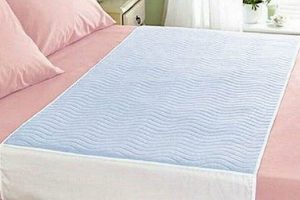
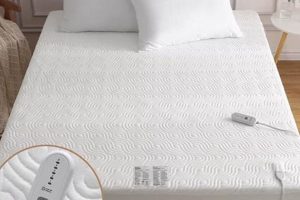
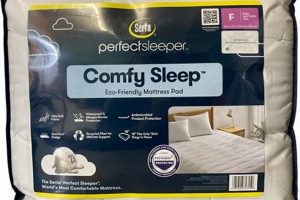
A bedding accessory designed to enhance comfort and protect a mattress, these items typically feature a surface layer crafted from bamboo-derived fabric. This fabric is often lauded for its soft texture and breathable qualities, contributing to a more comfortable sleep environment. They are placed directly atop the mattress, beneath the fitted sheet.
The utilization of bamboo-based materials in bedding stems from a desire for more sustainable and comfortable options. These products are often associated with improved moisture-wicking properties, temperature regulation, and hypoallergenic qualities compared to traditional synthetic alternatives. The historical context reflects a growing awareness of eco-friendly textiles and their potential benefits in everyday living.
The following sections will delve into the specific construction, care instructions, and diverse selection criteria relevant to these mattress enhancements. The discussion will also cover their role in extending mattress lifespan and promoting a restful sleep experience.
Optimizing the Selection and Use of Bamboo Mattress Pads
Maximizing the benefits requires careful consideration of several factors. The following guidance aims to provide a framework for informed decisions regarding purchase, care, and maintenance.
Tip 1: Assess Material Composition. Examine the precise blend of bamboo fibers and other materials used in the construction. A higher percentage of bamboo typically correlates with increased softness and breathability. Verify certifications such as Oeko-Tex to ensure absence of harmful substances.
Tip 2: Evaluate Thickness and Loft. Consider the desired level of cushioning and support. Thicker versions provide enhanced comfort but may alter the feel of the mattress. Loft, or the fluffiness, contributes to air circulation and temperature regulation.
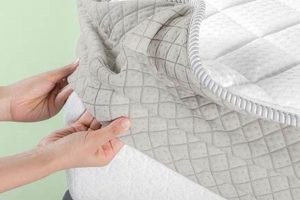
Tip 3: Investigate Attachment Mechanisms. Ensure the chosen pad incorporates secure attachment methods, such as elastic straps or fitted skirts, to prevent slippage and maintain proper positioning on the mattress. Measure mattress depth accurately to select an appropriately sized skirt.
Tip 4: Review Washing Instructions. Adhere strictly to the manufacturer’s laundering recommendations to preserve the integrity and lifespan of the item. Typically, gentle cycles and air drying are preferred to prevent shrinkage or damage to the delicate bamboo fibers.
Tip 5: Inspect for Quilting Patterns. Quilting patterns influence the distribution of fill material and contribute to overall durability. Denser quilting patterns often provide more consistent support and prevent clumping after washing.
Tip 6: Consider Hypoallergenic Properties. While bamboo is generally considered hypoallergenic, verify any additional treatments or materials used in the pad’s construction that may impact its suitability for individuals with sensitivities.
Tip 7: Check the GSM (Grams per Square Meter). This metric indicates the fabric’s density. A higher GSM usually signifies a more durable and luxurious product. Compare GSM values across different options to assess their quality.
By implementing these strategies, consumers can optimize their experience and prolong the useful life. The informed selection and careful maintenance will lead to significant improvements in sleep quality and mattress protection.
The subsequent discussion will address common concerns and provide further insights into maximizing the advantages of these mattress enhancements.
1. Softness and Comfort

The intrinsic link between softness and comfort and bedding items derived from bamboo fibers is significant. The inherent cellular structure of bamboo yields a fabric notably softer than conventional cotton. This increased softness directly translates to a more comfortable sleep surface, reducing friction against the skin and minimizing potential irritation. For example, individuals with sensitive skin conditions often find relief using bedding made from this material due to its gentle texture, leading to improved sleep quality.
Furthermore, the draping qualities of bamboo-derived fabric enhance overall comfort. The material conforms more readily to the body’s contours, mitigating pressure points that can cause discomfort during sleep. Studies have demonstrated that a smoother sleep surface contributes to reduced tossing and turning, allowing for deeper and more restorative rest. Consequently, integrating a mattress pad crafted from this textile can mitigate discomfort arising from a less pliable mattress.
In summary, the emphasis on softness inherent in bamboo mattress pads addresses a fundamental aspect of sleep comfort. The resulting decrease in skin irritation, combined with enhanced body conformity, demonstrably contributes to improved sleep quality. The practical significance of this understanding lies in its ability to inform bedding choices that prioritize both physical comfort and restful sleep.
2. Moisture-Wicking Properties

The characteristic of moisture-wicking is integral to the functionality of bamboo mattress pads. The term describes the fabric’s capacity to draw moisture away from the body. Bamboo fibers possess a naturally porous structure that enhances this ability, allowing perspiration to evaporate more readily. This action reduces humidity and maintains a drier sleep surface. The effect is directly beneficial for individuals experiencing night sweats or living in humid climates, thereby mitigating discomfort and potential skin irritation caused by prolonged exposure to moisture.
The practical application of this property extends beyond mere comfort. A drier sleep environment discourages the growth of mold, mildew, and dust mites, contributing to improved hygiene and allergy management. For example, individuals prone to allergies or respiratory sensitivities may experience reduced symptoms when sleeping on a mattress pad with superior moisture-wicking capabilities. The fabric’s structure facilitates air circulation, further promoting evaporation and maintaining a stable temperature during sleep. This aspect distinguishes it from synthetic materials that often trap heat and moisture against the skin.
In conclusion, the moisture-wicking property of bamboo mattress pads represents a significant advantage regarding both comfort and hygiene. The ability to efficiently draw moisture away from the body creates a drier, more comfortable sleep environment, reducing the risk of skin irritation and promoting better temperature regulation. These attributes contribute to enhanced sleep quality and underscore the practical significance of selecting bedding with superior moisture management capabilities. The effectiveness directly impacts sleep quality and general health.
3. Breathability

Breathability, in the context of bedding, refers to the capacity of a material to facilitate the passage of air and moisture vapor. This characteristic is particularly relevant to mattress pads, as it directly influences temperature regulation and overall sleep comfort. Bamboo-derived textiles are often touted for their enhanced breathability when compared to synthetic alternatives, making them a desirable choice for those seeking to mitigate overheating during sleep.
- Fiber Structure and Airflow
The inherent microstructure of bamboo fibers contributes significantly to its breathability. The fibers possess microscopic gaps and channels that promote airflow through the material. This increased airflow allows for more efficient dissipation of heat and moisture, preventing the buildup of humidity against the skin. This is essential during sleep, where body temperature fluctuations occur. Example: A bamboo mattress pad allows excess heat to dissipate, preventing night sweats compared to a memory foam pad that traps heat.
- Moisture Vapor Transmission Rate (MVTR)
MVTR is a quantitative measure of a fabric’s ability to allow moisture vapor to pass through it. Bamboo textiles typically exhibit a higher MVTR compared to cotton or polyester. A higher MVTR translates to improved breathability, enabling more effective moisture management and temperature regulation. This metric is often used in textile testing to assess the performance characteristics of different materials, providing data to support claims of superior breathability. Example: Testing shows bamboo fabric allows 50% more moisture vapor to pass through compared to standard cotton.
- Weave and Construction
Beyond the inherent properties of the fiber, the weave and construction of the fabric also play a crucial role in breathability. A looser weave, such as a twill or knit, generally allows for greater airflow compared to a tighter weave, such as a plain weave. The construction of the mattress pad, including the presence of quilting or layering, can also impact breathability. Intricate patterns or multiple layers may reduce airflow, diminishing the overall breathability of the product. Example: A knitted bamboo mattress pad has better airflow than a densely quilted one.
The collective influence of fiber structure, MVTR, and weave on breathability underscores the value of bamboo mattress pads in fostering a more comfortable and temperature-regulated sleep environment. The breathable nature promotes a more stable sleep temperature, potentially reducing sleep disruptions and enhancing overall restfulness. These facets emphasize the significance of prioritizing breathability when selecting bedding products, particularly for individuals prone to overheating or those seeking enhanced comfort.
4. Hypoallergenic Nature

The claim of hypoallergenic properties in bamboo mattress pads warrants careful consideration. While not inherently allergen-proof, these products often exhibit characteristics that reduce the likelihood of allergic reactions compared to some traditional materials. This distinction stems from multiple factors related to fiber composition and manufacturing processes.
- Reduced Dust Mite Population
Bamboo fibers inherently possess a tightly woven structure that inhibits dust mite penetration and colonization. Dust mites, common allergens found in bedding, thrive in warm, humid environments. The moisture-wicking properties of bamboo, coupled with its breathability, create a less hospitable environment for these organisms, reducing their population within the mattress pad. This mitigation is essential for individuals with dust mite allergies. Example: Independent studies demonstrate a significant decrease in dust mite counts in bedding made from bamboo compared to cotton.
- Antimicrobial Properties
Certain processing methods applied to bamboo fibers result in residual antimicrobial characteristics. While the extent of these properties can vary depending on the manufacturing process, some bamboo mattress pads may exhibit resistance to the growth of bacteria and fungi. These organisms can trigger allergic reactions or exacerbate existing respiratory conditions in susceptible individuals. Example: Laboratory tests have shown that specific bamboo-derived fabrics inhibit the growth of common allergens like Staphylococcus aureus and Aspergillus niger.
- Smoother Fiber Surface
The relatively smooth surface of bamboo fibers minimizes friction against the skin, reducing the release of potential irritants and allergens. Unlike coarser materials, such as wool, which can cause itching and skin irritation, the smooth texture of bamboo fibers offers a more comfortable and less allergenic sleeping surface. This is particularly important for individuals with sensitive skin or eczema. Example: Bamboo fabric is often recommended for infants and young children due to its gentle feel and reduced potential for skin irritation.
- Lower Chemical Residue
Compared to some synthetic fabrics, bamboo textiles often require less intensive chemical processing during manufacturing. This reduced chemical burden minimizes the potential for residual chemicals to leach into the sleeping environment and trigger allergic reactions. Certifications, such as Oeko-Tex Standard 100, ensure that the product has been tested for harmful substances and meets specific safety standards. Example: Mattress pads with Oeko-Tex certification are less likely to contain allergens such as formaldehyde or phthalates.
In summary, the hypoallergenic nature associated with bamboo mattress pads arises from a combination of factors that collectively reduce the likelihood of allergic reactions. While not entirely allergen-free, the reduced dust mite populations, potential antimicrobial properties, smoother fiber surface, and lower chemical residue contribute to a more comfortable and less allergenic sleeping environment. The selection of certified products further mitigates potential risks. This nuanced understanding facilitates informed consumer choices regarding bedding that prioritizes both comfort and allergy management.
5. Mattress Protection
The integration of mattress protection as a functional component of bamboo mattress pads directly correlates with the lifespan and hygiene of the underlying mattress. These pads act as a barrier against spills, stains, and general wear and tear, thereby mitigating the need for frequent mattress replacement. Accidental liquid exposure, a common occurrence, can permanently damage a mattress, leading to unsanitary conditions and the potential for mold growth. A bamboo mattress pad, due to its absorbent qualities, reduces the extent of liquid penetration, thus preserving the integrity of the mattress core. For example, a coffee spill absorbed by the pad prevents staining and moisture buildup within the mattress itself, ensuring a cleaner and more durable sleep surface.
Furthermore, these pads protect against the accumulation of dead skin cells, dust mites, and allergens that inevitably permeate bedding over time. The porous nature of mattresses provides an ideal breeding ground for these particles,
potentially triggering allergic reactions and respiratory issues. A bamboo mattress pad serves as a removable and washable layer, effectively trapping these contaminants and preventing them from reaching the mattress interior. The regular laundering of the pad helps maintain a hygienic sleep environment, promoting both comfort and well-being. As an illustration, consider the scenario of a child’s bedwetting incident. The pad absorbs the urine, preventing it from soaking into the mattress, which would otherwise necessitate professional cleaning or even replacement.
The economic and health benefits associated with this protection are significant. Extending the life of a mattress translates to reduced replacement costs, while minimizing allergen exposure contributes to improved respiratory health and overall comfort. The practical significance lies in the understanding that a relatively inexpensive investment in a quality pad serves as a cost-effective measure for preserving mattress longevity and promoting a healthier sleep environment. Challenges remain in ensuring the pad’s waterproof qualities without compromising breathability, but advancements in material science continue to address this concern, solidifying the role of bamboo mattress pads as a valuable asset in comprehensive sleep hygiene.
Frequently Asked Questions
This section addresses common inquiries regarding bamboo mattress pads, providing detailed and factual responses to aid in informed decision-making.
Question 1: Are all bamboo mattress pads created equal in terms of material composition?
No. The percentage of bamboo fiber varies considerably among different brands and models. Some may incorporate a blend of bamboo with other materials like polyester. Examine the product label carefully to ascertain the exact fiber content. A higher percentage of bamboo typically indicates greater softness and breathability.
Question 2: How does one properly care for a bamboo mattress pad to maximize its lifespan?
Adherence to the manufacturer’s washing instructions is crucial. Generally, gentle cycles with cold water and mild detergents are recommended. Avoid bleach and fabric softeners, as these can damage the delicate fibers. Air drying is preferable to machine drying, as excessive heat can cause shrinkage and diminish the pad’s softness. Periodic fluffing can help maintain its loft.
Question 3: Do bamboo mattress pads provide adequate protection against spills and stains?
While inherently absorbent, not all bamboo mattress pads are waterproof. For enhanced protection against liquid damage, consider models with a waterproof membrane laminated to the underside. Ensure the waterproof layer is breathable to prevent moisture buildup and maintain comfort. Check the product specifications for details on water resistance.
Question 4: Are bamboo mattress pads truly hypoallergenic, and what precautions should be taken?
While bamboo possesses natural hypoallergenic properties, individuals with severe allergies should exercise caution. Verify that the pad has been certified by an independent organization, such as Oeko-Tex, to ensure it is free from harmful chemicals and irritants. Wash the pad before initial use to remove any residual manufacturing residue. Consider a fully encased mattress protector for comprehensive allergy control.
Question 5: What is the expected lifespan of a bamboo mattress pad under normal use?
The lifespan of these pads depends on several factors, including frequency of use, care practices, and material quality. With proper care, a high-quality bamboo mattress pad can last for several years. Signs of wear and tear, such as thinning, clumping of fill, or loss of elasticity, indicate the need for replacement.
Question 6: How does the thickness or GSM (grams per square meter) of a bamboo mattress pad affect its performance?
Thickness and GSM are indicators of density and quality. A higher GSM generally signifies a more durable and luxurious pad. Thicker pads provide enhanced cushioning and support but may alter the feel of the mattress. Choose a thickness and GSM that align with personal comfort preferences and desired level of support.
These frequently asked questions aim to address prevailing concerns and misconceptions surrounding the purchase and use of bamboo mattress pads. Informed decision-making leads to enhanced satisfaction and optimal product performance.
The succeeding section will examine comparative analyses with alternative mattress pad materials.
Conclusion
Throughout this exploration, bamboo mattress pads have been presented as a bedding enhancement with multifaceted benefits. The documented advantages encompass enhanced softness, effective moisture management, breathability, a potentially hypoallergenic profile, and a degree of mattress protection. Understanding these attributes is paramount for consumers seeking to optimize sleep comfort and mattress longevity.
As material science progresses, continuous refinement of bamboo mattress pads will likely lead to even greater performance and sustainability. The informed selection and responsible use of these products contribute to both individual well-being and a more eco-conscious approach to home furnishing.
![Best Kohl's Mattress Pads: Protect & Comfort [Year] | Organic & Natural Mattress Buyer’s Guide: Non-Toxic Sleep Solutions](https://mattressworldpa.com/wp-content/uploads/2025/07/th-4884-300x200.jpg "Best Kohl's Mattress Pads: Protect & Comfort [Year] Organic & Natural Mattress Buyer’s Guide: Non-Toxic Sleep Solutions")